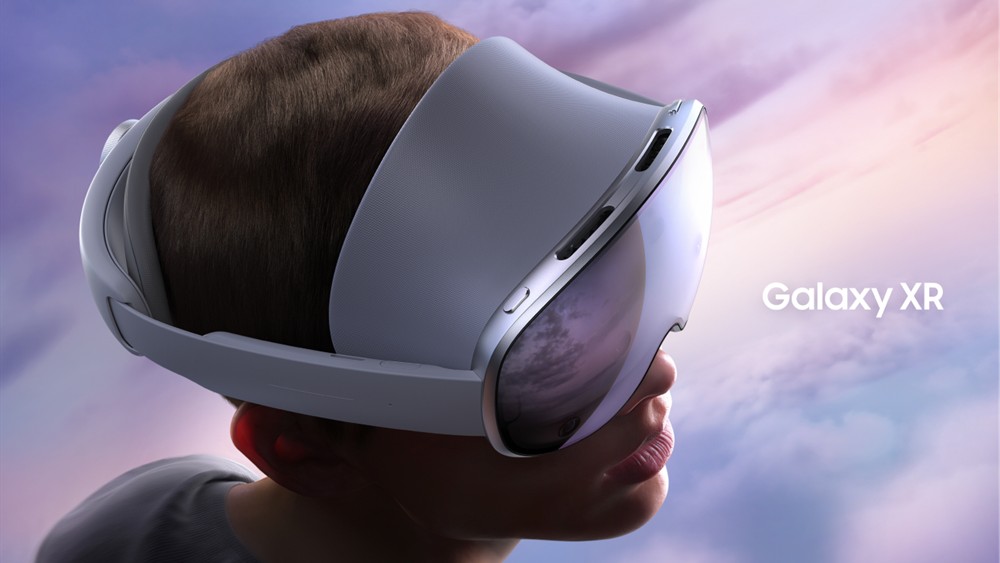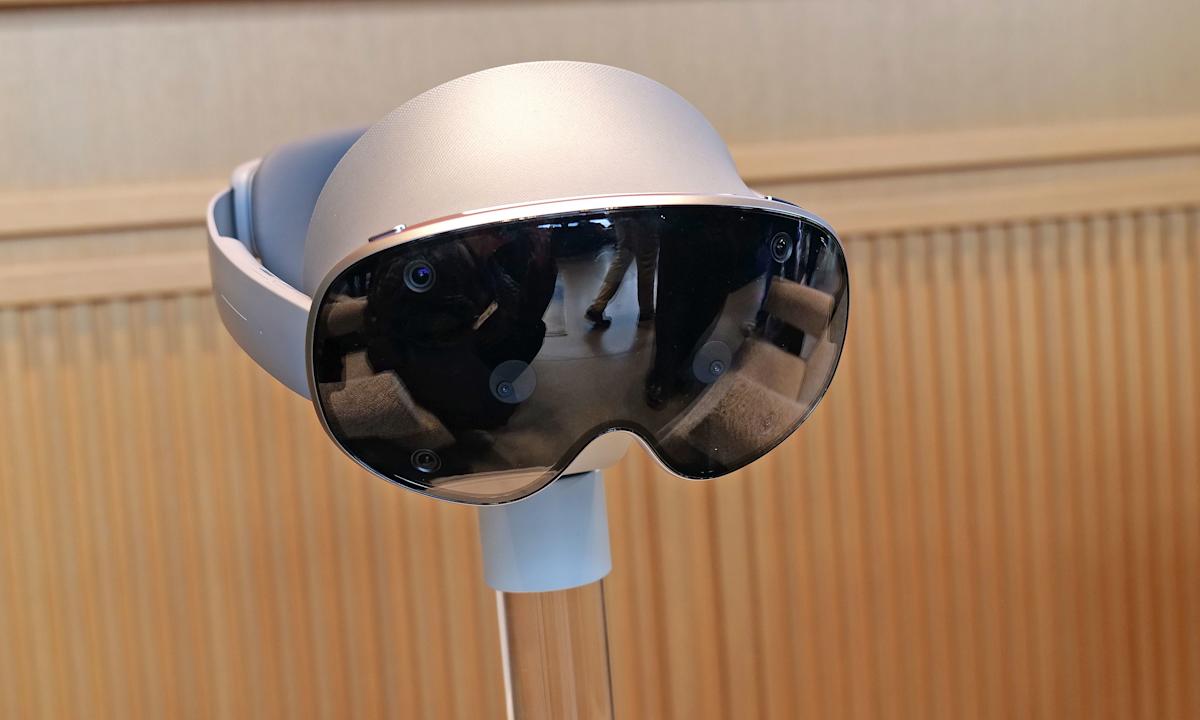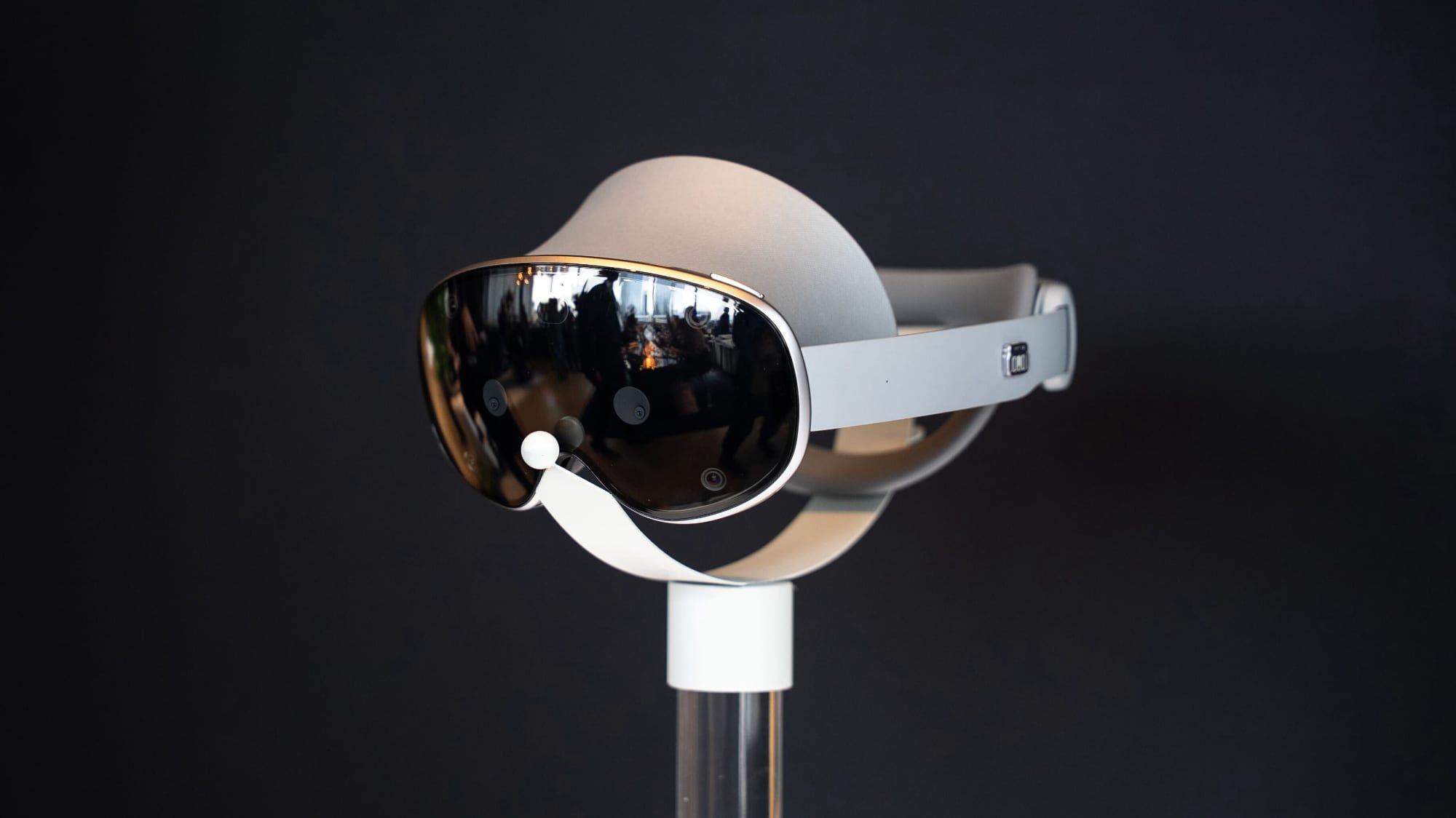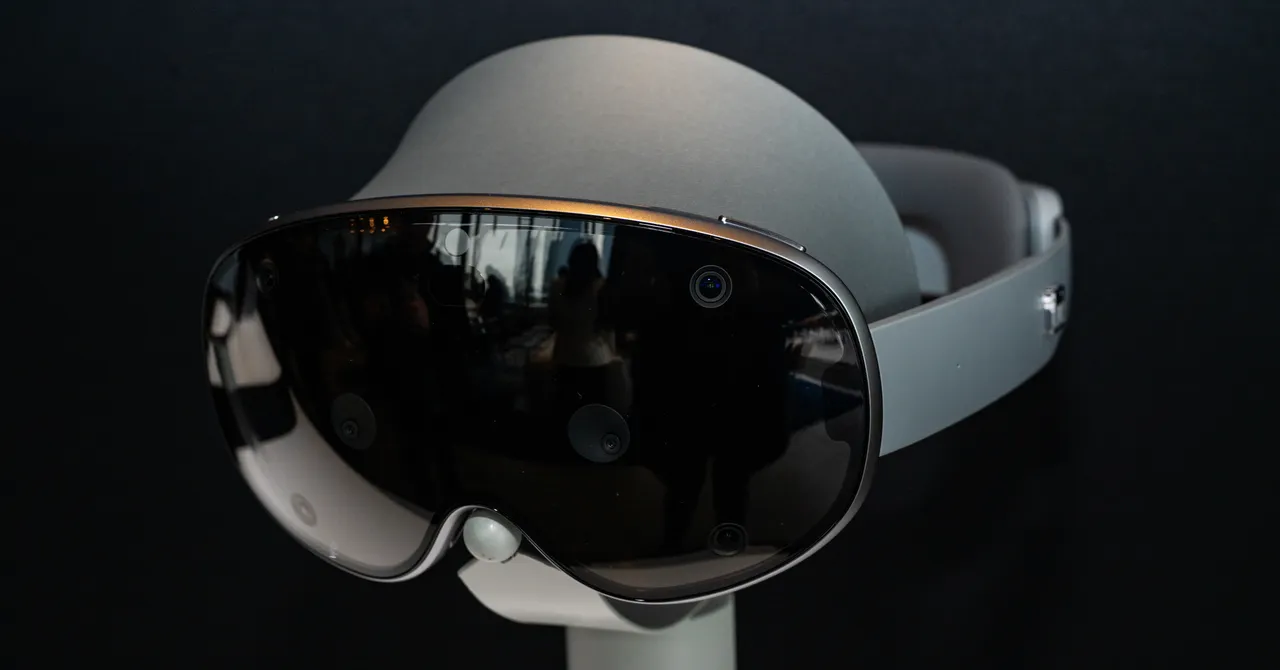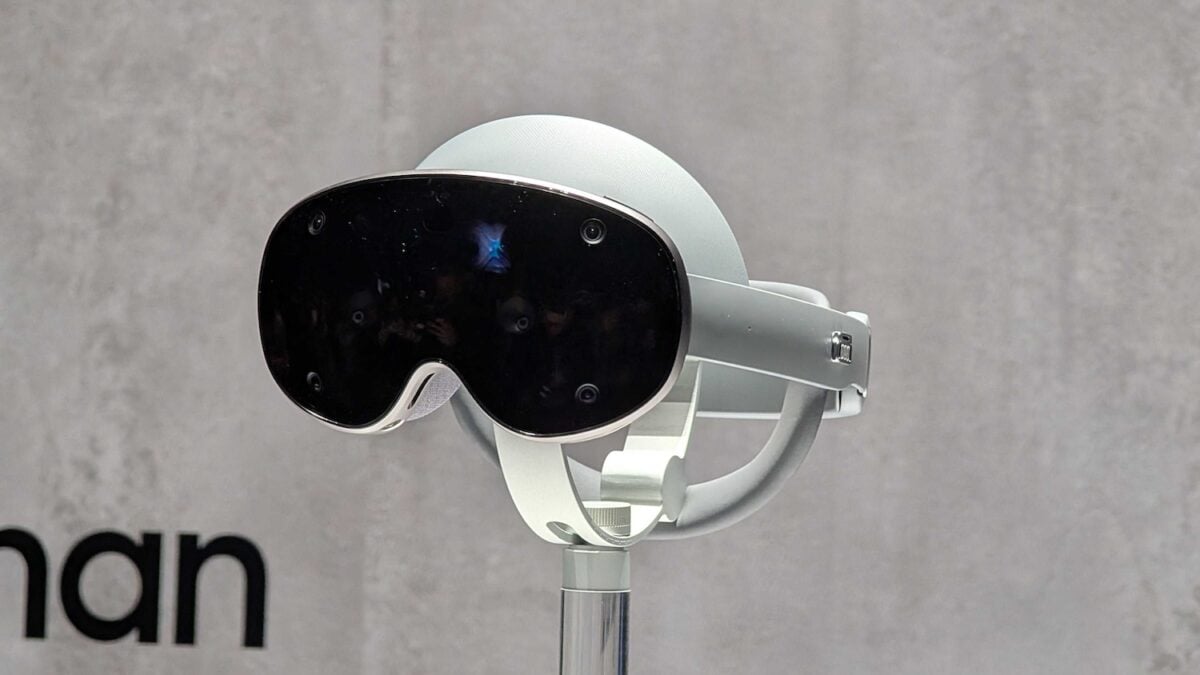
Samsung's mixed reality headset, the Galaxy XR, launched in the U.S. and South Korea on October 21, with a planned 2026 rollout for Canada, France, Germany, and the UK, indicating a gradual international release. The device is positioned as a middle-priced VR headset comparable to Meta Quest and Apple Vision Pro, with pricing likely similar to the U.S. and South Korea markets.
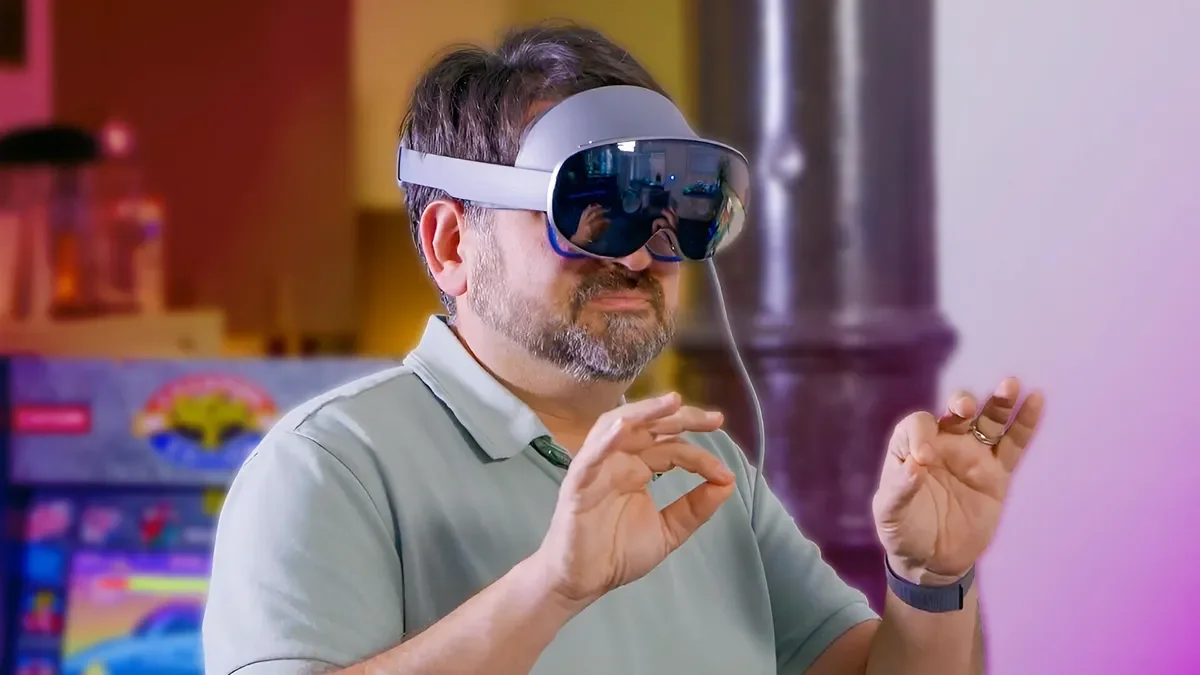
The Samsung Galaxy XR is a high-priced mixed reality headset that introduces innovative features like 'Circle to Search' and immersive Google Maps, serving as a glimpse into the future of AI-powered smart glasses. While it offers some impressive capabilities, its current high cost, limited app ecosystem, and comfort issues make it less suitable for most users today, especially compared to more established VR headsets like Meta Quest and Apple Vision Pro.
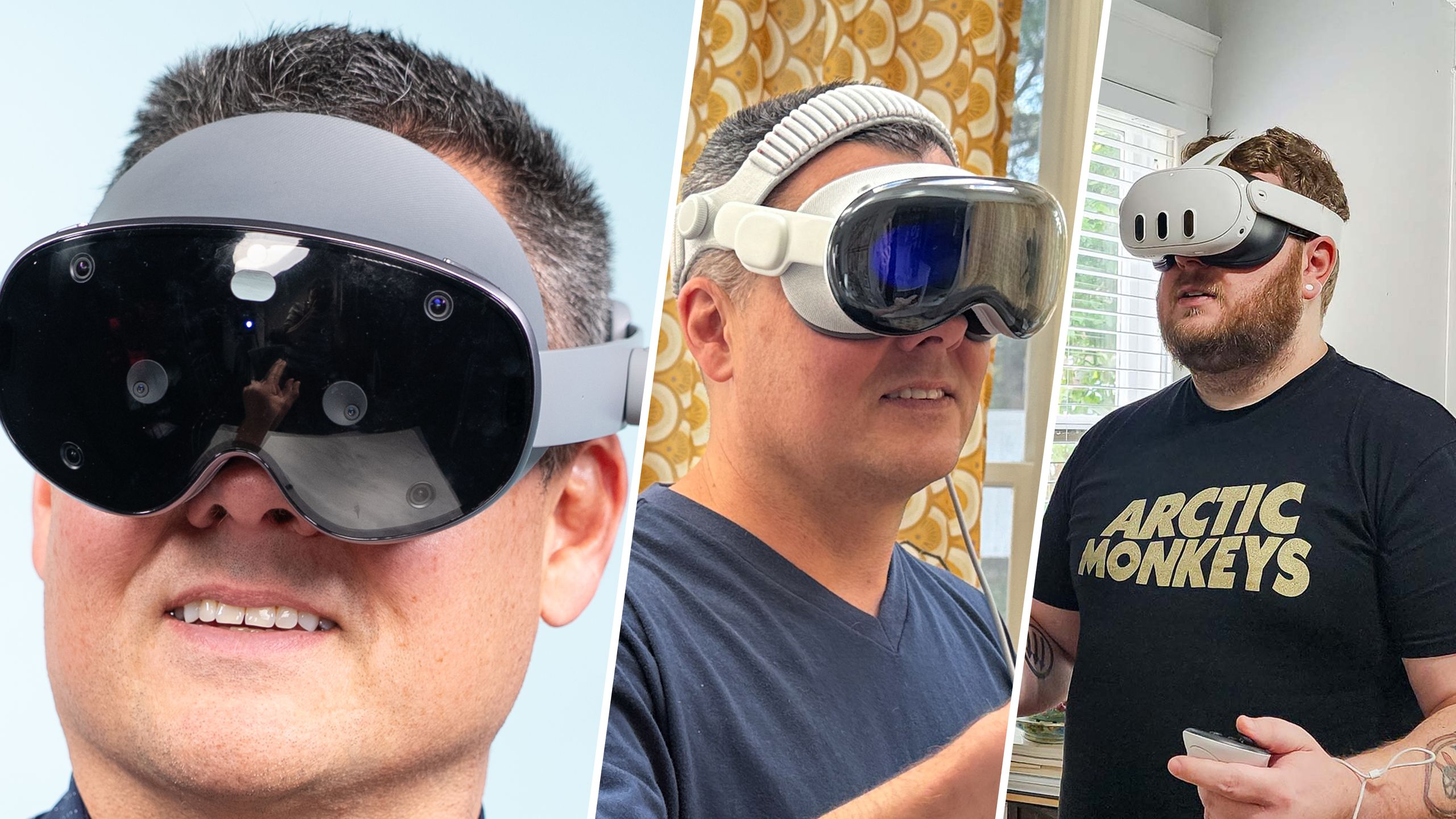
The article compares the Samsung Galaxy XR, Apple Vision Pro, and Meta Quest 3 VR headsets, highlighting their differences in price, specs, design, software, and AI features. It concludes that while the Apple Vision Pro is a powerful device, the Meta Quest 3 offers the best value for most users due to its affordability, comfort, and extensive app ecosystem.
Samsung and Google are developing smart glasses that incorporate advanced AI, like Gemini AI, to enhance everyday interactions and integrate with other devices, signaling a new era of wearable tech focused on contextual AI and health features.
The Samsung Galaxy XR, a new VR headset, is priced at $1,799.99 and offers superior display resolution and lighter weight compared to the Apple Vision Pro, which costs $3,499. The Galaxy XR features a Snapdragon XR2+ Gen 2 chipset, Google’s Android XR OS, and dual controllers, while the Vision Pro boasts a more powerful M5 chip, higher refresh rate, and exclusive visionOS. Both headsets have similar battery life and eye/hand tracking capabilities, but differ in design, operating system, and price, positioning the Galaxy XR as a more affordable yet high-spec alternative to the premium Apple Vision Pro.
Samsung has launched the Galaxy XR, a high-end VR headset priced at $1,799, featuring OLED displays, eye tracking, and a Snapdragon XR2+ Gen 2 chipset, targeting enthusiasts. In contrast, Meta's Quest 3 is more affordable at $499, with LCD displays, slightly lower specs, and a broader consumer focus. The two devices differ significantly in price, display technology, and features, making them suitable for different audiences.
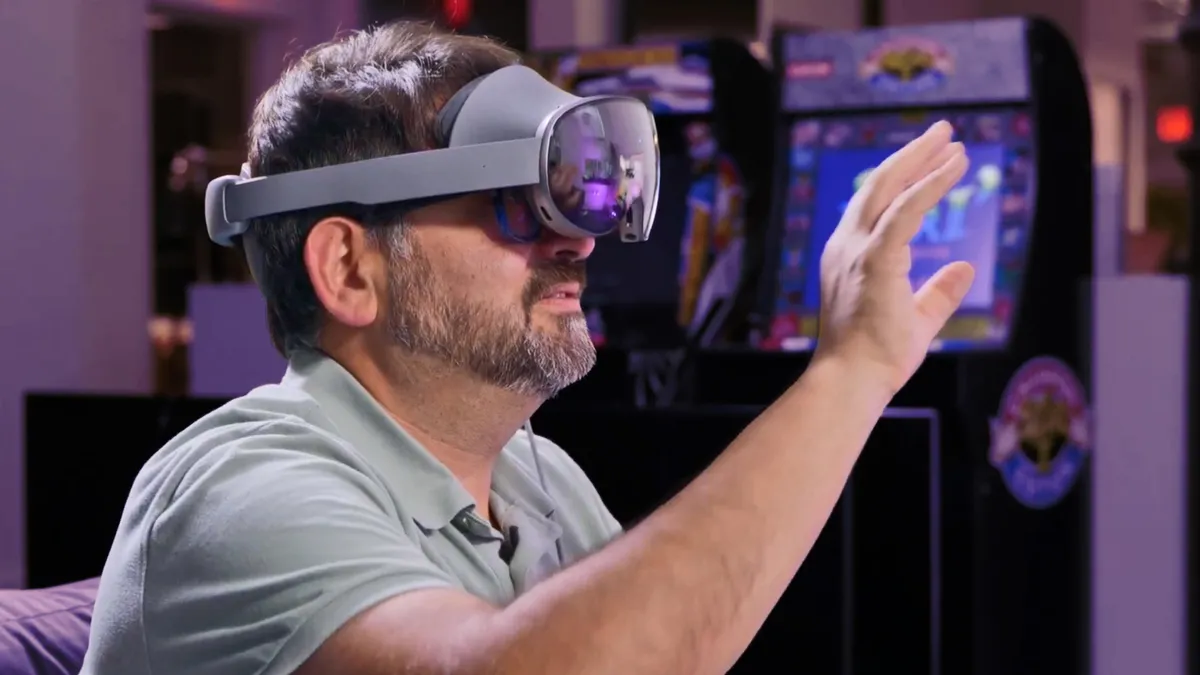
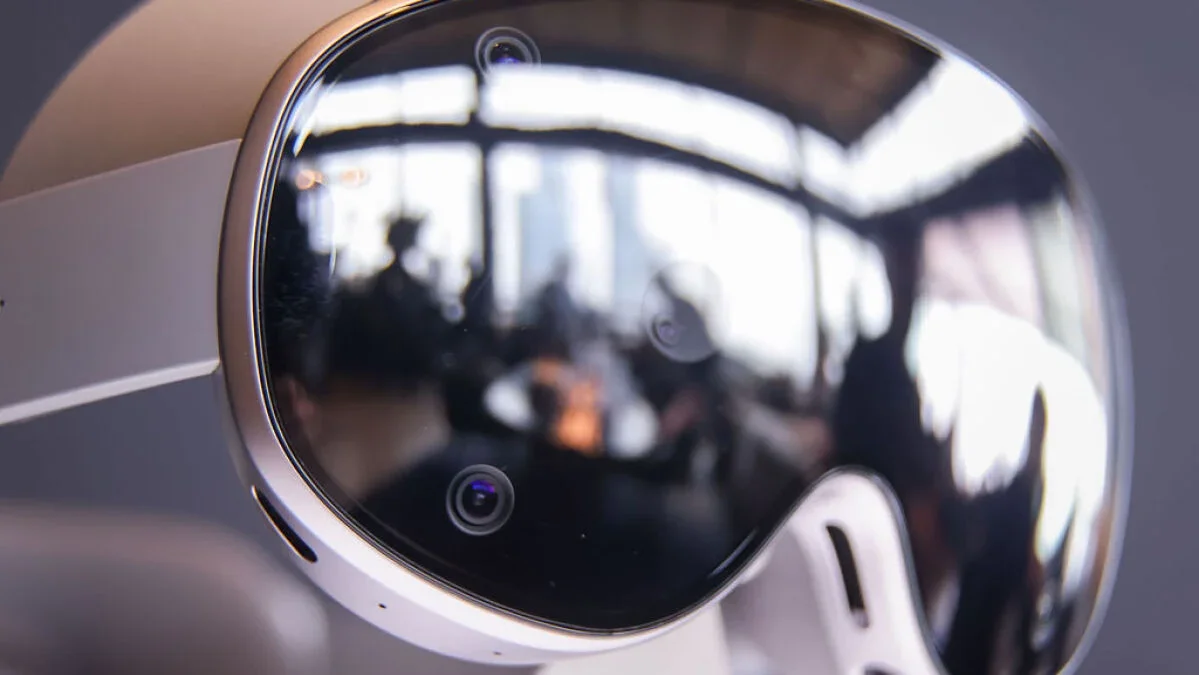
Samsung has launched the Galaxy XR, the first Android XR headset, priced at $1,800, featuring high-resolution Micro-OLED displays, advanced cameras, and integration with Google XR experiences, marking a significant step in Android-based virtual reality devices.
Samsung's Galaxy XR offers a more affordable and open alternative to Apple's Vision Pro, featuring high-resolution displays, a lightweight design, and a new Android XR platform with AI integration, aiming to improve user experience and expand mixed reality adoption.
Samsung has launched the Galaxy XR, a mixed reality headset priced at $1,800, featuring high-resolution micro-OLED screens, advanced sensors, and AI integration, competing with Apple Vision Pro and Meta's VR devices, with availability in the US and various accessories.
Samsung has launched the Galaxy XR, a mixed reality headset powered by Android XR, priced at $1,800 and available in the US and South Korea. It features 4K micro-OLED displays, eye tracking, spatial video, and supports PCVR gaming, aiming to compete with devices like Apple's Vision Pro. The headset emphasizes entertainment and enterprise uses, with a focus on immersive content and virtual collaboration, while bundling free content to boost appeal.
Samsung's upcoming Project Moohan, likely called Galaxy XR, is a high-end VR headset with features comparable to Apple's Vision Pro, including dual controllers, eye- and hand-tracking, and 4K micro-OLED displays, but its release date and price remain unknown, with leaks suggesting a weight advantage and a price range between $1,700 and $2,900.
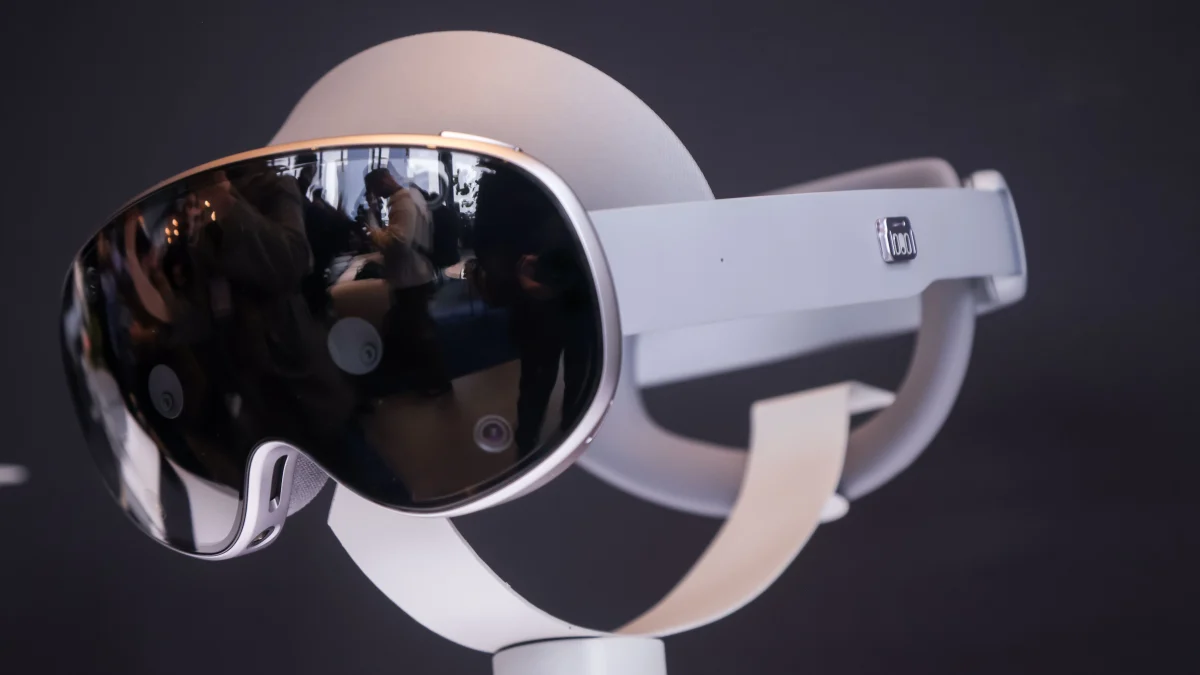
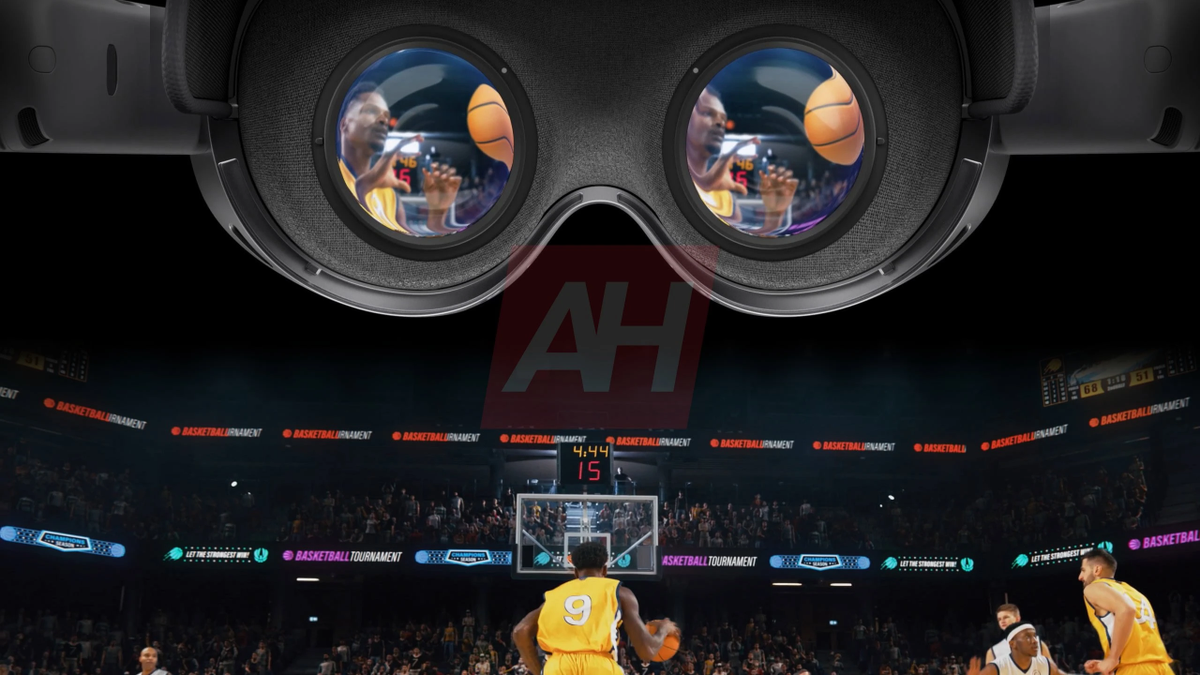
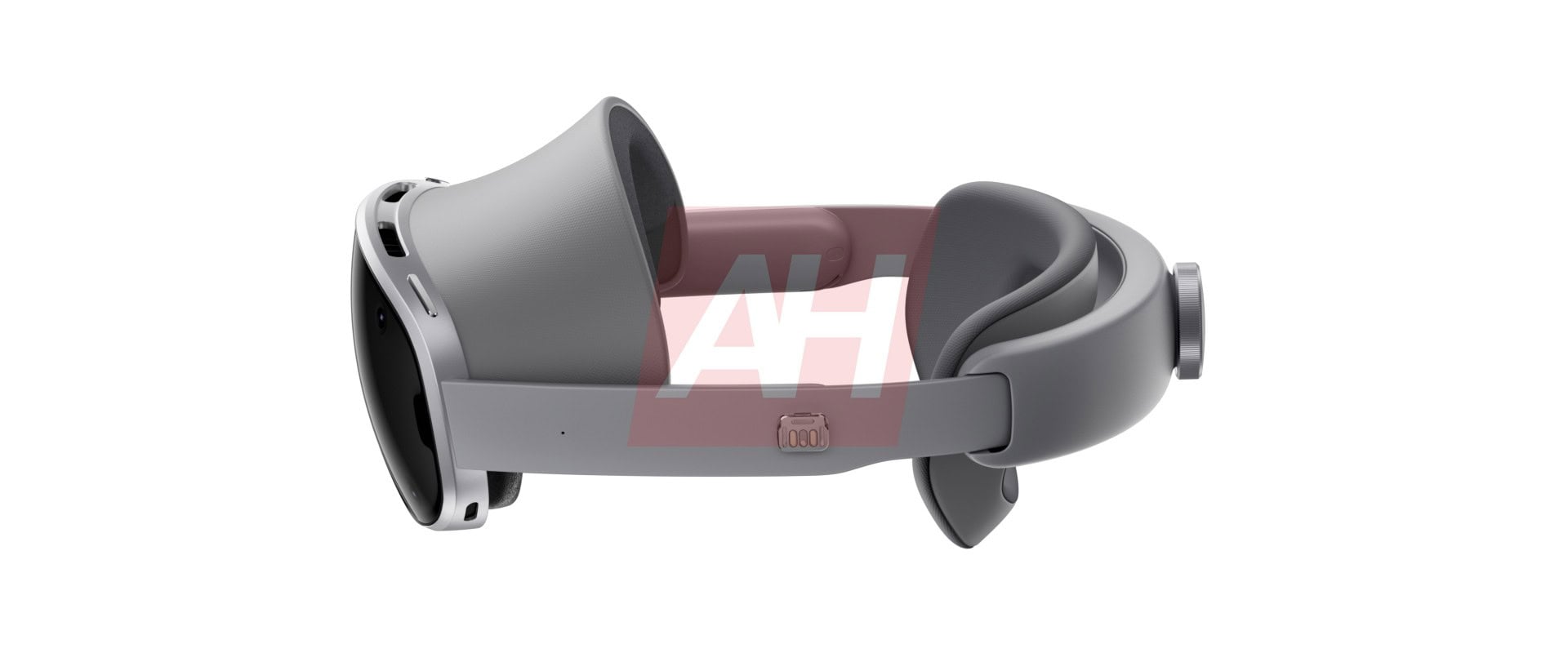
Leaked images and specs reveal Samsung's Galaxy XR headset, a competitor to the Apple Vision Pro, featuring dual 4K micro-OLED displays, a lighter weight of 545 grams, and powered by a Qualcomm XR2+ Gen 2 processor, aiming to offer a practical, high-end XR experience with a focus on weight reduction and competitive pricing.
Samsung Galaxy XR, a new VR headset, is leaked to include tracked controllers, multiple sensors for hand and eye tracking, and will run on Google's Android XR OS with a Snapdragon XR2+ Gen 2 chipset. It is expected to launch around October 21 in South Korea with a price range of $1800 to $3000, and may initially have a limited release.
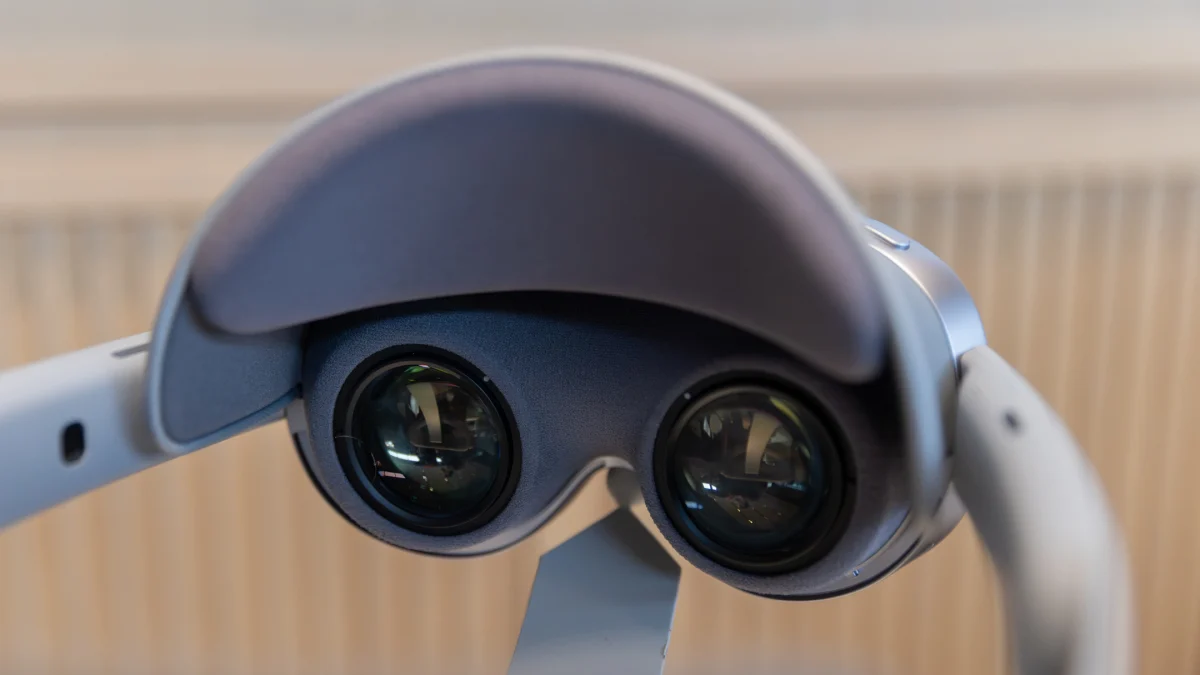
The Samsung Galaxy XR, also known as Project Moohan, is an upcoming VR headset featuring a high-res 4K micro-OLED display, Snapdragon XR2+ Gen 2 processor, eye and hand tracking, and spatial audio, with a focus on comfort and design. It is expected to launch in October with a rumored price of around $1,800, competing with devices like the Apple Vision Pro and Meta Quest 3.