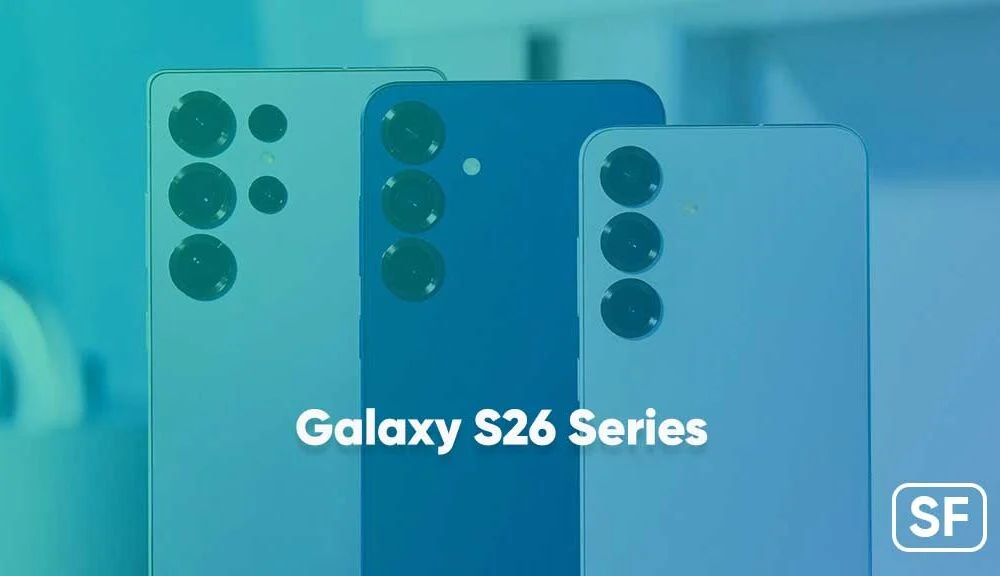
Samsung is set to launch the Galaxy S26 series with new camera features like 3x Zoom HDR and maintain current pricing levels despite hardware cost increases. The company is also focusing on advancing its semiconductor technology with a new 2nm process to compete with TSMC, and has released updates to its SSD management and UI design to enhance user experience.
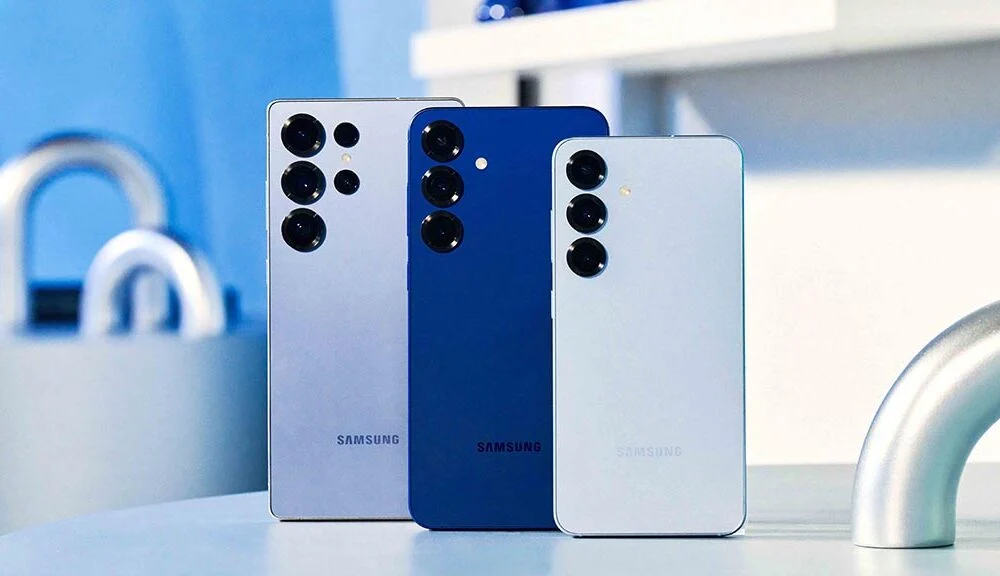
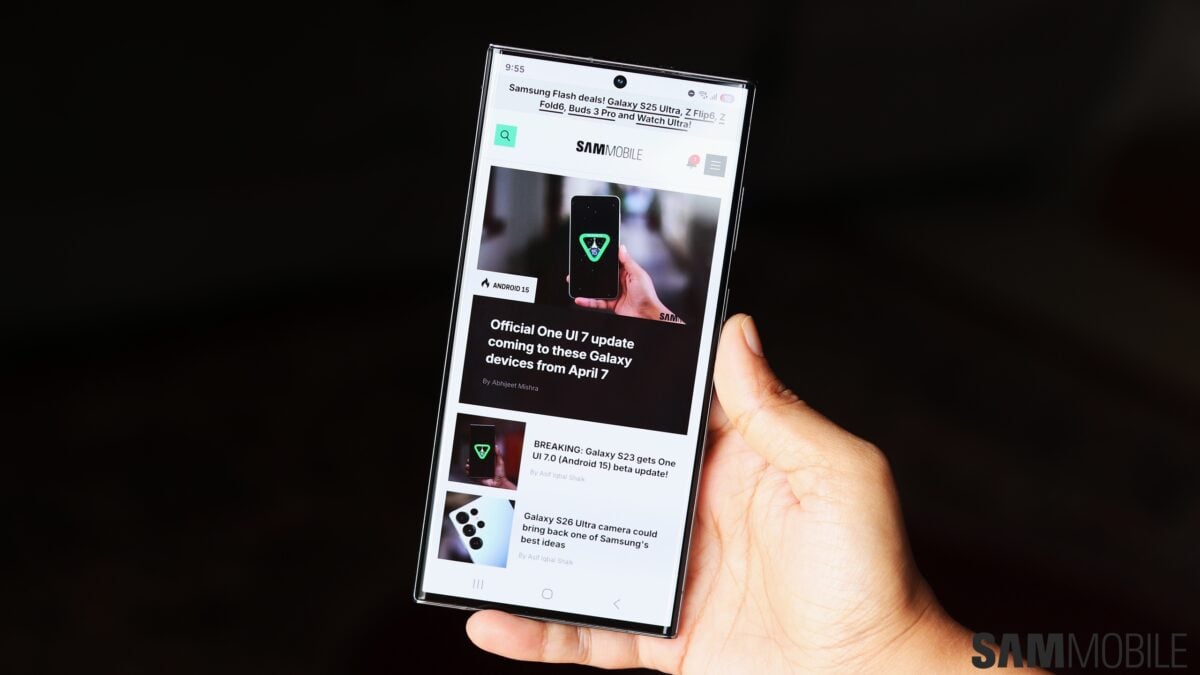
Samsung is not increasing the prices of its upcoming Galaxy S26 series, which are expected to start at $799 for the S26, $999 for the S26+, and $1,299 for the S26 Ultra, with a launch event possibly in late February 2026. The series may feature a new 3x Zoom HDR camera and other enhancements, while Samsung also aims to leverage TSMC's 2nm process technology to attract major tech companies for its semiconductor foundry.
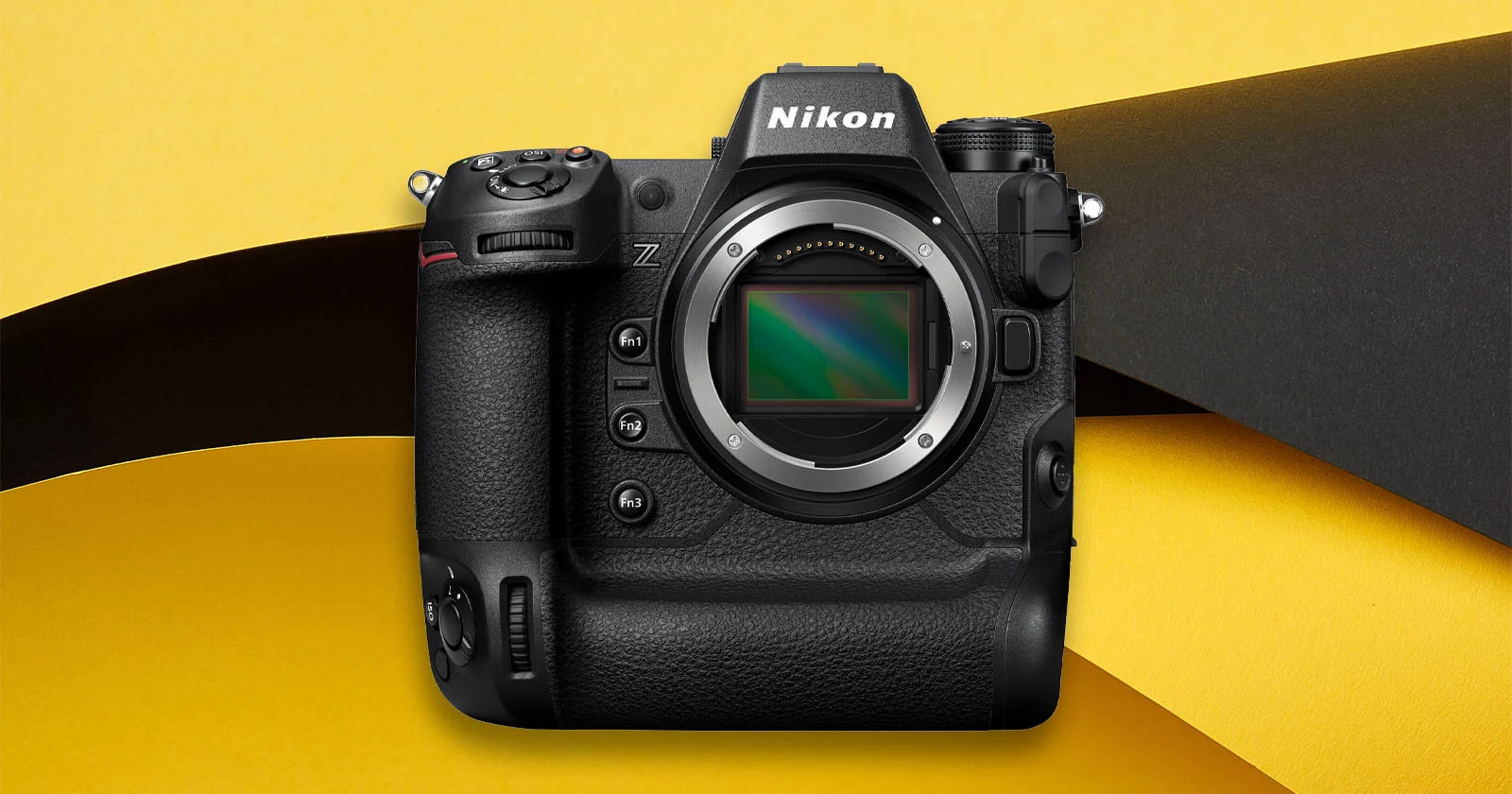
Nikon has released firmware version 5.30 for the Z9, enhancing autofocus, subject detection, Auto Capture, and adding new features like focus limiter and Flexible Color Picture Control, further supporting professional and sports photography.
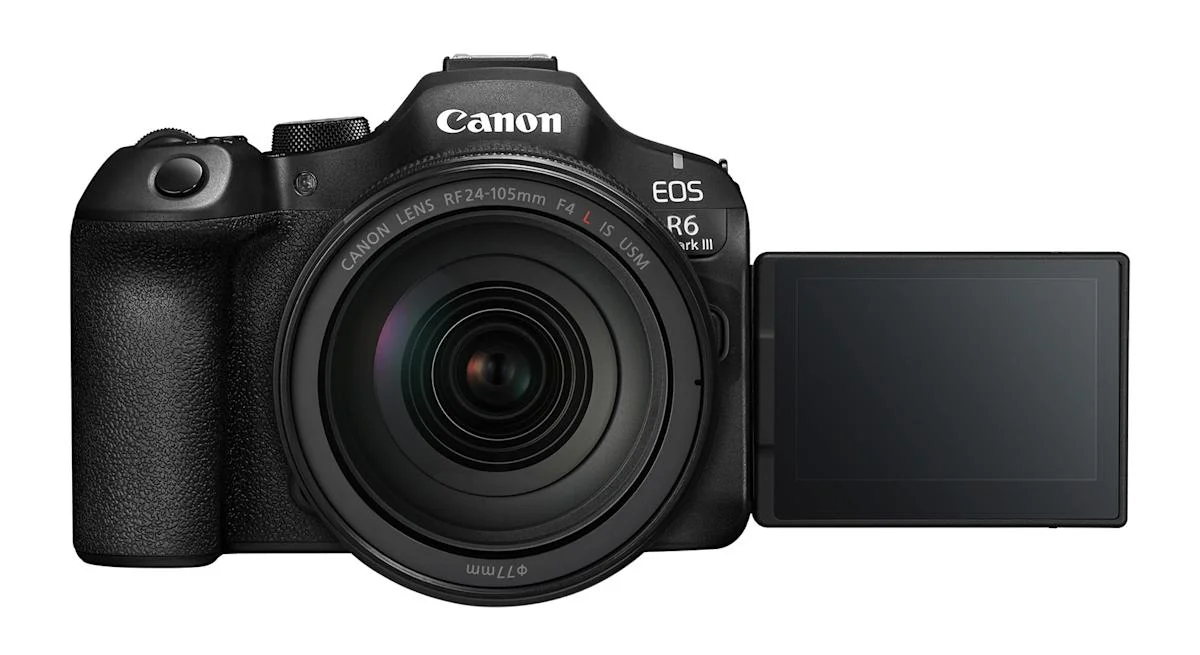
Canon's EOS R6 III is a new mid-range full-frame hybrid camera with a 32.5MP sensor, 40 fps burst speeds, and advanced video features including 7K RAW video at 60 fps, offering significant upgrades over its predecessor, though at a higher price and without a stacked sensor.
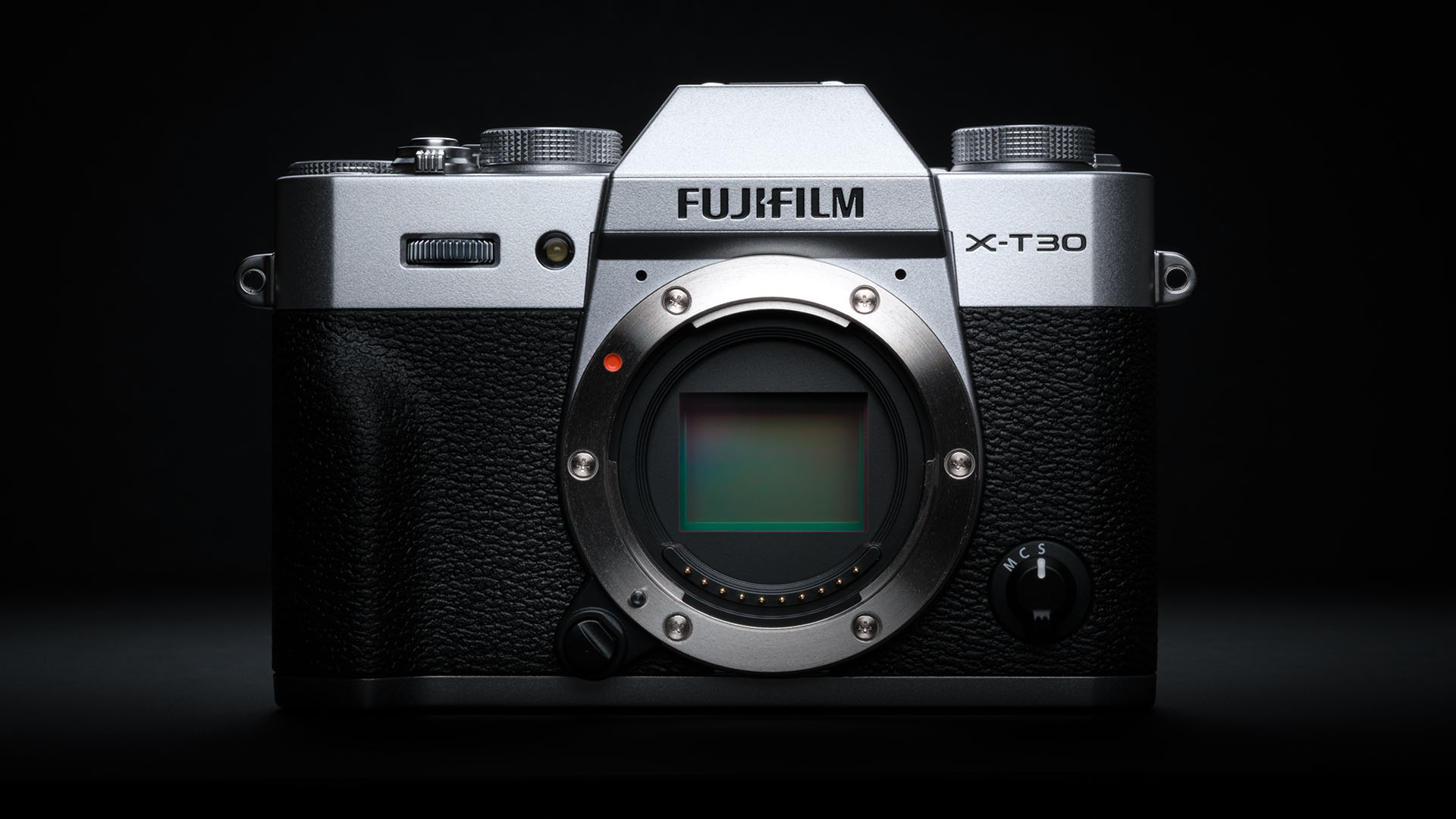
Fujifilm has launched the X-T30 III, a compact mirrorless camera with significant upgrades including 6.2K open-gate recording, 4K/60P, and a 26.1MP sensor, along with a range of manual controls and film simulations, targeting hybrid shooters and enthusiasts.
Despite being older, the Galaxy S23 Ultra still boasts advantages over the iPhone 17 Pro Max, including a higher pixel density display, a more advanced camera system with higher resolution and zoom capabilities, faster charging, and unique productivity features like the S Pen and Samsung DeX, giving it ongoing bragging rights in 2025.
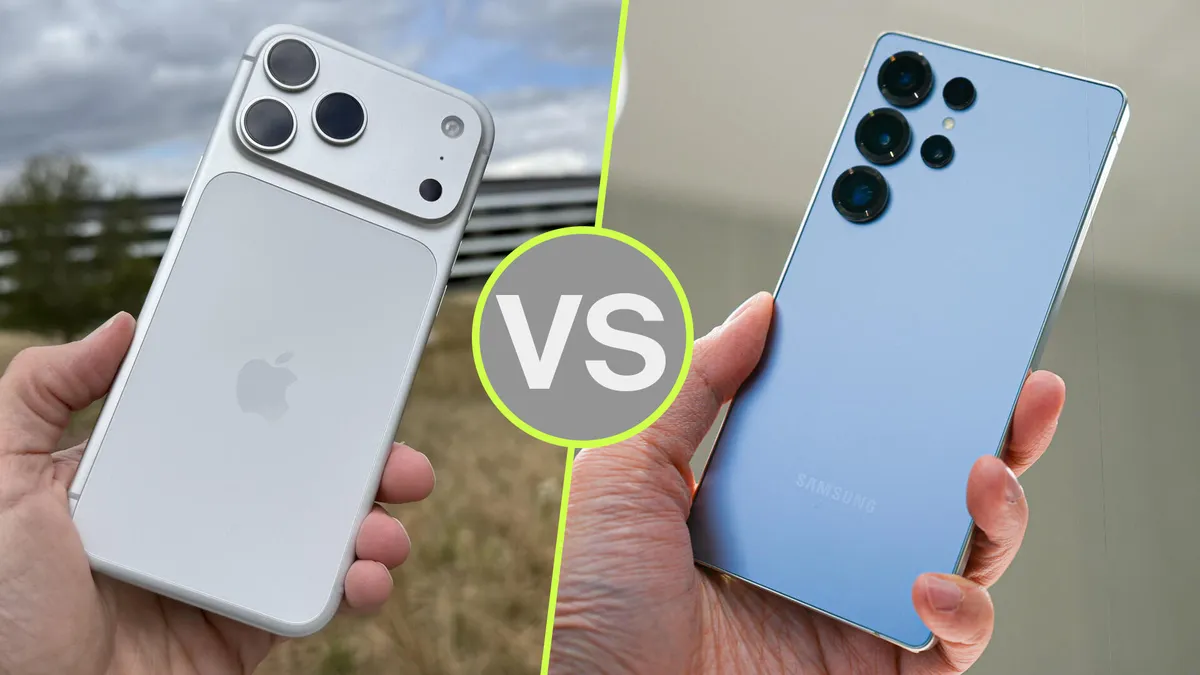
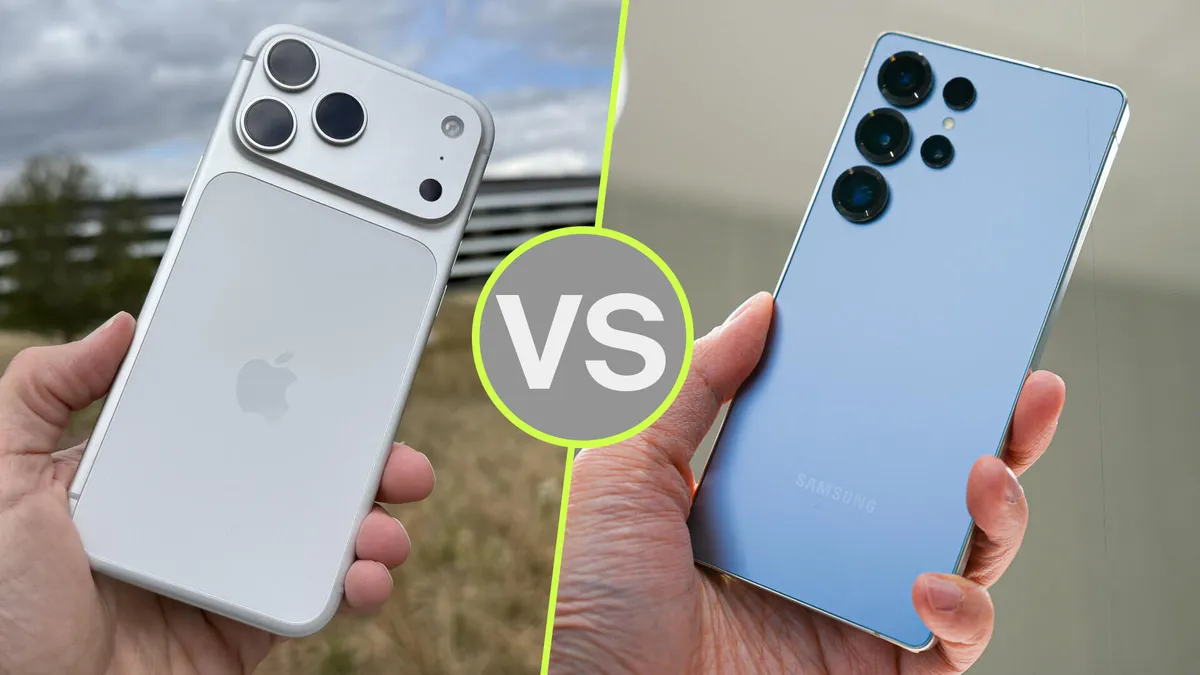
The article compares the new Apple iPhone 17 Pro Max and Samsung Galaxy S25 Ultra, highlighting the iPhone's advanced video recording capabilities, MagSafe compatibility, and storage options, making it ideal for creators, while the Galaxy S25 Ultra offers the best display, a more complete AI experience, and the S Pen for note-taking, catering to users who prioritize display quality and AI features.
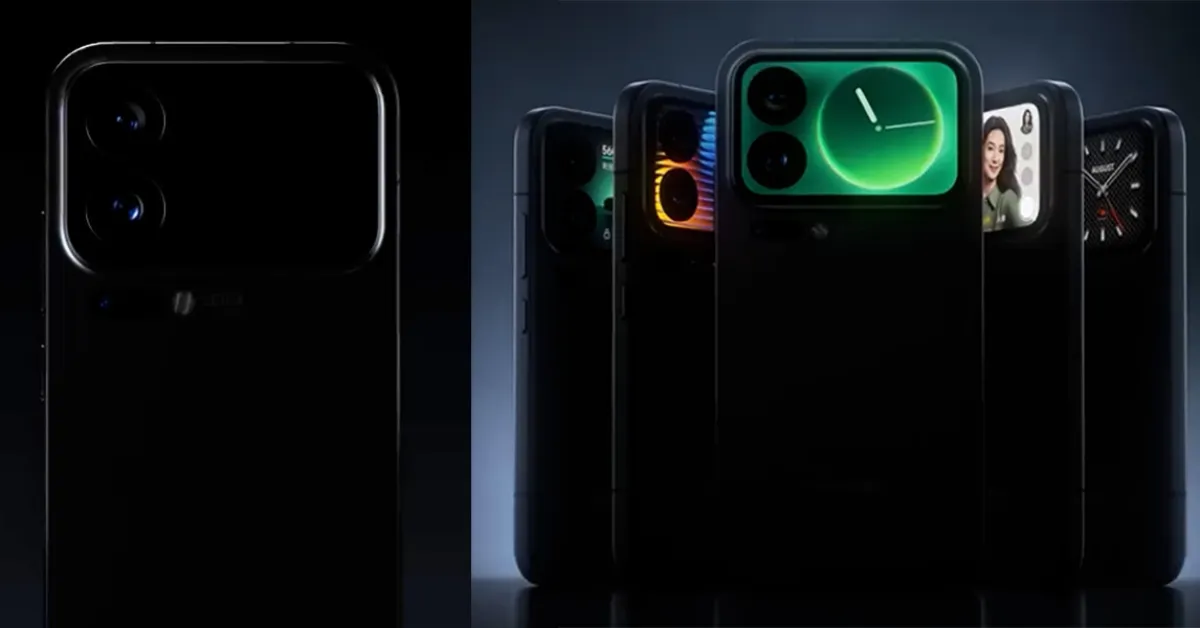
Xiaomi is unveiling the Xiaomi 17 Pro, which features an iPhone-like camera bar with a secondary rear display called the 'Magic Back Screen' that can show widgets, images, and act as a viewfinder, enhancing its functionality and design.
The article compares the new iPhone 17 Pro Max and Samsung Galaxy S25 Ultra, highlighting the iPhone's advanced video recording capabilities, MagSafe compatibility, and storage options, while praising the Galaxy S25 Ultra's superior display, more comprehensive AI features, and the inclusion of the S Pen. The choice depends on user priorities such as video recording, display quality, AI features, or stylus use.
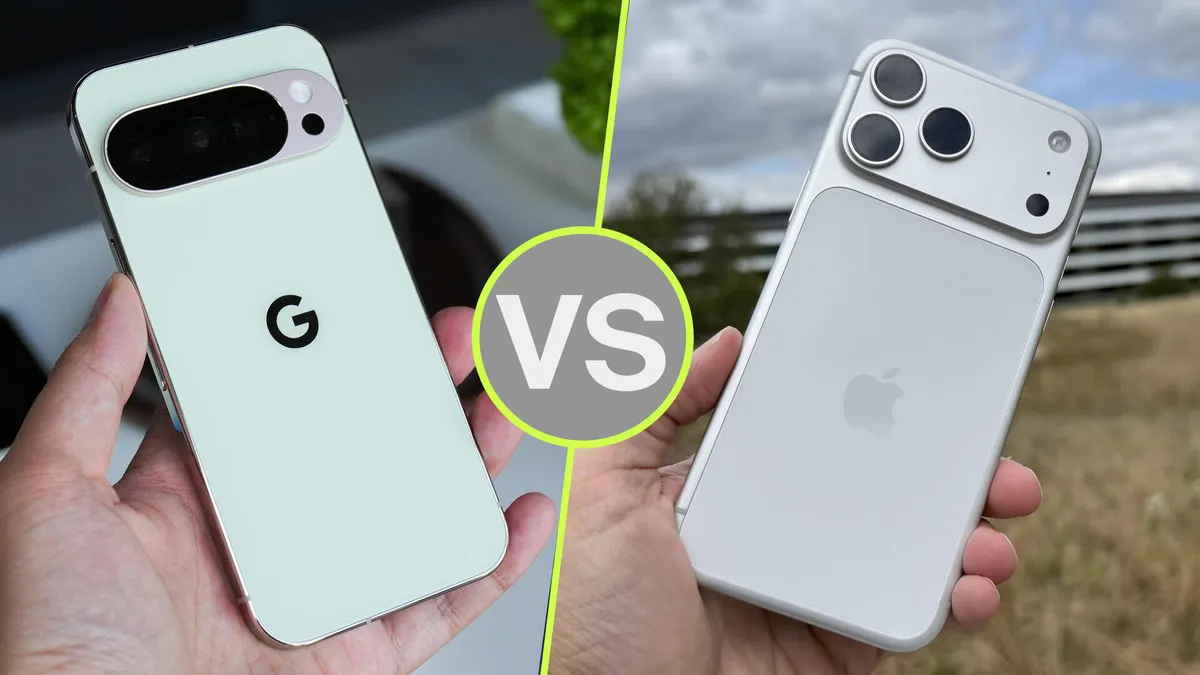
The article compares the iPhone 17 Pro Max and Google Pixel 10 Pro XL, highlighting the iPhone's superior video and performance features, including a new chip and larger storage options, while praising the Pixel for its advanced AI features and forgiving camera. The choice depends on user priorities like camera quality, AI features, and storage needs.
iOS 26 will introduce a new 'Bright' Photographic Style to iPhone 16 models, enhancing photo processing with a vibrant, skin-brightening effect, initially available in the iOS 26 RC build and launching publicly on September 15.
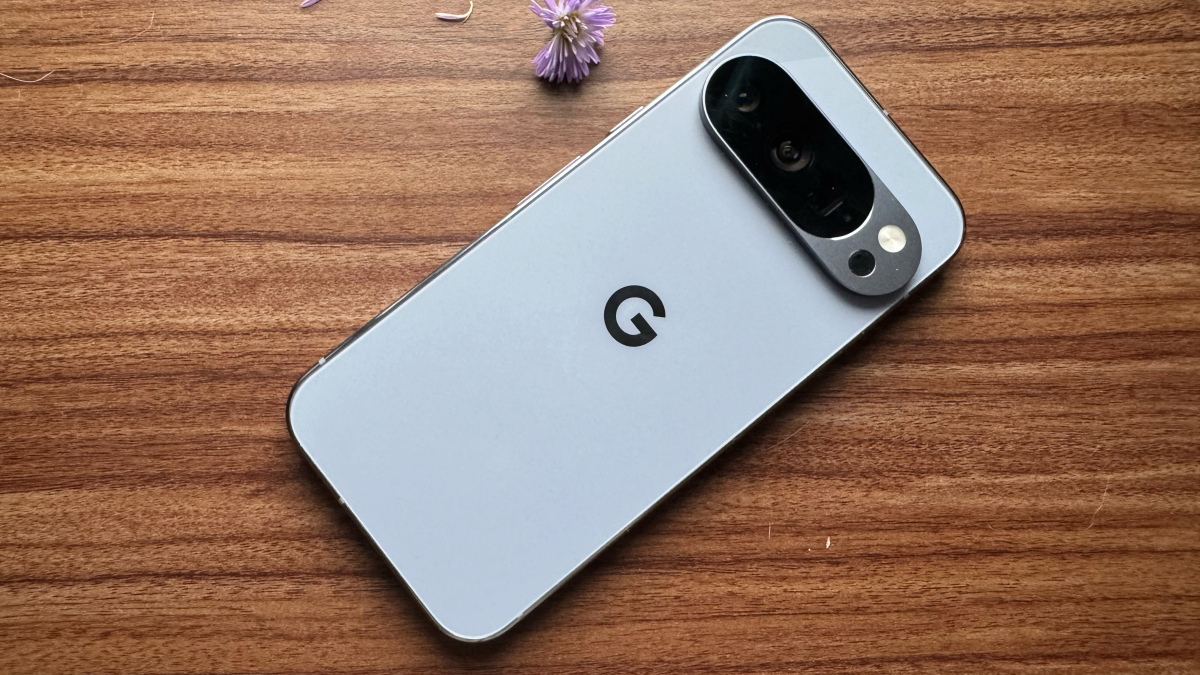
The article provides tips for optimizing your Google Pixel phone, including setting the highest display resolution, customizing the lock screen, changing power button behavior, switching to AV1 video codec, enabling Video Boost for enhanced video quality, and disabling features like Pro Res Zoom and Camera Coach on Pixel 10 models.
The Pixel 10 Pro offers familiar hardware with notable AI enhancements, including a new Tensor G5 chip, advanced camera features like Super Res Zoom up to 100x, and innovative AI tools such as Magic Cue and call translation, although some features are region-specific or still evolving.
The Google Pixel 10 Pro XL and Samsung Galaxy S25 Ultra are closely matched flagship Android phones, with the Pixel excelling in software simplicity, camera AI capabilities, and comfort, while the Galaxy offers a superior display, more features, and better performance, making the choice dependent on user preferences for software experience, display quality, and hardware performance.
The Samsung Galaxy Z Fold 7 and Google Pixel 10 Pro Fold are high-end foldable smartphones with notable differences in design, specs, and features. The Z Fold 7 is thinner and lighter, with a slightly smaller battery but a more advanced chipset, while the Pixel 10 Pro Fold offers a higher peak brightness, more RAM, and a better optical zoom camera. Price-wise, the Pixel is slightly cheaper, and both devices feature AI capabilities and advanced camera systems, though Samsung's camera boasts a higher megapixel main sensor.