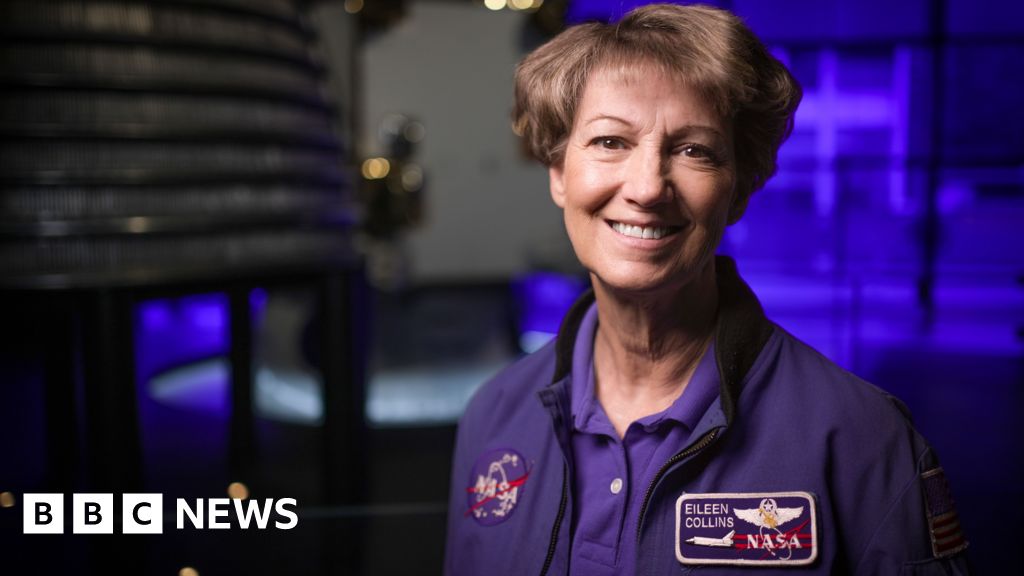
Eileen Collins made history as NASA's first female space shuttle pilot and commander, overcoming challenges and breaking gender barriers in the aerospace industry, and inspiring future generations of women in science and space exploration.
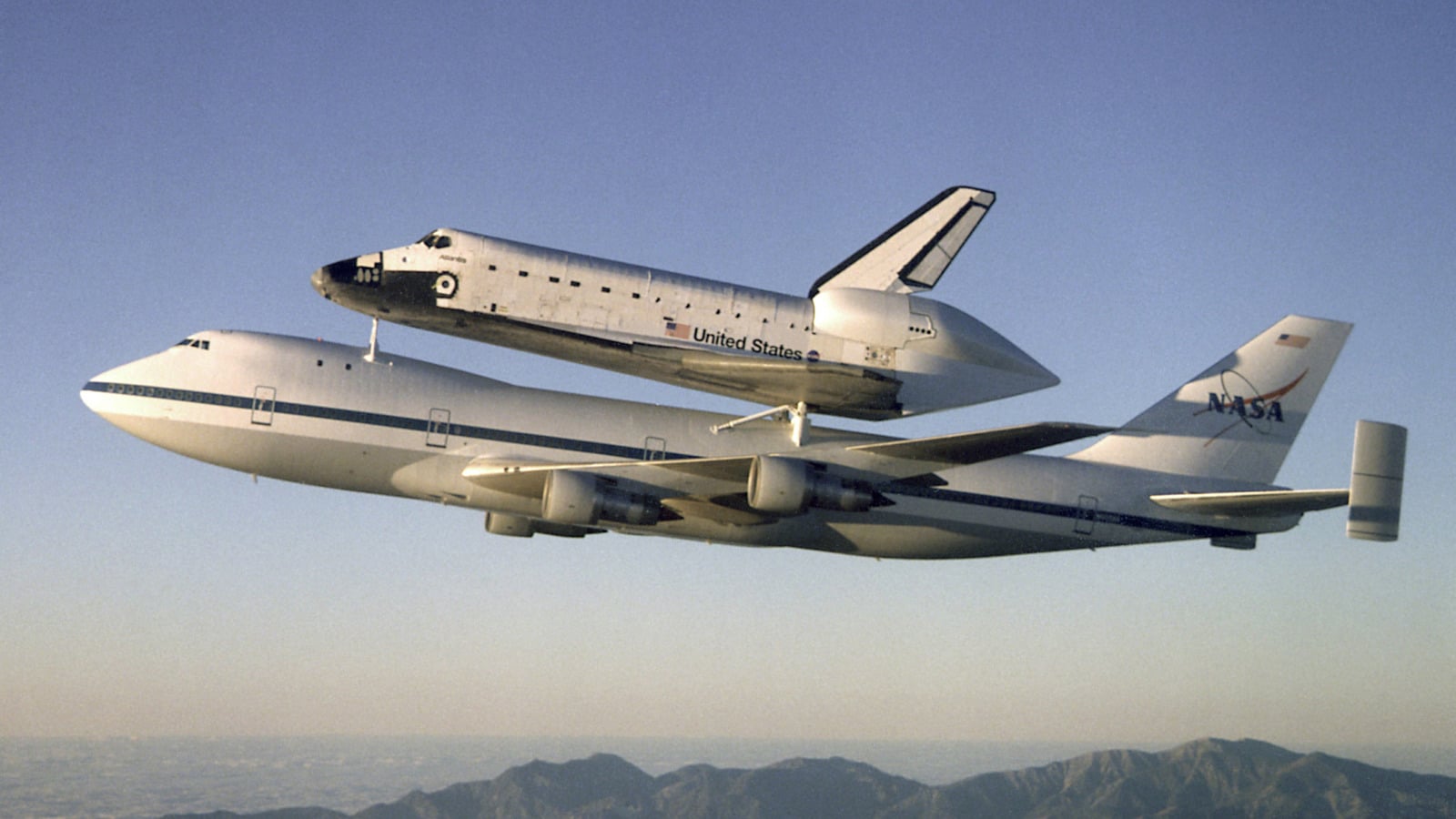
NASA chose Boeing 747s as Shuttle Carrier Aircrafts to transport space shuttles, leveraging their low-wing design and capacity to carry and deploy shuttles during the space program, especially for repositioning and testing purposes, playing a crucial role in the shuttle missions' success.
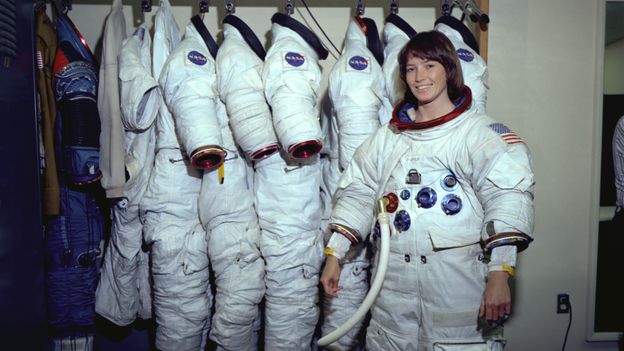
The article details how NASA's Space Shuttle program helped break gender barriers by including women astronauts like Sally Ride, highlighting the challenges they faced, such as sexist equipment and stereotypes, and celebrating their achievements in space exploration and diversity advancements.
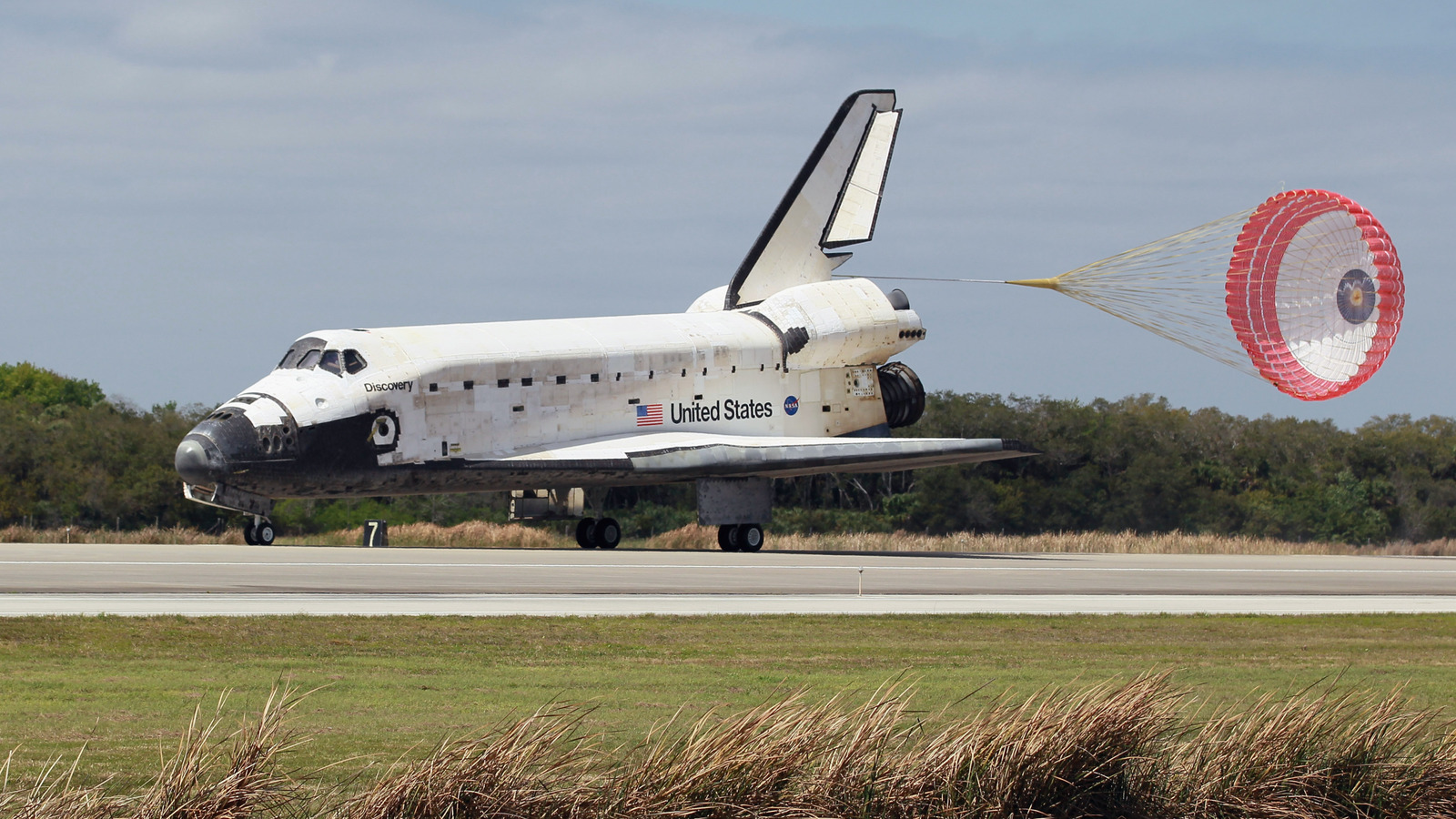
The Space Shuttle's tires, designed by Michelin, were built to withstand extreme conditions and were only used once due to the immense forces during landing, with the main tires being 34-ply rated and filled with nitrogen to handle the harsh environment. Despite its retirement, there have been attempts to reclaim the Shuttle Discovery, which is now owned by the Smithsonian.
A rare Airstream trailer that served as NASA's Convoy Command Vehicle for Space Shuttle operations was mistakenly sold at auction and is now listed for $199,000, offering space enthusiasts a unique piece of space history, though its sale and use are regulated by US export laws.
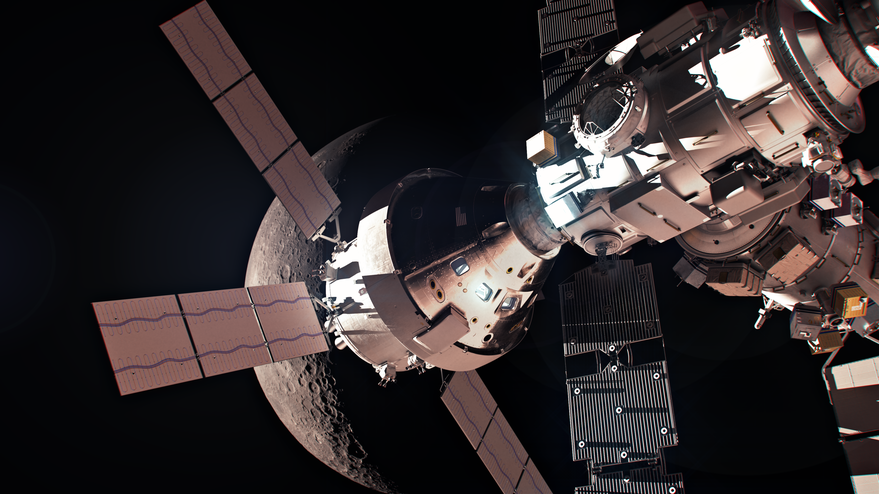
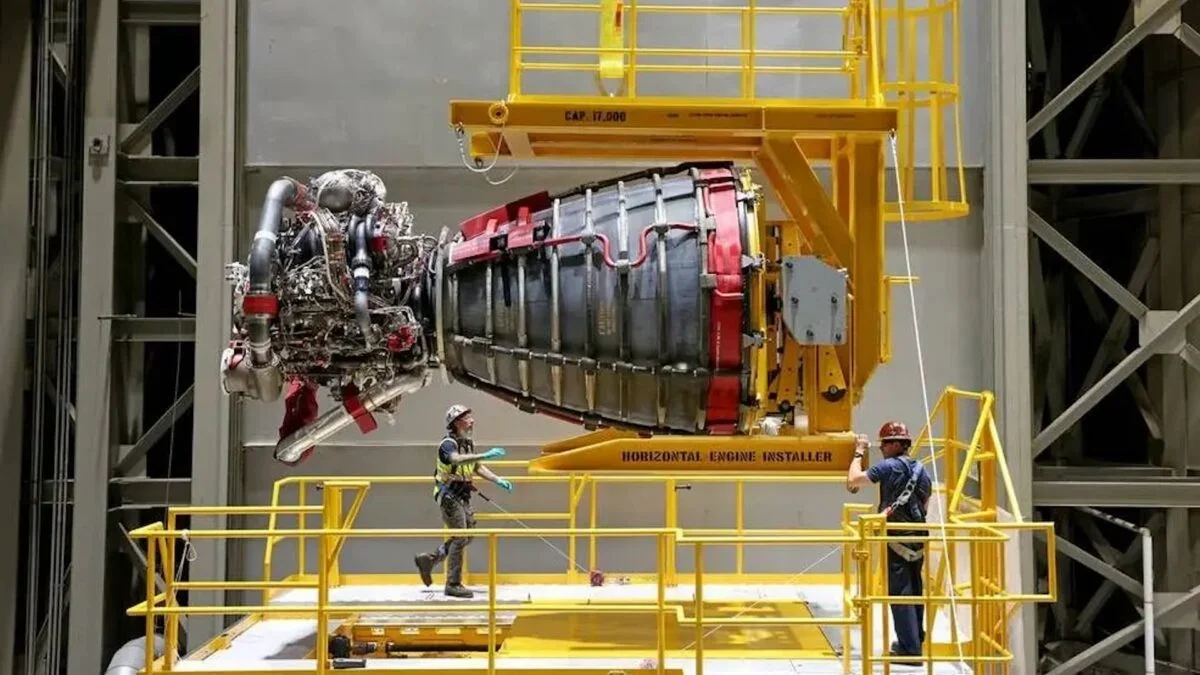
A bipartisan reconciliation bill approved by Congress allocates nearly $10 billion for NASA's Artemis program, Gateway lunar station, Mars telecommunications, and space station operations, with specific funding for the Space Launch System, Orion spacecraft, and space shuttle relocation, amidst some disagreements over program continuations and budget priorities.
Congress approved a budget reconciliation bill allocating nearly $10 billion to NASA's human spaceflight programs, which may also facilitate the transfer of a space shuttle to Houston, supporting ongoing and future space exploration efforts.
The Buran space plane, the Soviet Union's answer to NASA's Space Shuttle, now sits abandoned and rusting in a hangar in Kazakhstan. Despite its successful unmanned flight in 1988, the Buran program was halted after the fall of the Berlin Wall and officially canceled in 1993. While NASA's shuttles are celebrated in museums, the Buran remains largely forgotten, with only a few remnants and an engineering prototype left to tell the story of this ambitious but ultimately short-lived Soviet space endeavor.
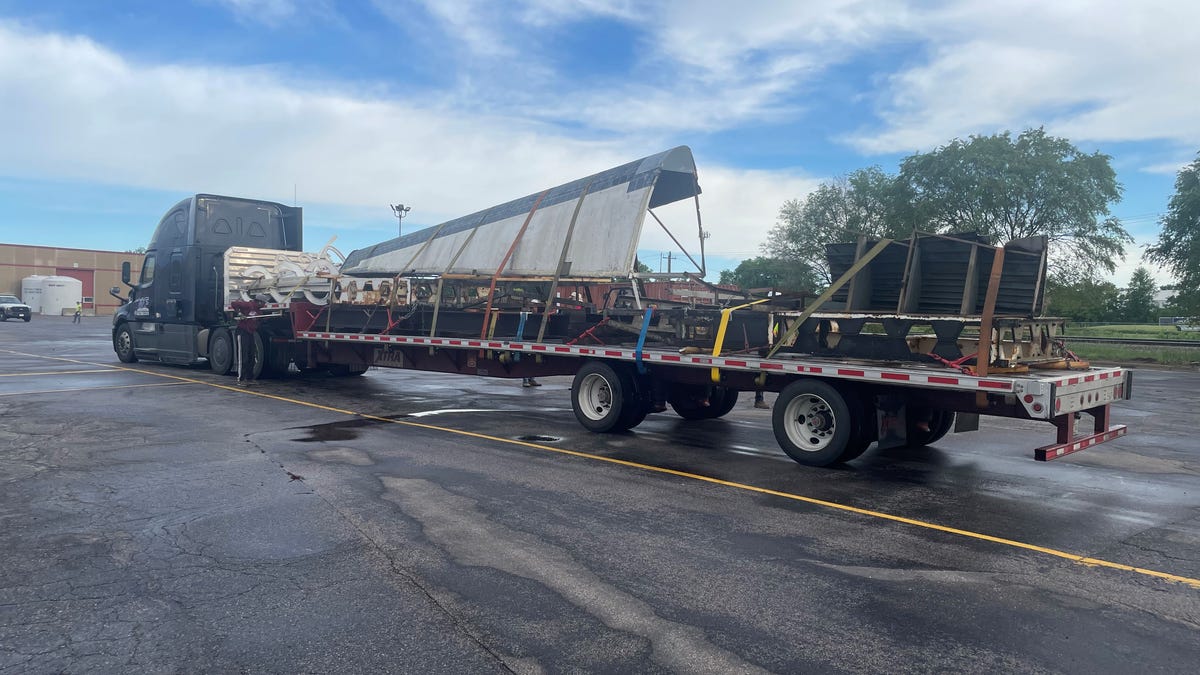
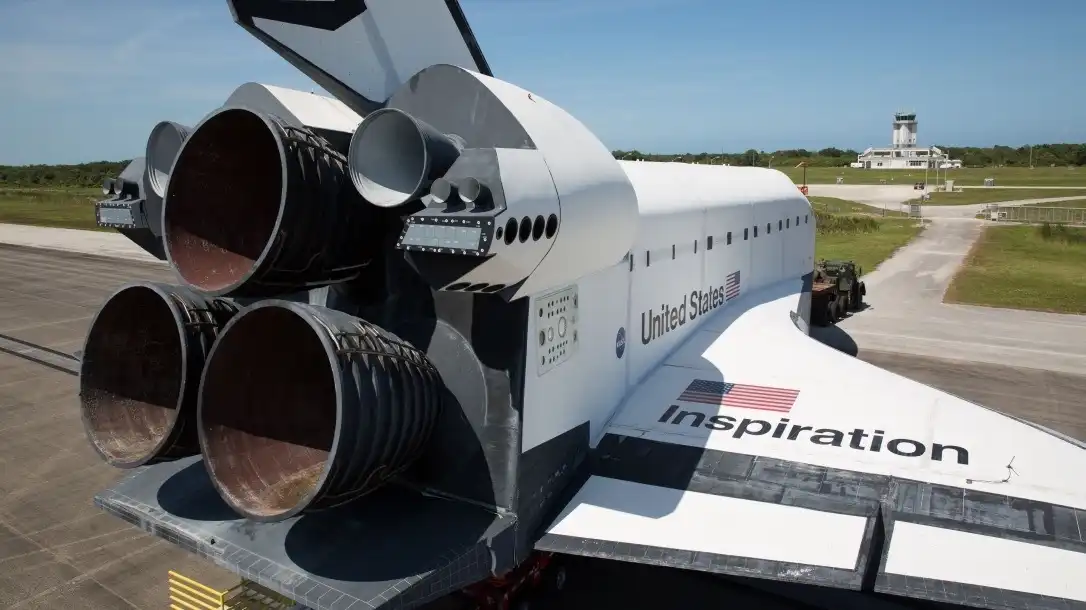
The Inspiration Mock Orbiter has arrived in St. Cloud, but its final location is uncertain due to size constraints. While Mayor Dave Kleis hopes to place it downtown to boost economic development, organizer Felicity John Pederson is skeptical it will fit. For now, the shuttle will be stored behind the public works building, with plans to create a virtual reality experience for visitors.
A donor has expressed interest in donating a full-scale mockup of a space shuttle, known as Inspiration, to be showcased next to a new children’s museum in downtown St. Cloud, Minnesota. The shuttle, currently near the Kennedy Space Center in Florida, needs to be moved and would require disassembly, transportation, and reassembly using cranes. The donor, Felicity-John Pederson, is considering St. Cloud as a potential location for the shuttle, but logistics and finding partners willing to help with the move are daunting. Gov. Tim Walz mentioned the potential donation, sparking attention and hope for the project to become a reality.
Richard Truly, a former naval aviator and astronaut who flew on two early space shuttle missions and later led NASA's return to space after the Challenger disaster, passed away at the age of 86 due to atypical Parkinson's disease. He joined NASA in 1969 and piloted the shuttle program's second orbital flight, proving NASA's ability to safely relaunch the Columbia shuttle. Truly also commanded the Challenger during its third flight in 1983 and later became the first commander of the Naval Space Command.
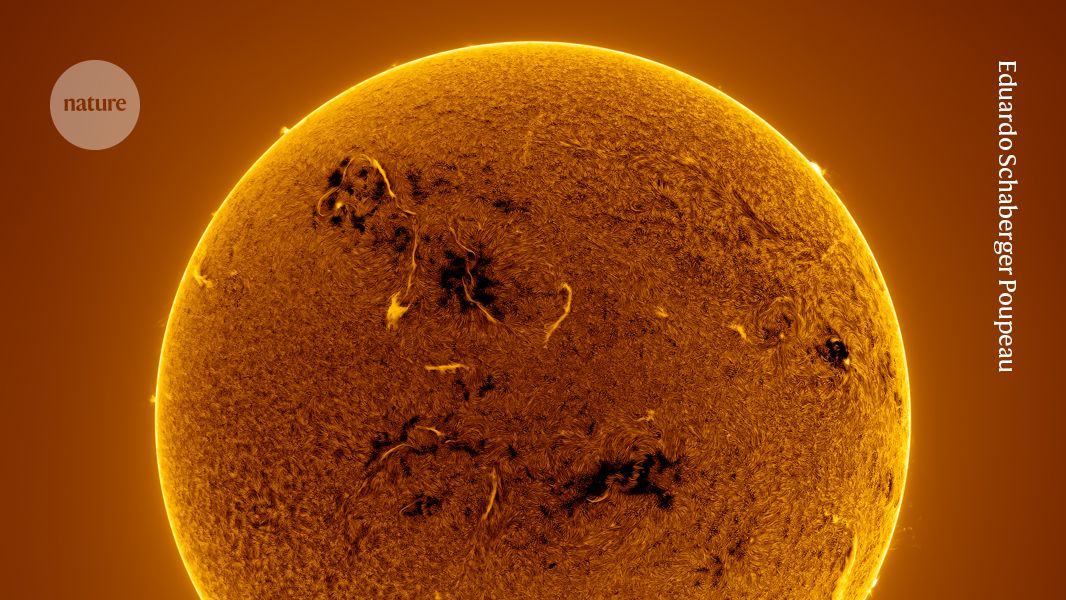
February's best science images include a giant plume of plasma on the Sun's surface, artificial seagrass to save seahorses, dental-pulp stem cells with potential for regenerative medicine, NASA's retired space shuttle Endeavour prepared for permanent display, ocean scientists discovering new species and seamounts, record rain in California, tracking endangered horseshoe crabs in Hong Kong, and a robot capable of opening almost any door.
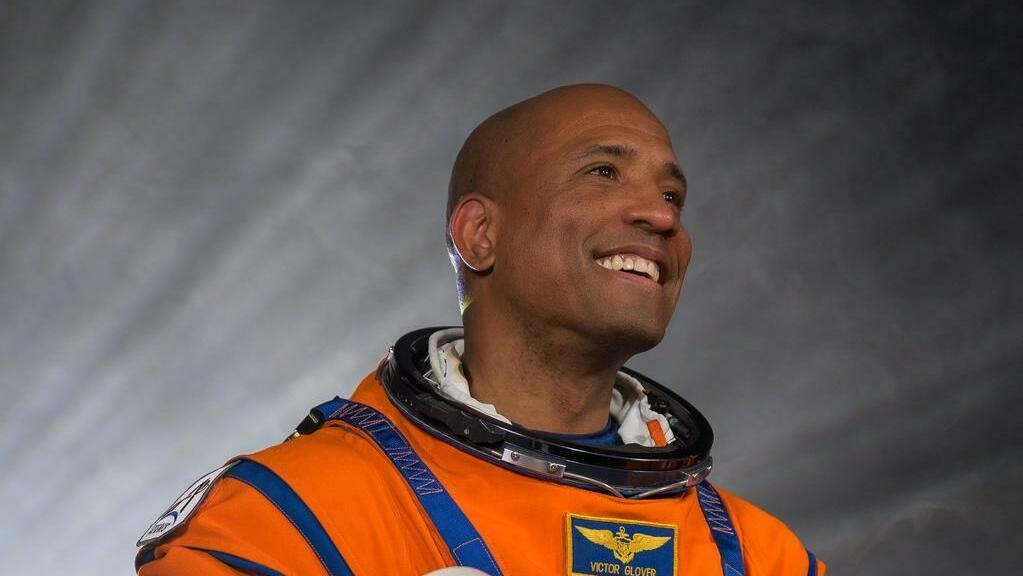
Victor Glover, a Navy captain and the first African American to have spent extended time on the International Space Station, will pilot the Artemis II mission, becoming the first human to visit the moon in over 50 years. His journey from a childhood dream of space travel to becoming an astronaut involved a diverse background in sports, academics, and military service. Despite the historic nature of his upcoming mission, Glover remains humble and focused on his role as a mentor and a dedicated member of his crew.
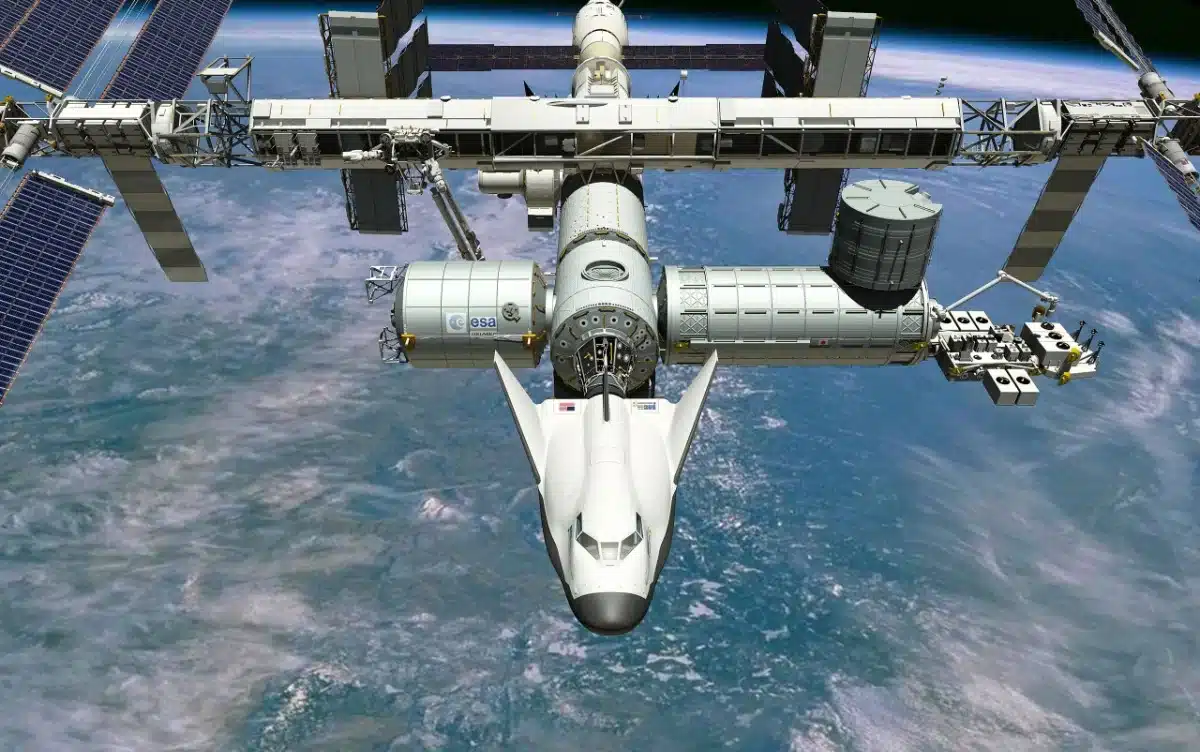
NASA's new space shuttle, the Dream Chaser, developed by Sierra Nevada Space Systems, takes off like a rocket and lands softly, resembling a feather on a pillow. With plans for low-Earth orbit missions and potential future use for cargo delivery to the International Space Station, the reusable spacecraft marks a significant advancement in space travel technology, with a potential for manned missions in the future.
The Columbia STS-107 mission ended in tragedy when the space shuttle disintegrated upon reentering Earth's atmosphere, leading to the deaths of all seven astronauts on board. An investigation revealed that a piece of insulating foam had damaged the shuttle's thermal protection system during launch, making the reentry fatal. The crew likely lost consciousness within seconds as the shuttle disintegrated, and despite their efforts to regain control, the accident was not survivable. This tragedy led to significant changes in NASA's approach to spacecraft construction, space travel, and astronaut training.