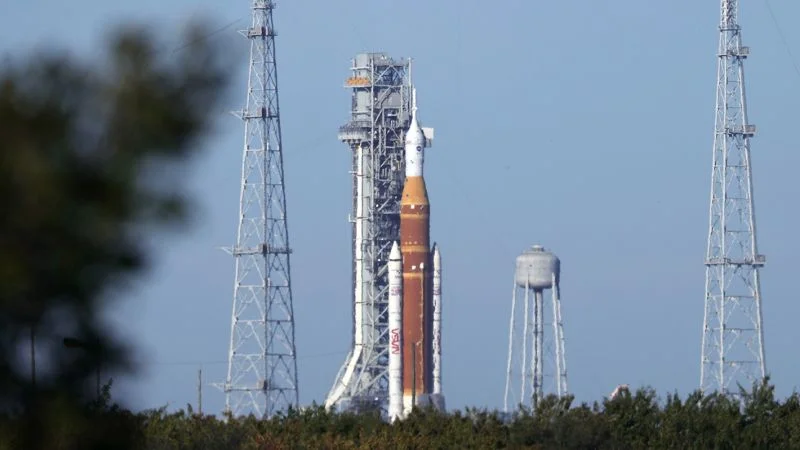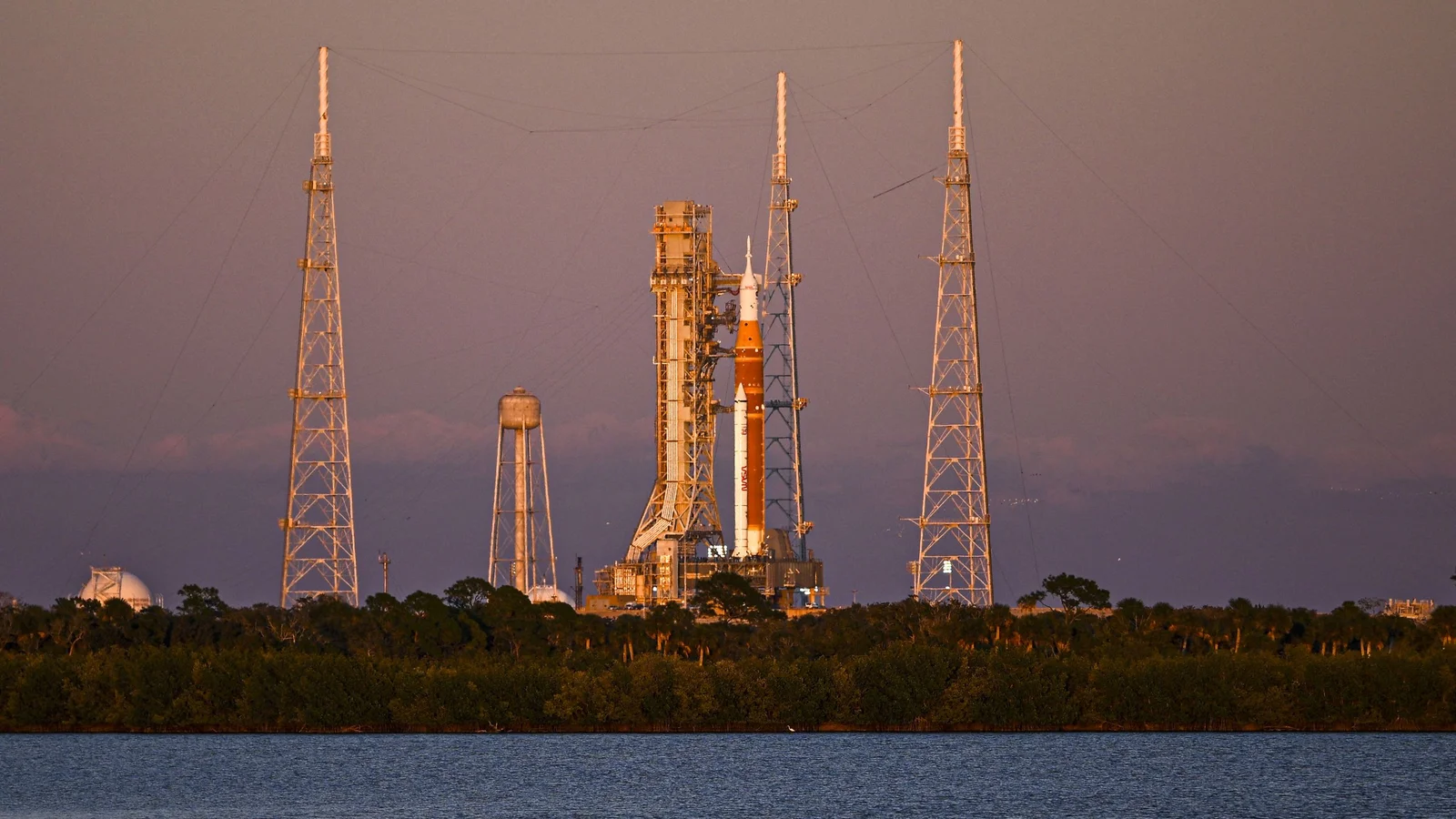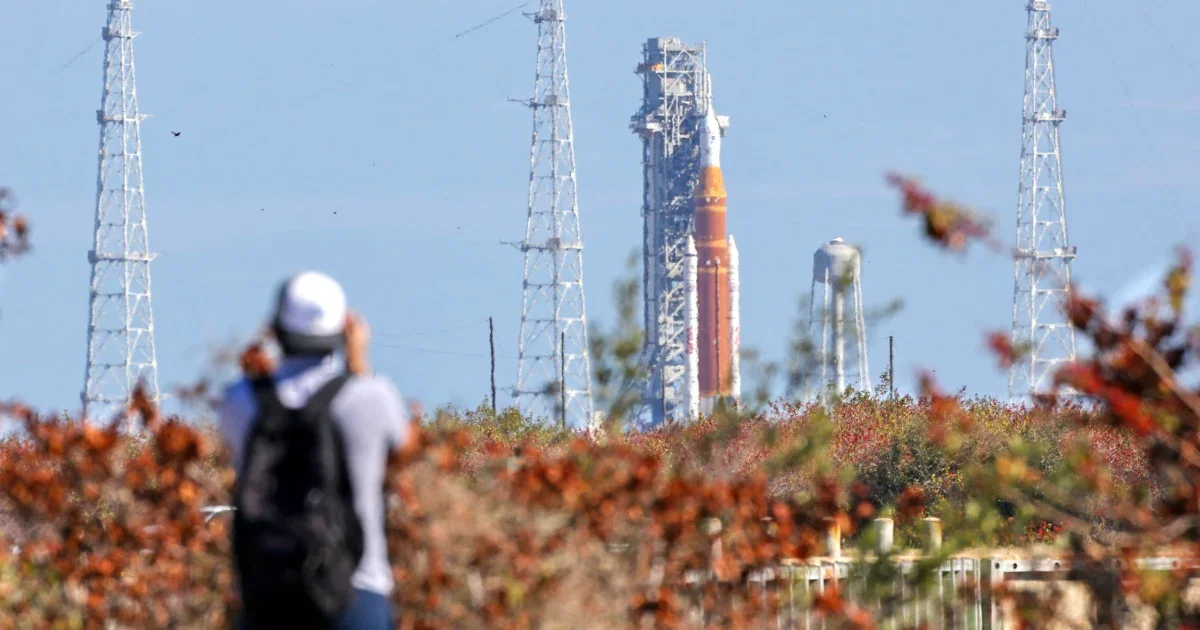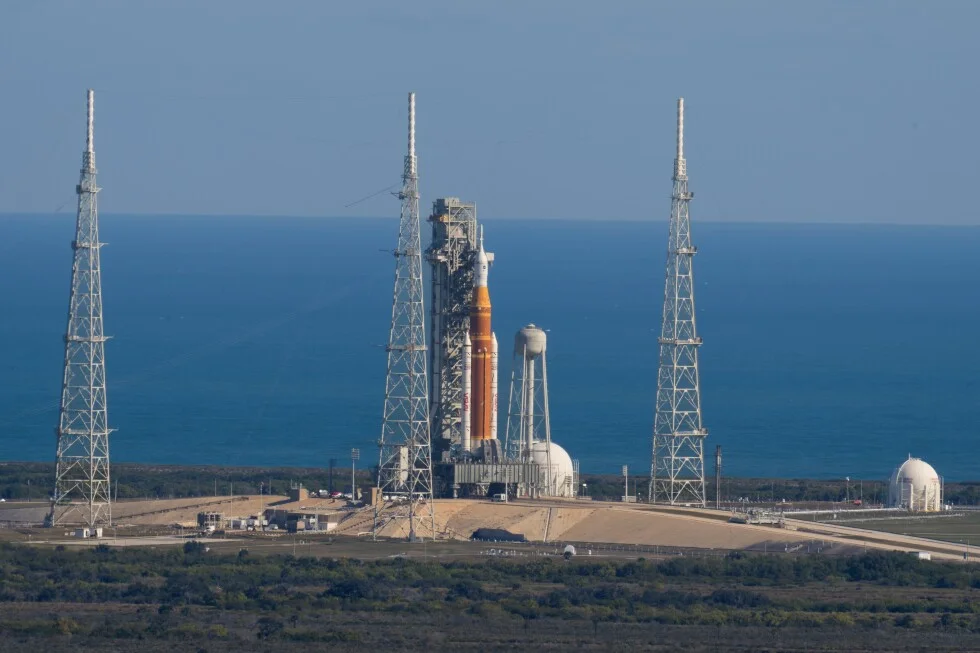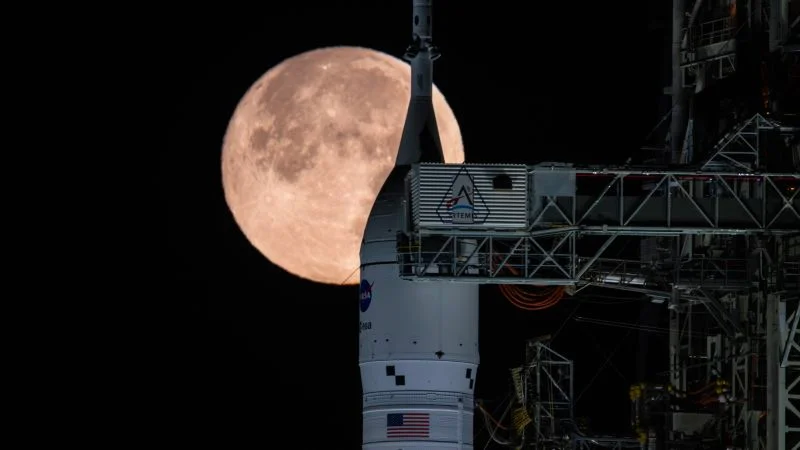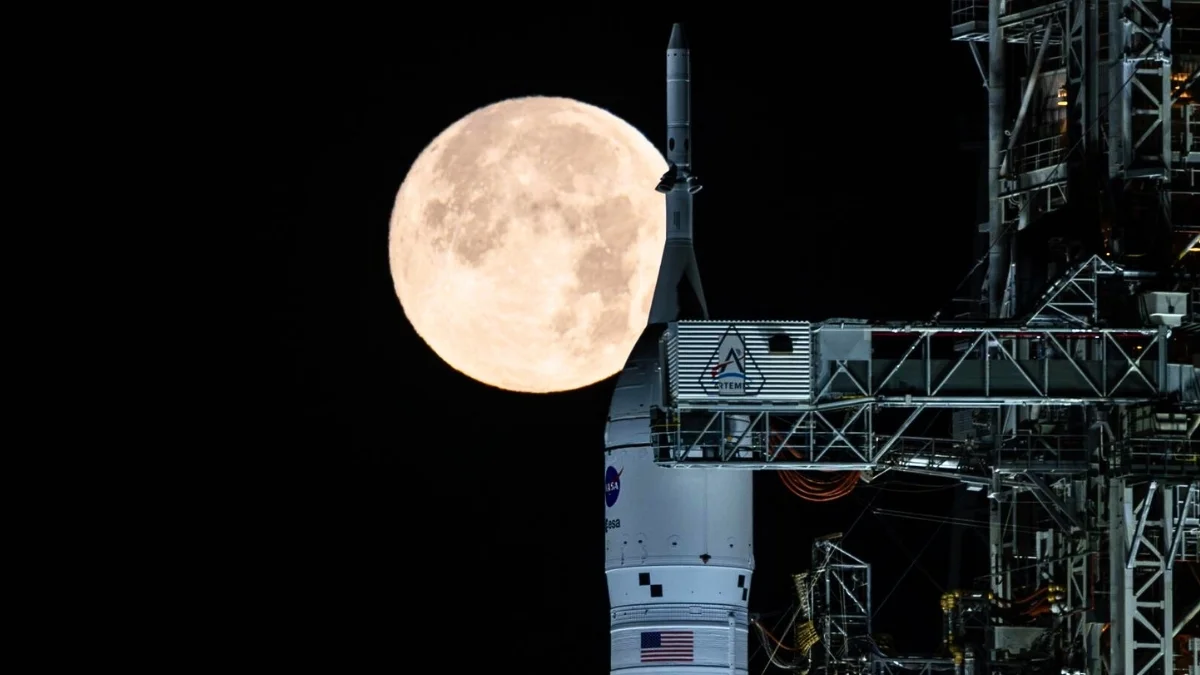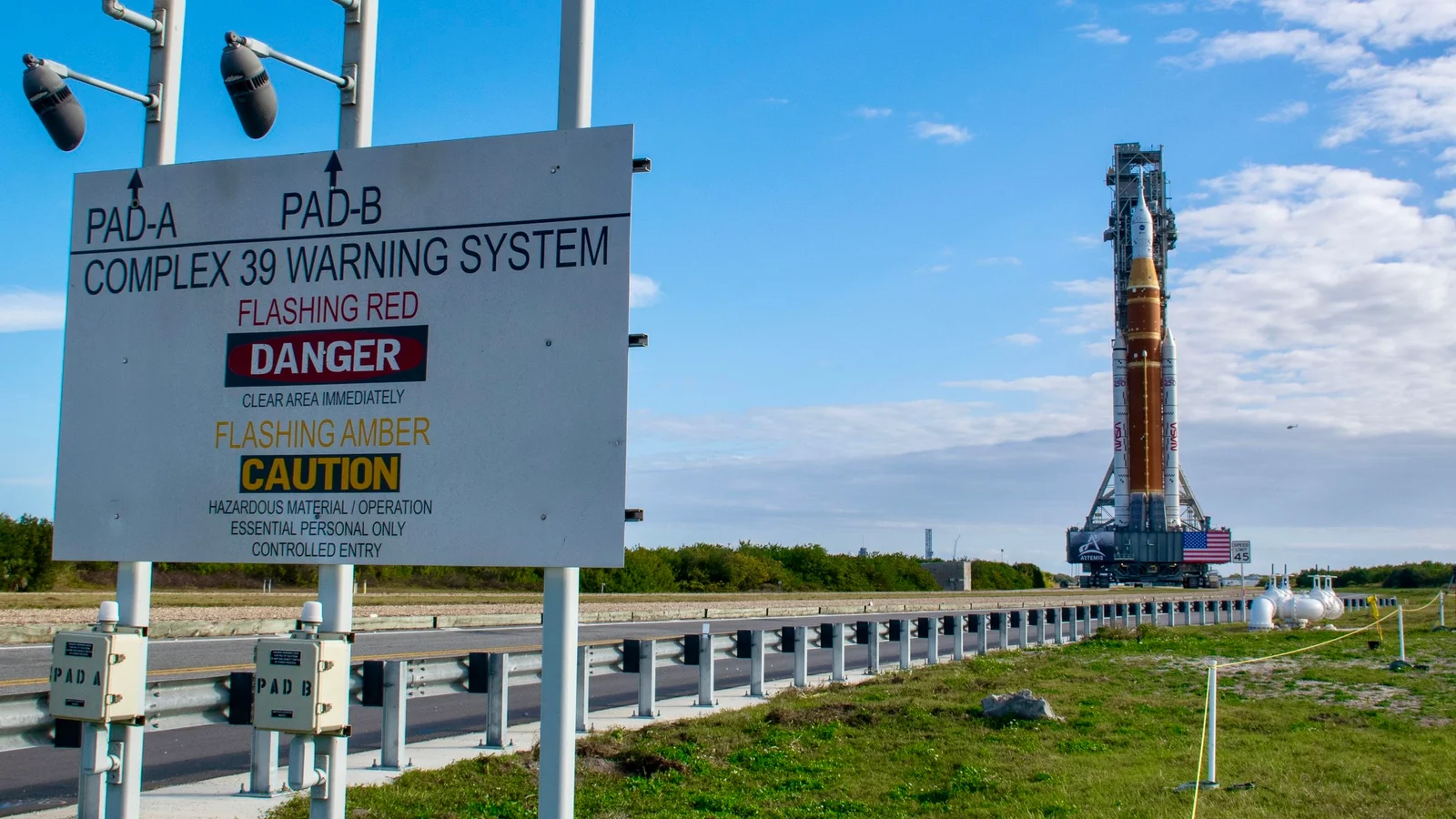
The US Congress has rejected most proposed cuts to NASA's budget, restoring it to nearly previous levels, and has also maintained support for the Space Launch System and Artemis missions, though some budget reductions remain. The fate of the Space Shuttle Discovery's relocation to Houston is still uncertain, with discussions ongoing about the logistics and safety of the move.
NASA has begun assembling the SLS rocket for the Artemis III lunar landing mission planned for 2027, aiming for a landing at the lunar South Pole, with potential delays and uncertainties due to budget issues and challenges with SpaceX's Starship tests.
President Trump's proposed NASA budget for 2026 cuts science funding and ends key Artemis program components, but a Senate amendment, led by Senator Cruz, adds over $10 billion to support Artemis IV and V, including funding for the SLS rockets, Gateway lunar station, and moving the Space Shuttle Discovery to Texas, aiming to sustain lunar and Mars exploration efforts despite overall budget cuts.
The U.S. Senate approved a $10 billion increase in NASA's Artemis program funding, supporting traditional aerospace contractors and the SLS rocket, despite criticism from Elon Musk and Jared Isaacman who favor reusable technology. The new funding contradicts previous plans to phase out the SLS, and includes allocations for lunar and Mars missions, as well as space station operations.
The U.S. Senate approved a $10 billion increase in NASA's Artemis program funding, supporting the continued use of the expendable Space Launch System despite criticism from Elon Musk and Jared Isaacman, signaling a commitment to legacy aerospace contractors and a departure from earlier plans to phase out certain systems.
Senator Ted Cruz proposed adding nearly $10 billion to support NASA's space exploration programs, including funding for the Space Launch System, Artemis missions, Mars exploration, and infrastructure improvements, amidst ongoing debates over the administration's budget and legislative support.
President Trump's 2025 budget proposal significantly cuts NASA's funding, phasing out the SLS and Orion programs managed from Huntsville, Alabama, in favor of private industry and Mars-focused technologies, raising concerns about future lunar missions and the local economy.
NASA has released a unique holiday fireplace video featuring the Space Launch System's rocket engines and boosters, offering a space-themed alternative to traditional crackling log videos. The 8-hour looping video, derived from the Artemis 1 launch to the Moon in November 2022, showcases the combustion of liquid hydrogen and oxygen, providing a modern twist to holiday traditions. This video invites viewers to reflect on humanity's space exploration while enjoying holiday festivities.
A study by Brigham Young University scientists has revealed the true sound levels of SpaceX's Starship, showing it is significantly louder than NASA's Space Launch System (SLS) and Falcon 9 rockets. The research, conducted during Starship's fifth flight test, found discrepancies between actual sound levels and those predicted by the FAA's Environmental Assessment. The study highlights the intense noise produced by Starship's 33 Raptor engines and the sonic booms during landing, emphasizing the need for improved noise prediction models and further data collection as SpaceX plans to increase its launch frequency.
NASA's Space Launch System (SLS) rocket, intended for future Moon missions, faces potential cancellation due to budget overruns, delays, and safety concerns. Insider sources suggest a 50-50 chance of the program being scrapped, as the non-reusable rocket has become a financial and logistical burden. Alternatives, such as using SpaceX's Falcon Heavy, are being considered, but no decisions have been made yet.
Boeing and NASA are finalizing new production facilities at Kennedy Space Center to deliver the next two Space Launch System (SLS) core stages by 2026. The facilities, including the Vehicle Assembly Building, will support the assembly of the Artemis III and IV missions. Despite delays due to Hurricane Milton and equipment issues, Boeing is progressing with the integration of core stage components. The expansion aims to streamline production and address challenges with existing Shuttle-derived hardware, as NASA studies future contract options for SLS production.
NASA has rolled out the second core stage for the Space Launch System (SLS) rocket at the Michoud Assembly Facility for transport to the Kennedy Space Center in preparation for the Artemis 2 mission, scheduled for no earlier than September 2025. The core stage will undergo additional outfitting at KSC before being integrated with other components. Boeing, the prime contractor, noted improvements in the assembly process and plans for further efficiencies in future stages.
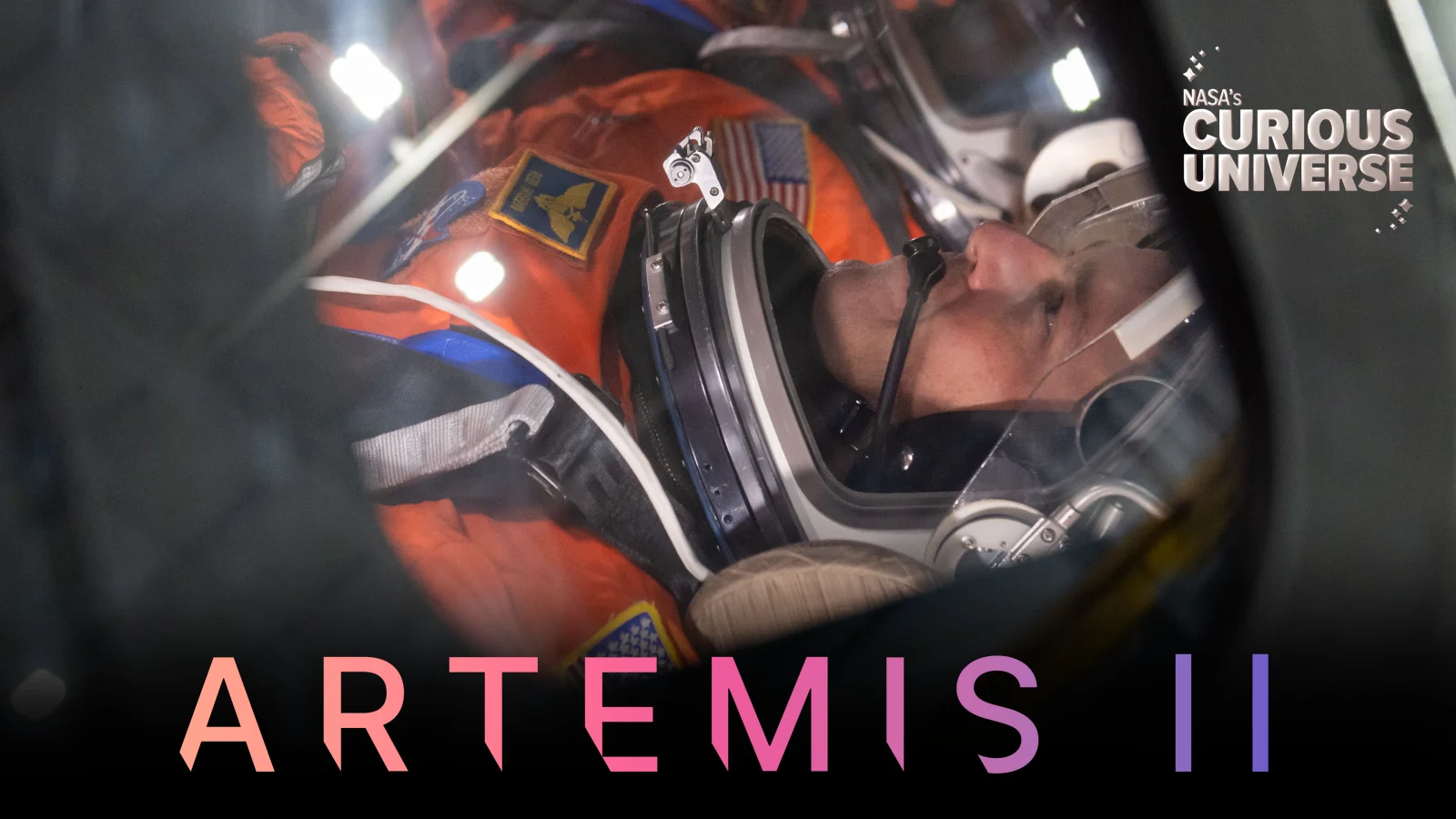
NASA has rolled out the core stage of the Artemis 2 Space Launch System (SLS) rocket from its Michoud Assembly Facility in New Orleans, marking a significant milestone in the mission to send astronauts around the moon in 2025. The 212-foot booster will be transported to the Kennedy Space Center for further assembly. Artemis 2 will be the first crewed lunar mission since the 1970s, featuring a diverse crew and aiming to establish a permanent lunar presence as a precursor to future Mars missions.
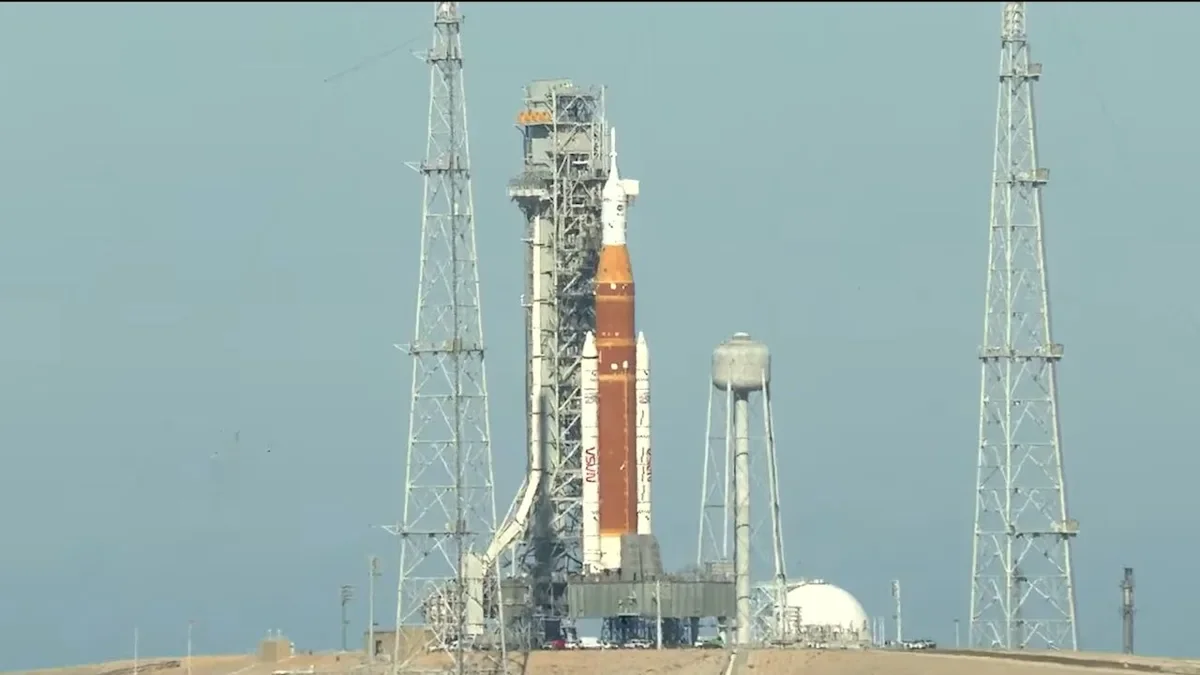
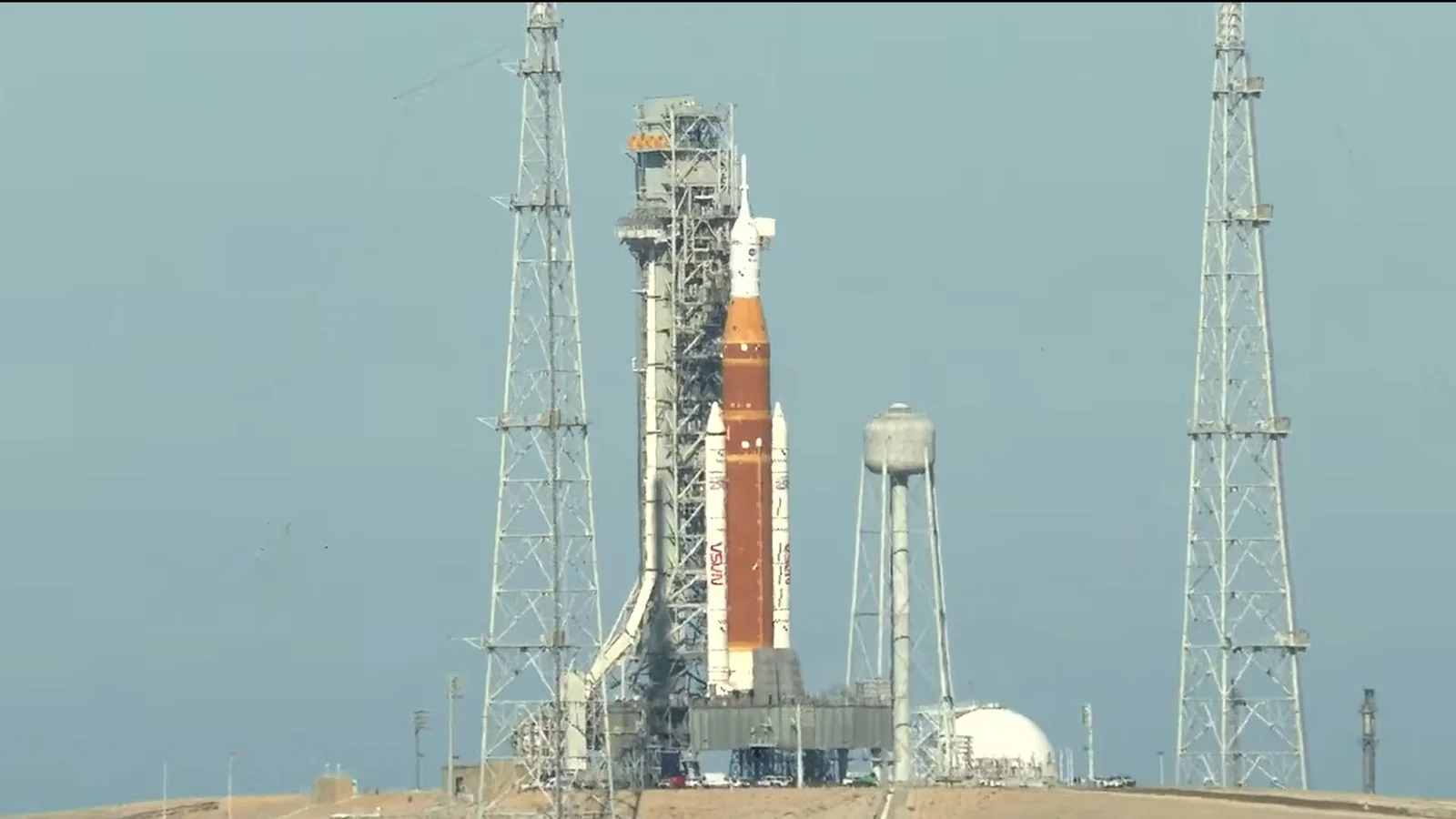
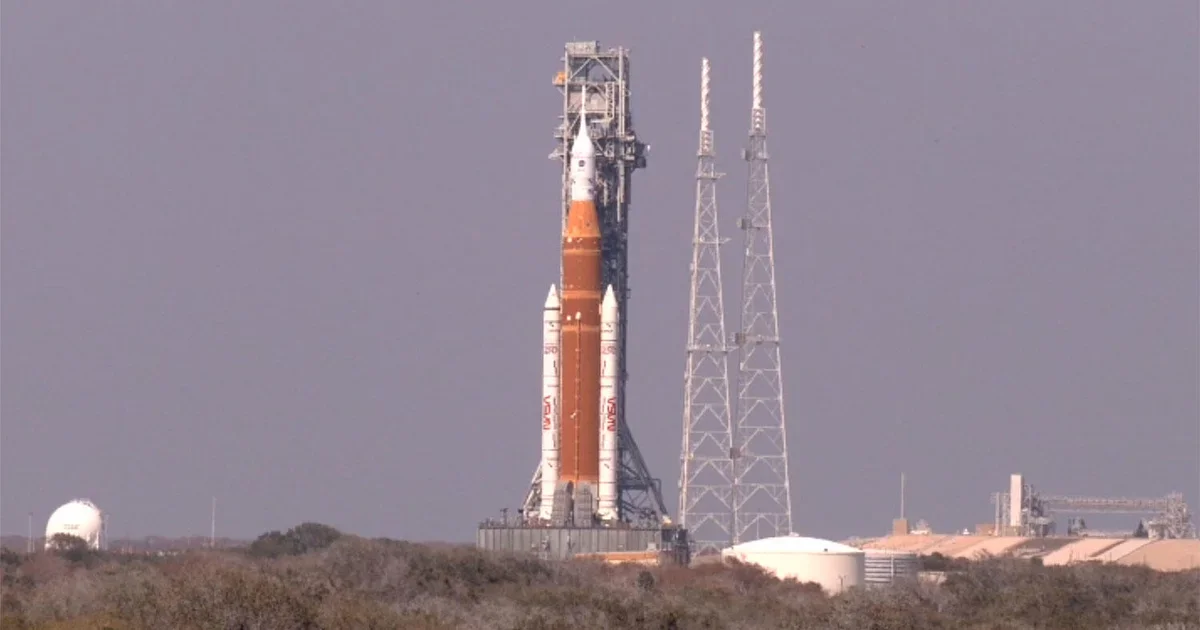
NASA has revived its iconic "worm" logo for the upcoming Artemis II mission to the moon, marking the return of the bold red letters that represent the agency. The logo, originally designed in the 1970s, has been applied to the rocket boosters and the Orion spacecraft's crew module for the mission. The "worm" logo replaces the original "meatball" logo and is considered a symbol of mankind's interplanetary ambitions. The mission is scheduled to put humans back into lunar orbit in 2025, with a return to the lunar surface planned for 2026.
NASA is reviving its historic worm logo by painting it on the Space Launch System's solid rocket boosters for the Artemis II mission, marking the agency's first crew-bearing rocket sent to the moon in decades. The logo, originally created in 1975, features bold, minimalist worm-like letters and will also appear on the Orion spacecraft's crew module adapter. The Artemis II mission, scheduled for September 2025, will involve a crew of astronauts traveling around the Moon to confirm spacecraft systems in a real deep space environment, paving the way for future missions, including the historic first woman and first person of color to walk on the Moon's surface.