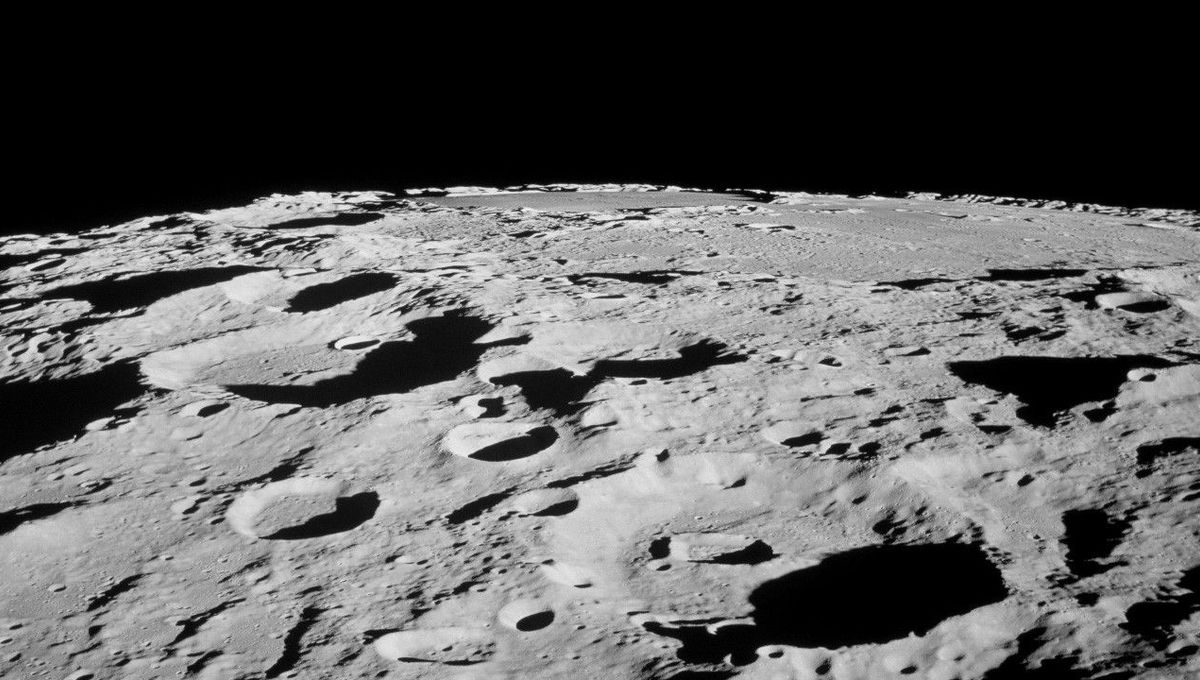
Astronomers in Ireland detected a rare, brief flash on the Moon caused by a small object, possibly linked to the Geminid meteor shower and asteroid 3200 Phaethon, highlighting ongoing lunar impacts during meteor showers.
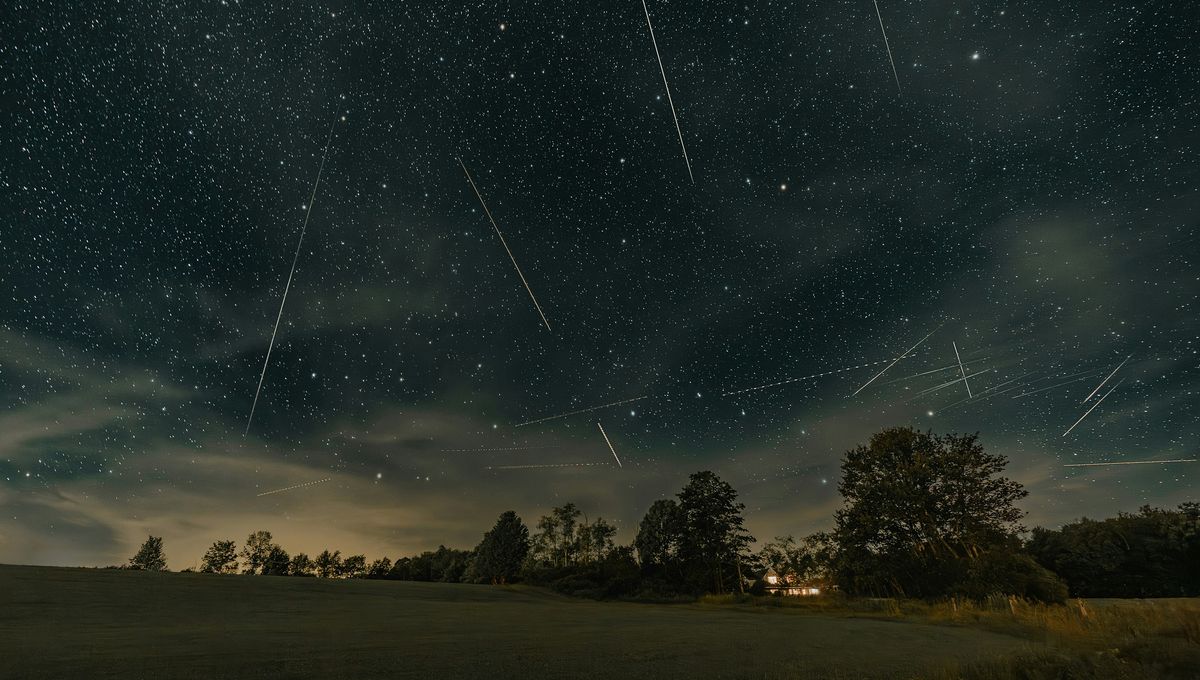
The Chi Cygnids, a newly discovered meteor shower occurring every five years, is expected to peak between September 13 and 15, offering a rare celestial display with a few shooting stars visible per hour, most prominent in the evening sky from the constellation Cygnus, although it is less bright than other famous showers.
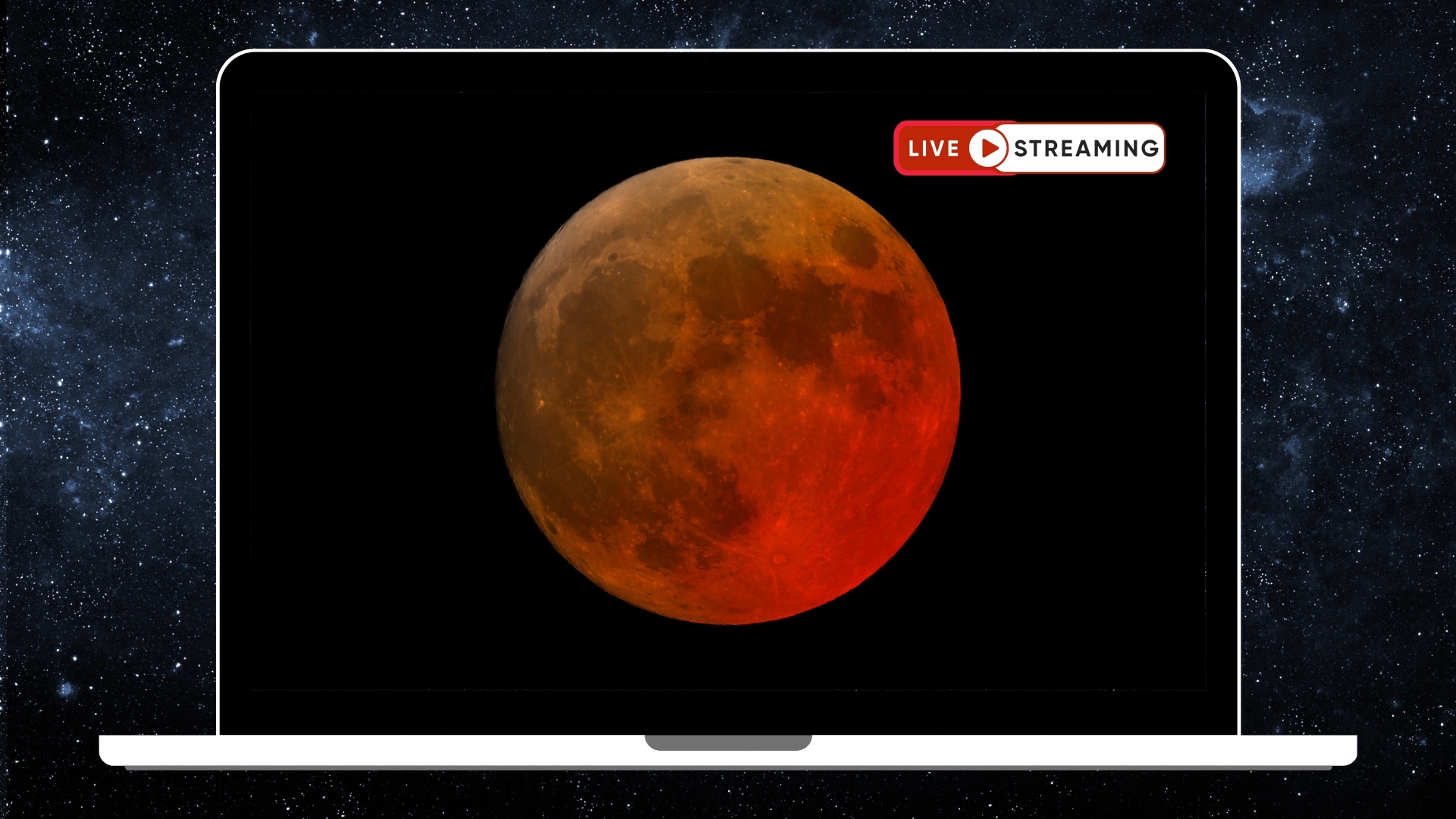
The blood moon total lunar eclipse will occur on September 7-8, and multiple free online livestreams will allow viewers worldwide to watch the event live, including from Italy and Cyprus, regardless of weather conditions or location.
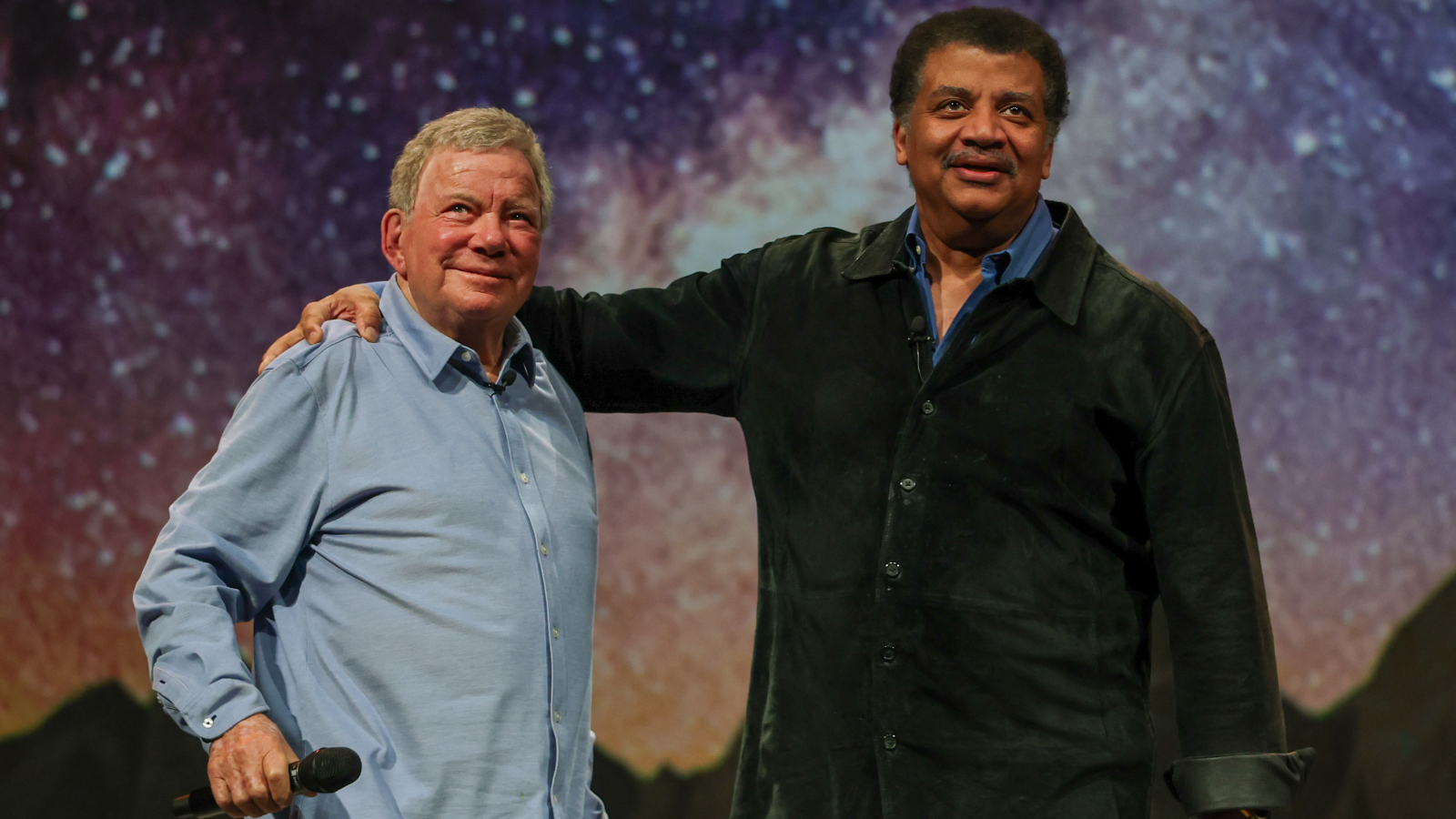
William Shatner and Neil deGrasse Tyson hosted a lively space-themed event in Seattle, blending humor, personal stories, and discussions on space exploration, including topics like Pluto's classification and Earth's fragility, highlighting their bromance and shared passion for the cosmos.
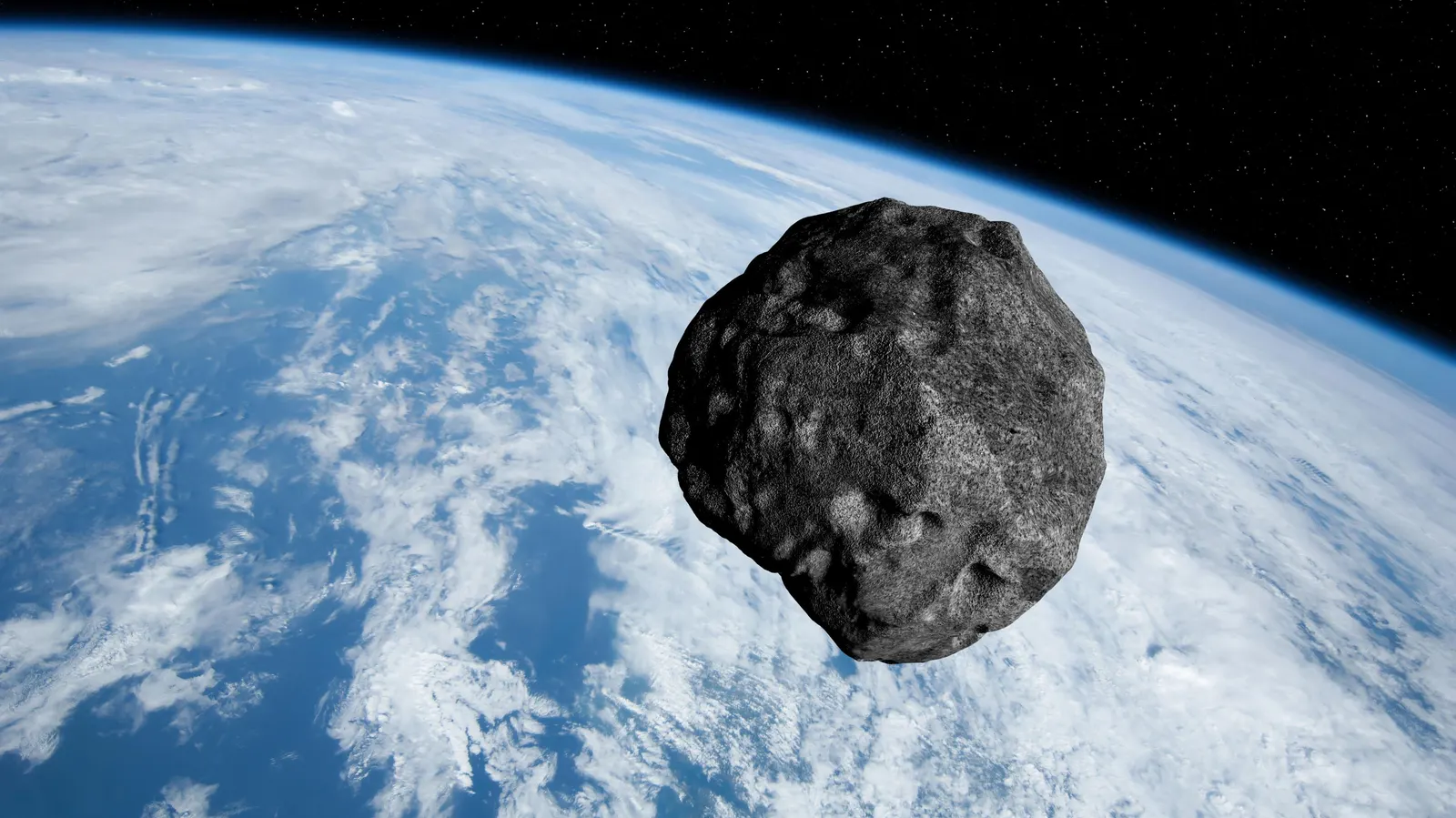
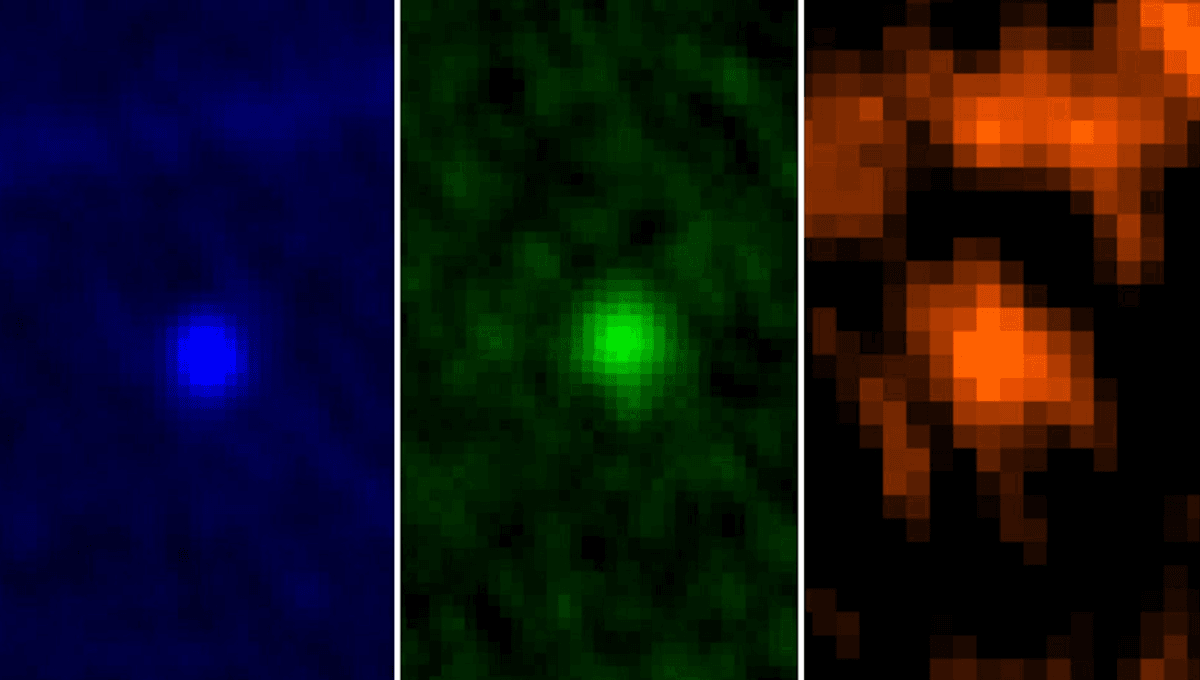
An asteroid larger than the Golden Gate Bridge, 2008 DG5, will pass safely by Earth on June 5, 2025, at a distance of 2.17 million miles, posing no threat despite its size, which places it in the top 3% of asteroids and classifies it as potentially hazardous.
The asteroid 99942 Apophis will make a close flyby of Earth in 2029, coming within 32,000 kilometers of the surface, an event that occurs once every 5,000 to 10,000 years. NASA and ESA plan to study the asteroid during this rare event to learn more about planetary defense and the asteroid's composition. Despite its proximity, Apophis poses no threat to Earth.
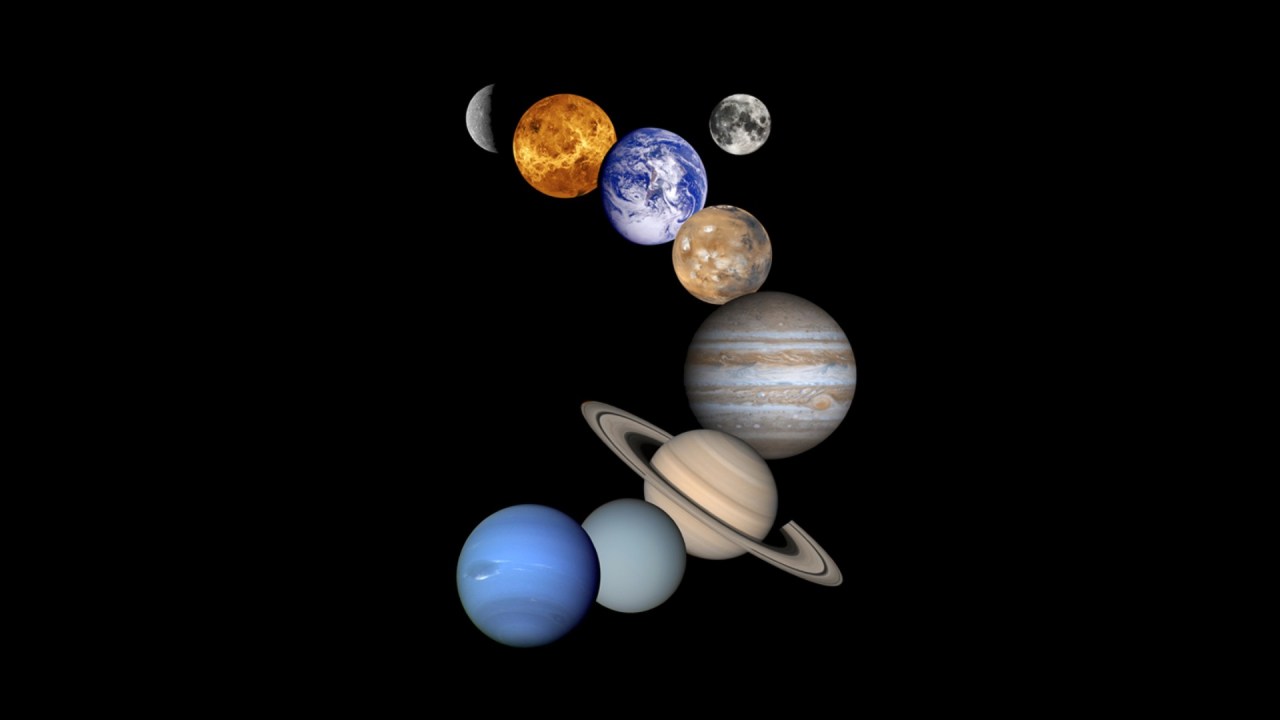
Five planets, Jupiter, Mercury, Venus, Uranus, and Mars, will be visible in the night sky in Colorado on Tuesday evening just after sunset for about 30 minutes. The event is rare and can be seen by looking towards the west.