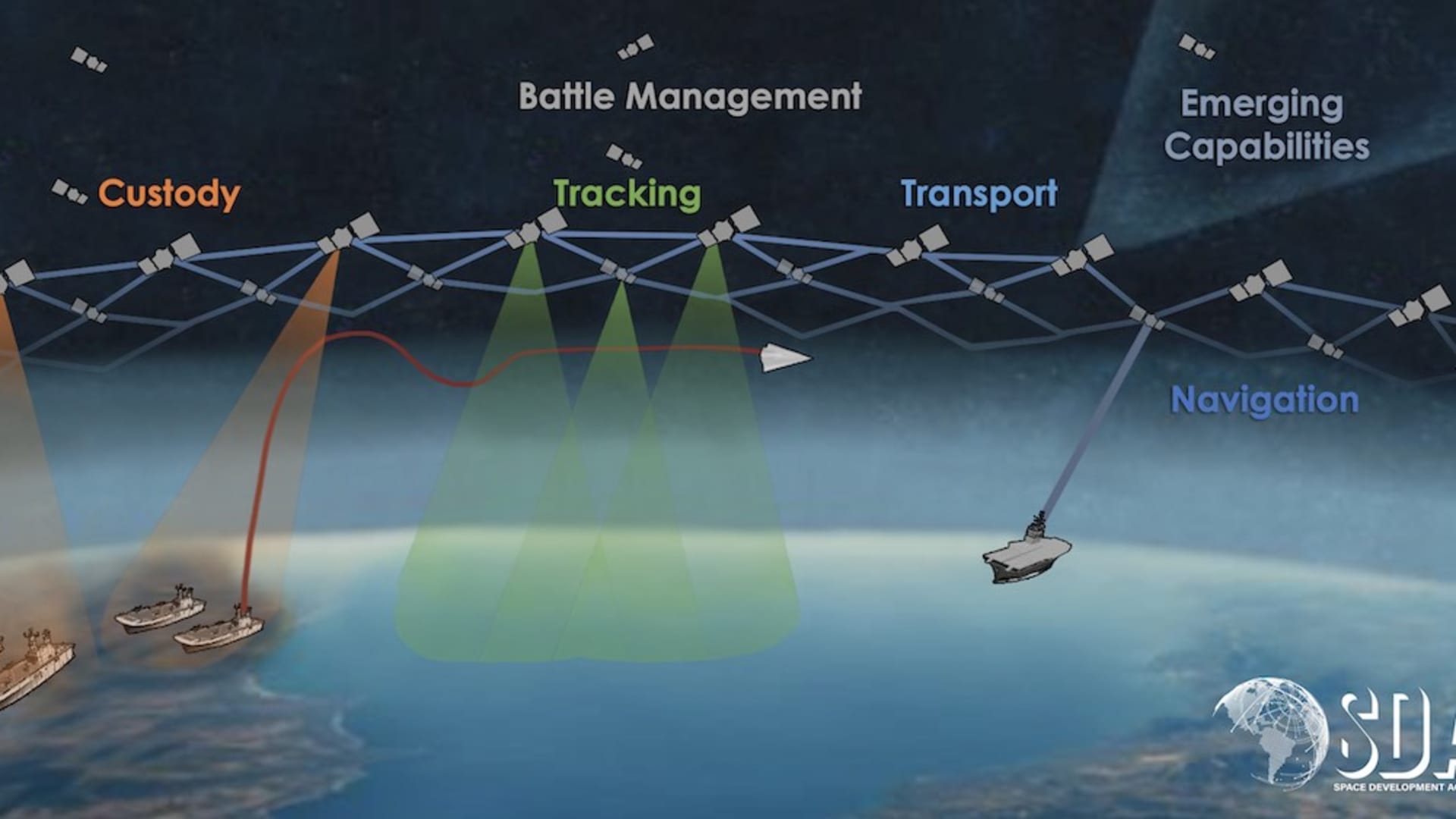
SpaceX's Falcon 9 was scheduled to launch 21 satellites for the Space Development Agency's Tranche 1 Transport Layer, part of the Proliferated Warfighter Space Architecture, to enhance military capabilities in the Indo-Pacific region, with the launch postponed due to weather and rescheduled for October 15.
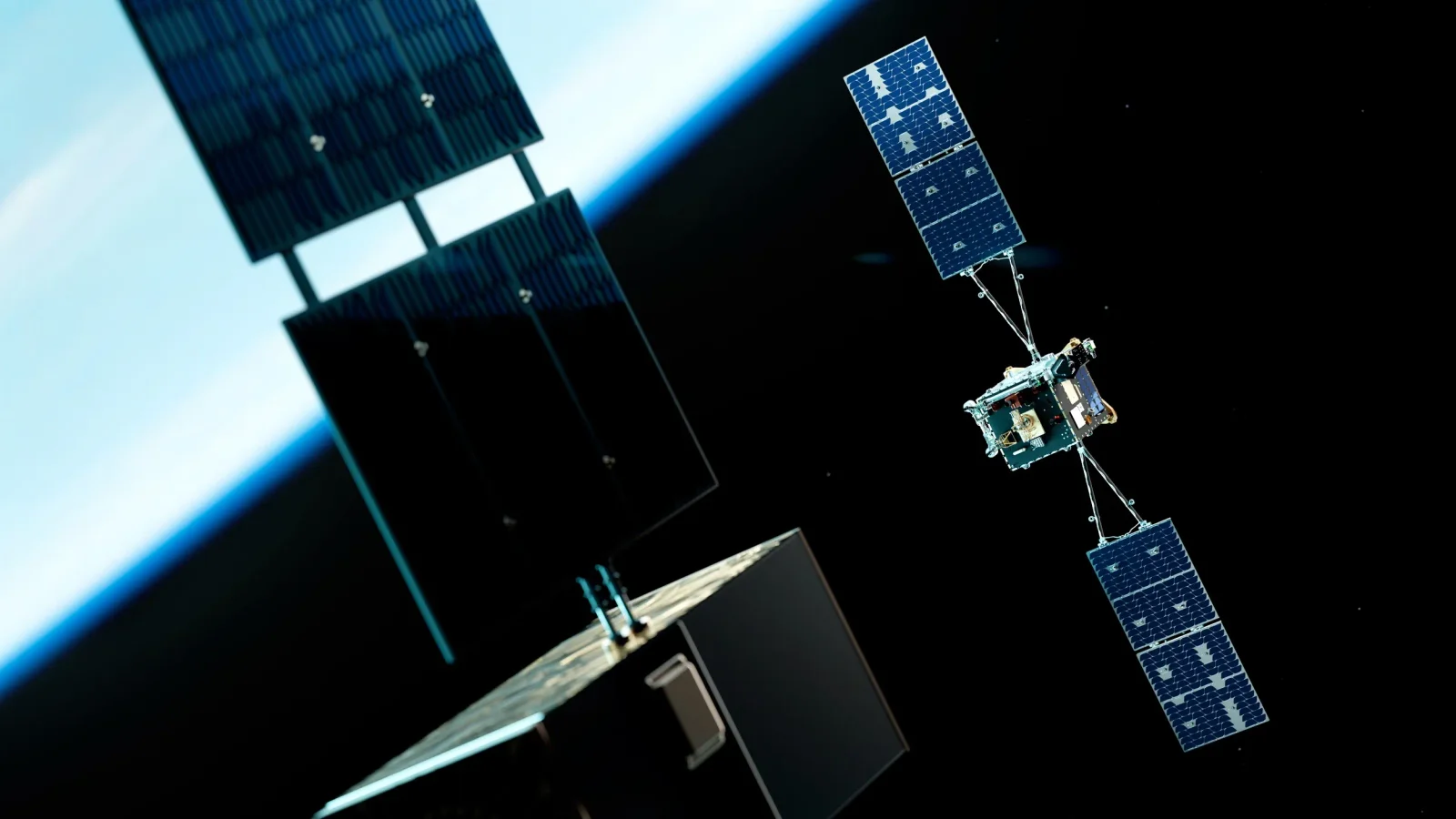
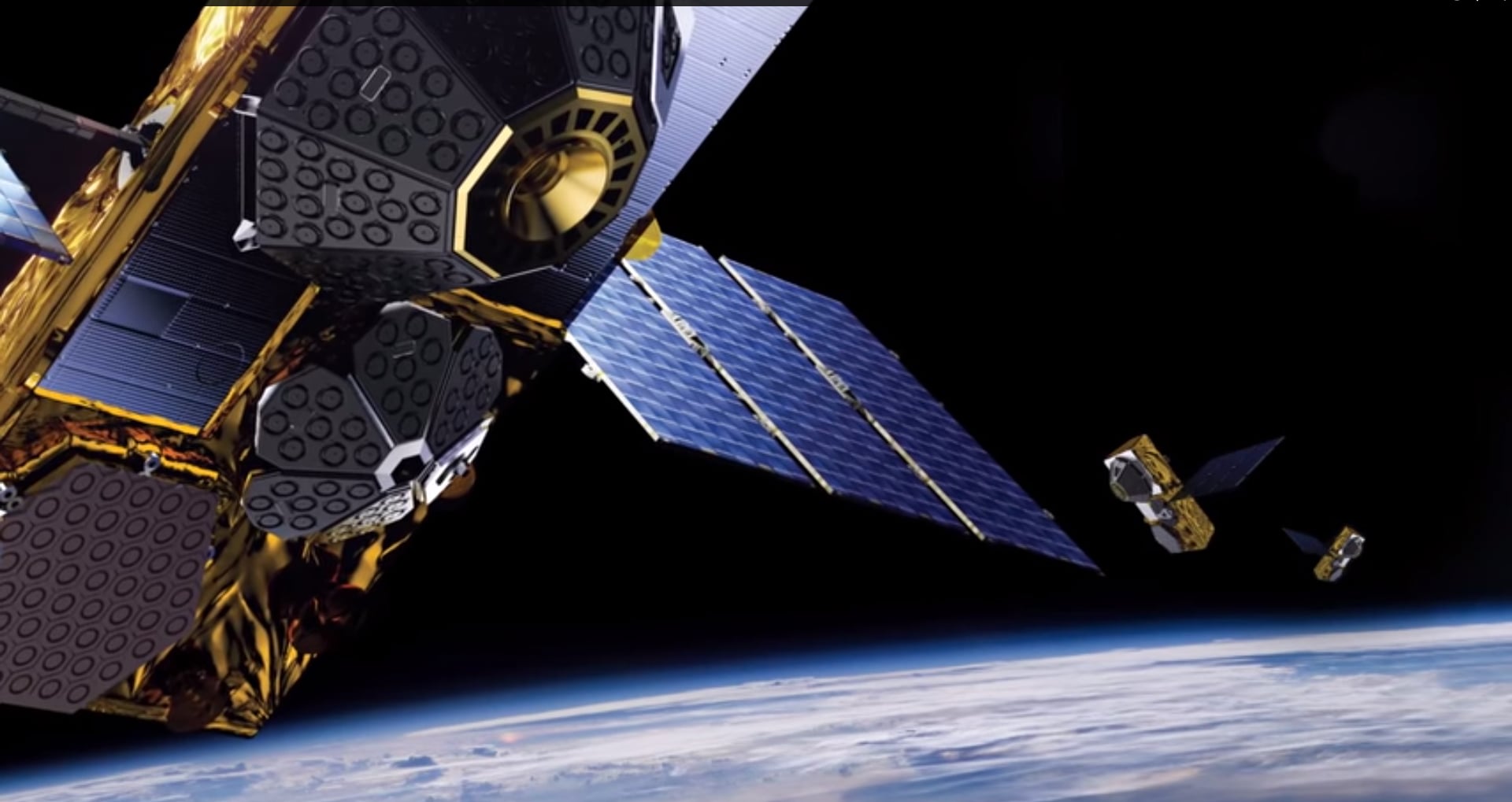
Lockheed Martin has delivered 21 satellites for the U.S. Space Development Agency's Transport Layer Tranche 1 program, which aims to build a global military communication and missile defense mesh network in low Earth orbit, with additional launches and satellite development planned.
The GAO report highlights ongoing supply chain problems, particularly with optical communication terminals, that are delaying the deployment of the Pentagon's mega-constellation under the Proliferated Warfighter Space Architecture (PWSA). Despite efforts to address these issues and improve development strategies, concerns remain about the readiness and testing of satellite tranches, which could impact the program's schedule and effectiveness.
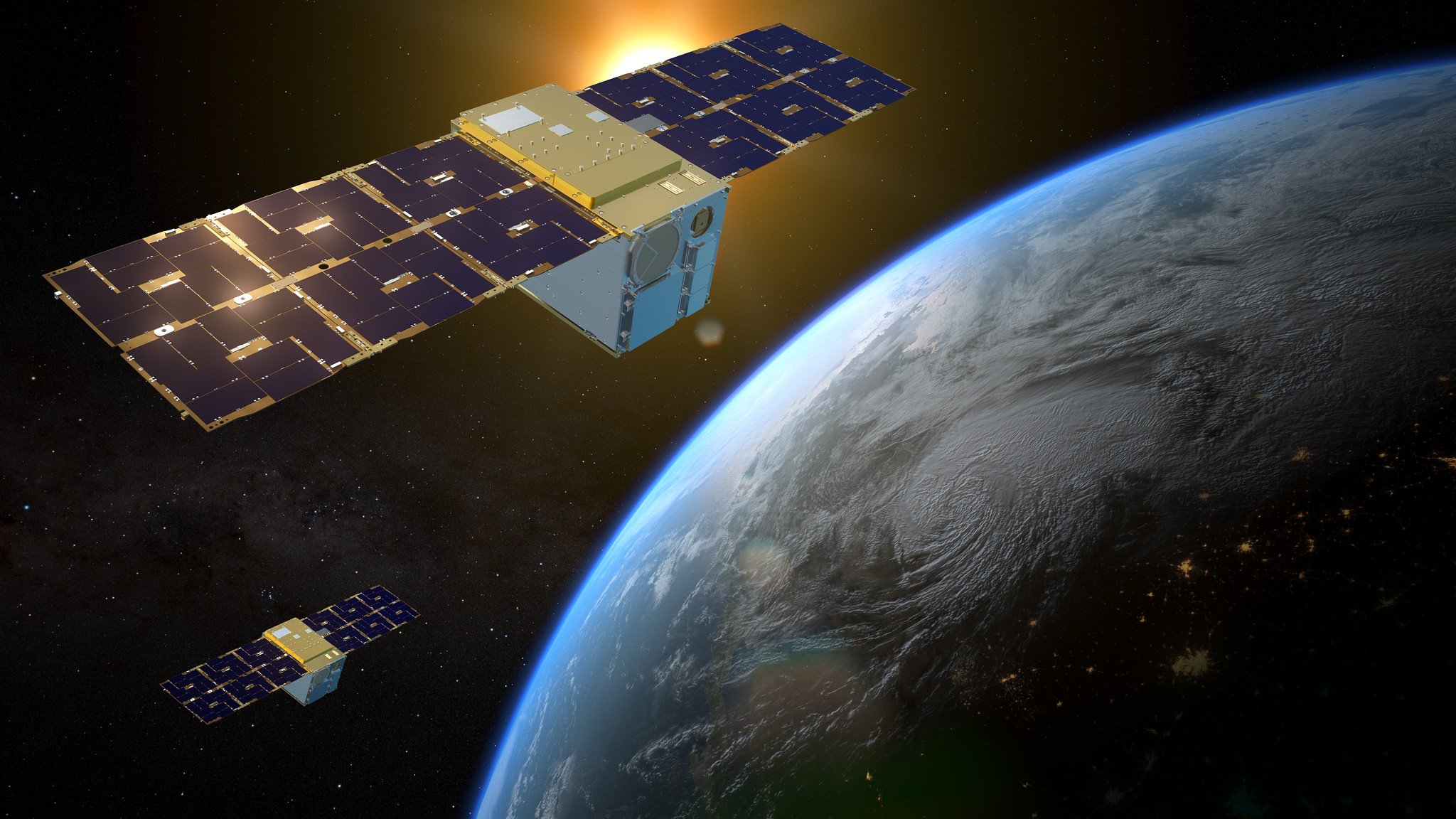
Lockheed Martin is seeing a surge in demand for small satellites, with a backlog of 100 orders from Department of Defense and intelligence customers. The company has shifted focus to small satellites, particularly in pursuit of Space Development Agency contracts, and has opened a new smallsat assembly facility near Denver, Colorado. Lockheed Martin is funding its own space missions to demonstrate technologies for potential government purchase, with upcoming tech demos including a satellite-servicing mission and an antenna experiment. The next experiment, Pony Express 2, will launch on SpaceX's Transporter 10 smallsat rideshare and demonstrate new technologies such as open standards mesh networking and autonomous tasking of satellites.
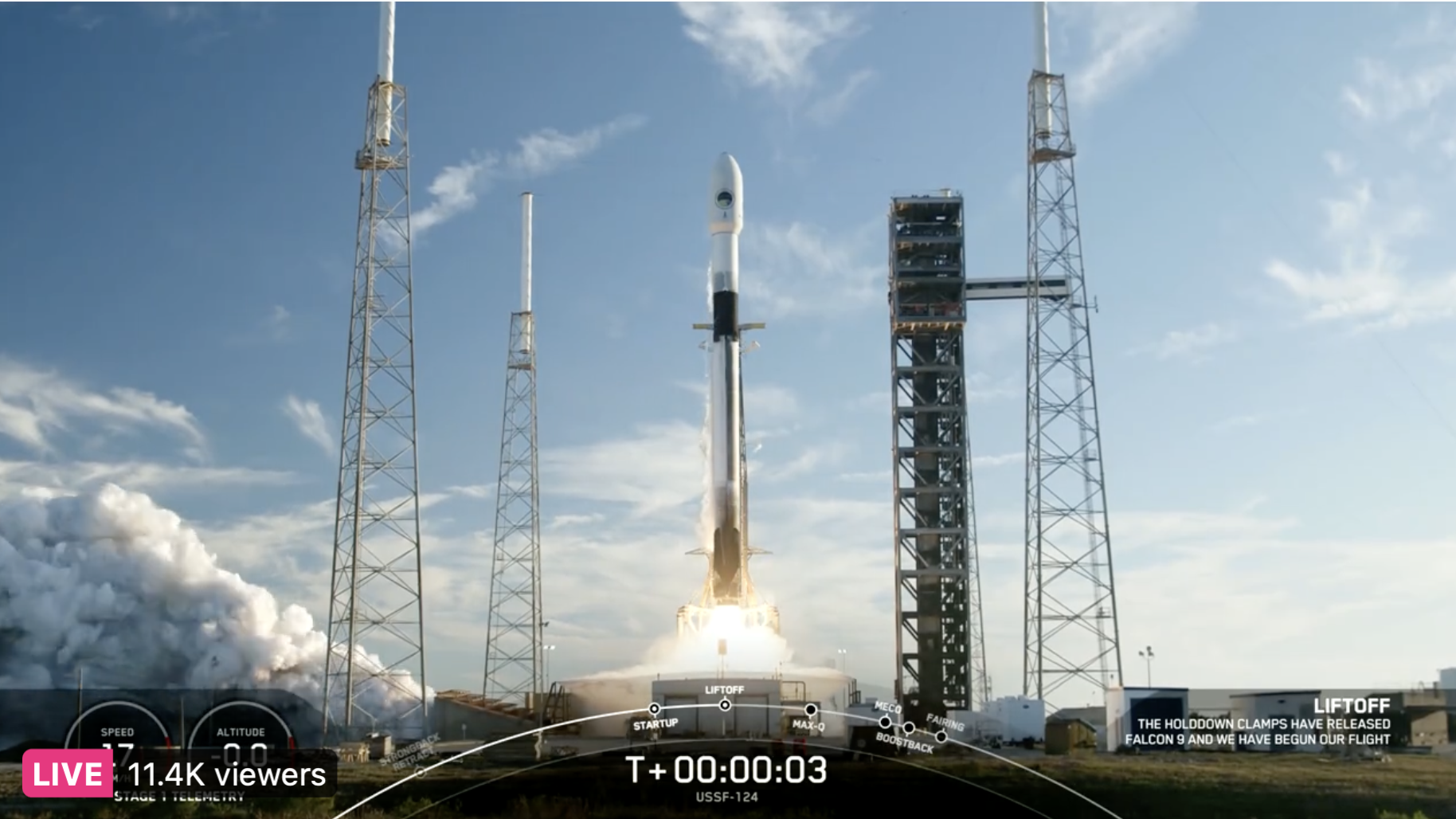
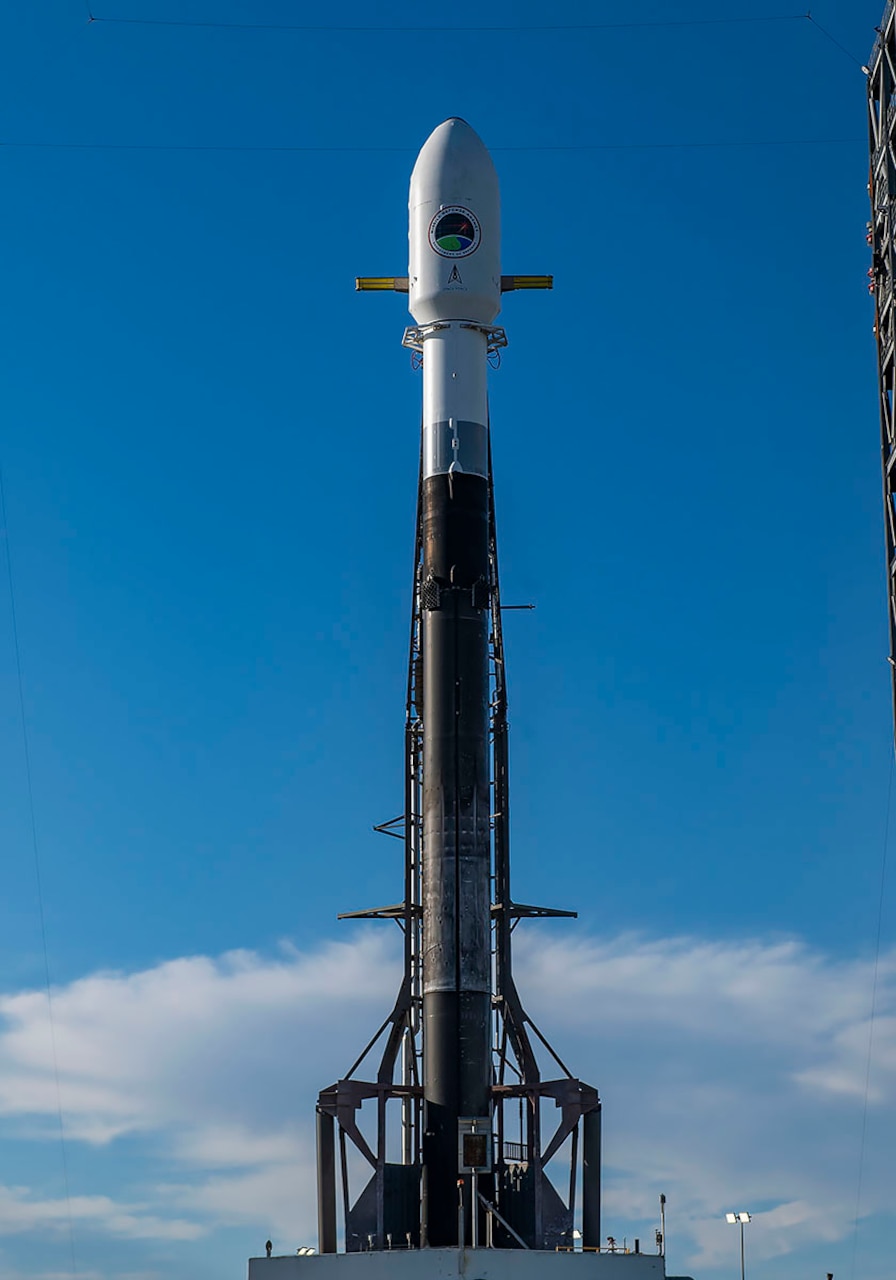
SpaceX successfully launched the USSF-124 mission, deploying six classified U.S. military satellites, including two for the Missile Defense Agency and four for the Space Development Agency. The satellites are part of programs aimed at tracking hypersonic and ballistic missiles, with L3Harris and Northrop Grumman providing the satellite payloads. This launch represents a significant milestone for L3Harris, marking its first prime contractor role in a missile-defense mission.
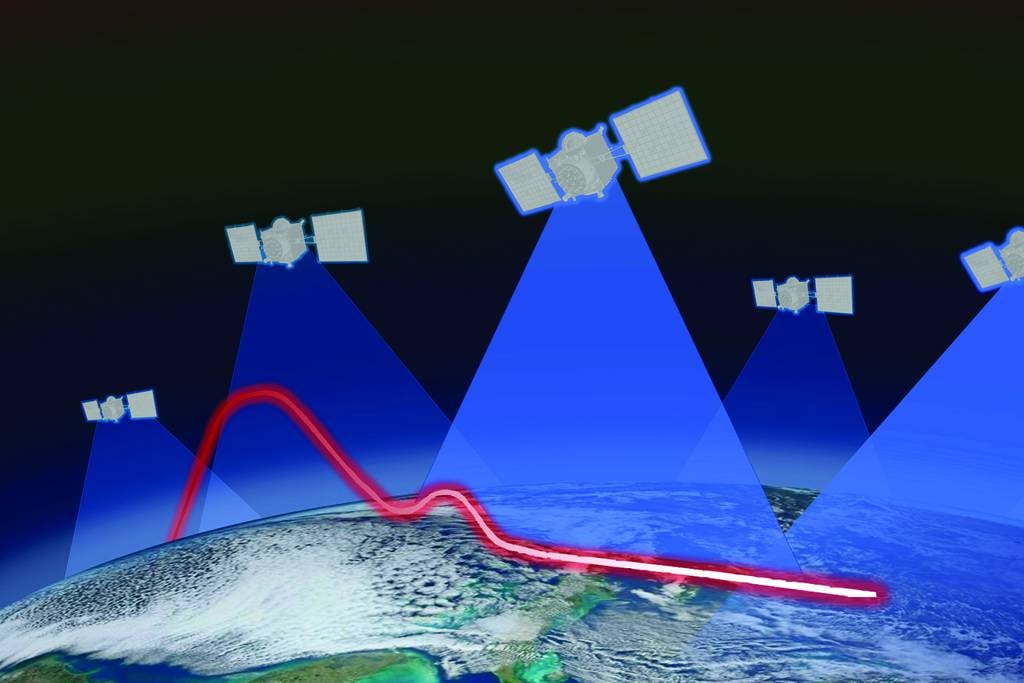
The Pentagon, in collaboration with SpaceX, has launched six satellites to enhance its missile tracking capabilities, with four satellites supporting the Space Development Agency's tracking constellation and two being part of the Missile Defense Agency's Hypersonic and Ballistic Tracking Space Sensor program. These satellites, residing in low Earth orbit, aim to detect and track traditional ballistic missiles and maneuvering hypersonic weapons, providing a more robust network to counter increasing threats from China and Russia. The Pentagon plans to invest nearly $16 billion in these efforts through fiscal 2028, with future tranches of SDA spacecraft combining capabilities and incorporating improved sensor technology.
The Missile Defense Agency (MDA) and Space Development Agency (SDA) are set to launch six satellites into low-Earth orbit, including two for MDA's Hypersonic and Ballistic Tracking Space Sensor (HBTSS) and four for SDA's Proliferated Warfighter Space Architecture (PWSA). The satellites will be delivered by SpaceX's Falcon 9 rocket and will provide critical data for missile warning, tracking, and defense, including the detection of hypersonic, ballistic, and other advanced threats. The launch represents a significant advancement in missile defense capabilities and will be followed by two years of on-orbit testing.
The Space Development Agency has awarded contracts to three companies to build 54 missile tracking satellites as part of its Tranche 2 Tracking Layer, with a total value of about $2.5 billion. These satellites will be used for space-based missile warning, tracking, and defense, and are set to be launched in April 2027. The agency aims to quickly field a constellation of hundreds of data transport and advanced missile tracking satellites to augment existing fleets and upgrade capabilities on a two-year cycle.
The Space Development Agency has awarded contracts worth $2.5 billion to L3Harris, Lockheed Martin, and Sierra Space to build and operate 54 satellites equipped with infrared sensors for tracking hypersonic missiles in low orbit. The satellites are part of the Tranche 2 Tracking Layer and are projected to launch in 2027. The contracts include incentives for on-time delivery, and the procurement is contingent on Congress passing a 2024 defense budget.
Rocket Lab has secured a $515 million contract from the Space Development Agency to design, manufacture, deliver, and operate 18 military satellites as part of the Proliferated Warfighter Space Architecture. Leveraging its vertically integrated supply chain, Rocket Lab will build the satellites and use its own subcomponents, with the bulk of the work to be carried out in the next three years. The company will operate the satellites through 2030, with an option to extend operations through 2033, and plans to continue making proposals on other initiatives beyond this contract.
The Space Development Agency has awarded Rocket Lab a $515 million contract to produce and operate 18 satellites for a low Earth orbit military satellite network, with a projected launch in mid-2027. These satellites will form part of the Proliferated Warfighter Space Architecture's Transport Layer, providing communications capabilities for military forces. Rocket Lab will lead the design, development, and production of the satellites, which will be based on the satellite buses the company is developing for Globalstar. This marks a significant milestone for Rocket Lab's satellite operations and signifies a shift towards commercially produced spacecraft for military use.
Defense contractor L3Harris has received approval from the Space Development Agency to begin production on 16 satellites designed to detect and monitor hypersonic missiles. These satellites, part of the Proliferated Warfighter Space Architecture, will form a resilient sensor platform to track the flight paths of hypersonic missiles, which are considered highly destabilizing weapons due to their maneuverability and varied launch points. The satellites are scheduled to launch in 2025, and L3Harris has already delivered four prototype tracking satellites under a previous contract.
The Pentagon's Space Development Agency (SDA) has awarded contracts worth $1.3 billion to Northrop Grumman and York Space to build 100 satellites for the Proliferated Warfighter Space Architecture. Northrop will build 38 "data transport" satellites, while York will build 62 satellites for encrypted communications. The SDA aims to launch the satellites in 2026 as part of its efforts to keep up with China's growing capabilities in space.
The Space Development Agency (SDA) has awarded Northrop Grumman a $732 million contract for 38 communications satellites as part of the U.S. military's low Earth orbit space architecture. These satellites will be part of the Transport Layer Tranche 2 Alpha, which aims to create a tactical network for transmitting classified data. The contract includes ground systems, five years of operations and sustainment, and an incentive payment for on-time delivery. The Alpha satellites are expected to launch in late 2026. Northrop Grumman has now won orders for a total of 132 satellites for the Transport and Tracking Layers of the SDA's network.
SpaceX is set to launch its Falcon 9 rocket carrying Tranche 0 satellites from Vandenberg Space Force Base in California. The satellites will be used for the Space Development Agency's Proliferated Warfighter Space architecture, providing global military communication and missile warning capabilities. The launch, which has been rescheduled twice, will be livestreamed on SpaceX's YouTube channel. After separation, the Falcon 9's first stage is expected to land at Landing Zone 4.