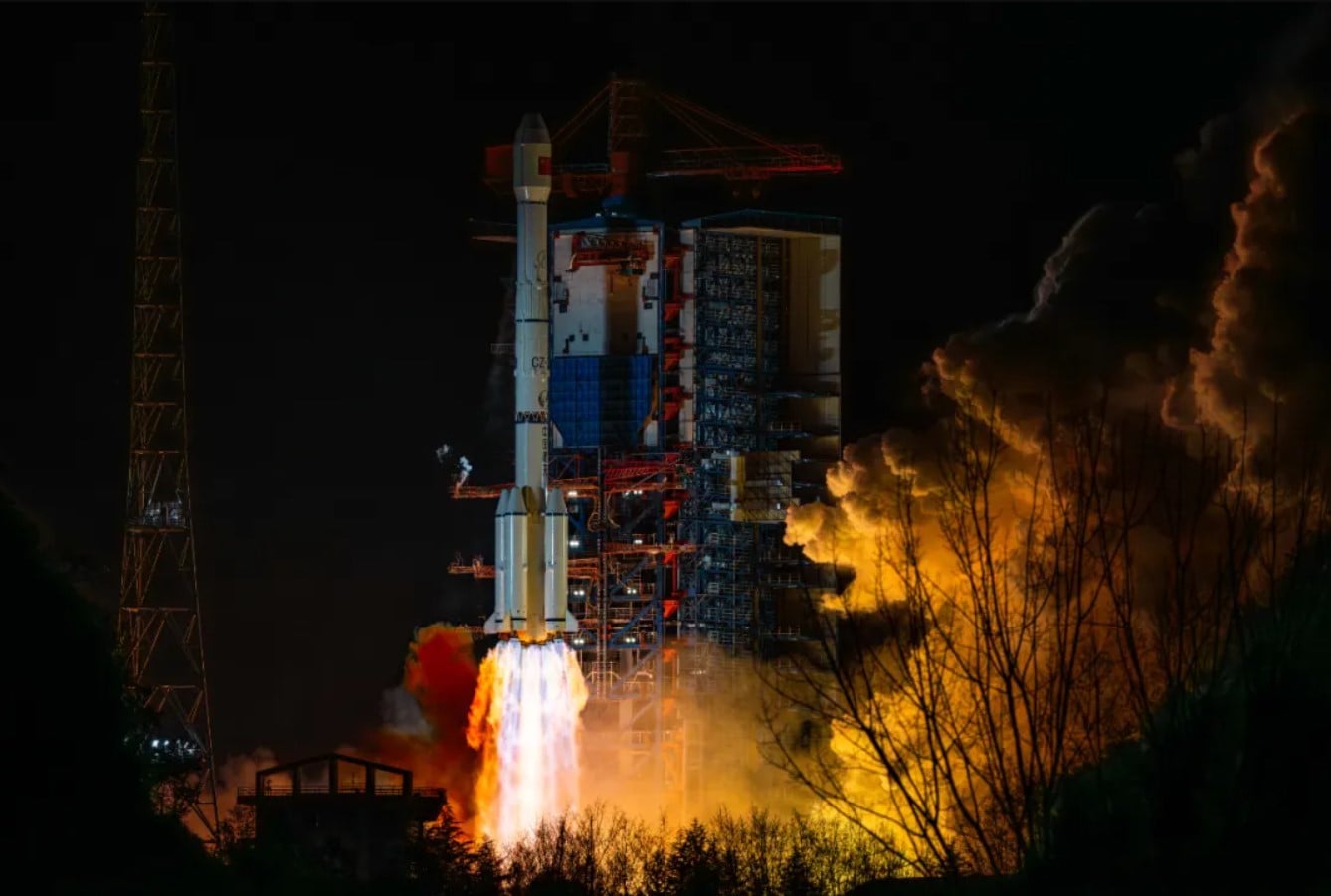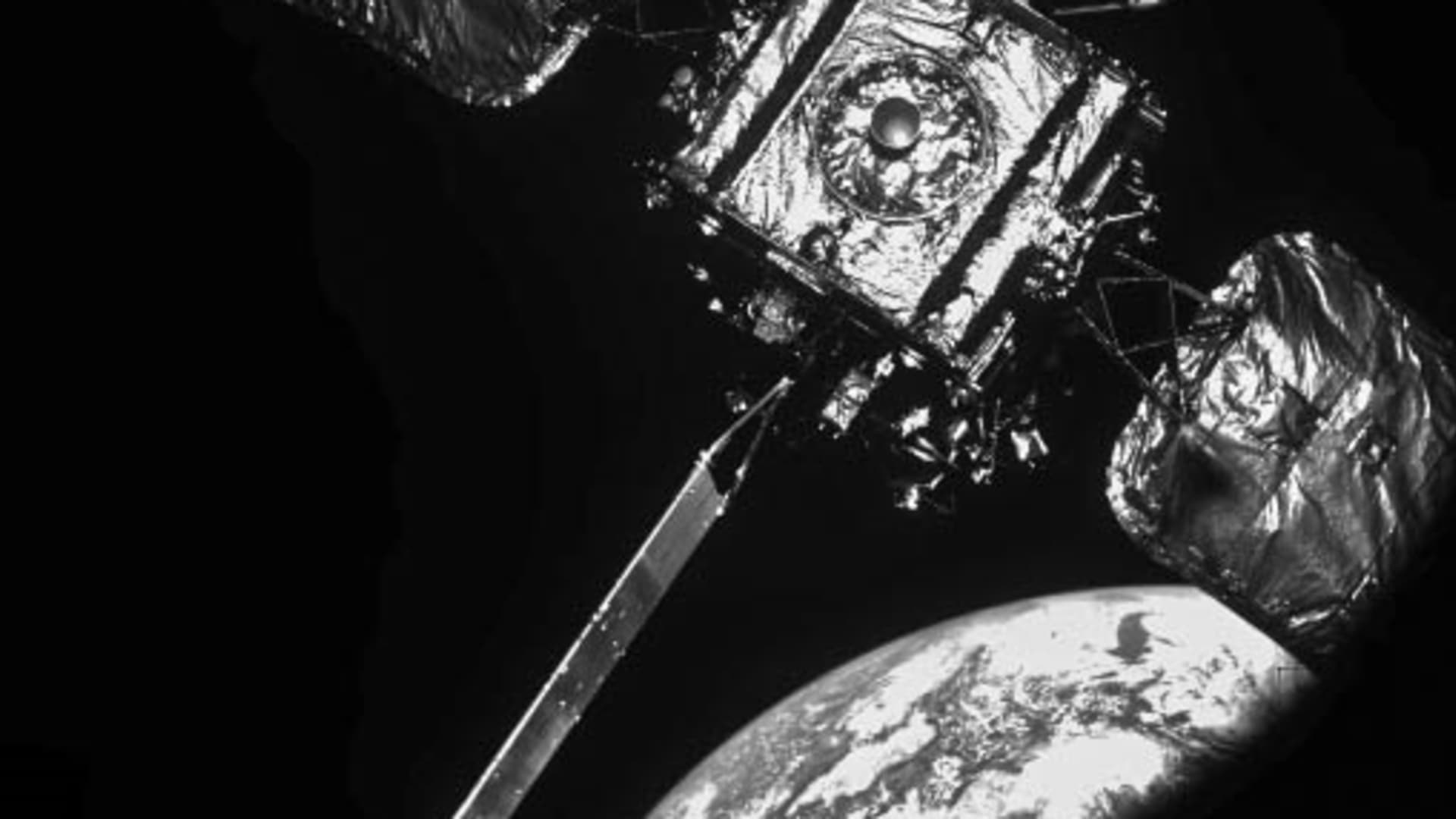
China's Shijian-21 and Shijian-25 satellites are maneuvering in geostationary orbit for a rendezvous and docking, likely to demonstrate on-orbit refueling capabilities, amid nearby U.S. surveillance satellites, highlighting advancements in satellite servicing and strategic space activities.
Orbit Fab has qualified its RAFTI satellite refueling port after subjecting it to rigorous tests simulating space conditions, and has revealed a price tag of $30,000 per unit. The company plans to deliver the first 100 units to U.S. government and commercial customers over the next year. The RAFTI port is expected to be used on Space Force Tetra-5 satellites in 2025 and Astroscale's LEXI spacecraft in 2026, marking a significant step in the development of satellite refueling technology.
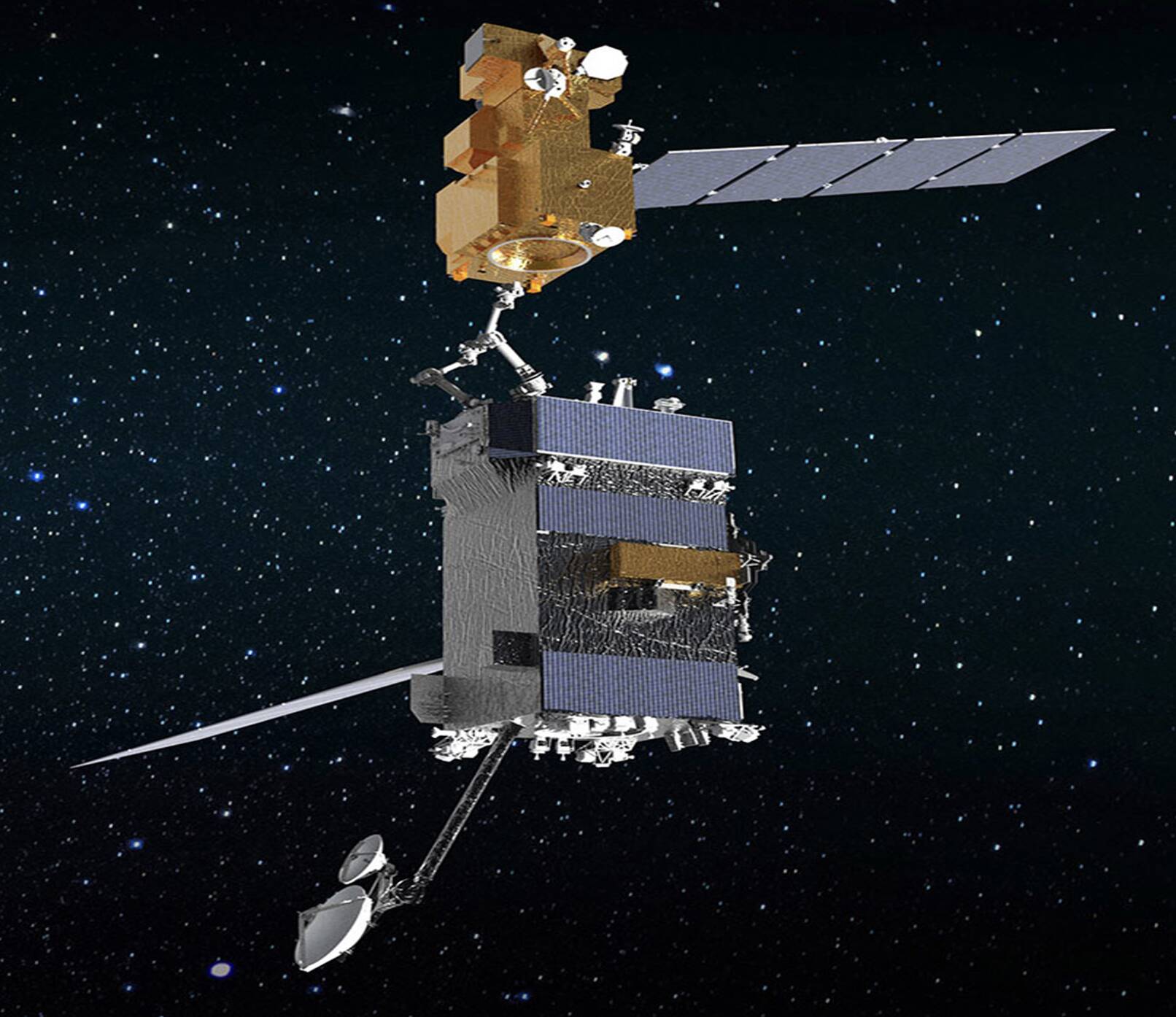
NASA cancels the OSAM-1 mission, a multibillion-dollar project aimed at demonstrating robotic satellite servicing technology, due to continued technical, cost, and schedule challenges. The mission's cost has ballooned to $1.5 billion, with projections of nearly $1 billion more needed for launch. Originally planned for a 2020 launch, the mission faced delays and cost increases, and the addition of the Space Infrastructure Dexterous Robot (SPIDER) further complicated matters. The realities of the satellite servicing market have also shifted, with commercial companies focusing on alternative methods for extending satellite life, leading to NASA's decision to cancel the project.
NASA has decided to end its OSAM-1 mission, which aimed to refuel and service working satellites, due to cost and technical challenges. The project, which aimed to rendezvous with and refuel the Landsat-7 satellite, faced delays and increased costs, with the estimated budget exceeding $2 billion. The decision comes after workforce cuts at NASA's Jet Propulsion Laboratory, and the agency is now reviewing how to mitigate the impact of the cancellation. NASA cited a broader shift in the space community away from refueling unprepared spacecraft and pointed to operational servicing vehicles like SpaceLogistics' Mission Extension Vehicle as an alternative approach.
NASA has canceled the multibillion-dollar OSAM-1 mission due to technical, cost, and schedule challenges, as well as a shift in the industry away from refueling unprepared spacecraft. The project, which aimed to demonstrate satellite servicing technologies, had suffered extensive delays and cost overruns, with the total cost growing to $2.05 billion and the launch delayed to December 2026. The cancellation will involve an orderly shutdown, including transferring hardware and mitigating the impact on the workforce at the Goddard Space Flight Center. The decision comes as commercial satellite servicing technologies are being pursued, with a shift towards more cooperative approaches.
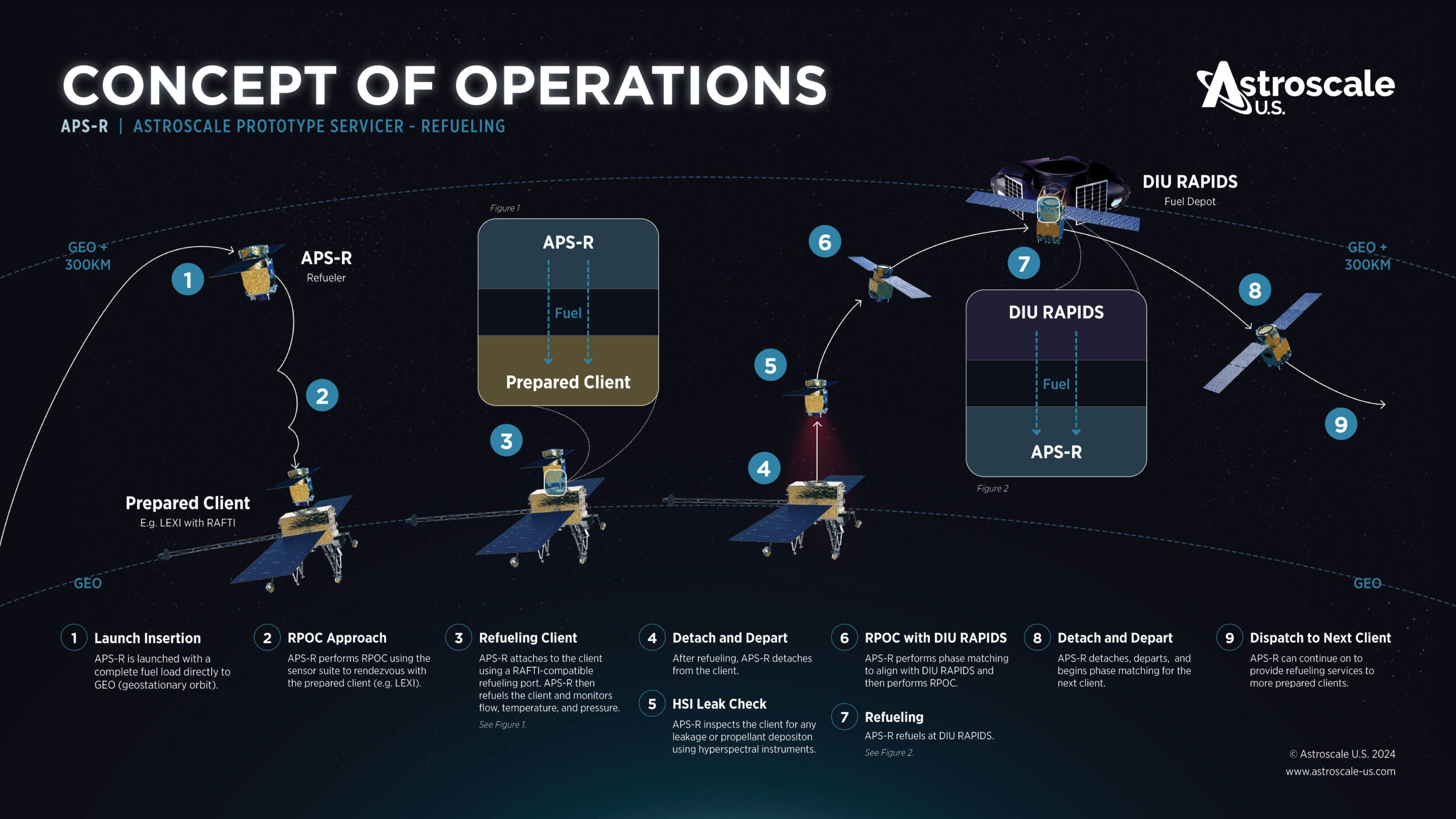
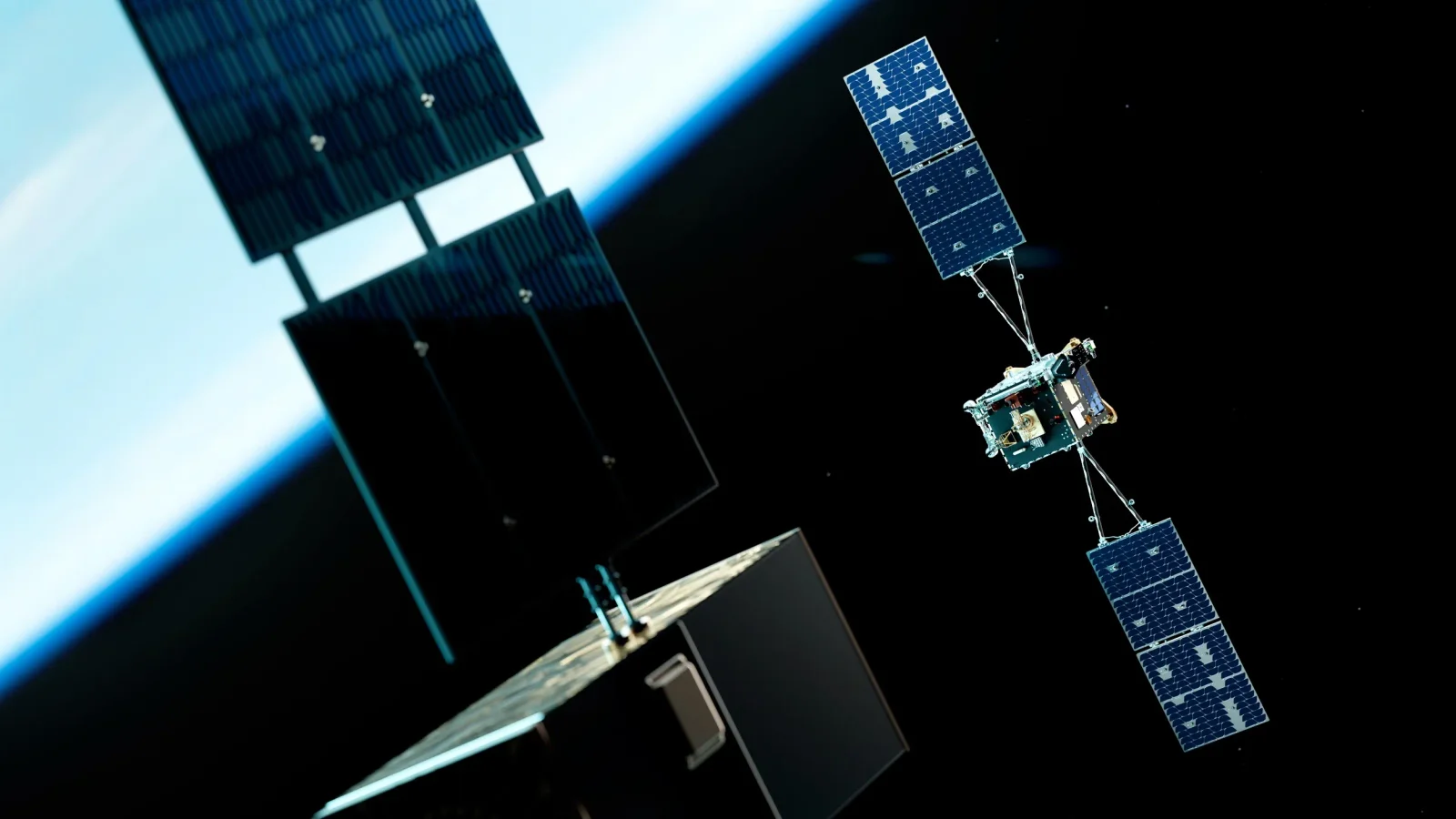
Astroscale is developing an in-space refueling vehicle, APS-R, to transfer hydrazine from a fuel depot in geostationary Earth orbit to client satellites, enabling uninterrupted operations. The vehicle, about the size of a gas pump, will rendezvous and dock with Orbit Fab's fuel depot and service Astroscale's Life Extension In-Orbit (LEXI) satellite. The project, funded by a $25.5 million U.S. Space Force contract, aims to extend the life and mobility of satellites in orbit, with APS-R set to be delivered by 2026.
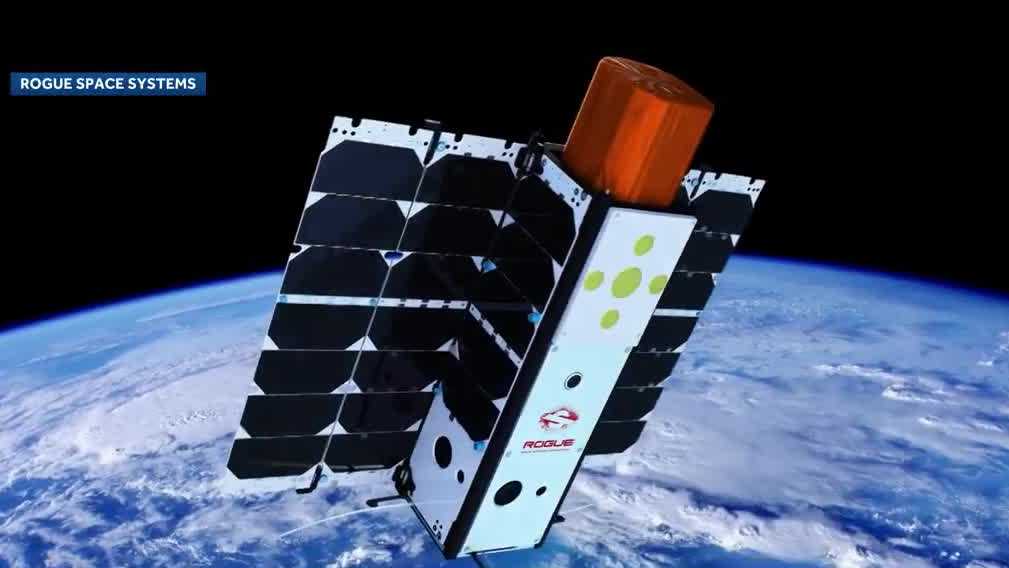
New Hampshire-based company, Rogue Space Systems, is preparing to launch its first spacecraft, Barry-1, into low-earth orbit on the SpaceX Falcon 9 rocket. The basketball-sized spacecraft is designed to support sustainability in the space industry by offering in-space servicing, including cleaning up space debris, fixing other satellites, and refueling satellites. The launch will provide valuable insights for the development of larger and more advanced spacecraft, such as the upcoming Laura-1, which is planned for launch in early 2025.
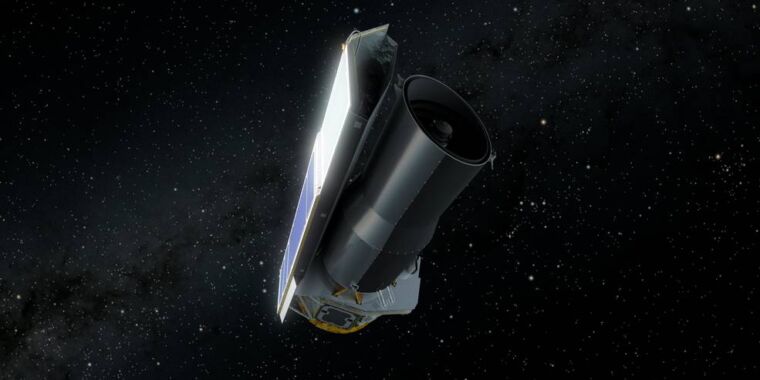
Rhea Space Activity, a small space technology company, has won a $250,000 grant from the US Space Force to study a robotic rescue mission for NASA's Spitzer Space Telescope, which was deactivated in January 2020. The "Spitzer Resurrector" mission would be a small spacecraft that could fit into a 1-meter-by-1-meter box and be ready to launch as soon as 2026. The spacecraft would fly around the telescope to characterize its health, establish communications, and relay information back and forth between the ground and telescope, allowing scientists to restart observations. Rhea Space Activity is seeking full funding for a mission expected to cost about $350 million.
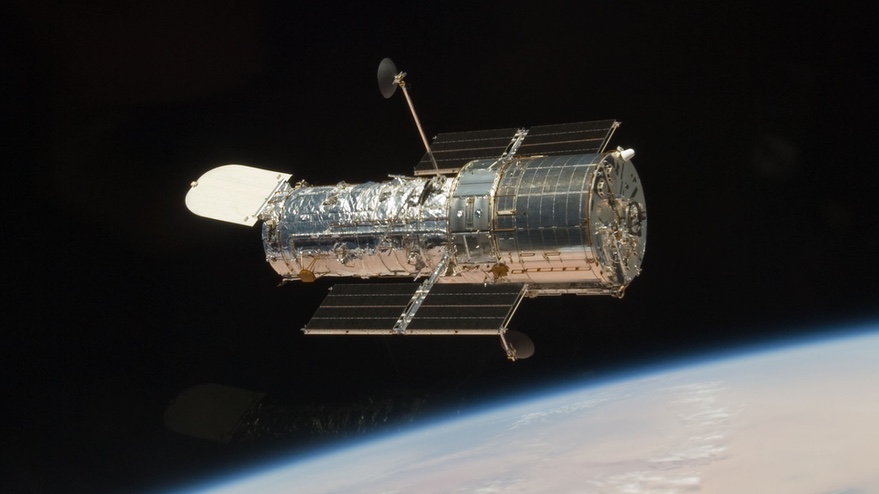
Astroscale and Momentus have submitted a proposal to NASA to raise the orbit of the Hubble Space Telescope, which has been slowly descending since the last shuttle servicing mission in 2009. The proposal involves using Astroscale's technology to dock with and extend the life of satellites and orbital transfer vehicles from Momentus. The vehicle would boost Hubble’s orbit by 50 kilometers before undocking and could then be used to remove orbital debris in orbits approaching Hubble. NASA is currently reviewing eight responses to its request for information and emphasized that the RFI is simply an effort to help the agency determine whether and how to reboost Hubble’s orbit.
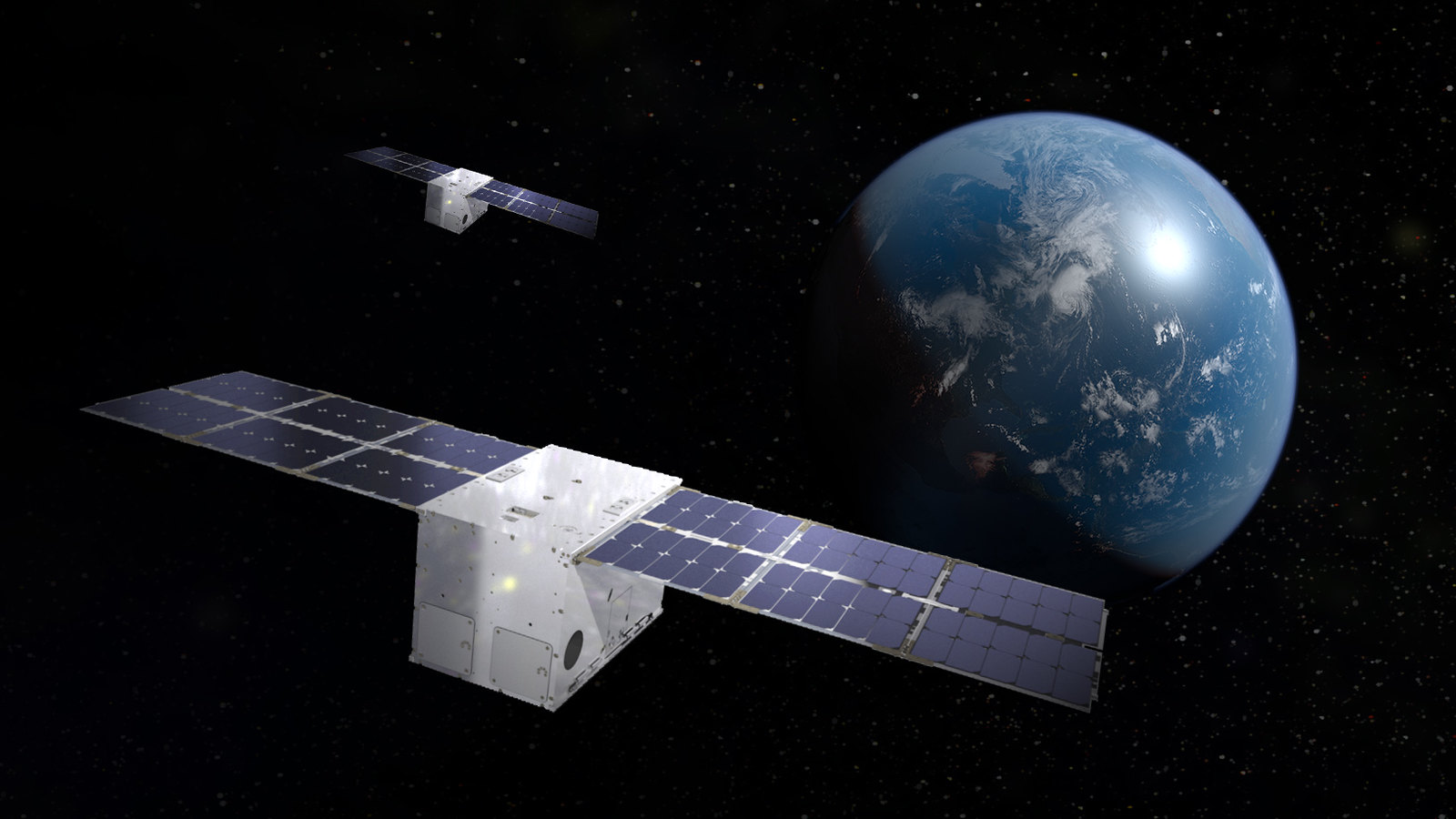
Lockheed Martin's Linuss experiment, consisting of two cubesats, successfully demonstrated AI algorithms needed for in-orbit servicing operations. The company plans to develop servicing vehicles for commercial and government markets, including in-orbit refueling and software upgrades. The experiment also tested space domain awareness cameras and a docking device for refueling or attaching new sensors. Lockheed Martin is funding several space projects to transition to defense and civil space government programs, including a mid-size bus, Pony Express 2 and TacSat satellites, and a lunar orbit service called Parsec.
Intelsat has ordered one of Northrop Grumman's latest service technology iterations, which involves extending the life of valuable satellites already in orbit. The new approach represents a shift in business strategy for Intelsat from "renting" the technology for a certain number of years to owning. However, the size of the market for satellite servicing largely depends on the number of geosynchronous satellites that would benefit from life extension, making satellite servicing still a niche market.