Boeing Secures $2.8B Contract for Next-Gen Satellite Communications
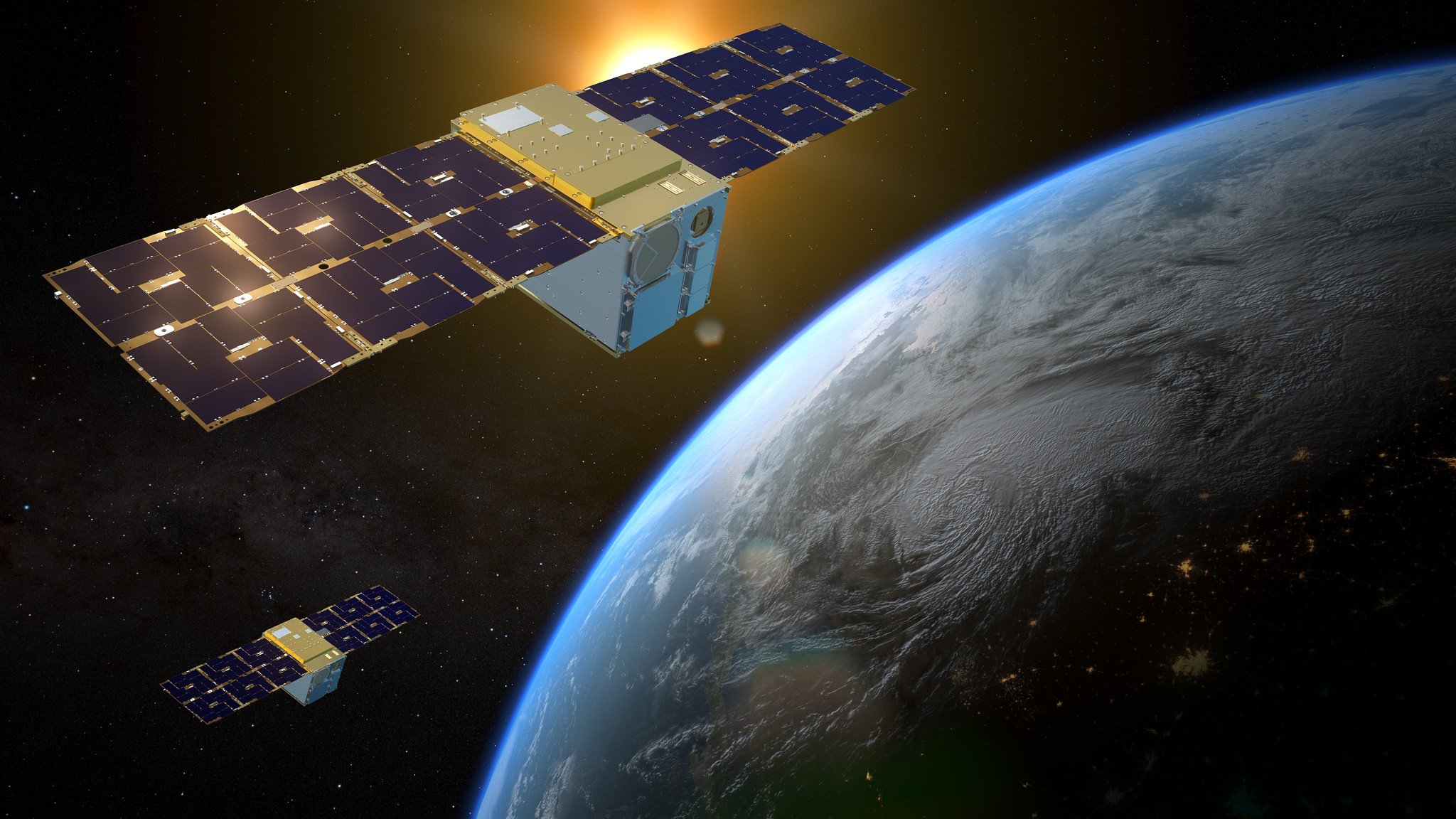
Boeing has secured a $2.8 billion contract to develop next-generation nuclear communications satellites, enhancing military space capabilities.
All articles tagged with #military space

Boeing has secured a $2.8 billion contract to develop next-generation nuclear communications satellites, enhancing military space capabilities.

The U.S. Department of the Air Force is reconsidering its satellite procurement for the Space Force's low Earth orbit network, potentially replacing planned government contracts with SpaceX's Starshield satellites to reduce costs and increase competition, which has raised concerns about dependency on a single vendor and impacts on industry and innovation.

Lockheed Martin is seeing a surge in demand for small satellites, with a backlog of 100 orders from Department of Defense and intelligence customers. The company has shifted focus to small satellites, particularly in pursuit of Space Development Agency contracts, and has opened a new smallsat assembly facility near Denver, Colorado. Lockheed Martin is funding its own space missions to demonstrate technologies for potential government purchase, with upcoming tech demos including a satellite-servicing mission and an antenna experiment. The next experiment, Pony Express 2, will launch on SpaceX's Transporter 10 smallsat rideshare and demonstrate new technologies such as open standards mesh networking and autonomous tasking of satellites.

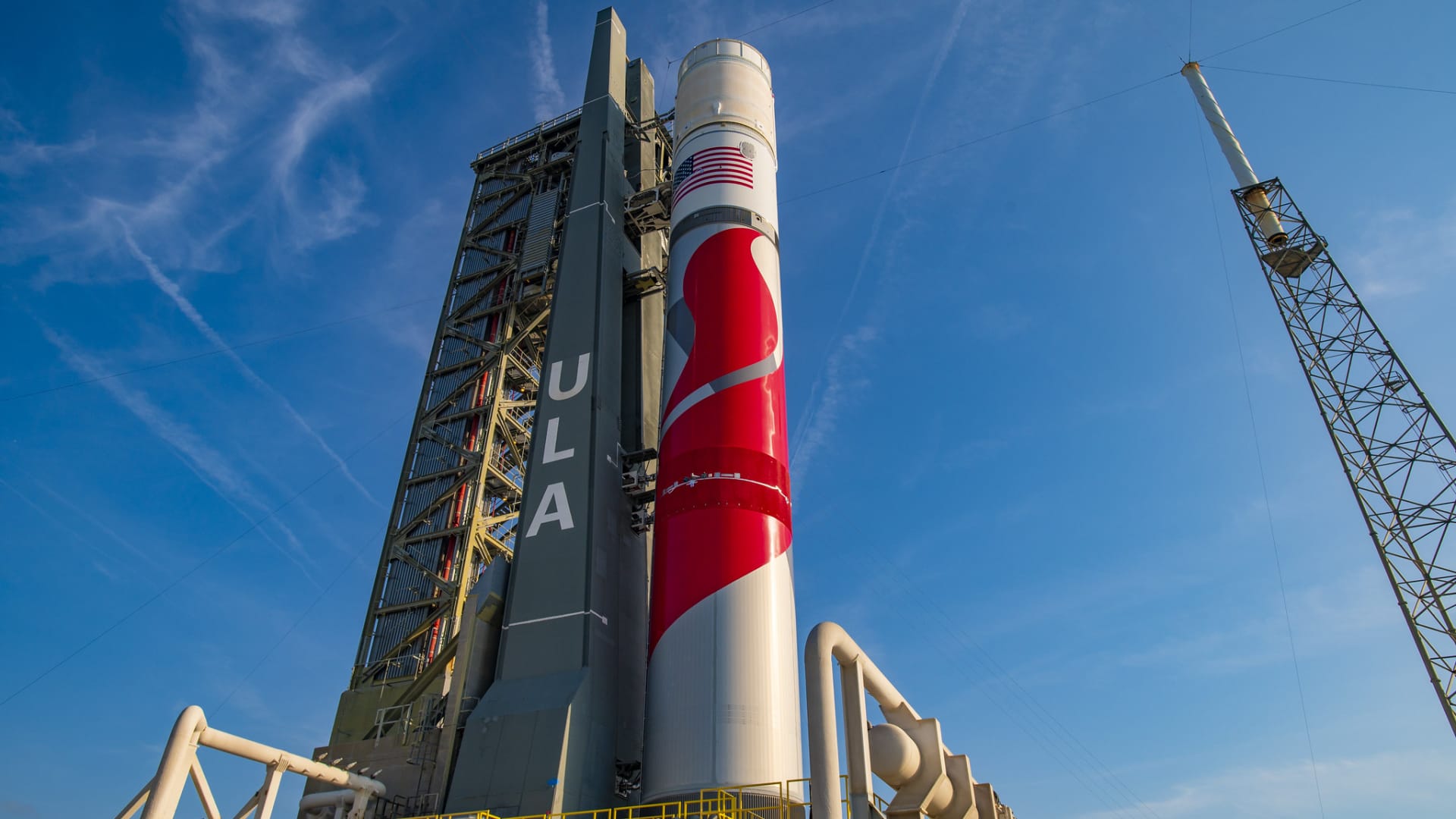
United Launch Alliance (ULA) CEO Tory Bruno stated that despite an engine explosion during testing, ULA still plans to launch its heavy-lift Vulcan rocket by late 2023. The mishap occurred with one of Blue Origin's BE-4 engines, but Bruno explained that setbacks during the acceptance phase are not uncommon. ULA's first Vulcan flight, carrying demo satellites for Amazon's Project Kuiper, has been delayed multiple times due to necessary modifications. Once ULA successfully completes its first two Vulcan missions, the U.S. Space Force will consider clearing the rocket for national security launches. Bruno emphasized the growing demand for military space and hinted at ULA's plans to accelerate in-space services to protect military payloads from potential adversaries.