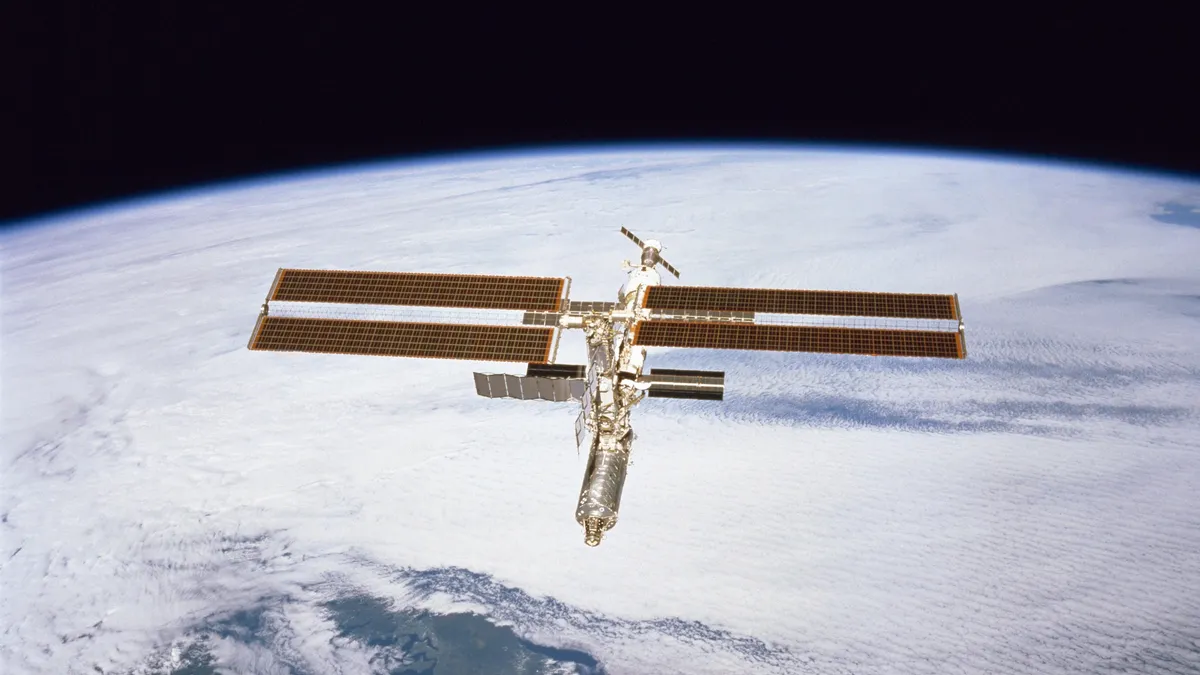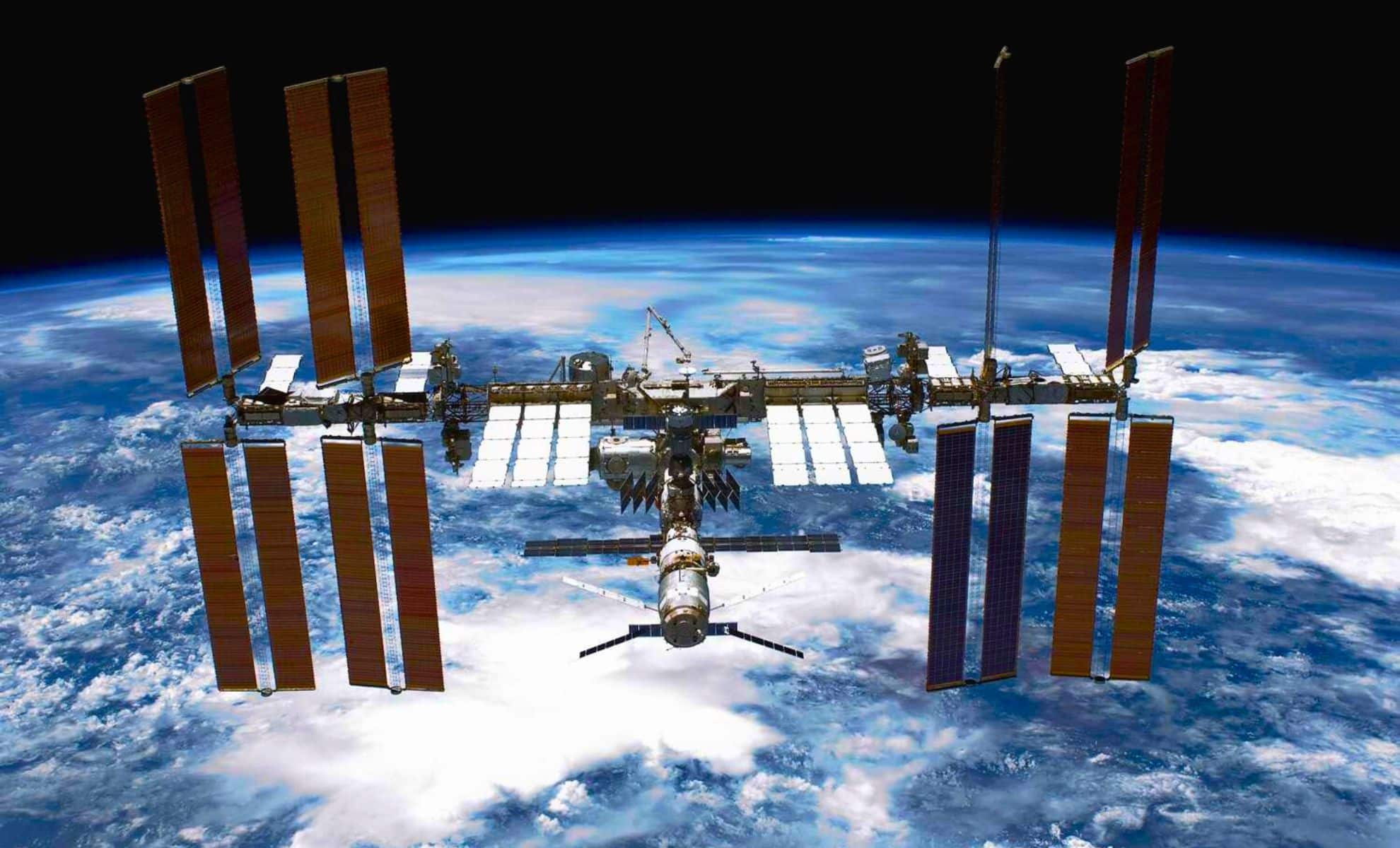
October 31, 2000, marked the last day when all humans were on Earth together, as it was the launch date of the first crew to the International Space Station, symbolizing a new era of international cooperation in space. Since then, the ISS has hosted thousands of experiments and fostered global collaboration, but it is expected to be decommissioned by 2030, with China’s Tiangong space station taking a leading role in human space presence. Challenges like space debris threaten future exploration, but advancements in technology and new commercial and geopolitical efforts are shaping the future of human space exploration.
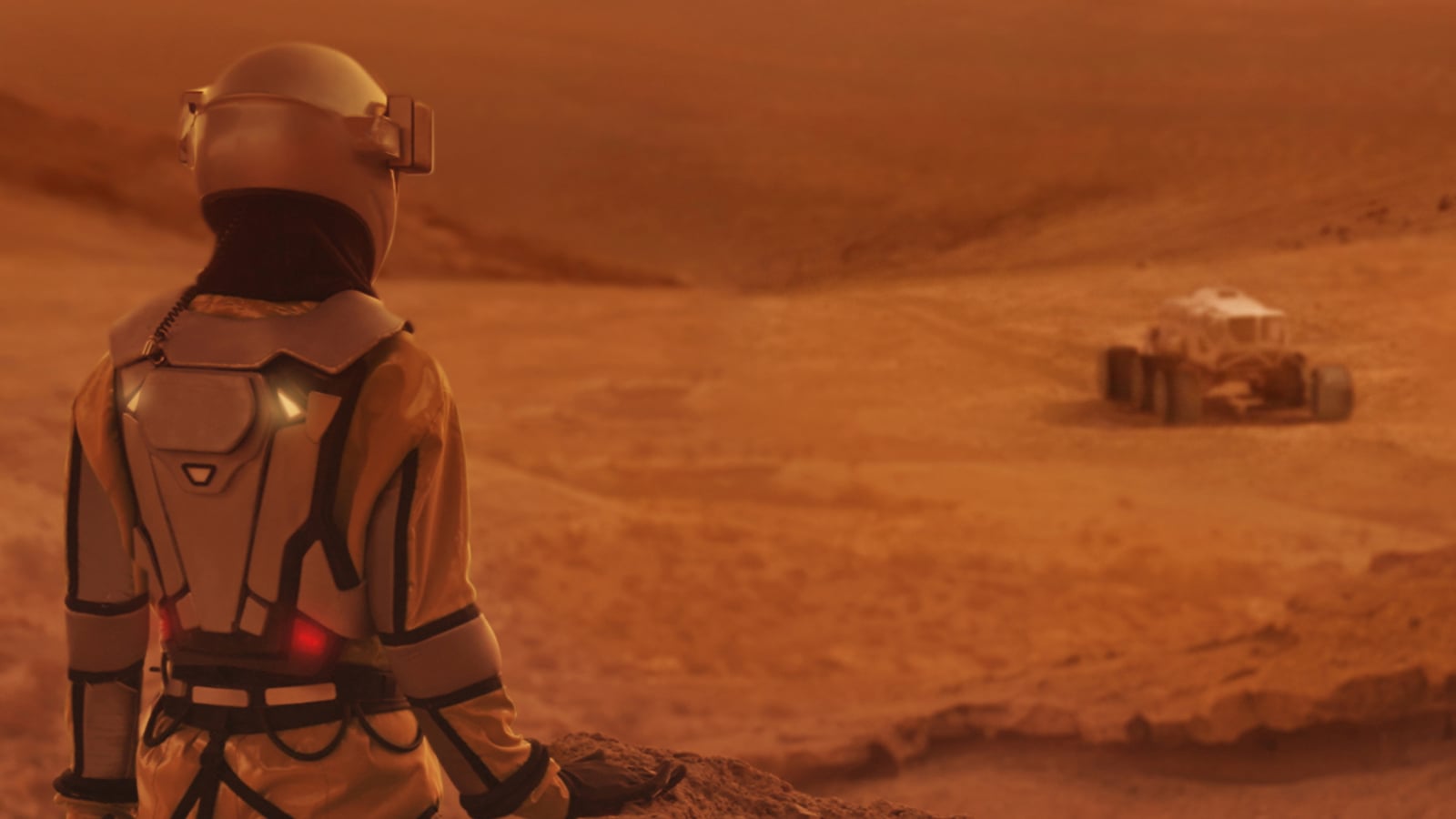
The ISDC 2025 conference in Florida will gather global space leaders to discuss innovations, missions, and strategies for space exploration and settlement, with topics including Mars, lunar bases, planetary defense, and international collaboration, featuring notable speakers like Pascal Lee and Gretchen Green.
The International Space Station (ISS) is experiencing significant air leaks, losing over 3 pounds of air per day, which has heightened tensions between NASA and Roscosmos. The leaks, originating from the PrK transfer tunnel between the Zvezda module and a Russian docking port, have been ongoing since 2019 and worsened this year. While Roscosmos attributes the leaks to micro-vibrations, NASA suspects more severe mechanical stresses. The disagreement extends to the potential risks, with NASA expressing concerns about structural integrity and possible catastrophic failure, while Roscosmos maintains that operations remain safe.
The International Space Station is facing a critical air leak in the Russian-controlled Zvezda module, escalating tensions between NASA and Roscosmos. The leak, worsening since 2019, poses a significant threat to the station's structural integrity. NASA attributes the issue to material stress and environmental exposure, while Roscosmos blames vibrations and aging infrastructure. Astronauts are operating under strict safety protocols, and NASA is preparing for potential evacuations. The crisis highlights growing strains in international cooperation as the ISS approaches its operational end, with uncertainties about future space collaborations.
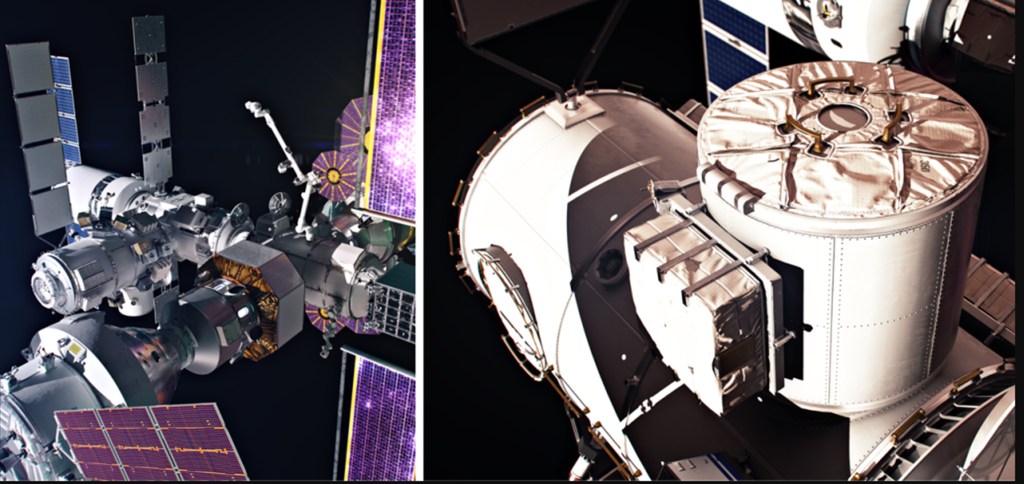
The United Arab Emirates has partnered with NASA to build part of the lunar Gateway space station and send a UAE astronaut on a future Artemis mission, marking a historic moment in space collaboration. The UAE's space program, which includes successful Mars and lunar missions, will provide the Crew and Science Airlock module for the Gateway, allowing for crew and science to move from the station's pressurized environment into space. This partnership advances international cooperation in space and paves the way for deep-space exploration, with the UAE joining the U.S., European Space Agency, Japan, and Canada as partners on Artemis projects.
India and the US will collaborate to send an Indian astronaut to the International Space Station (ISS) by the end of 2024, marking a significant milestone in India's space ambitions. The collaboration between NASA and ISRO was announced by US senator Bill Nelson, who stated that the two space agencies have formed a joint working group on human spaceflight collaboration. They will also work together on the Nasa-Isro Synthetic Aperture Radar (Nisar) satellite, which will help analyze terrestrial, atmospheric, and weather anomalies. This collaboration is part of the expanding cooperation between India and the US in the field of space technology.