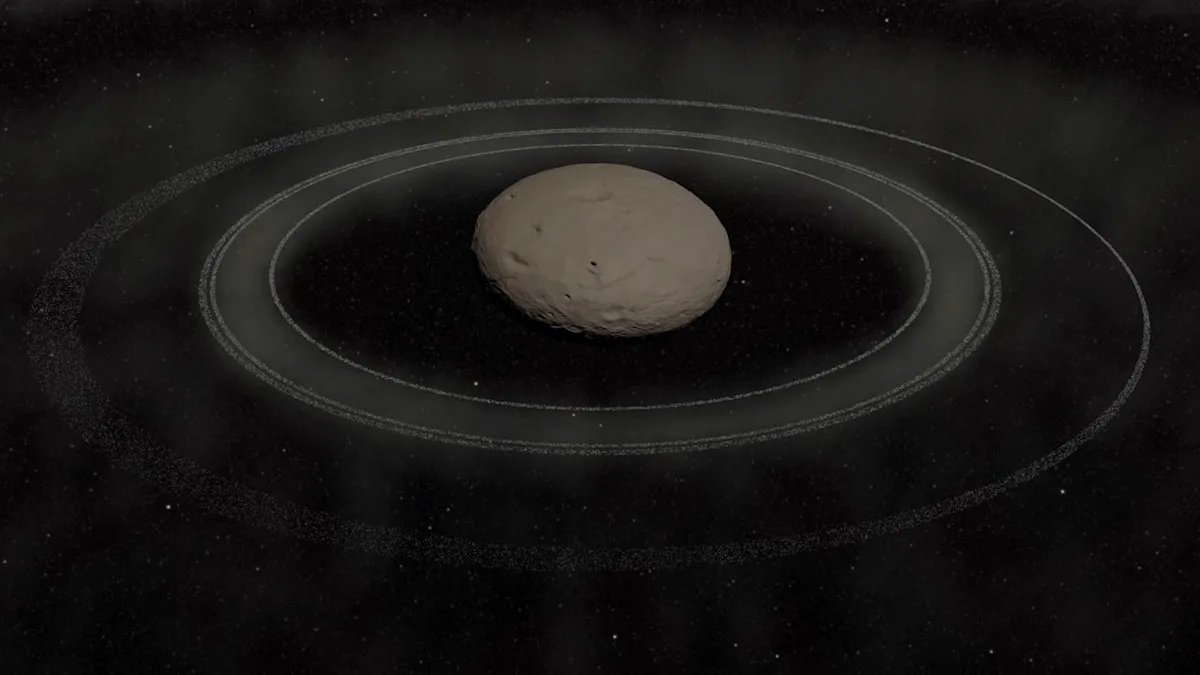
Astronomers have observed a small icy world, Chiron, building its own rings in real time, providing a rare glimpse into the process of ring formation around small celestial bodies, which may also shed light on how larger planetary rings formed billions of years ago.
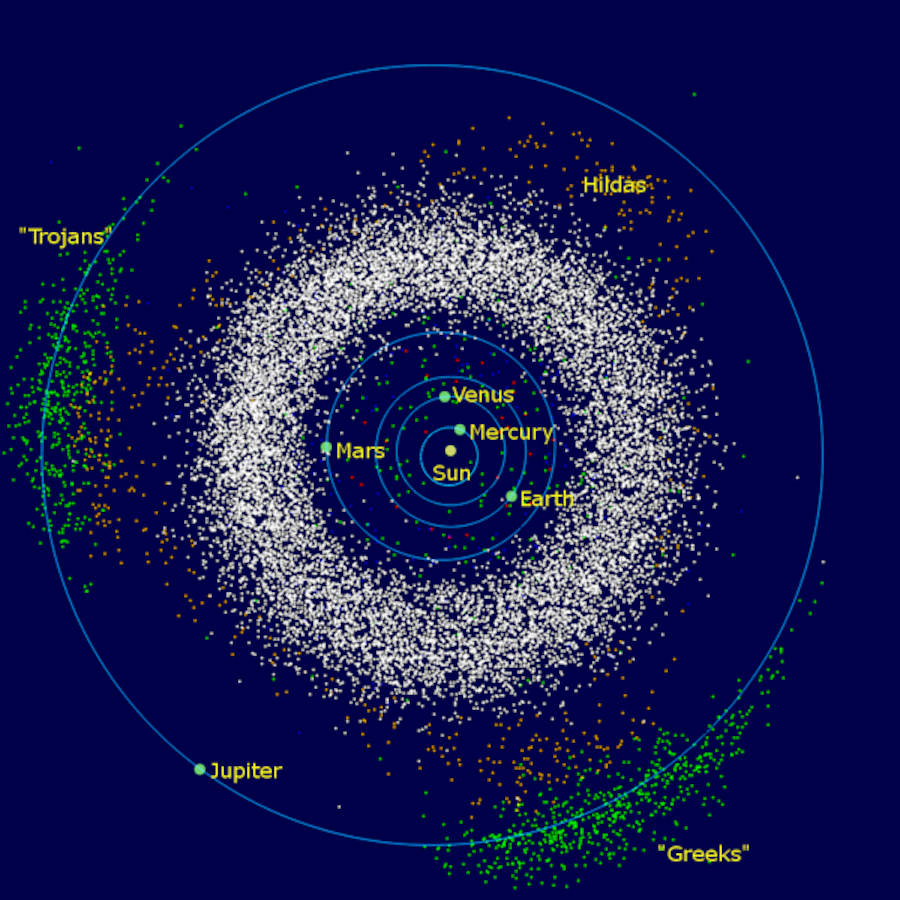
The asteroid belt between Mars and Jupiter is gradually losing material at a rate of about 0.0088% annually, primarily through collisions that produce meteoritic dust and fragments that sometimes cross Earth's orbit, indicating a dynamic and shrinking region that has influenced Earth's impact history and future impact risk.
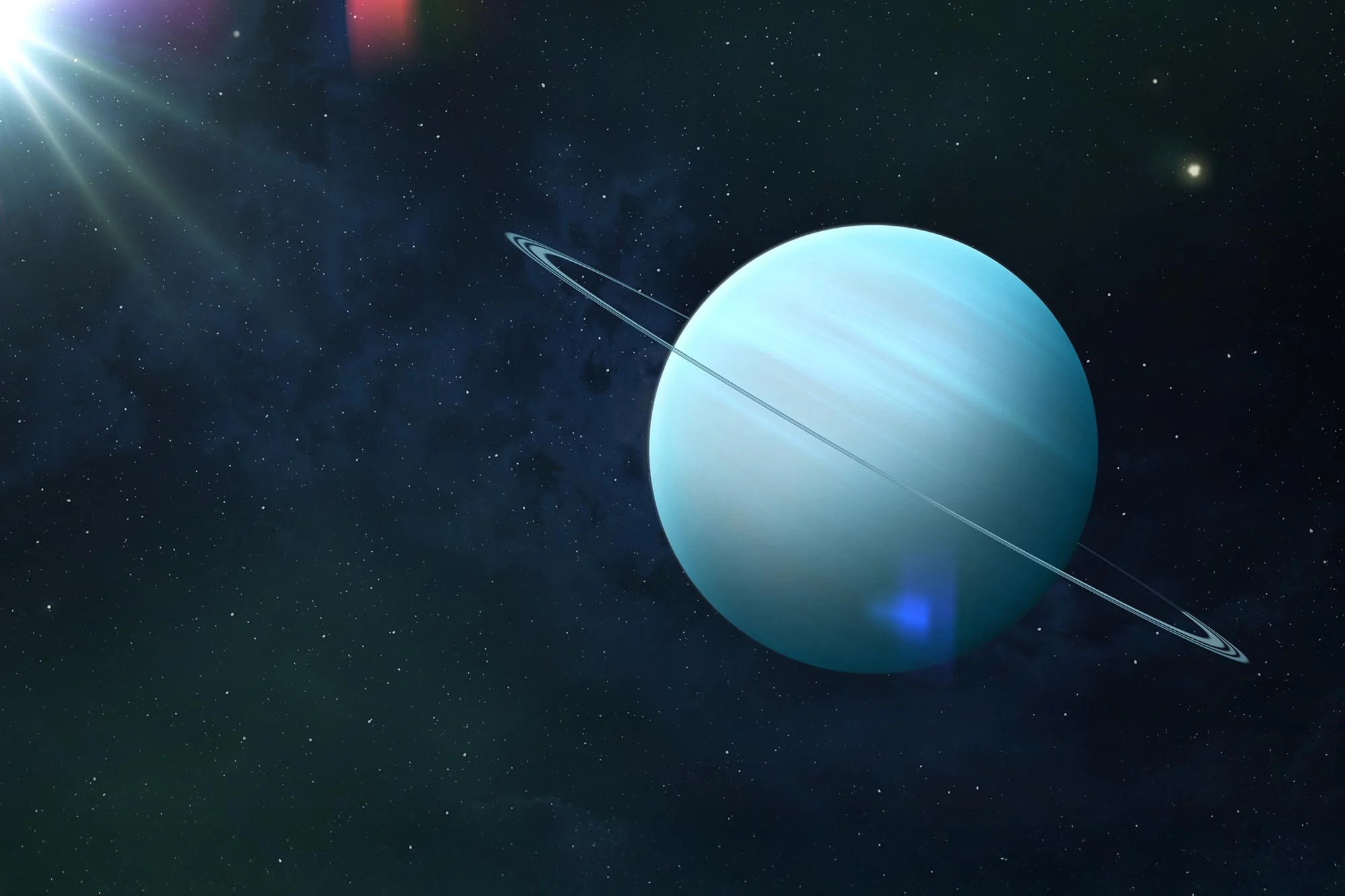
Scientists have discovered that Uranus emits more internal heat than it absorbs from the Sun, revealing it still retains ancient heat from its formation, which challenges previous beliefs and supports future NASA exploration efforts.
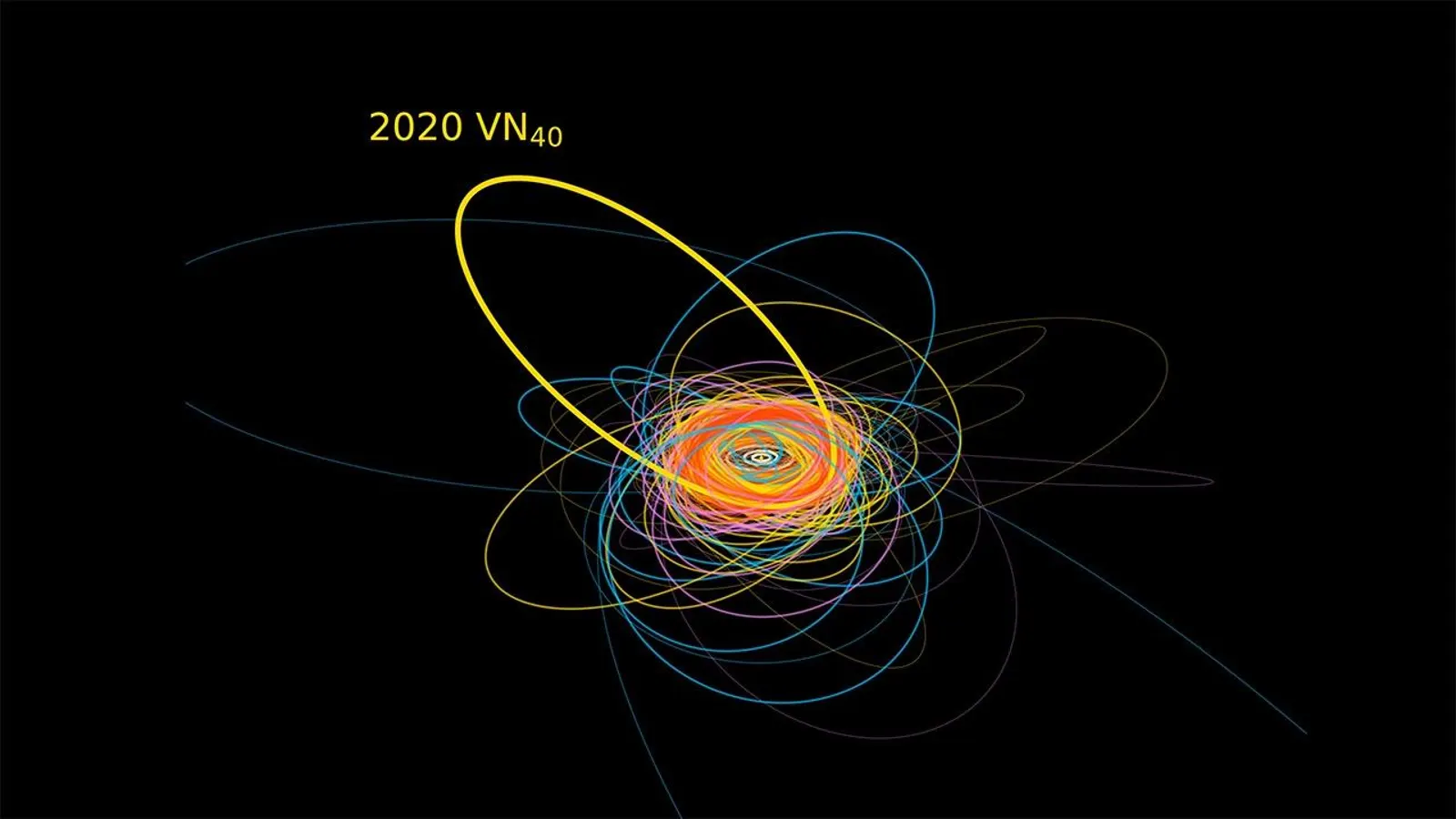
Astronomers have discovered a rare object, 2020 VN40, in the outer solar system that moves in a unique 10:1 resonance with Neptune, challenging existing ideas about the movement and evolution of distant solar system objects. This discovery, along with others like 'Ammonite,' provides new insights into the gravitational influences and history of our solar system's outer regions.
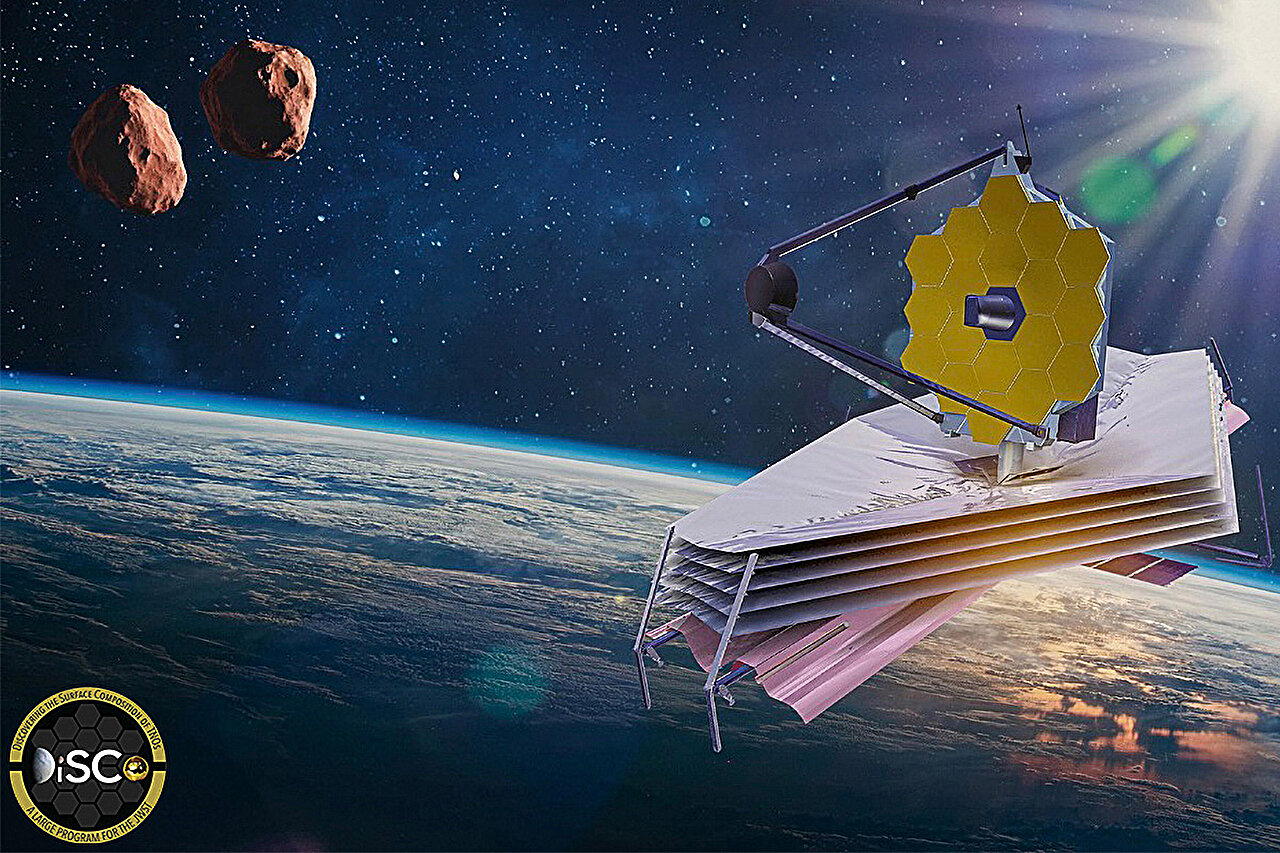
Scientists have used the James Webb Space Telescope to analyze the surface compositions of a binary duo of icy asteroids, Mors-Somnus, for the first time, shedding light on the evolution of Neptune and other objects in the outer solar system. The study, part of the DiSCo-TNOs program, provides insights into the dynamical history of Neptune and trans-Neptunian objects, offering clues about Neptune's migration and settlement into its final orbit. The findings also contribute to our understanding of the formation and composition of small celestial bodies beyond Neptune, providing valuable information about the origins of the planets, moons, and small bodies in our solar system.