Tag

Solar Observatories

All articles tagged with #solar observatories

space-science2 years ago

"Revolutionizing Solar Science: Close-up Space Images of the Sun"

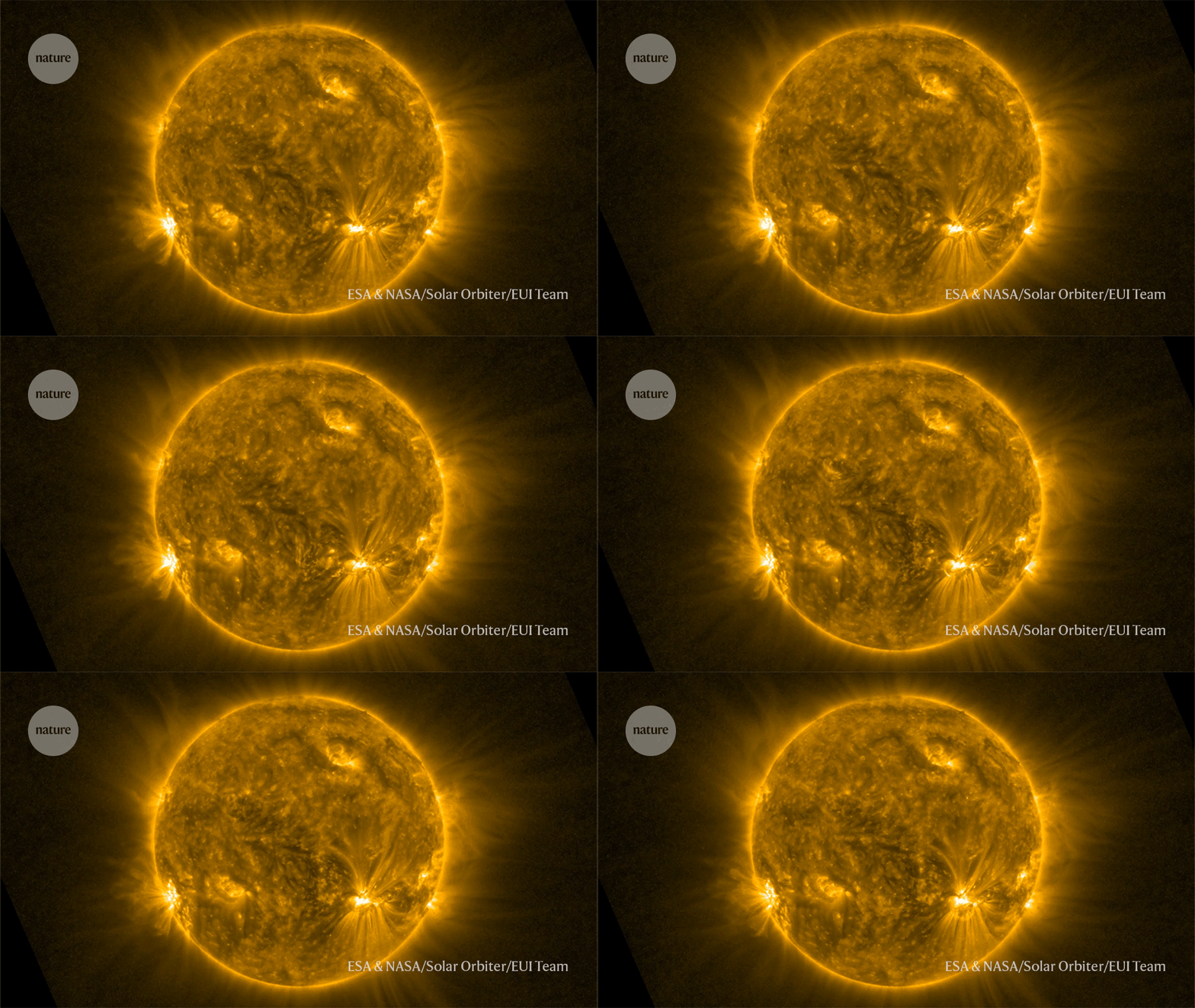
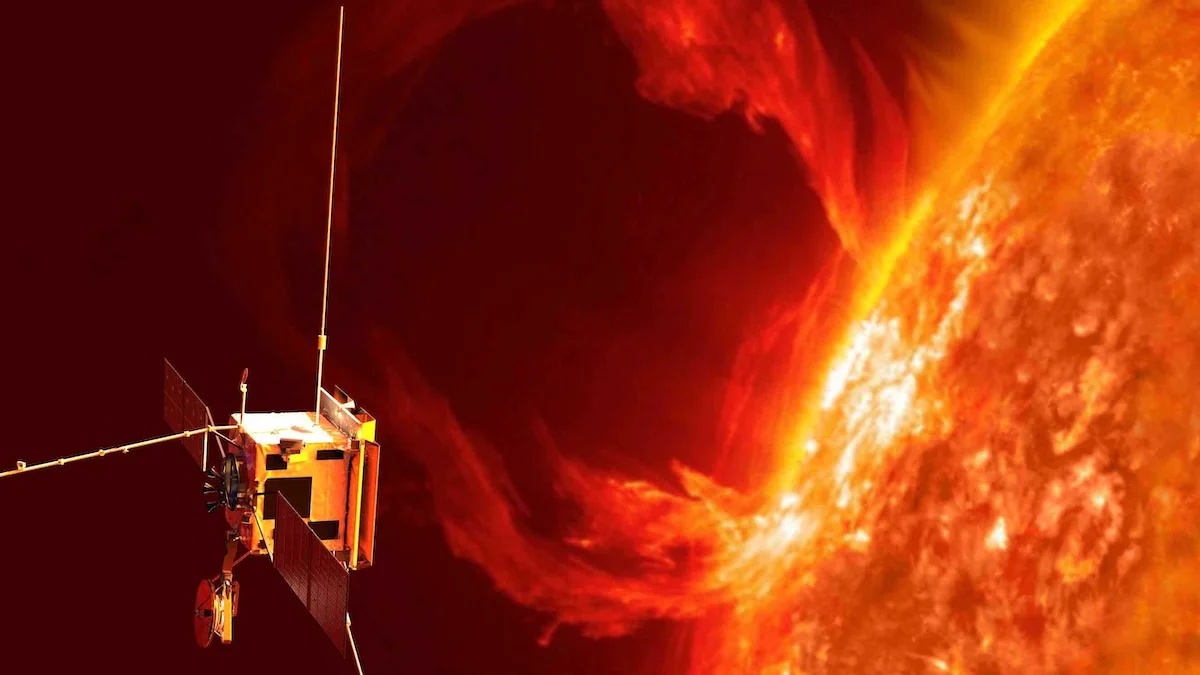
NASA's Parker Solar Probe and the European Space Agency's Solar Orbiter have provided unprecedented close-up views of the Sun, capturing massive solar eruptions, magnetic disturbances, and heat and energy rippling through the Sun's atmosphere. These observations are rewriting scientists' understanding of the Sun and its activity. The two spacecraft, working in tandem, have revealed new insights into the earliest phases of solar eruptions and the behavior of coronal mass ejections. The data collected will help researchers better understand the Sun's activity and predict its effects on Earth, such as solar storms that can disrupt communications and power grids. The combination of instruments on each spacecraft and their unique geometry enable this groundbreaking research.

astronomy2 years ago

Asteroid's Tail Composition Surprises Scientists.

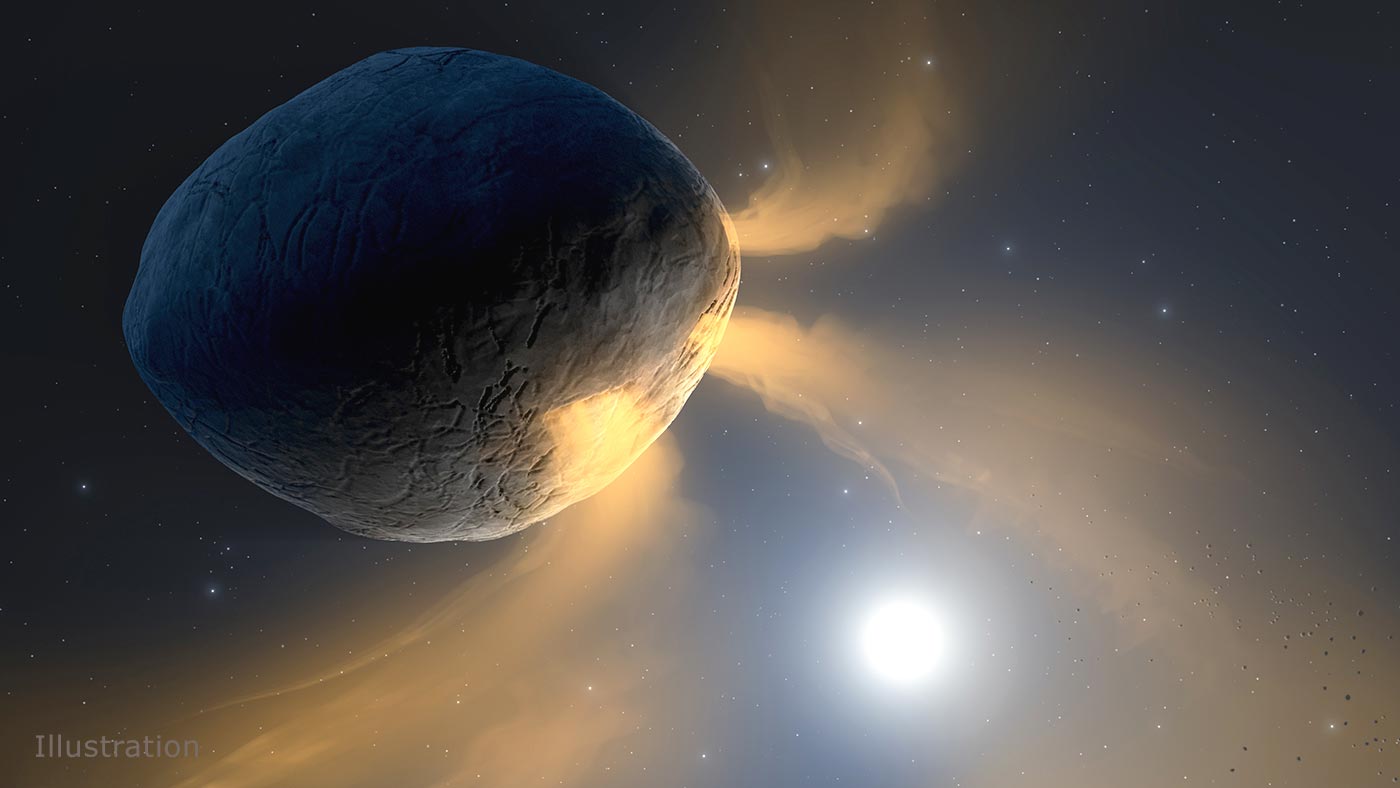
Asteroid Phaethon, the source of the Geminid meteor shower, has a tail made of sodium, not dust, according to new research. This finding challenges previous understanding about the object and raises questions about the nature of some comets. The origin of the Geminid meteor shower’s material remains a mystery, with further answers expected from an upcoming JAXA mission, DESTINY+. The discovery was made using data from solar observatories, SOHO and STEREO, which were not intended to study phenomena like this.

astronomy2 years ago

Asteroid's tail composition revealed by solar observatories.

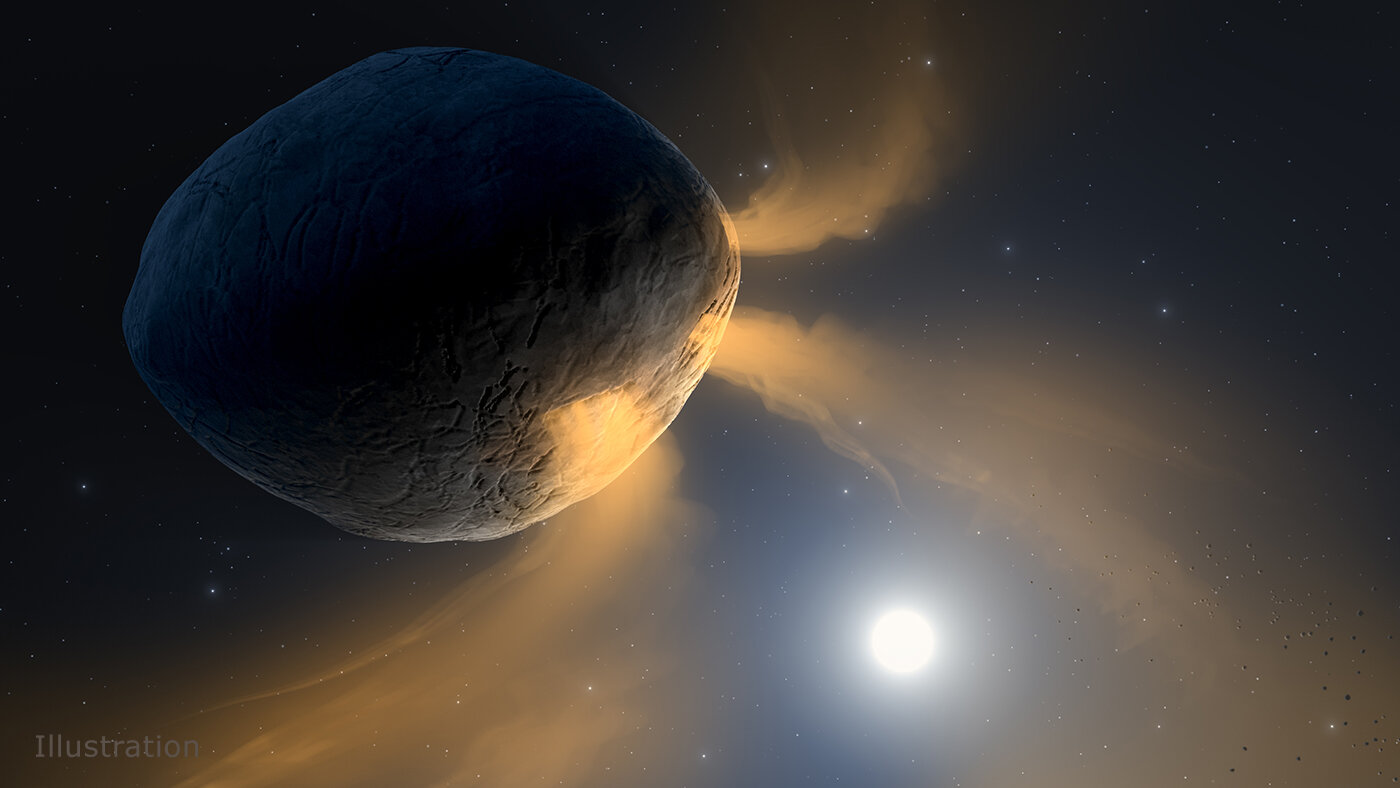
Solar observatories have revealed that the comet-like tail of asteroid 3200 Phaethon is not made of dust, as previously thought, but is actually made of sodium gas. The asteroid's tail is formed when sodium inside Phaethon's rock vaporizes and vents into space, causing it to brighten like a comet. Phaethon is the source of the annual Geminid meteor shower, even though it is an asteroid and not a comet. The discovery raises questions about other sunskirting 'comets' that may actually be rocky asteroids heated up by the sun.

science-and-technology2 years ago

Astrophotographers Capture Stunning Sun Images with High-Resolution Cameras.

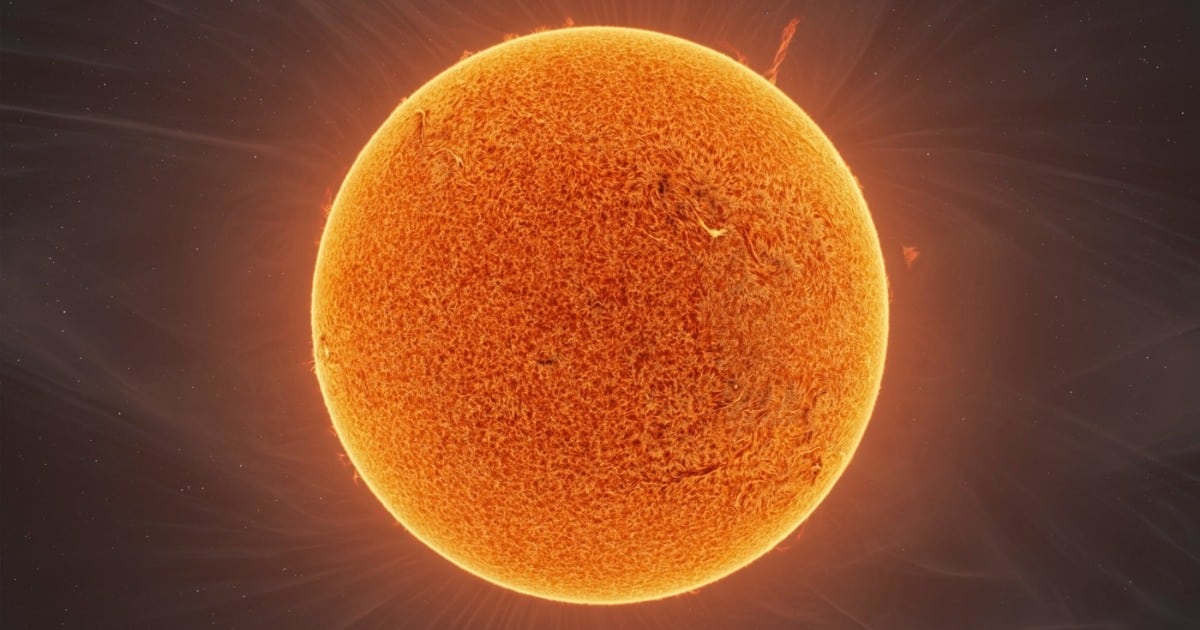
Astrophotographers Andrew McCarthy and Jason Guenzel have collaborated to produce a 140-megapixel image of the Sun, which shows its fiery surface in rich detail, as well as a plasma “tornado” that is the height of 14 Earths. The photo, titled Fusion of Helios, uses 90,000 of McCarthy's images, as well as a 2017 eclipse photo taken by Guenzel. The astrophotographers hope that this collaboration will encourage others to learn more about our universe and what's happening in the cosmos.