Tag

Asteroid Phaethon

All articles tagged with #asteroid phaethon

Geminid Meteor Shower Peaks This Week: How to Watch and Last Chance Tips

Originally Published 25 days ago — by Space

Featured image for Geminid Meteor Shower Peaks This Week: How to Watch and Last Chance Tips
Source: Space

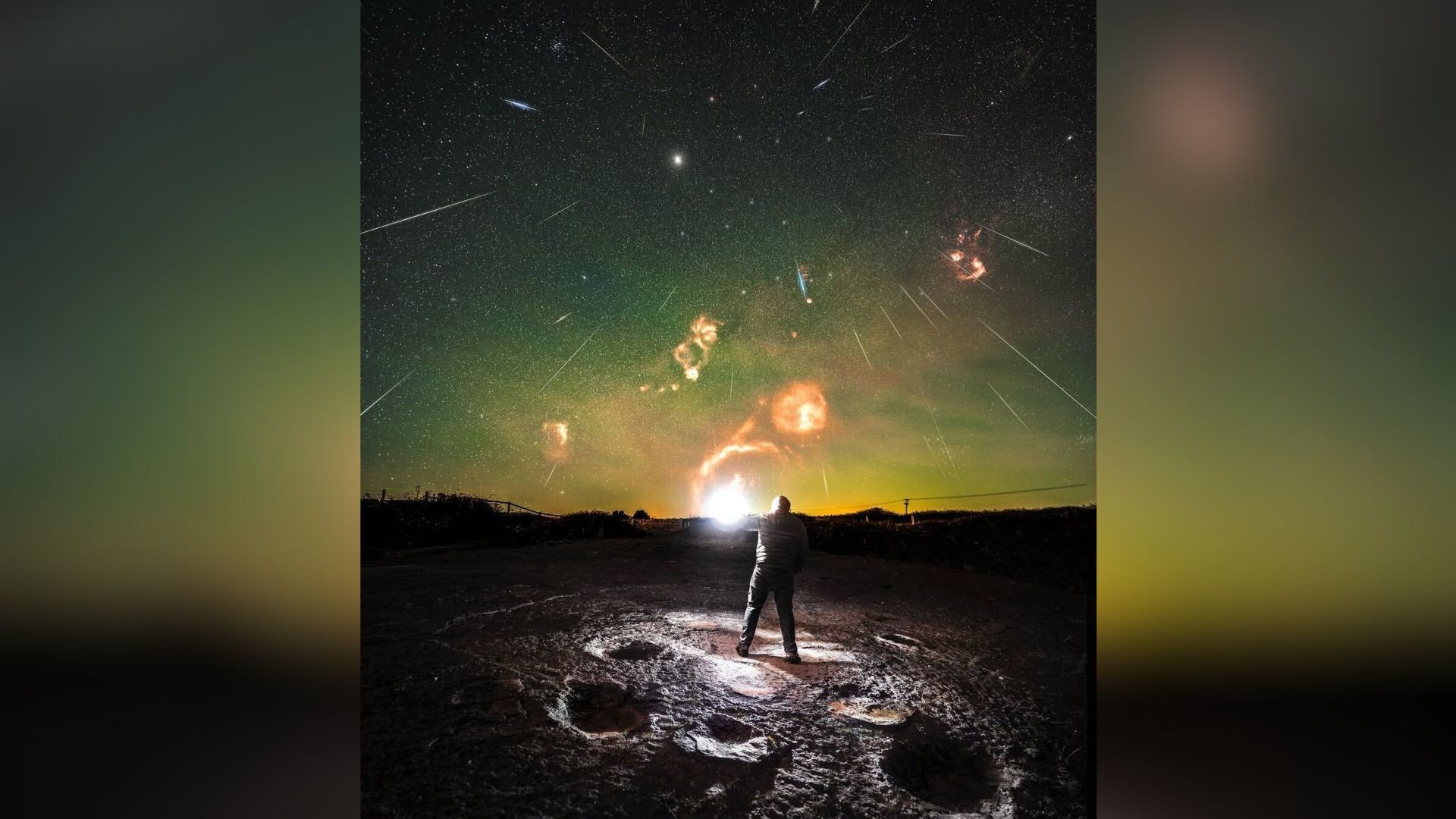
The Geminid meteor shower, peaking around December 13, was captured in a striking image showing meteors originating from asteroid 3200 Phaethon, highlighting its unique nature as an asteroid acting like a comet, and offering a dramatic view of space debris entering Earth's atmosphere.
Don't Miss December's Spectacular Geminid Meteor Shower

Originally Published 1 year ago — by MassLive.com

Featured image for Don't Miss December's Spectacular Geminid Meteor Shower
Source: MassLive.com

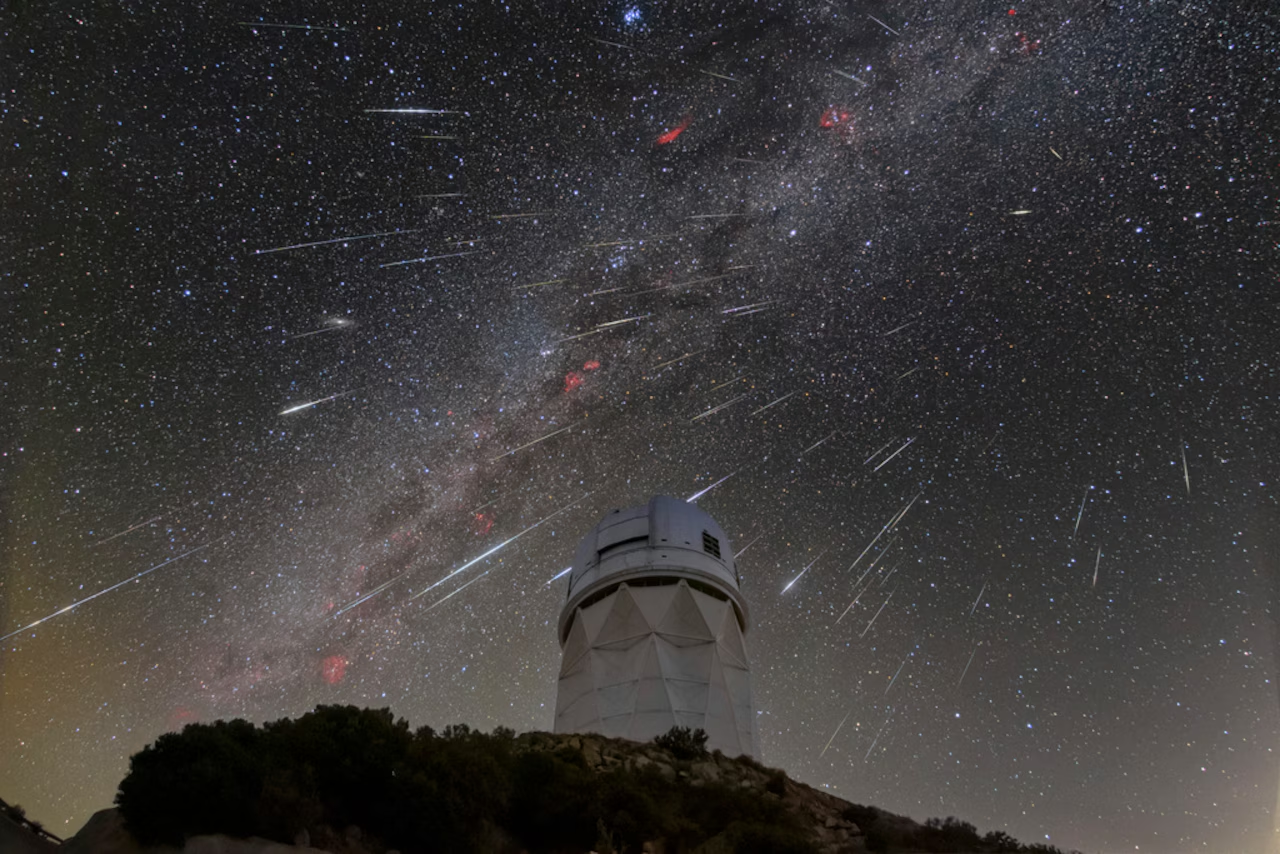
The Geminid meteor shower, originating from the asteroid Phaethon, is set to peak on December 13-14, offering up to 150 meteors per hour. However, viewing in Massachusetts may be hindered by a bright waxing gibbous moon and cloudy skies. The best time to observe is at 2 a.m. on December 14, ideally from a dark location away from light pollution.

Unraveling the Enigma of Asteroid Phaethon's Mysterious Tail

Originally Published 2 years ago — by Space.com

Featured image for Unraveling the Enigma of Asteroid Phaethon's Mysterious Tail
Source: Space.com

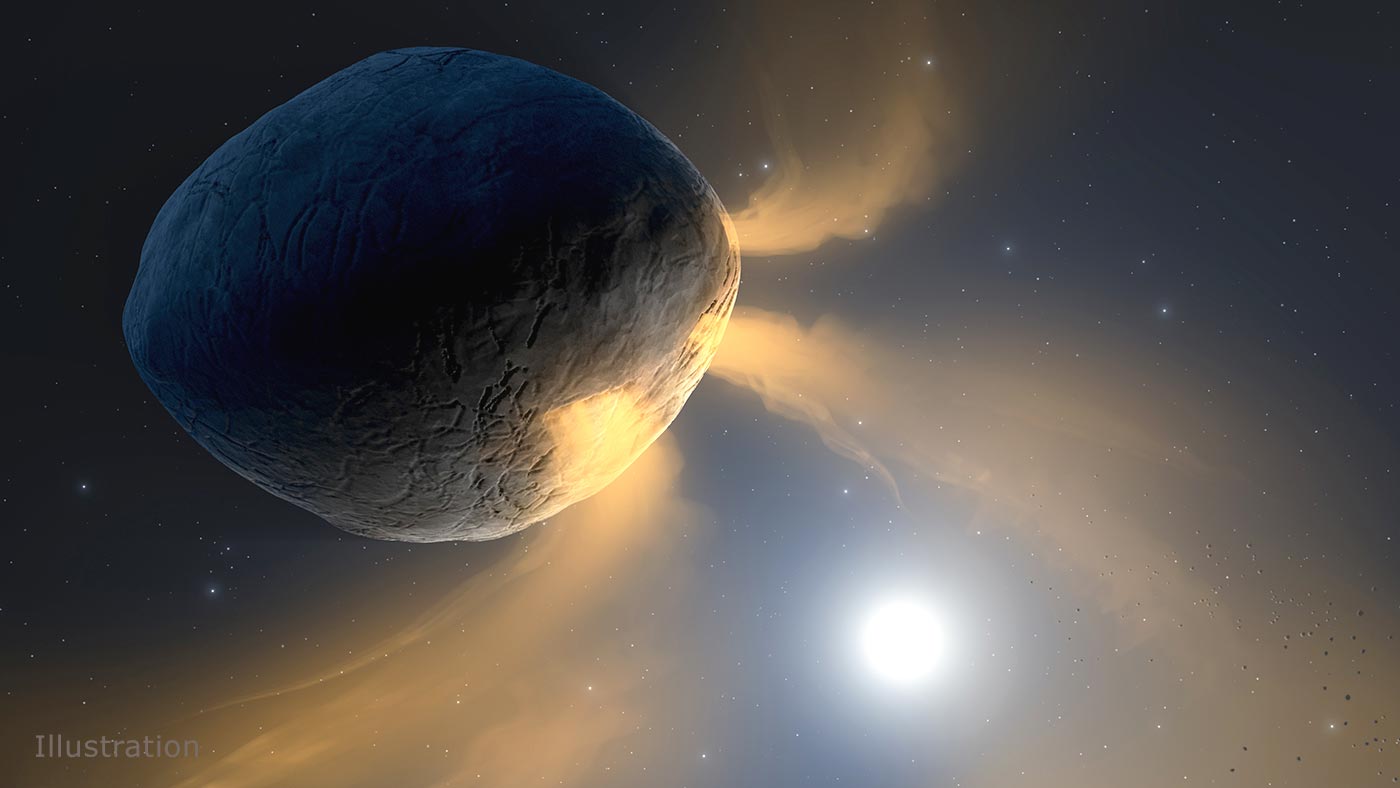
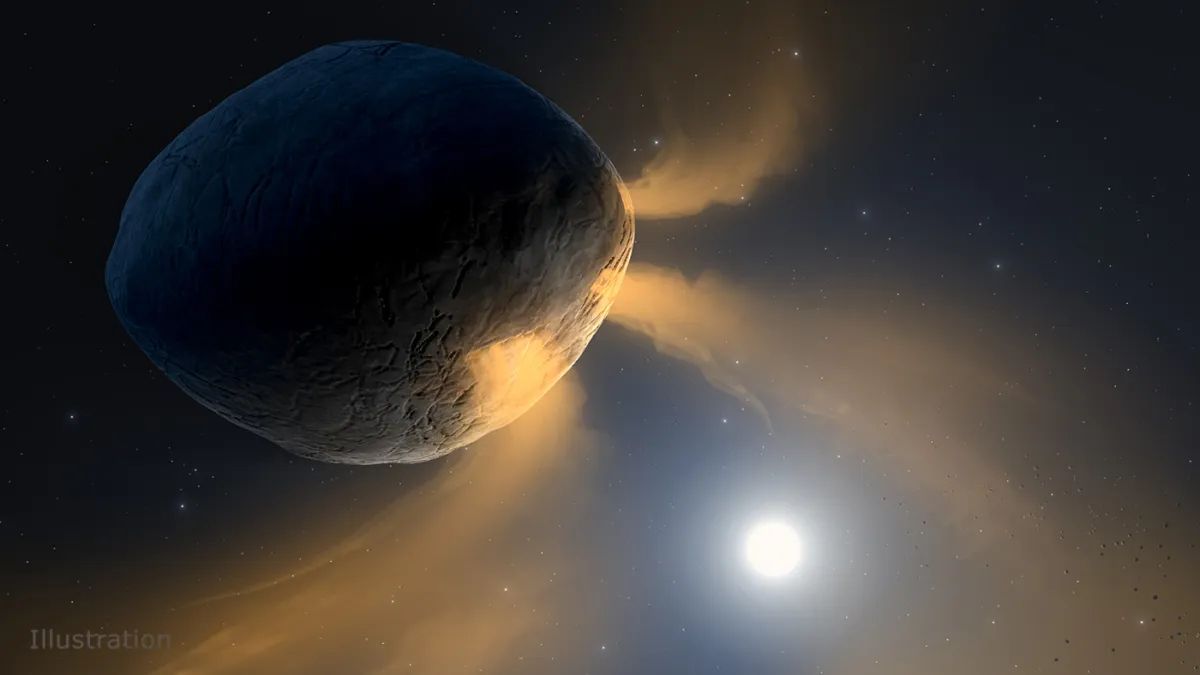
Astronomers have long been puzzled by the mysterious tail of the asteroid Phaethon, which is visible when it passes closest to the sun but not when it is farther away. New research using NASA's Spitzer space telescope suggests that Phaethon likely belongs to a rare class of meteorite called the "CY carbonaceous chondrite." The asteroid's emission spectrum reveals minerals consistent with this class, including olivine, carbonates, iron sulfides, and oxide minerals. Thermal modeling shows that as Phaethon approaches the sun, its surface temperatures can rise to 800°C, causing the release of gases from the minerals and the breakdown of the rock, resulting in the formation of a tail.

Japan's Delayed Mission to Bizarre Asteroid Phaethon Set for 2025

Originally Published 2 years ago — by Space.com

Featured image for Japan's Delayed Mission to Bizarre Asteroid Phaethon Set for 2025
Source: Space.com

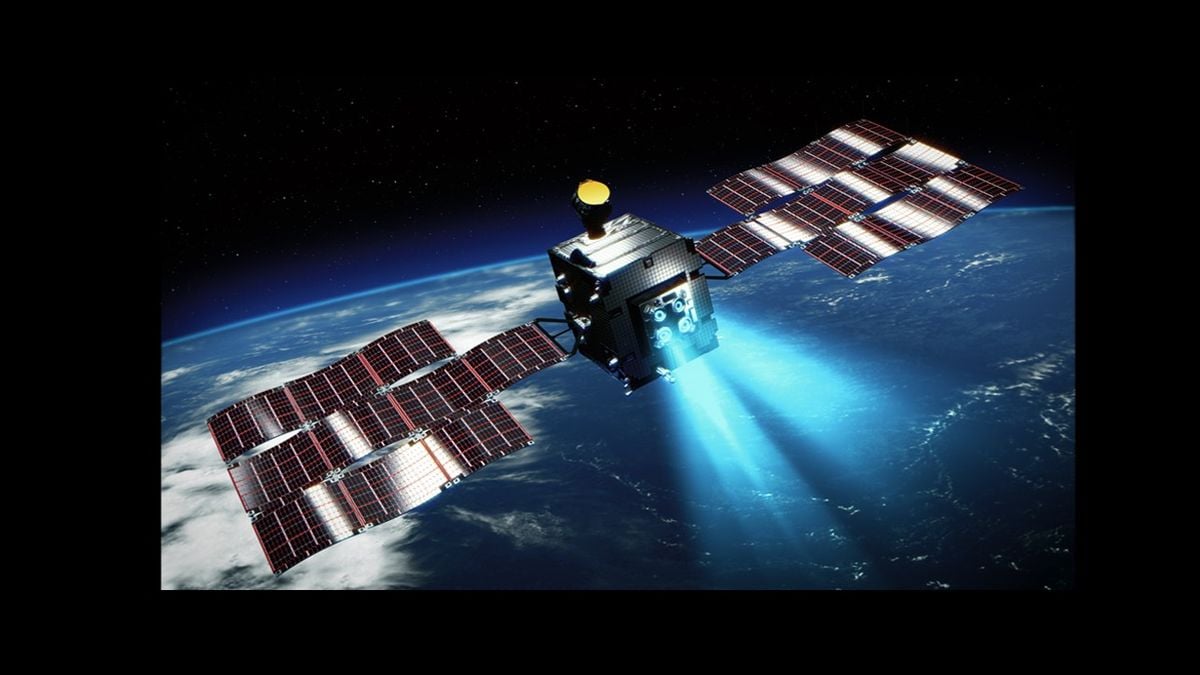
Japan's mission, DESTINY+, to study the asteroid 3200 Phaethon and interplanetary dust has been delayed to 2025 due to issues with the development of the Epsilon S rocket. The asteroid is the parent of the Geminid meteor shower and is of significant scientific interest due to its characteristics as both an asteroid and a comet. The spacecraft will make a flyby of Phaethon, surveying its surface and analyzing interplanetary and interstellar dust to assess its role in the creation of life on Earth. The mission will also demonstrate technologies for future deep space exploration.

Unravelling the Mystery of the Geminid Meteor Shower's Violent Origins.

Originally Published 2 years ago — by EarthSky

Featured image for Unravelling the Mystery of the Geminid Meteor Shower's Violent Origins.
Source: EarthSky

Data from the Parker Solar Probe suggests that the Geminid meteor shower is likely the result of a violent event, such as a high-speed collision with asteroid Phaethon or a sudden gas explosion. Unlike other annual meteor showers, which are caused by icy comets, the Geminids are produced by a rocky asteroid. The Parker Solar Probe's FIELDS instrument measured electric and magnetic fields near the sun, providing evidence for the violent scenario.

Asteroid's Tail Composition Surprises Scientists.

Originally Published 2 years ago — by SciTechDaily

Featured image for Asteroid's Tail Composition Surprises Scientists.
Source: SciTechDaily

Asteroid Phaethon, the source of the Geminid meteor shower, has a tail made of sodium, not dust, according to new research. This finding challenges previous understanding about the object and raises questions about the nature of some comets. The origin of the Geminid meteor shower’s material remains a mystery, with further answers expected from an upcoming JAXA mission, DESTINY+. The discovery was made using data from solar observatories, SOHO and STEREO, which were not intended to study phenomena like this.