The article highlights seven practices from the 1960s and 70s—such as indoor smoking, corporal punishment, drunk driving, casual drug prescribing, unregulated workplace behavior, children roaming freely, and deceptive advertising—that would be illegal or scandalous today, illustrating how social norms and laws evolve with increased understanding of health, ethics, and safety.
The article discusses whether it's appropriate to tell a stranger their fly is open and criticizes the trend of placing books with their titles facing the wall on TV home decor shows, questioning the practicality and social awareness of such decor choices.
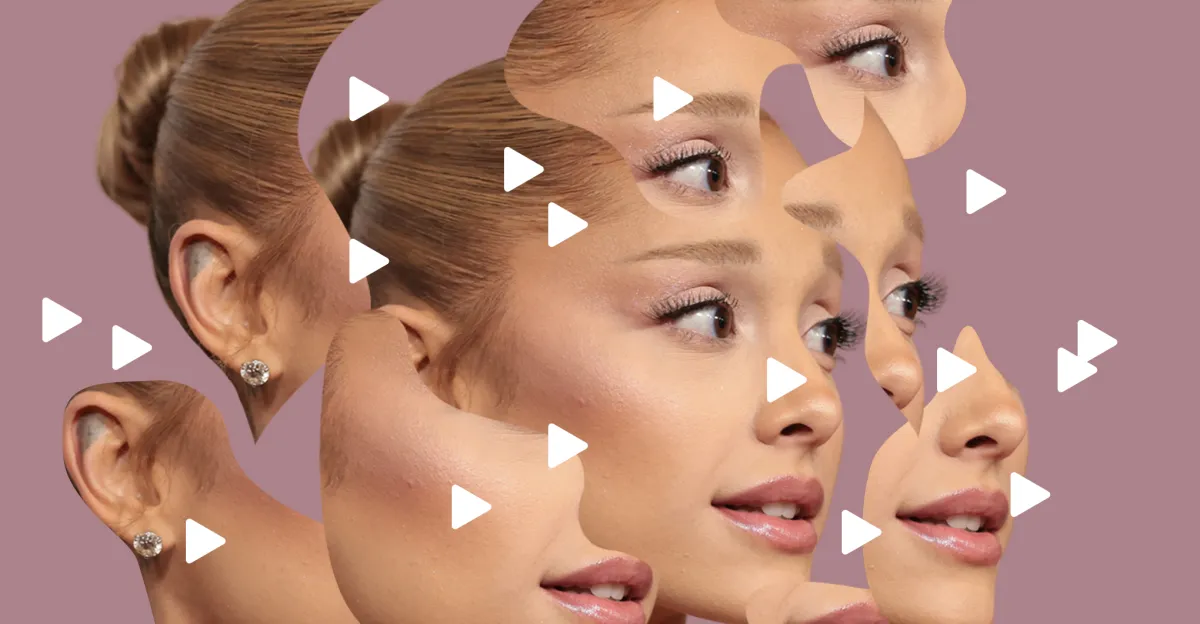
The article discusses how celebrities like Ariana Grande are rejecting AI-generated media that exploits their likenesses, yet such images continue to circulate among fans, highlighting tensions between social norms and the internet's attention economy.
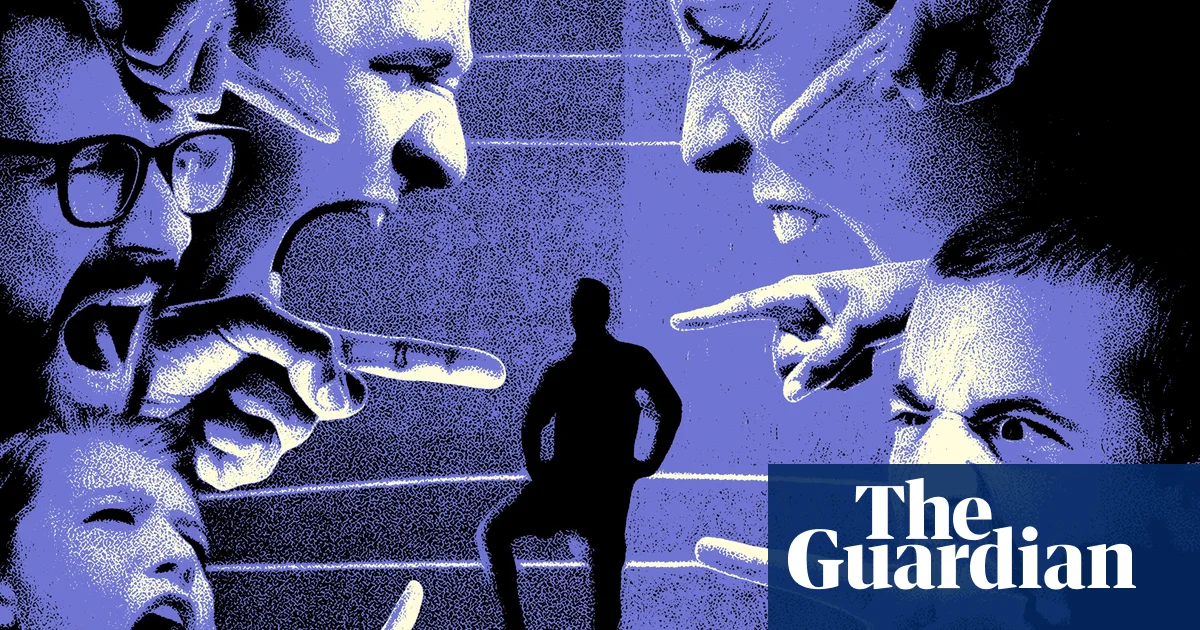
The article discusses the rise in disruptive crowd behaviour across various public events, including sports and concerts, highlighting social scientists' concerns about changing norms, the influence of social media, and societal trends indicating a potential decline in civility and adherence to social norms.
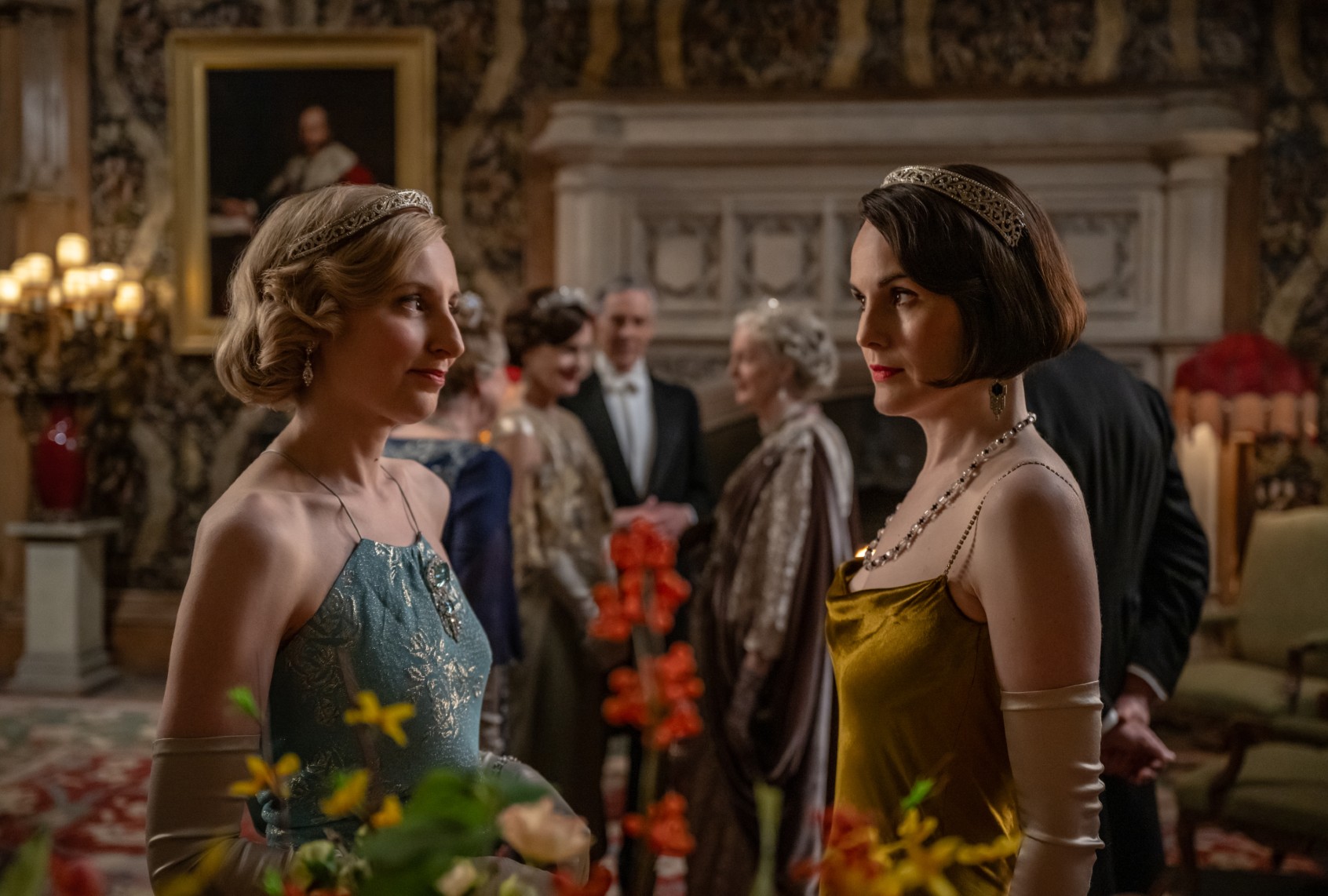
The article discusses the portrayal of divorce and social stigma in the 'Downton Abbey' franchise, highlighting how modern and vintage society view divorced women differently, with a focus on Lady Mary's storyline and the changing social attitudes towards divorce and independence.
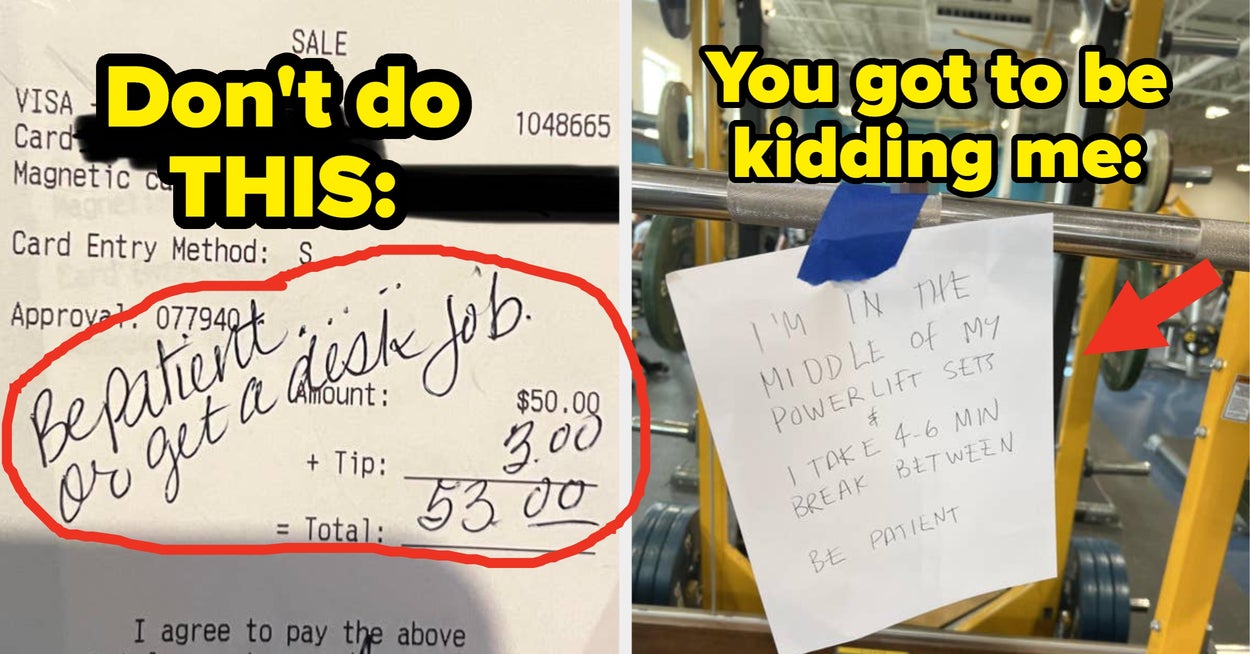
The article humorously lists various common behaviors that are widely considered rude or inconsiderate, such as improper parking, littering, and not returning shopping carts, suggesting that doing any of these makes someone the 'worst' person. It encourages reflection on social manners and respect for public spaces.
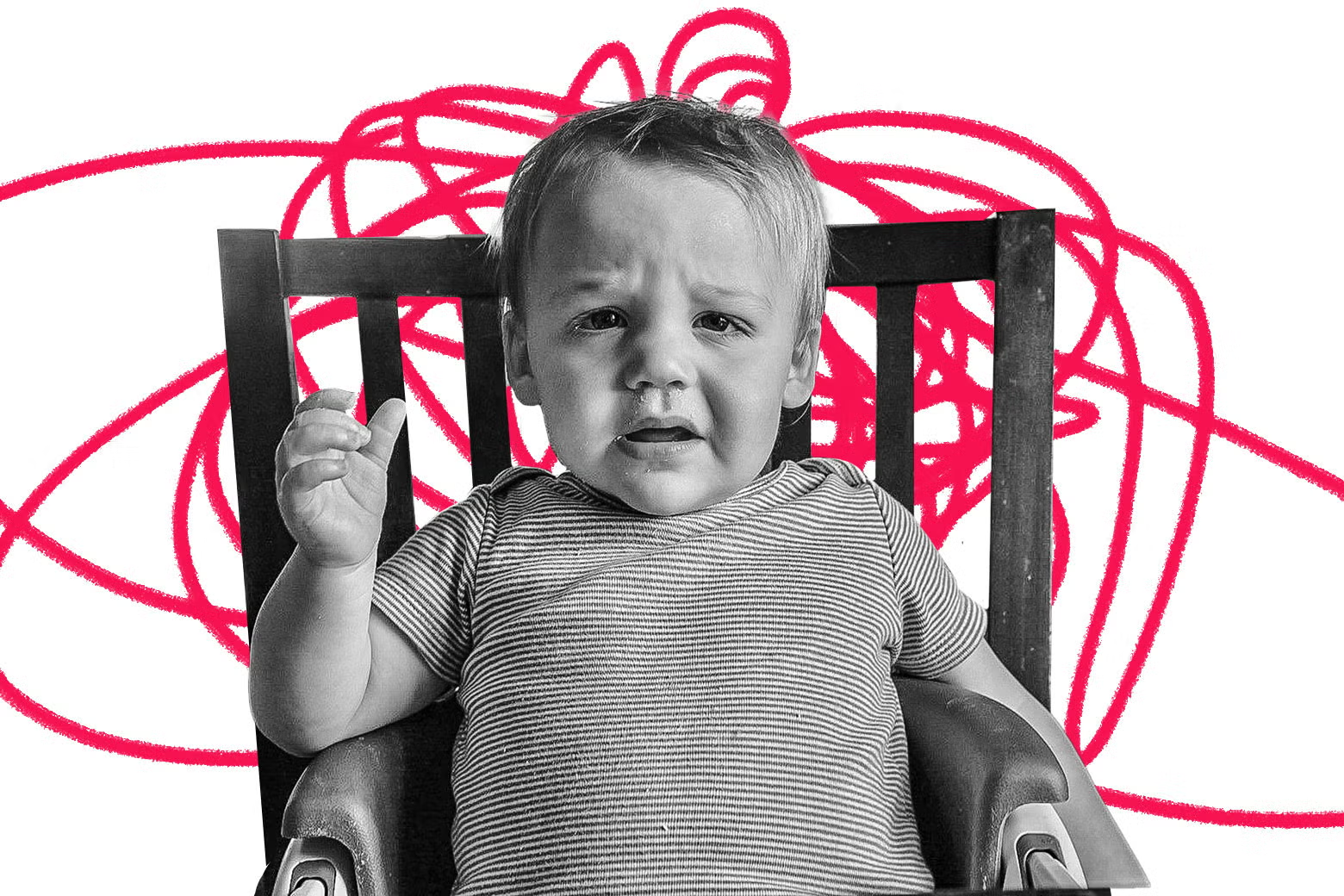
A woman recounts her husband's loud outburst at a restaurant to silence a screaming toddler, which was applauded by other diners but left her mortified. The advice suggests that such behavior is inappropriate and questions whether her husband might have underlying issues, emphasizing the importance of handling such situations more discreetly. The article also touches on other social dilemmas, including family bans over pot brownies and tipping etiquette.
A new study suggests that individuals more attuned to their bodily signals, such as heart rate, tend to make moral decisions aligned with the majority, indicating that physical cues may play a role in moral intuition and social conformity.
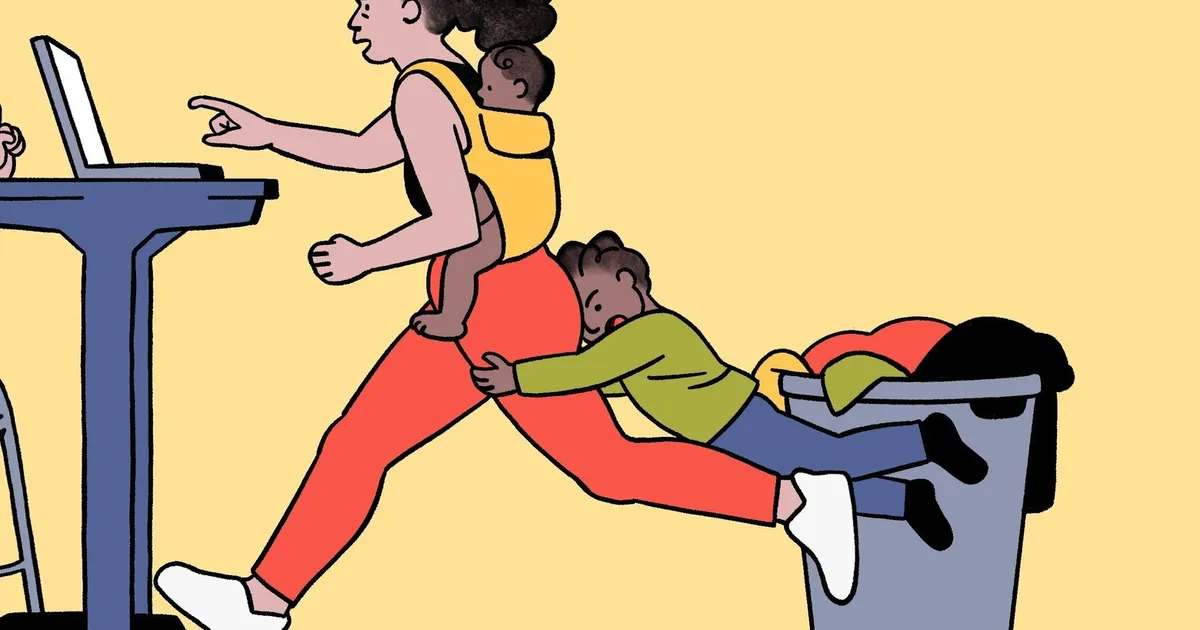
A gender gap in exercise persists, with only 33% of women meeting weekly aerobic exercise recommendations compared to 43% of men, largely due to the disproportionate amount of time women spend on caregiving and household responsibilities. This disparity, which starts in childhood, affects women's health and quality of life, as they often prioritize others' needs over their own. Experts suggest finding workout buddies, reframing exercise as part of caregiving, and celebrating small achievements to help women incorporate more physical activity into their lives.
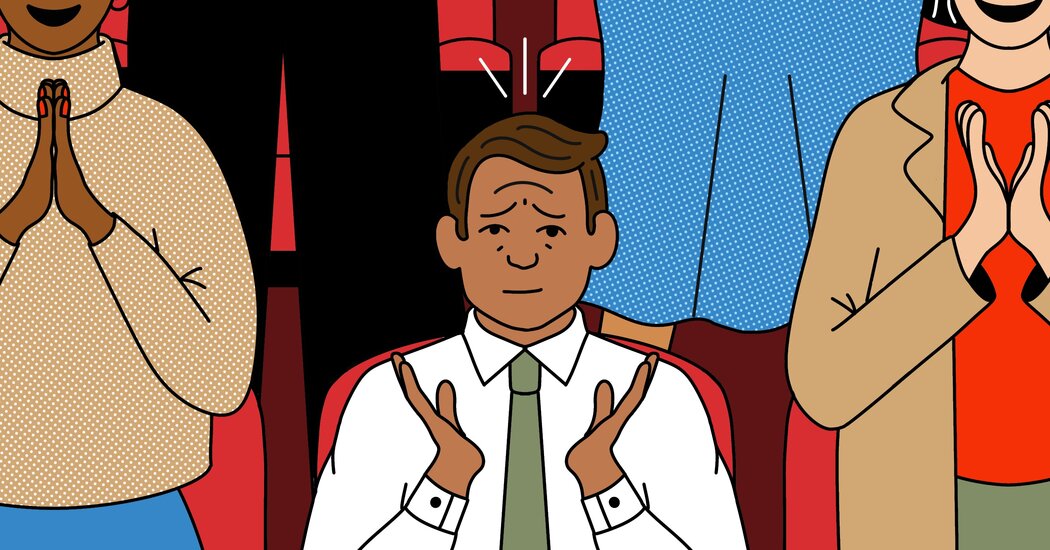
The article explores the social pressure and etiquette surrounding standing ovations at performances, questioning whether individuals should feel obligated to participate if they don't genuinely feel moved to do so.
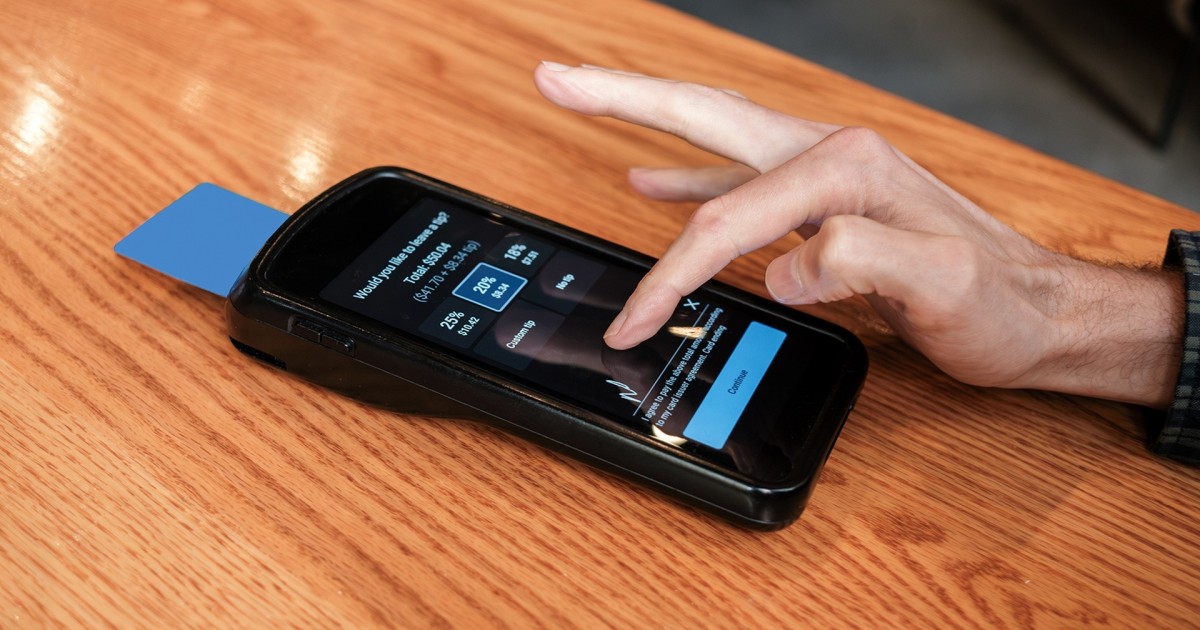
The article discusses the increasing prevalence and expectations of gratuity requests in various service settings, questioning whether these requests are becoming excessive and exploring the impact on consumer behavior and social norms.
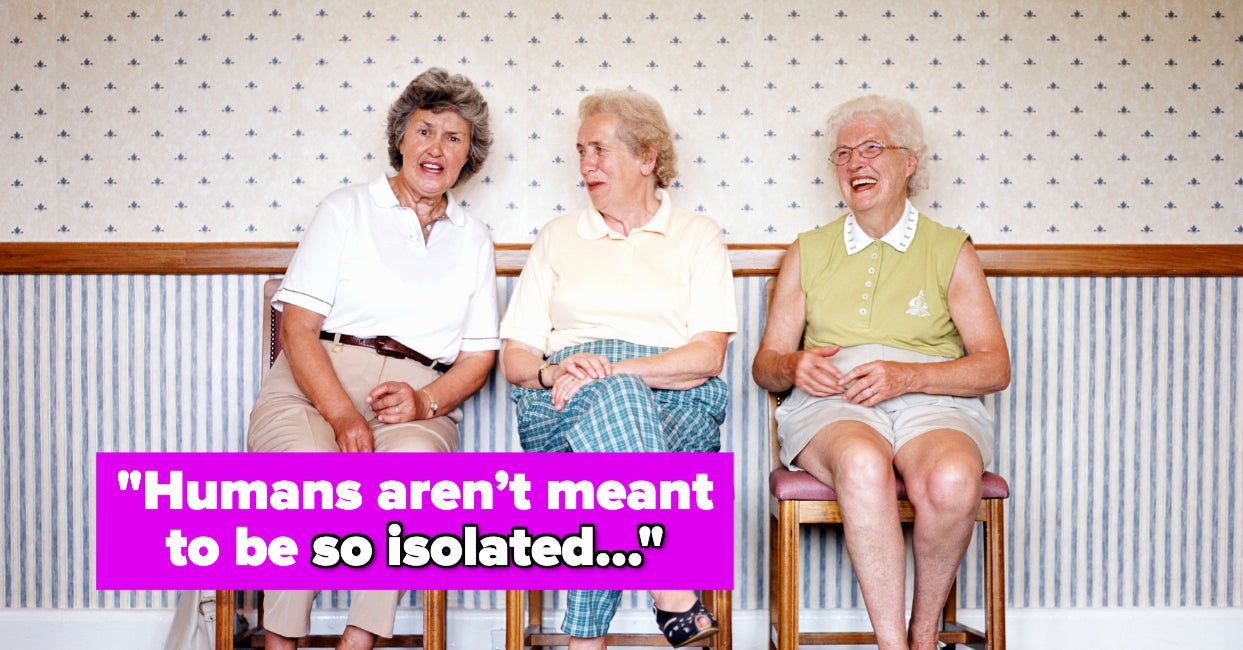
Redditors from the r/AskOldPeople subreddit shared their disagreements with modern social norms, including oversharing on social media, children using social media, excessive advertising for betting, lack of courtesy in communication, public vaping, and more, highlighting a generational divide in attitudes towards technology and behavior.
A new study emphasizes the crucial role of bystanders in confronting anti-social behavior, showing that bystander support reinforces social norms and discourages harmful conduct, while silence or subject-changing undermines these efforts. The research suggests that active bystander participation is essential to maintain pro-social norms and prevent the acceptance of anti-social behavior, with significant implications for bystander training programs and broader societal conduct.
A TikTok user's video about being unable to afford an Uber home after friends split the check evenly, despite only ordering mozzarella sticks and water, has sparked a debate about bill-splitting etiquette. Other users shared similar experiences, with some suggesting solutions such as using Venmo to split bills or asking for separate checks. Some individuals expressed anxiety over these situations affecting their decisions about dining out, with some opting to skip meals or leave early to avoid bill-splitting issues.
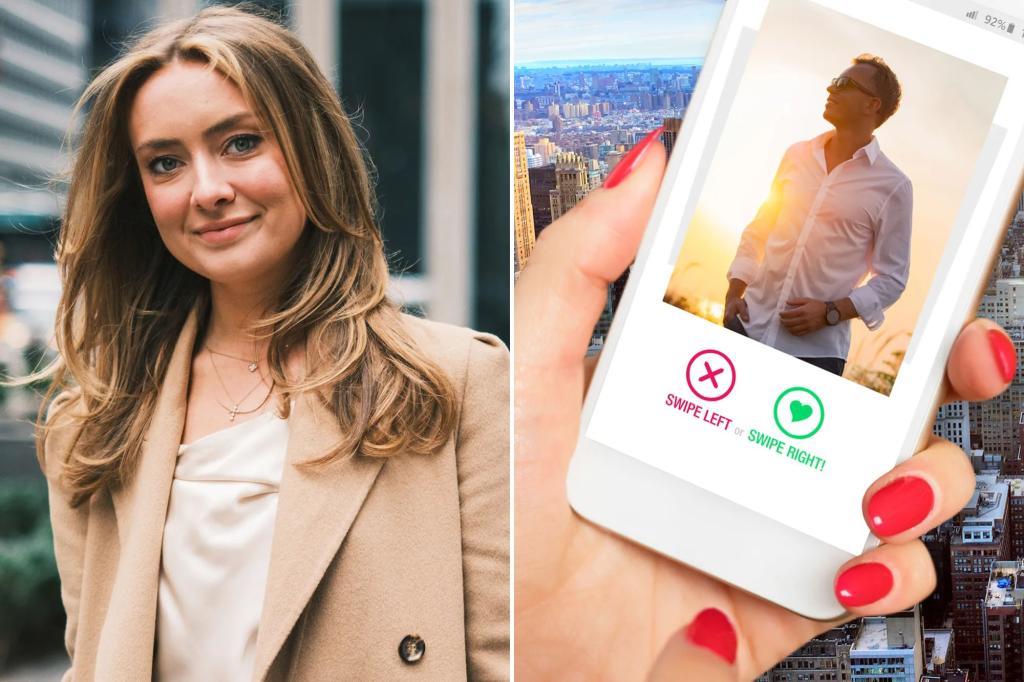
New York City has been ranked as one of the worst American cities to be single, according to a study conducted by WalletHub. The ranking took into account factors such as dating opportunities, affordability, and outlets for recreation. While the city ranked high in recreation, it ranked poorly in affordability and dating opportunities. The rise of dating apps and evolving social norms have made dating in NYC particularly challenging, with many singles turning to apps but facing the pressure of an ultra-competitive dating culture. Additionally, the fear of being perceived as creepy and the high cost of socializing in the city contribute to the difficulties of meeting someone in person.