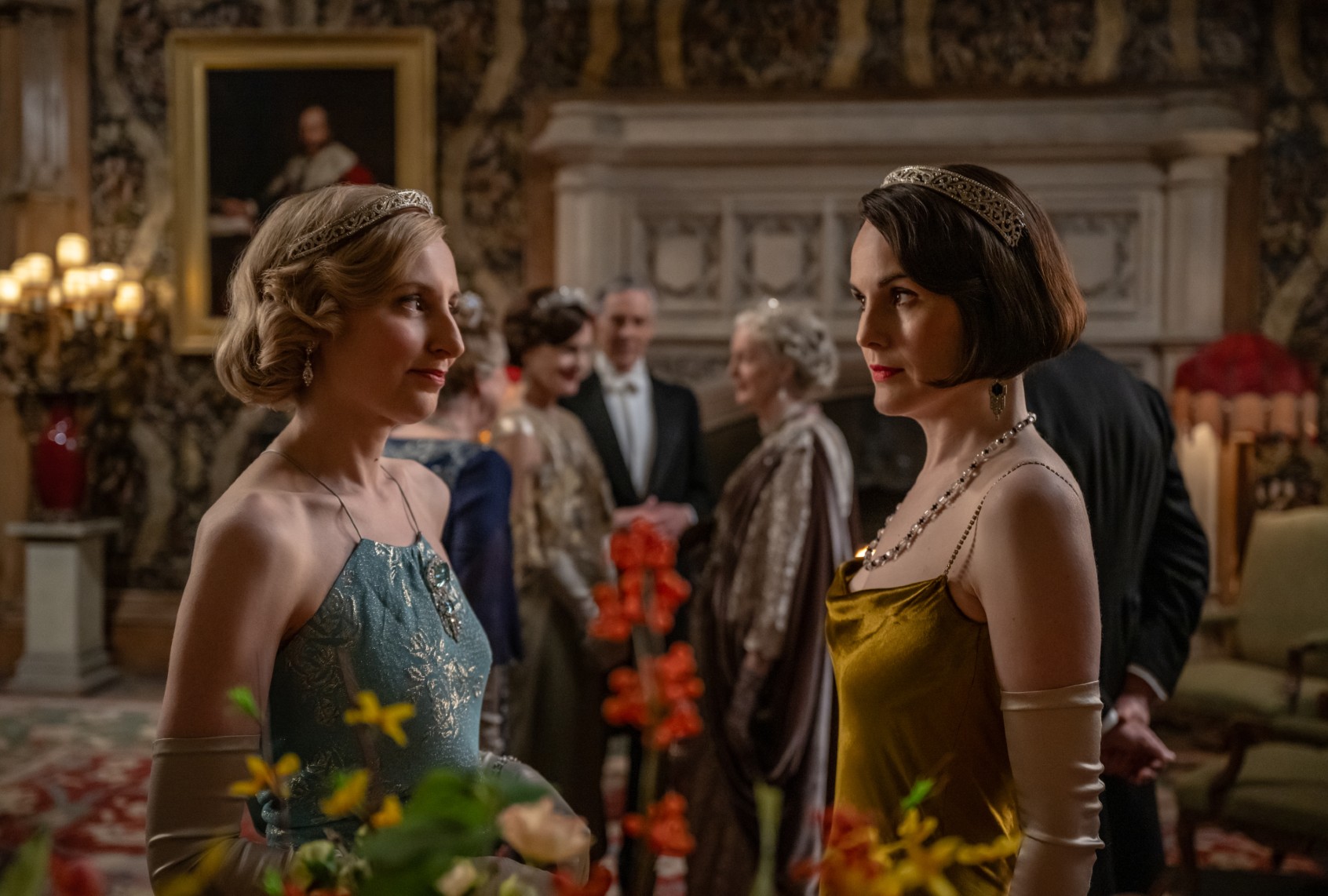
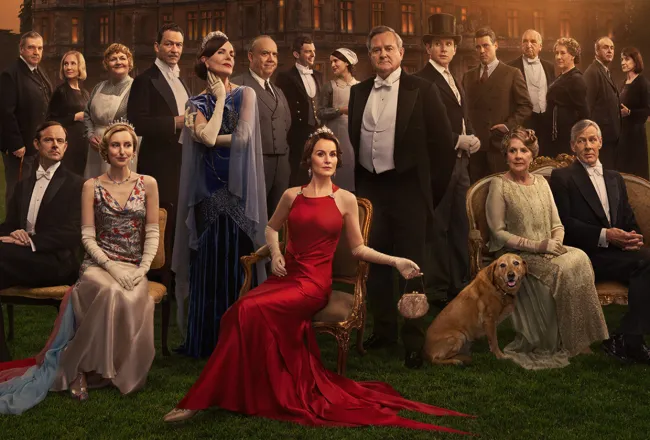
Michelle Dockery reflects on her 15-year role as Lady Mary Crawley in 'Downton Abbey,' discussing the emotional farewell, the film's ending, and her future projects, emphasizing the show's comforting and human qualities that resonated with audiences.
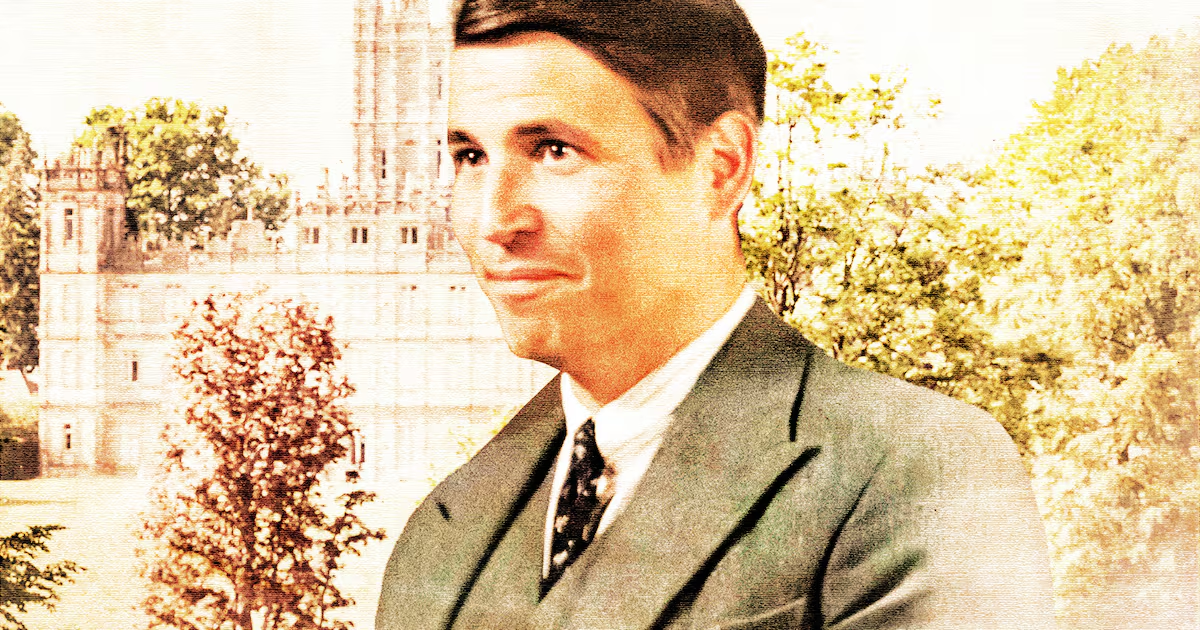
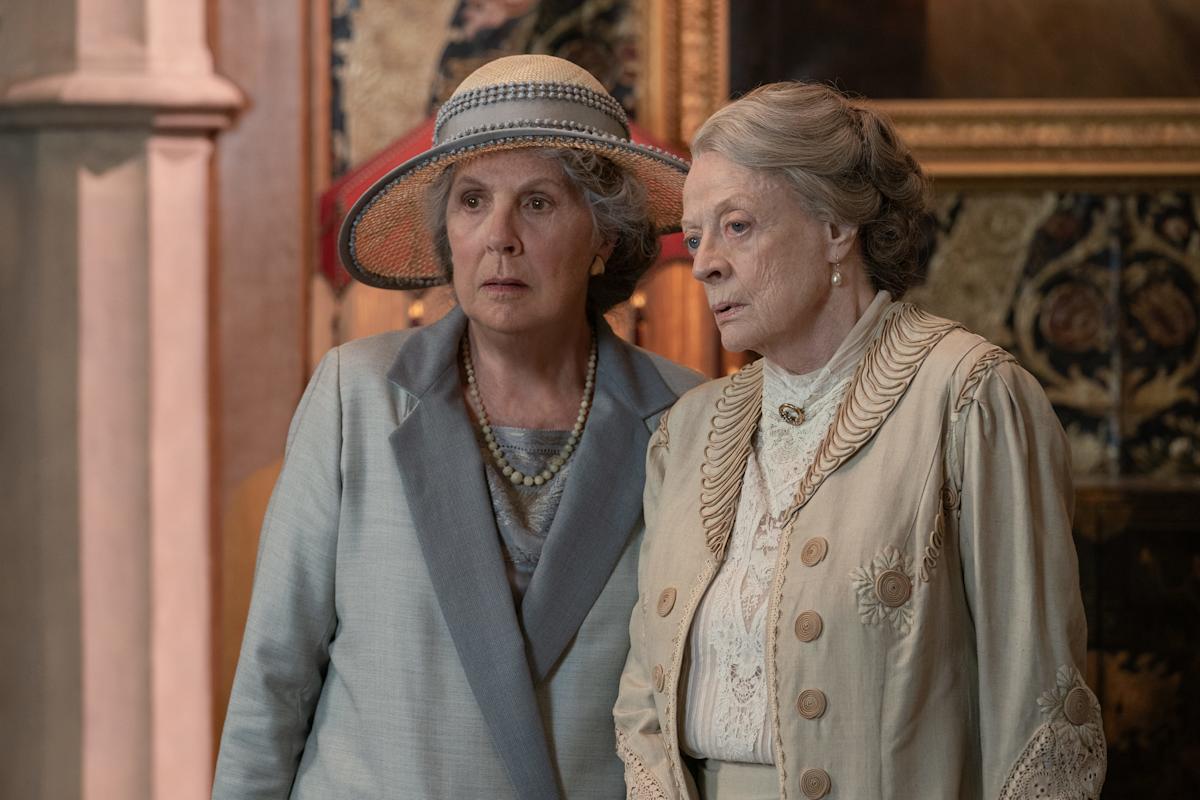
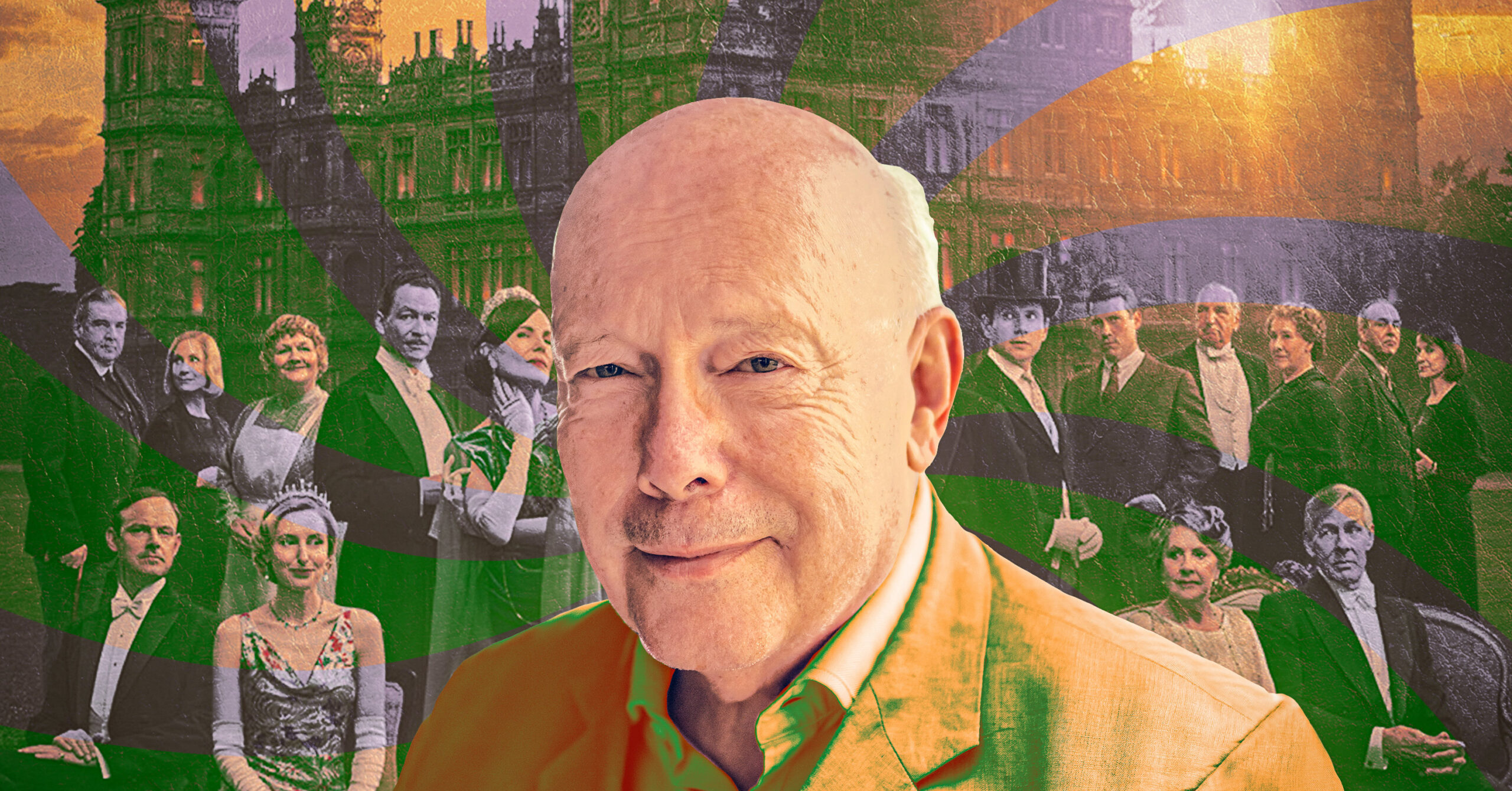
Julian Fellowes reflects on 15 years of 'Downton Abbey,' dedicates the third film to Maggie Smith, and announces it's time to end the series, citing the desire to conclude on a high note and the natural end of the story. He also discusses the show's success, favorite moments, and his future projects like 'The Gilded Age.'
The Grand Finale of Downton Abbey finally provides Thomas Barrow with a happy ending, showcasing his love story with Guy Dexter and his acceptance within the social hierarchy, marking a significant and positive conclusion for his character after years of struggle and tragedy.
The article discusses the portrayal of divorce and social stigma in the 'Downton Abbey' franchise, highlighting how modern and vintage society view divorced women differently, with a focus on Lady Mary's storyline and the changing social attitudes towards divorce and independence.
The final scene of 'Downton Abbey: The Grand Finale' features a nostalgic montage of characters, both living and deceased, celebrating life at Downton, emphasizing the show's enduring emotional impact. The creator clarifies that while this may be the end of this chapter, future revisits are possible but unlikely with the same cast and period.
'Downton Abbey: The Grand Finale' concludes with Lady Mary overcoming social ostracism and family resistance, paying tribute to Maggie Smith through nostalgic visuals, and hinting at potential crossovers with 'The Gilded Age,' while celebrating the series' themes of legacy and family.
In 'Downton Abbey: The Grand Finale,' Lady Mary is revealed to be divorced from Henry Talbot, a storyline crafted due to actor Matthew Goode's limited involvement, which allows Mary to embrace her independence and leadership at the Abbey, marking a significant character development.
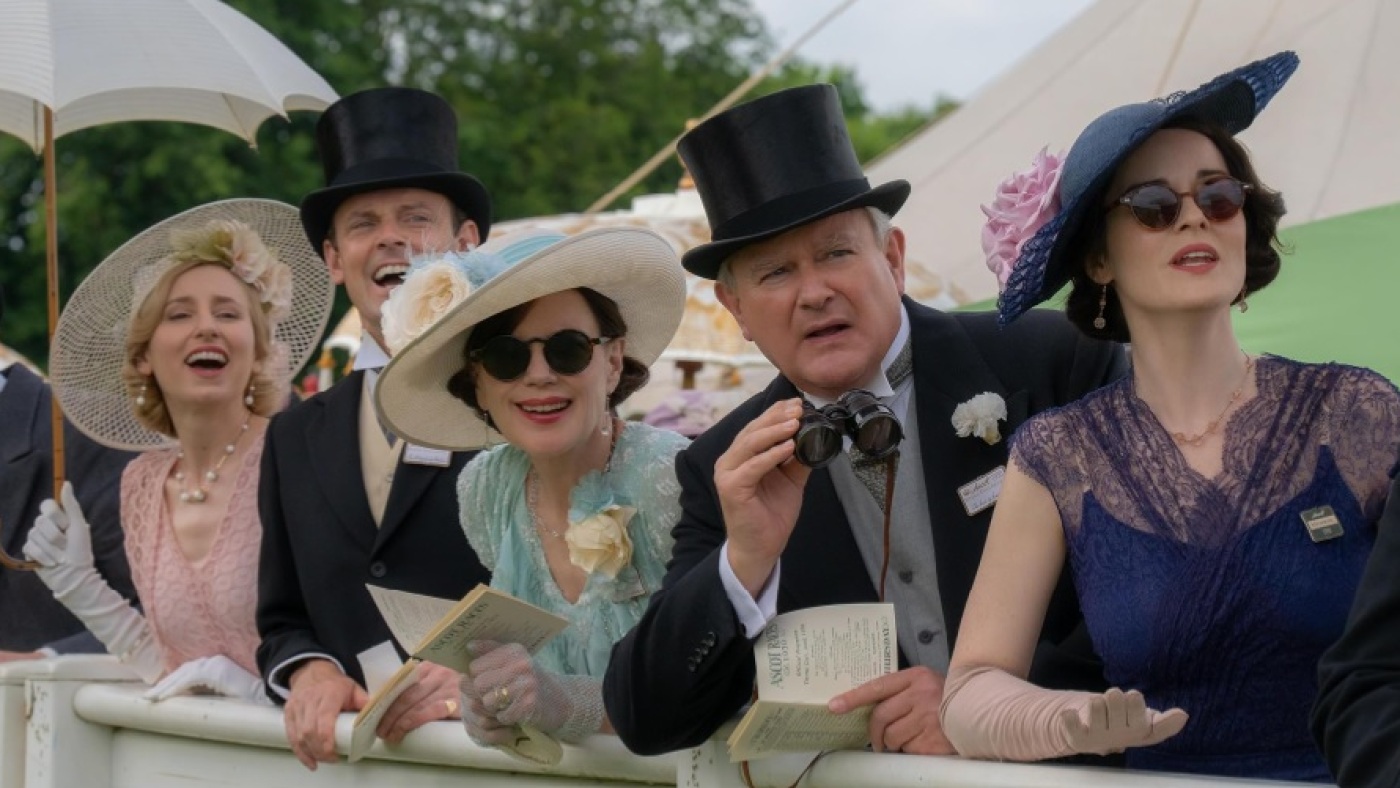
The article discusses the concluding chapter of 'Downton Abbey' with the release of its third movie, 'The Grand Finale,' set in 1930, highlighting the show's nostalgic portrayal of changing social dynamics, character developments, and the possibility of future stories, despite the series' and movies' seemingly definitive ending.
Julian Fellowes, creator of Downton Abbey, reflects on ending the beloved series with the film 'Downton Abbey: The Grand Finale,' discussing the show's themes, character arcs, and his creative process, while also touching on social changes and his other project, The Gilded Age.
‘Downton Abbey: The Grand Finale’ receives a 2-star review, criticized for being a superficial reiteration of the beloved series that depicts a fictionalized, idealized version of early 20th-century England, ultimately delivering a disappointing ending.
Originally Published 4 months ago — by Rolling Stone
The article discusses the final episode of 'Downton Abbey,' marking the end of its long-running series, films, and cultural impact, highlighting the nostalgic farewell to the beloved characters and setting, while noting that the finale offers a sentimental but somewhat underwhelming conclusion to the franchise.
Interest in the Downton Abbey franchise has surged on Peacock ahead of the theatrical release of 'The Grand Finale' on September 12, with record viewership for the series and films, and a special celebrating the franchise's conclusion airing on NBC.
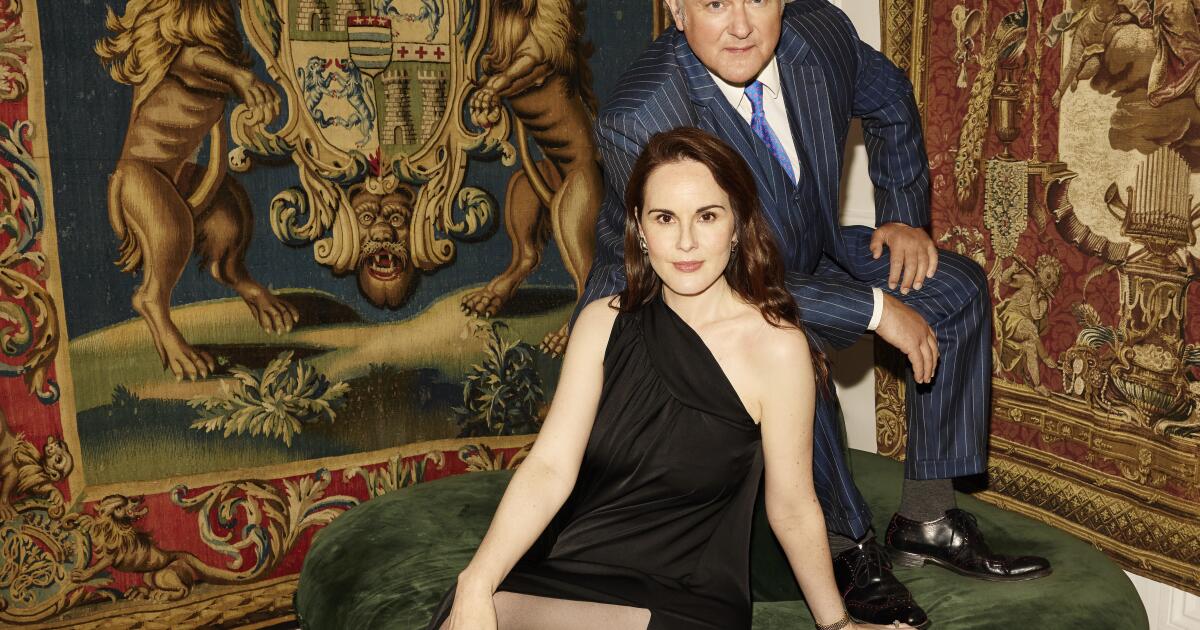
Hugh Bonneville and Michelle Dockery reflect on the emotional conclusion of 'Downton Abbey' with the release of 'The Grand Finale,' marking the end of the original cast's journey after 15 years, exploring themes of aging, change, and moving on.
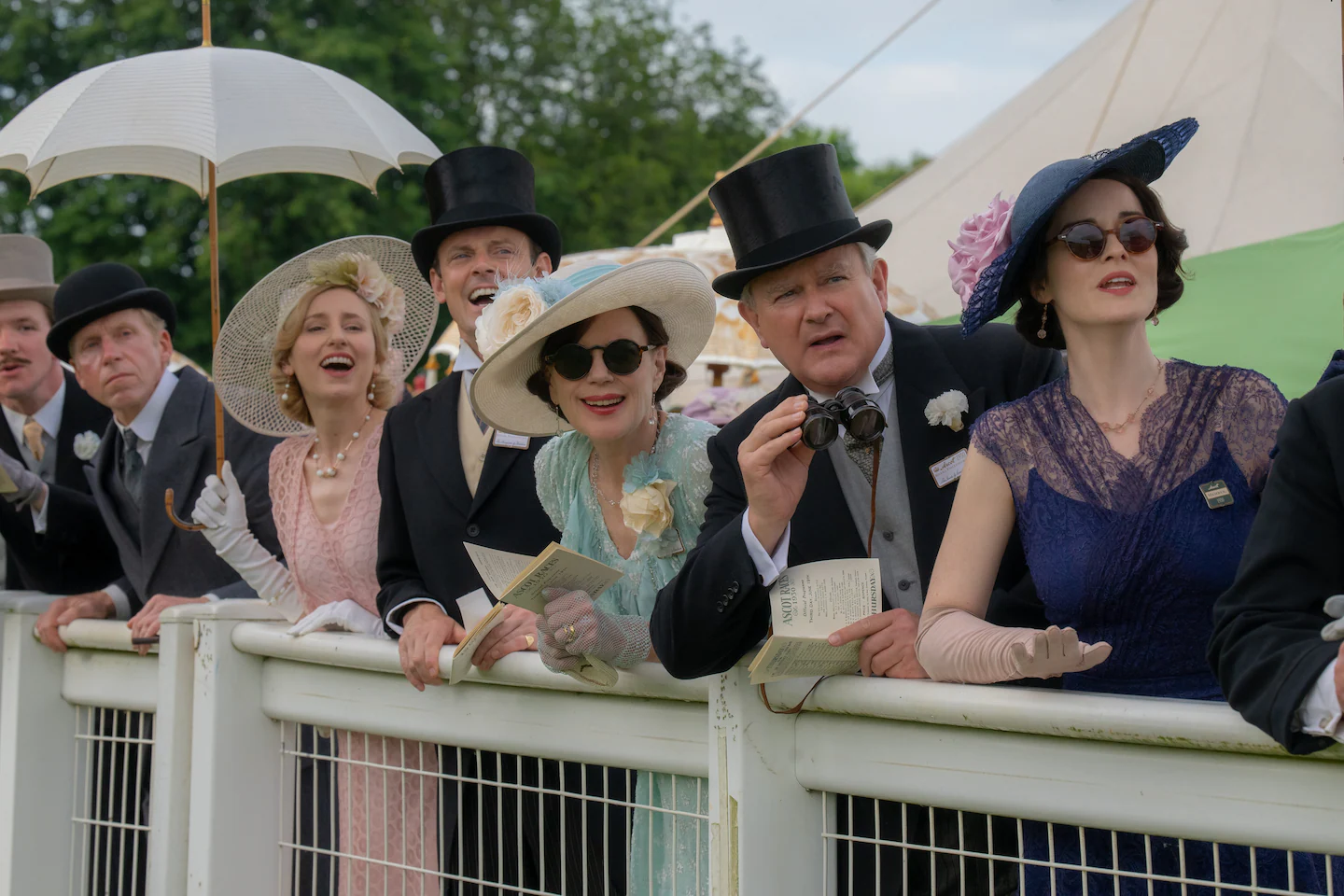
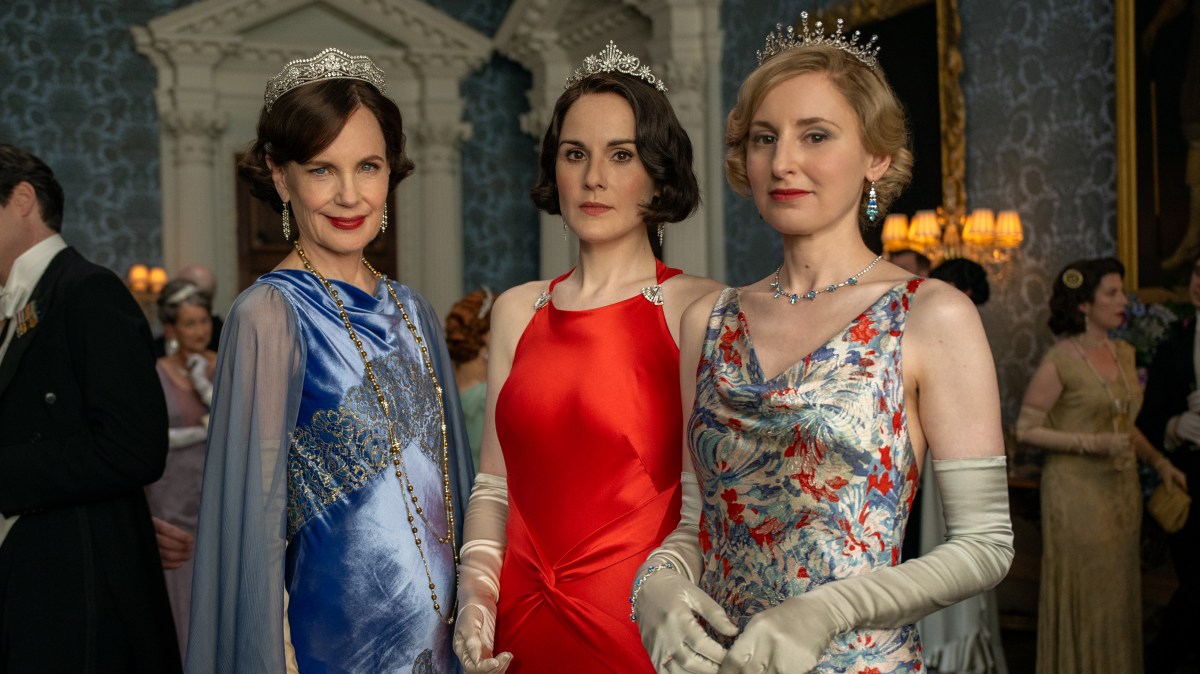
‘Downton Abbey: The Grand Finale’ is an overstuffed yet endearing film that provides a fitting conclusion for fans of the long-running series, featuring familiar characters, new additions like Noel Coward, and a mix of comedy and drama set in 1930, culminating in nostalgic and emotional moments.
The review of 'Downton Abbey: The Grand Finale' is highly critical, dismissing it as overly kitschy and disconnected from its former relevance, with a plot that relies on clichés and superficial character arcs, ultimately celebrating its end.