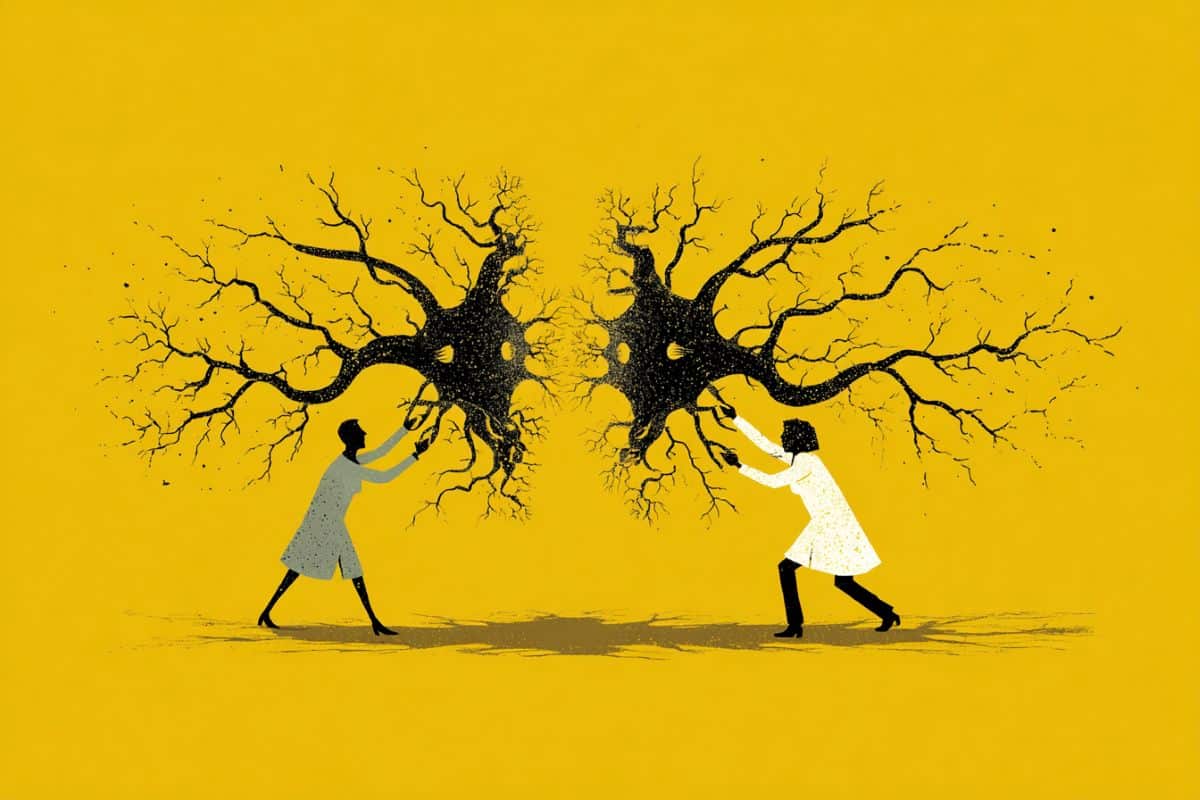
Researchers identified specific neurons in the dorsomedial striatum that control the 'loser effect' in mice, revealing distinct brain circuits for winning and losing behaviors, which could provide insights into human social dynamics.
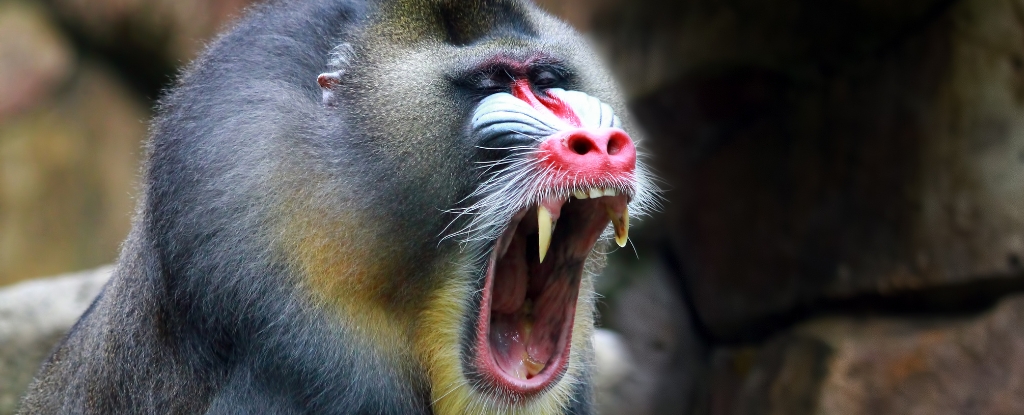
A new study challenges the traditional view that male primates dominate females, revealing a complex and varied spectrum of social hierarchies across 121 species, with dominance patterns influenced by physical traits, reproductive control, and social structure.
A global psychology study involving nearly 6,000 participants across 13 countries found that cool individuals are consistently perceived as extraverted, powerful, open-minded, adventurous, and independent, with these traits crossing cultural boundaries and evolving through media influence, serving as catalysts for cultural change.
Bonding in small hierarchical groups leads to enhanced neural synchronization between leaders and followers, fostering more dynamic communication. Using fNIRS technology to record brain activity in 176 triads during communication exercises, researchers found that groups who underwent a bonding session demonstrated increased verbal interaction and quicker shifts in dialogue participants, especially between leaders and followers. This increased neural alignment was observed in the right dorsolateral prefrontal cortex and the right temporoparietal junction, areas associated with social interaction. The findings, limited to text communication among East Asian Chinese participants, offer insights into the neurocognitive mechanisms underpinning social hierarchy and bonding’s role in facilitating group dynamics.
Dominant female meerkats exhibit a brutal behavior of killing female relatives and eating their offspring to maintain control of the mob. A new study suggests that these murderous matriarchs have a sex-specific signature of dominance that gives them super-immunity, resembling immunity genes seen in male baboons. Dominant female meerkats control up to 80% of breeding and have higher levels of cortisol and androgen hormones, as well as a higher body mass. They also show an increased response to inflammatory stimuli, indicating better preparedness to fight infections. The findings support the hypothesis that social status is dependent on the energy needed to achieve dominance and highlights the impact of social interactions on molecular processes in animals.
Our brains can identify dominant individuals in a social group within two-tenths of a second after viewing their faces, according to a study by researchers at the University of Queensland. The area of the brain associated with processing fear is also engaged in identifying dominant individuals. This fast processing speed supports our ability to navigate complex social environments, such as the workplace or school.
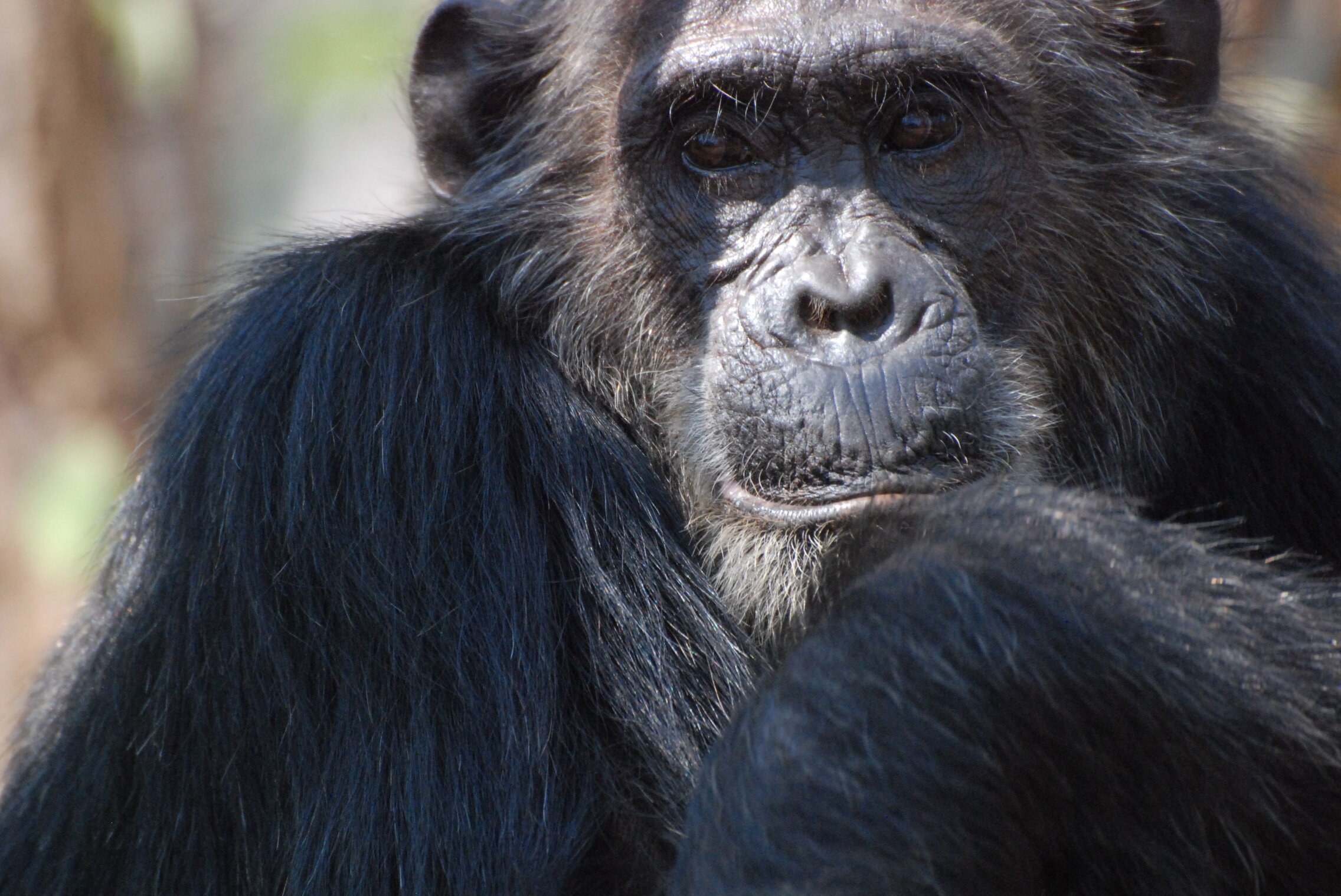
A new study published in the journal PeerJ found that male chimpanzees with bullying, greedy, and irritable personalities tend to reach higher rungs of the social ladder and are more successful at siring offspring than their more deferential and conscientious counterparts. However, researchers are puzzled as to why not every chimp is a bully if it leads to success. The study suggests that something else must explain the diversity of personalities in chimpanzees, such as environmental or social conditions, or the cost of certain traits to females.