
A study found that higher cognitive ability is linked to better synchronization of brain regions, specifically through theta connectivity, which may serve as a marker for intelligence and cognitive control, with potential implications for future diagnostics and brain training tools.
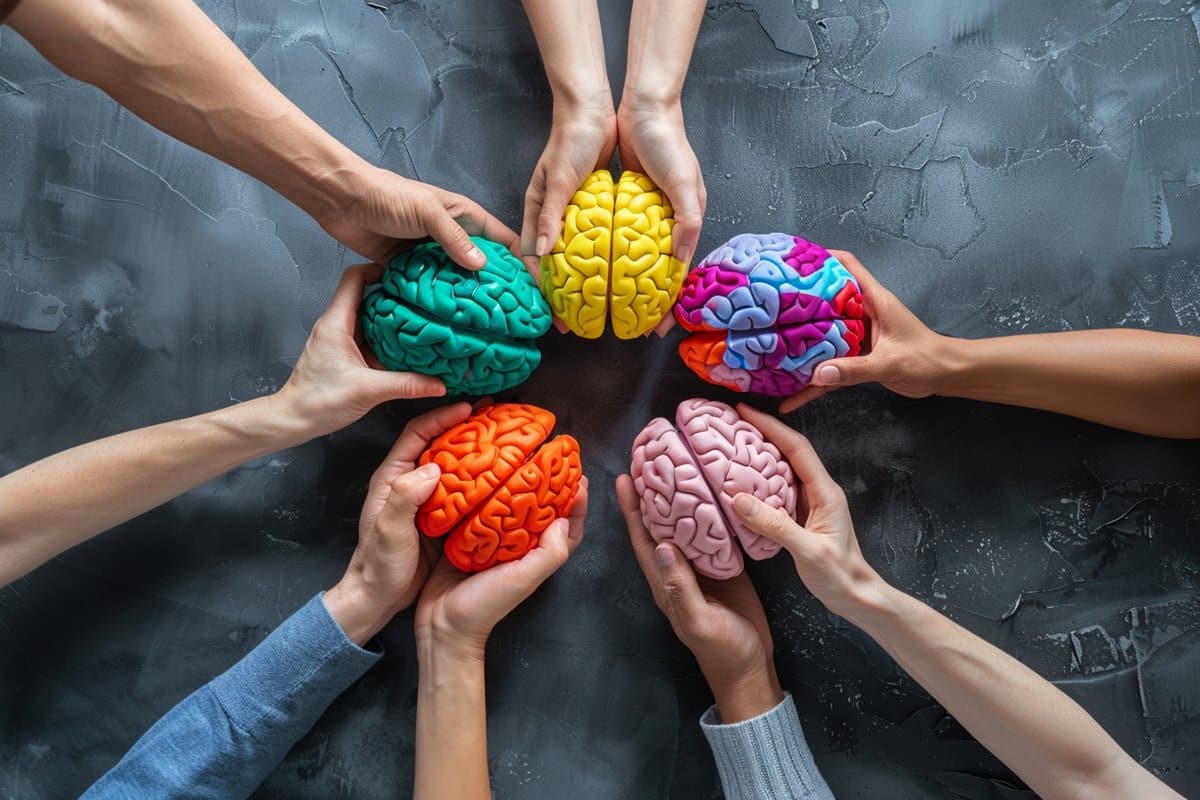
Bonding in small hierarchical groups leads to enhanced neural synchronization between leaders and followers, fostering more dynamic communication. Using fNIRS technology to record brain activity in 176 triads during communication exercises, researchers found that groups who underwent a bonding session demonstrated increased verbal interaction and quicker shifts in dialogue participants, especially between leaders and followers. This increased neural alignment was observed in the right dorsolateral prefrontal cortex and the right temporoparietal junction, areas associated with social interaction. The findings, limited to text communication among East Asian Chinese participants, offer insights into the neurocognitive mechanisms underpinning social hierarchy and bonding’s role in facilitating group dynamics.