Tag

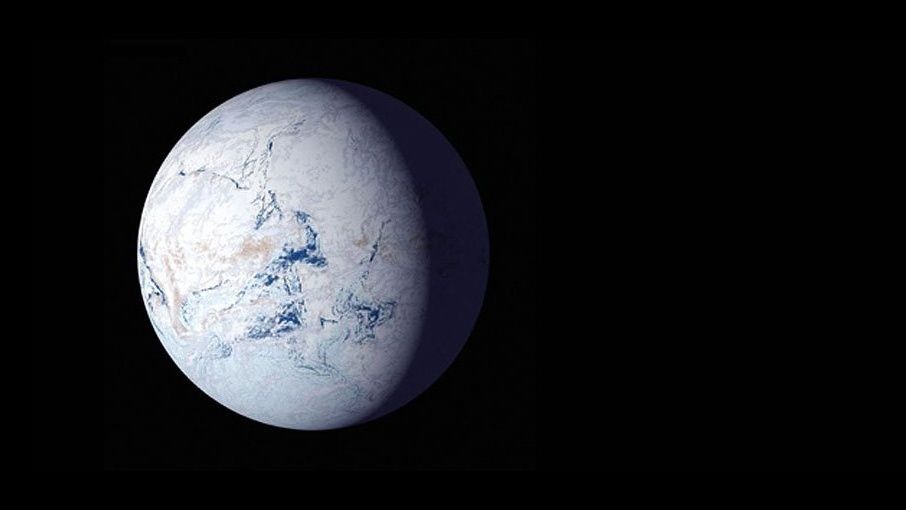
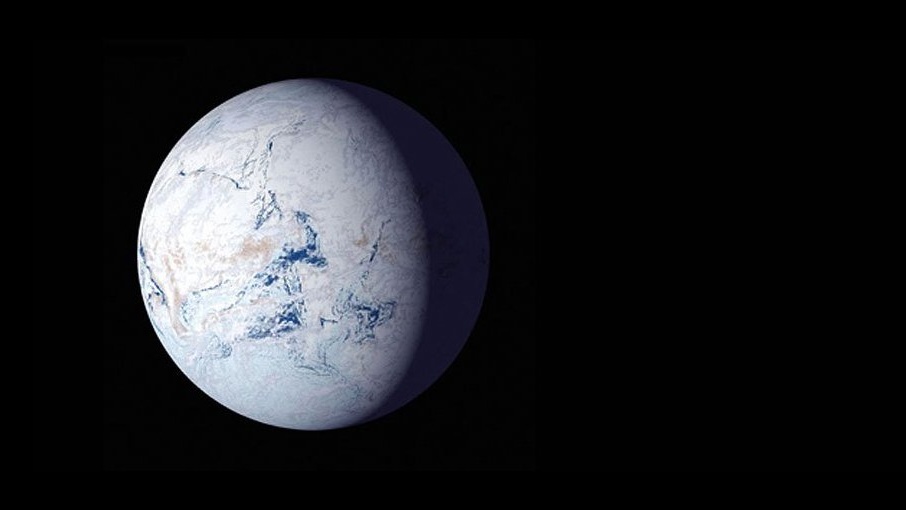
Snowball Earth

All articles tagged with #snowball earth

science1 year ago

Colorado Sandstones Reveal Earth's Ancient Ice Age

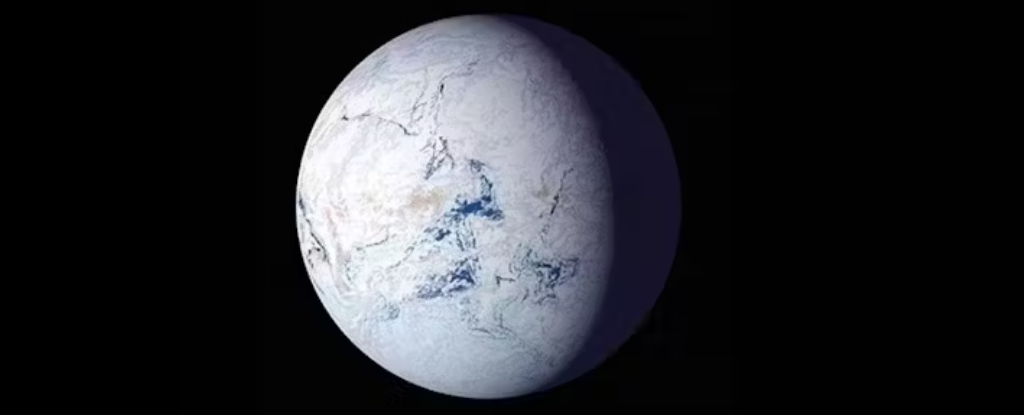
A study from the University of Colorado Boulder provides strong evidence supporting the Snowball Earth theory, suggesting Earth was once entirely frozen, even at the equator, between 720 and 635 million years ago. Researchers analyzed ancient rock formations in Colorado, finding that glaciers likely covered the planet, impacting early life and possibly facilitating the evolution of multicellular organisms. The study highlights the importance of geological research in understanding Earth's climatic history and its influence on life's evolution.

science1 year ago

New Evidence Confirms 'Snowball Earth' Covered Entire Globe in Ice

Researchers have discovered glacial deposits in Colorado's Front Range, suggesting that during the Sturtian glaciation, around 660 to 700 million years ago, the region was covered by a massive ice sheet. These deposits, known as the Tavakaiv sandstones, contain hematite formed under specific conditions, indicating geothermal activity beneath the ice. This finding provides insight into the snowball Earth period, where even equatorial regions were glaciated, although conditions varied across different continents.

science1 year ago

Earth's Ancient Ice Age: A Frozen Planet 600 Million Years Ago

New evidence from the Tava sandstones in Colorado supports the theory that Earth was entirely covered in ice during the "Snowball Earth" period, between 720 and 635 million years ago. This study provides the first physical evidence that glaciers reached the equator, suggesting a global ice coverage. The research, using laser ablation mass spectrometry, dated the rocks to 690-660 million years ago, aligning with the Snowball Earth phase. Understanding this period is crucial for insights into Earth's climate evolution and the emergence of multicellular life.

science1 year ago

Colorado Rocks Confirm 'Snowball Earth' Ice Age Theory

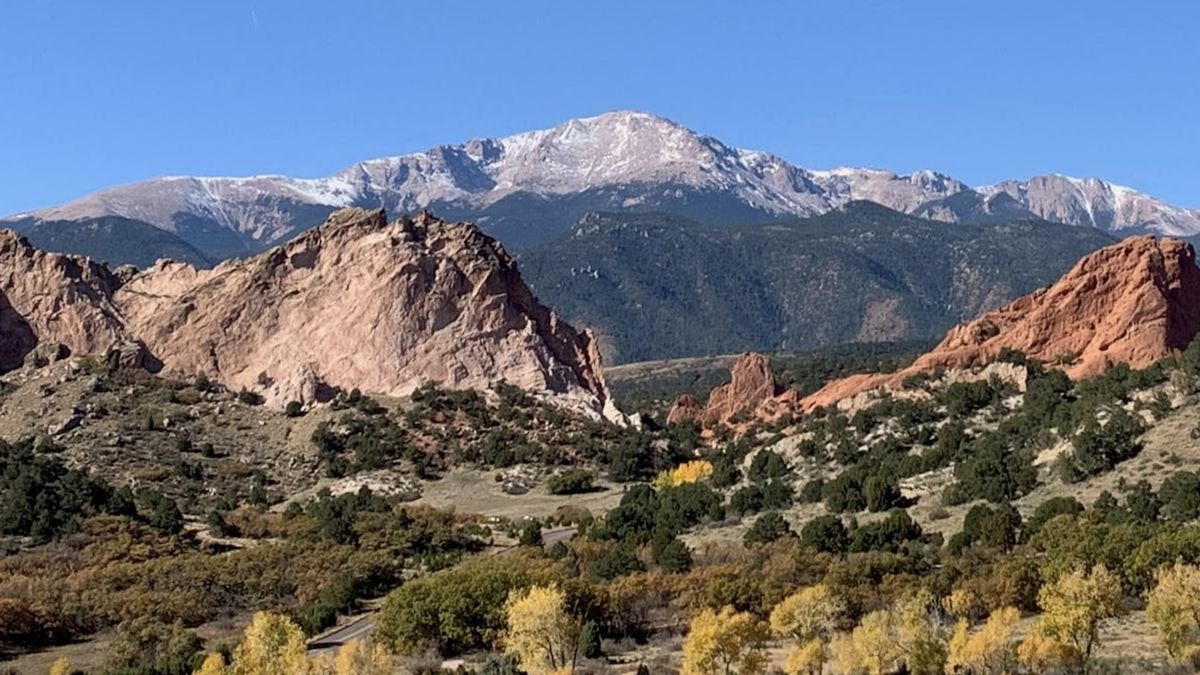
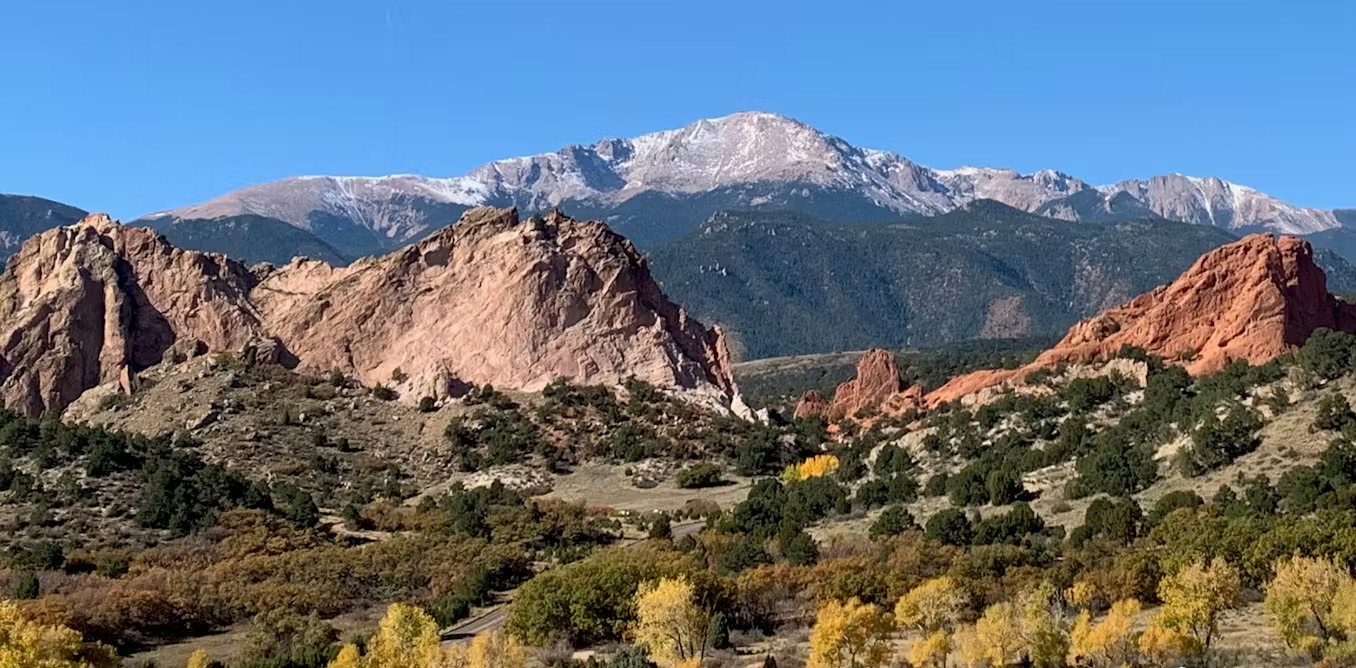
Geologists have discovered evidence in Colorado's Pikes Peak that supports the Snowball Earth hypothesis, which posits that Earth was once entirely covered in ice around 700 million years ago. The discovery involves pebbly sandstone, known as Tava injectites, formed by immense pressure from ice sheets during the Cryogenian Period. This finding provides crucial physical evidence of ice sheets covering equatorial regions, further cementing the Snowball Earth theory and offering insights into ancient climate conditions and geological processes.

science1 year ago

Discovery Unveils Key Evidence for Snowball Earth Theory

Researchers have discovered physical evidence supporting the Snowball Earth hypothesis, which suggests that Earth was once entirely covered in ice during the Cryogenian Period, around 700 million years ago. This evidence comes from pebbly sandstone formations found in Colorado's Pikes Peak, which were formed by sand injectites under immense pressure from ice sheets. The findings help date these formations to between 690 and 660 million years ago, providing new insights into Earth's climatic history and the processes that allowed life to survive and evolve during this global freeze.

science1 year ago

Unusual Pikes Peak Rocks Reveal Snowball Earth Clues

Geologists have discovered evidence of the Snowball Earth period in unusual sandstone formations on Colorado's Pikes Peak, providing a missing link in understanding how ice sheets covered equatorial regions 700 million years ago. Using advanced radiometric dating, researchers determined these formations, known as Tava injectites, formed between 690 and 660 million years ago during the Cryogenian Period. This discovery not only supports the Snowball Earth hypothesis but also offers insights into geological phenomena like unconformities, challenging previous theories about their formation.

science1 year ago

Ancient Rocks on Pikes Peak Reveal 'Snowball Earth' Clues

Geologists have discovered evidence of the Snowball Earth period in pebbly sandstone within Colorado's Pikes Peak granite, providing a missing link in understanding this global ice age. The Tava sandstone, formed between 690 and 660 million years ago, suggests that immense pressure from ice sheets forced sediment into weakened rock, supporting the Snowball Earth hypothesis. This discovery also challenges previous theories about the formation of the Great Unconformity, offering new insights into Earth's ancient climate and geological history.

science1 year ago

"Scientists Locate Missing Piece of Earth's Crust"

Scientists have discovered that a large chunk of the Earth's crust, missing from the geological record and known as "The Great Unconformity," was likely eroded by glaciers during the "Snowball Earth" period. This severe glacial erosion stripped away 3-5 kilometers of rock, which was then washed out to sea, explaining the sharp age changes in rocks observed globally.

science1 year ago

"Unraveling the Mystery of Earth's Frozen Past: What Turned Our Planet into a Snowball 700 Million Years Ago"

Scientists from Australia have found evidence that around 700 million years ago, Earth was covered in ice from poles to equator, a period known as the Sturtian glaciation. The team attributes this to a significant loss of carbon dioxide emissions from volcanoes in present-day Canada. While the Earth's climate was naturally influenced by geology and weather in the past, human activity is now exacerbating natural changes, with human-induced climate change happening at a pace 10 times faster than before.

science1 year ago

"From Frozen Snowball to Luscious Blue: Earth's Transformation"

Scientists have found evidence that Earth was once a frozen snowball about 700 million years ago, with a powerful ice age known as the Sturtian glaciation lasting from 717 to 660 million years ago. The freezing period was likely caused by a significant loss of carbon dioxide emissions from volcanoes in present-day Canada. This research sheds light on the natural geological processes that can lead to dramatic climate changes and serves as a reminder of the importance of taking care of our planet, especially in the face of human-induced climate change happening at a much faster pace.