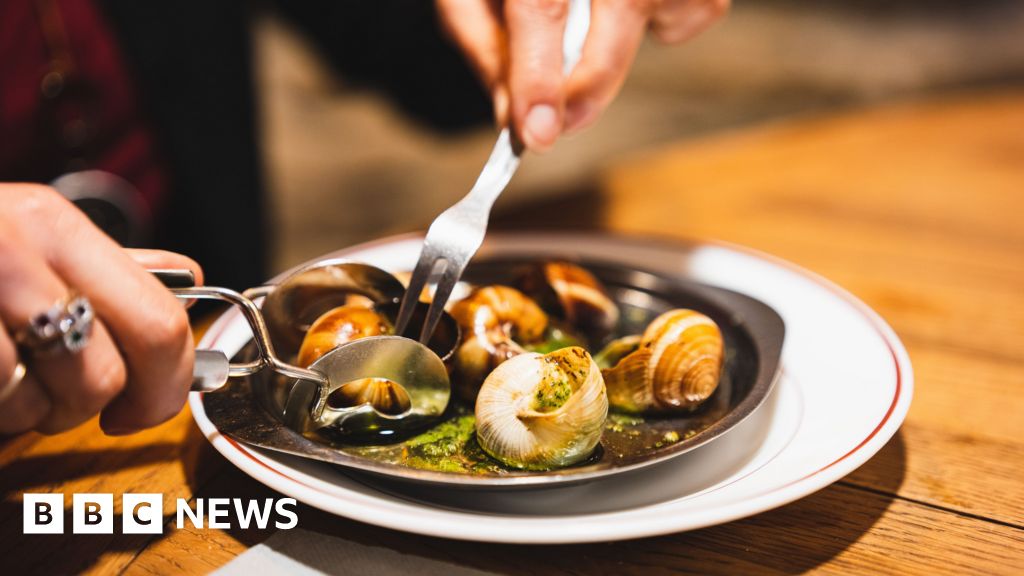
Thieves stole €90,000 worth of escargot snails from a French farm supplying high-end restaurants, just before the holiday season, causing a significant setback for the farm's holiday stock and supply chain.
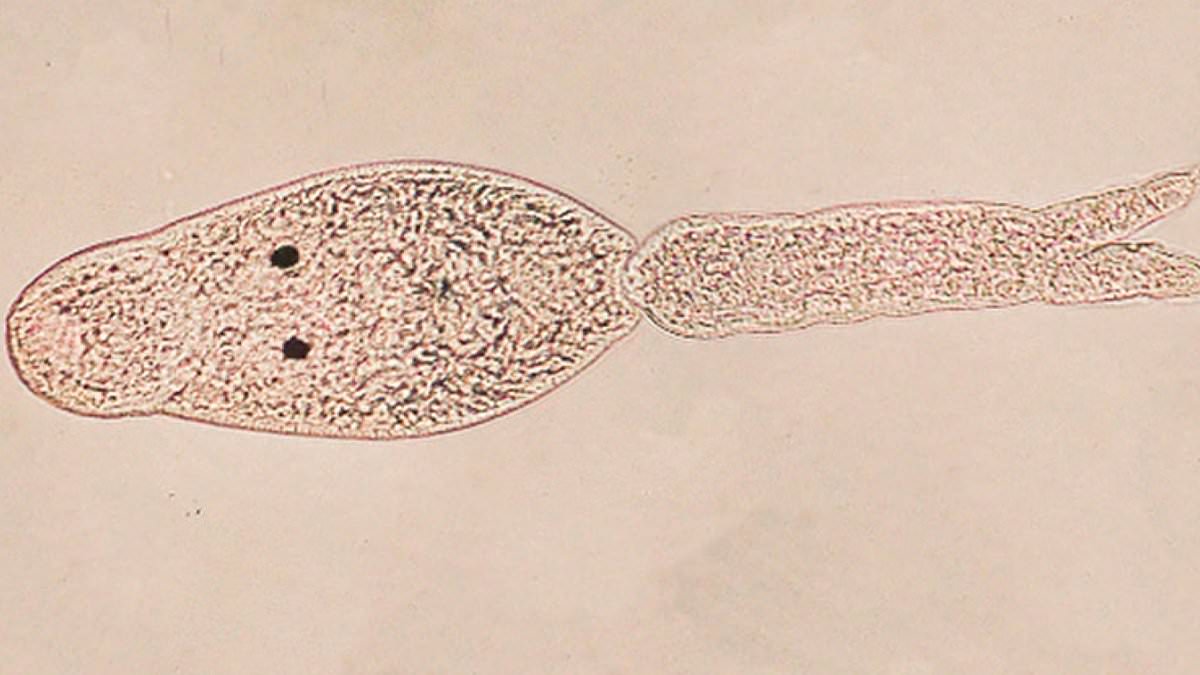
Scientists at the University of California Riverside have discovered dog-killing worms, known as liver fluke, in Southern California for the first time. The worms, transmitted by snails along the Colorado Riverbed, can cause canine schistosomiasis and were previously only found in Texas, Louisiana, and Florida. The discovery suggests a broader expansion of the parasite than previously known, raising concerns for pet owners and public health officials. The worms can be fatal to dogs and have been linked to 11 cases of canine schistosomiasis in the region. While the parasite is not known to cause disease in humans, precautions are advised for pet owners, including fecal testing and close monitoring by a veterinarian.
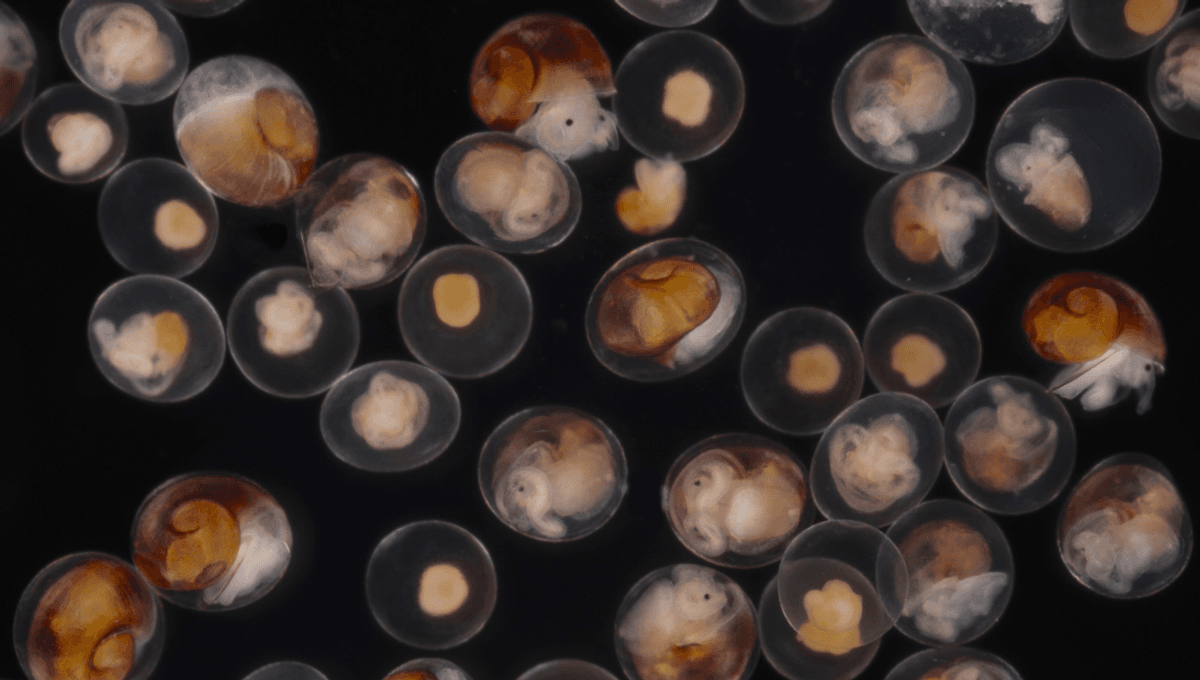
A new study has sequenced the genomes of over 100 snails to understand the genetic changes associated with the transition from egg-laying to live births in the Littorina genus. Researchers found 88 genomic regions linked to live births, suggesting a gradual evolutionary process over 10,000 to 100,000 years, rather than a sudden leap. This discovery challenges the notion that live births evolved twice independently within these snails, pointing instead to a complex evolutionary history that may include reversion to egg-laying or hybridization. The findings align with Darwin's theory of evolution through incremental changes and provide a rich dataset for further research into the genetics of reproduction.
A study on the marine snail Littorina saxatilis, which has evolved to give birth to live young instead of laying eggs, has revealed that this significant evolutionary change occurred gradually over the last 100,000 years through the accumulation of around 50 genetic changes. Researchers used whole-genome sequences to trace the snail's family tree and found that the ability to give birth to live young stood out due to interbreeding among snails, which mixed up the genetic background. This discovery challenges the notion of sudden leaps in evolution, suggesting that major evolutionary transitions can occur through small, incremental steps. The findings have implications for understanding other evolutionary shifts and how species may adapt to changing environments, such as climate change. The study is published in the journal Science.
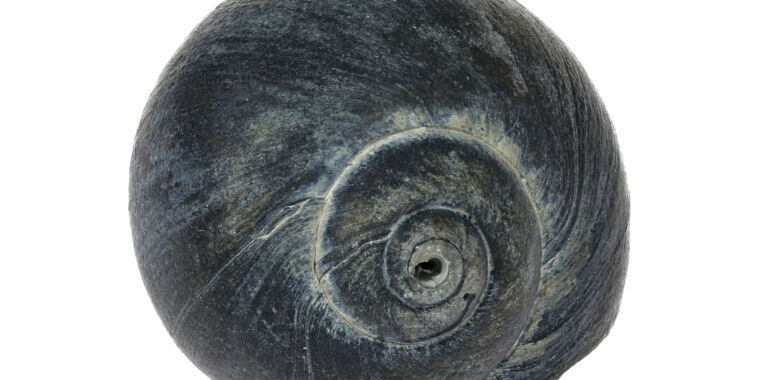
A new study published in Science Advances has found that established memories make snails more likely to form new long-term memories of related future events that they might otherwise have ignored. The study examined how past learning influences future learning and discovered a simple mechanism that alters a snail's perception of those events. The researchers concluded that the strong training pushed the snails into a "learning-rich" period in which the threshold for memory formation was lower, enabling them to learn things they otherwise would not have.
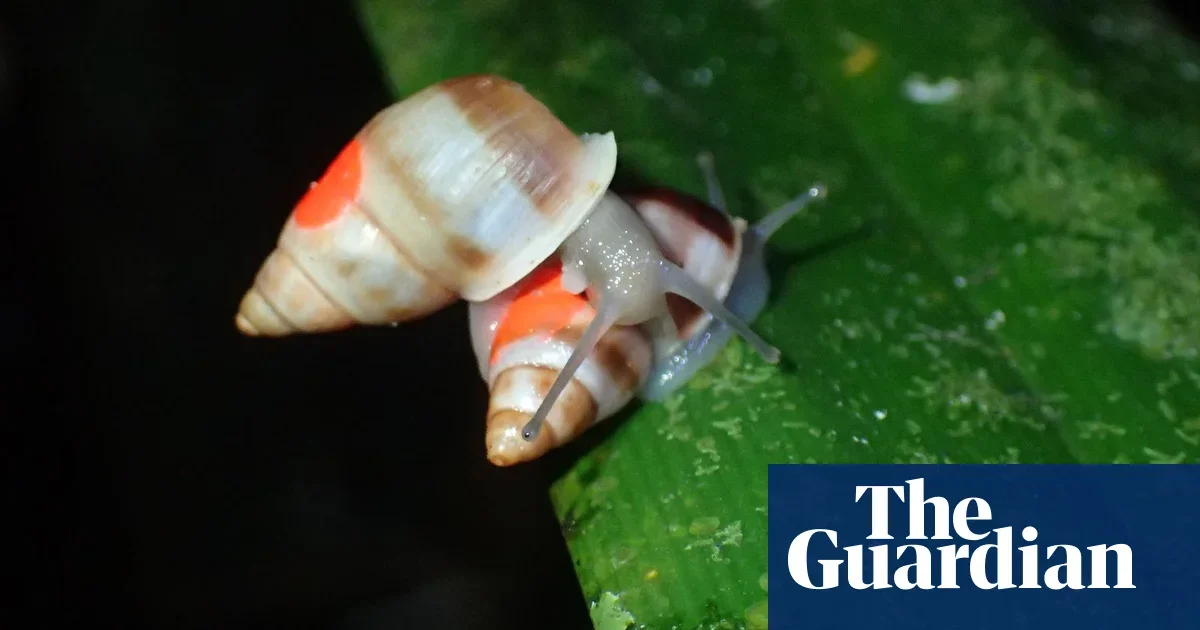
More than 5,000 partula snails, belonging to 11 different species, have been released on the islands of Moorea and Tahiti after being bred in captivity. The snails, which play an important role in maintaining tropical forest health, were classified as "extinct in the wild" by the IUCN Red List of endangered species. The release is the largest ever of an "extinct in the wild" species and is helping to restore the ecological balance to the islands. The snails were individually marked with a dot of red UV-reflective paint to help conservationists monitor the growing populations.