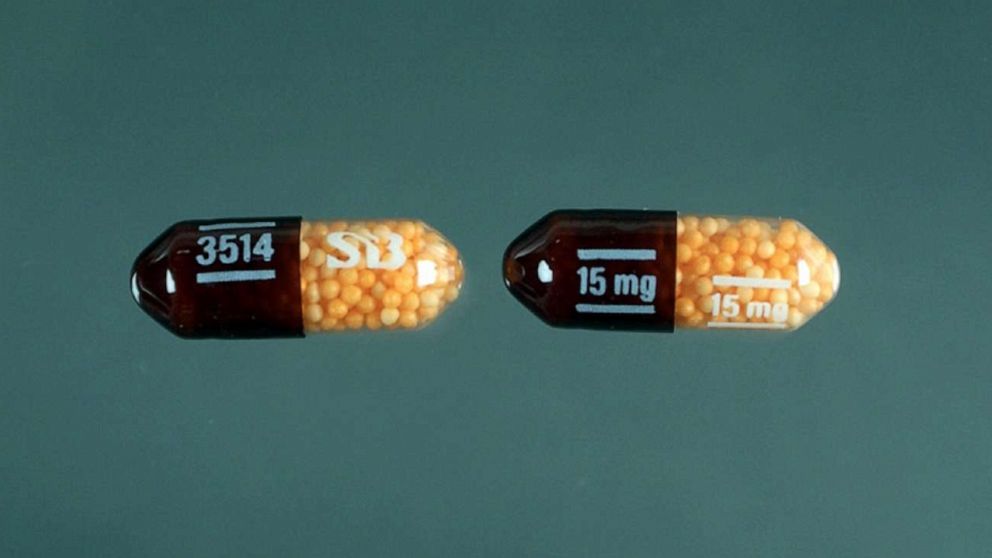
A recent study investigated the effectiveness of three popular smart drugs, namely, modafinil, methylphenidate, and dextroamphetamine, against the difficulty of real-life daily tasks, i.e., the 0-1 knapsack optimization problem. Even though drug treatment did not result in a significant drop in the chance of getting a solution to the knapsack problem instances, it positively caused a significant overall reduction in attained value. The time spent or the effort levels significantly improved on average in the participants under smart drugs. However, heterogeneity in the quality of effort linked to each drug was observed compared to placebo. The study found that smart drugs only improved motivation to do work but not the quality of effort.
Prescription stimulants used as cognitive enhancers by people without ADHD reduced performance in complex everyday activities, according to a small double-blind randomized trial. The study tested 40 people without ADHD on the knapsack optimization problem, a task involving a virtual knapsack with a set capacity. Participants selected items of varying weights and values to maximize the value of the knapsack's contents. The test is designed to model complex decision-making and problem-solving in everyday life. When participants used cognitive enhancers, their effort increased compared with placebo, but productivity decreased.
A study conducted by the University of Cambridge and the University of Melbourne has found that cognitive enhancers, or "smart" drugs, may actually impair performance and productivity in neurotypical individuals. The study evaluated the effects of three widely used "smart" drugs using a complex decision-making task simulating everyday scenarios. Participants taking these drugs exhibited decreases in accuracy and efficiency, and required more time and effort to complete tasks compared to those on placebo. These results question the efficacy of cognitive enhancers in individuals without cognitive deficits, like ADHD.
A new study finds that using prescription stimulants or "smart" drugs like Ritalin and Adderall to enhance productivity without suffering from attention-deficit/hyperactivity disorder decreases productivity and increases the amount of time needed to complete tasks. The study found that taking these drugs decreased participants' performance of difficult tasks and problem-solving, while enhancing their motivation. However, the quality of their efforts decreased, meaning they did more, but their decisions were not as calculated as they were random.
A new study from the University of Melbourne and the University of Cambridge found that smart drugs, including Ritalin, modafinil, and Dexedrine, actually undermine cognitive performance and productivity. While users worked harder while on the drugs compared to placebo, the quality of effort declined, leading to wasted efforts and lower productivity. The study's authors caution against the use of smart drugs, as there are no long-term studies on their side effects and little understanding of how they might interact with other substances.
A new study from the University of Cambridge and the University of Melbourne found that neurotypical individuals taking cognitive enhancers, or "smart" drugs, may actually be inhibiting their performance and productivity. The study involved four double-blinded, randomized trials in Melbourne, each a week apart, where the same 40 healthy participants took one of three popular "smart" drugs or a placebo. Participants taking the drugs saw small decreases in accuracy and efficiency, along with large increases in time and effort, relative to their results when not taking the drugs.