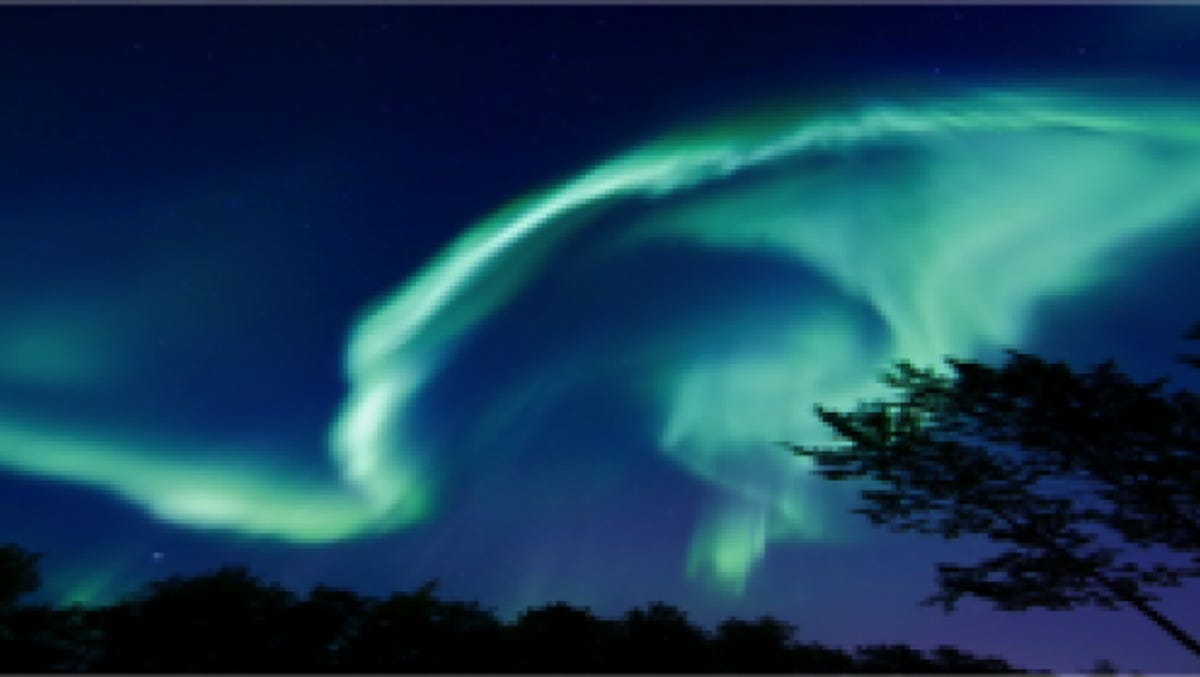
Arizona is ranked as the best U.S. state for viewing the Northern Lights due to its dry air, dark skies, and clear nights, with other top states including Nevada, New Mexico, and Alaska, all benefiting from favorable geographic and atmospheric conditions for aurora visibility.
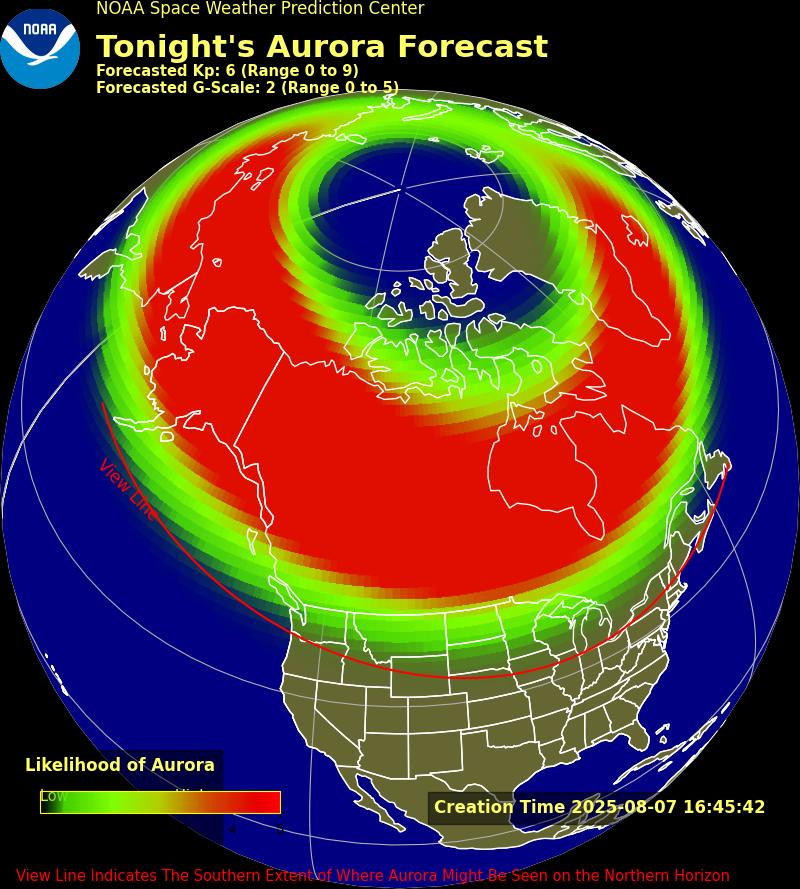
Washington state may have a rare opportunity to view the northern lights on August 7 and 8, as forecasts indicate favorable conditions with clear skies and the state within NOAA's view line for auroras, especially between 11 p.m. and 3 a.m., depending on solar activity and light pollution levels.
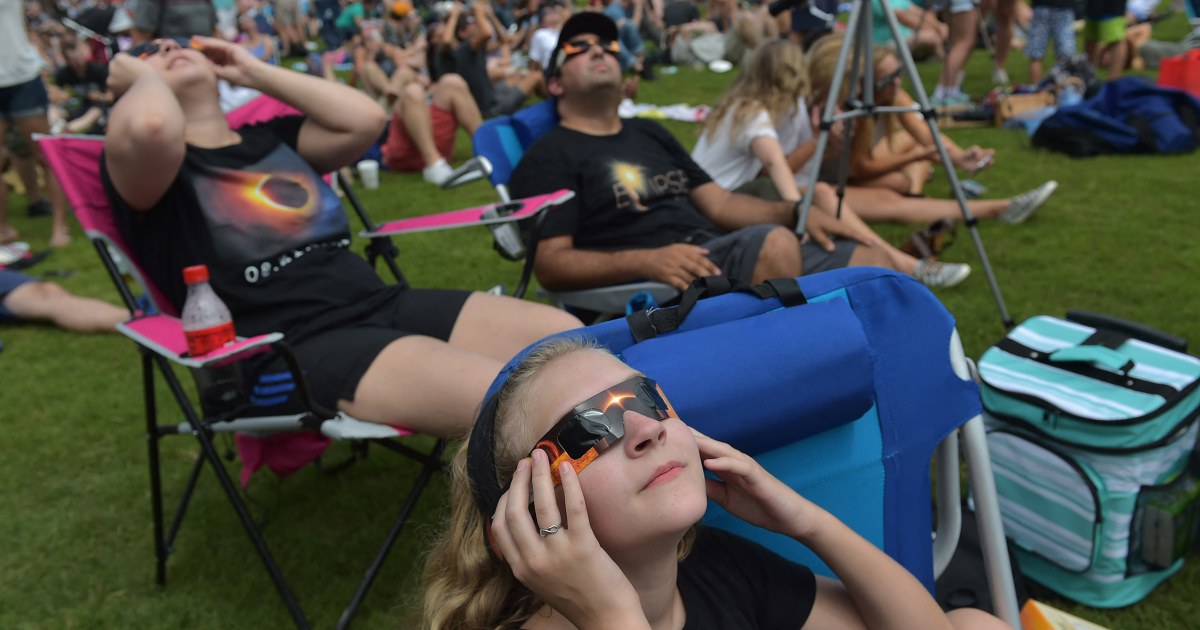
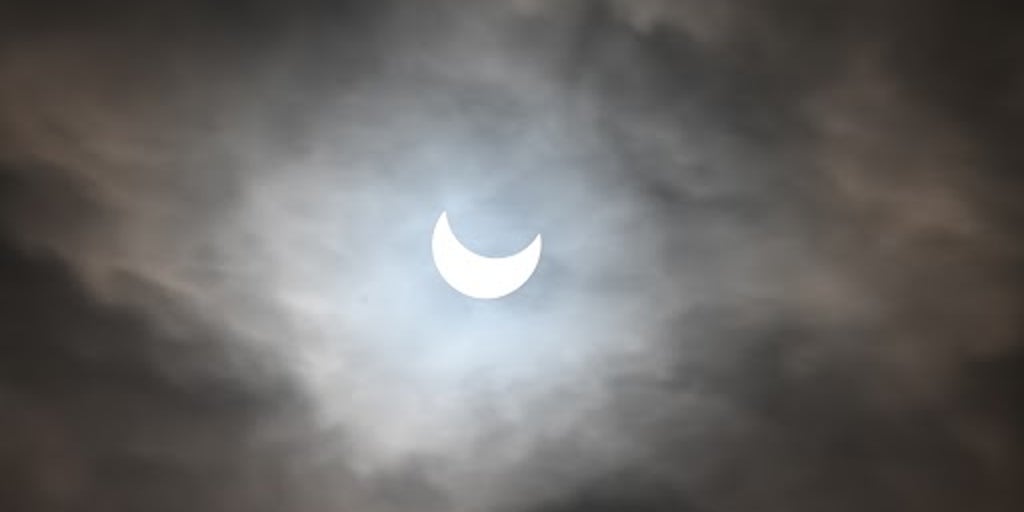
A total solar eclipse is set to occur on April 8, with the path of totality spanning across Mexico, Texas, Arkansas, Illinois, Indiana, Ohio, New York, Vermont, and Maine. While some areas may experience cloudy skies, there are forecasts for dry and clear conditions in other locations along the path. Those outside the path can still witness a partial eclipse, with mostly clear skies expected in California, Nevada, Idaho, Washington DC, Philadelphia, New York City, Boston, and Florida, while the Upper Midwest, western Great Lakes, and parts of the Rockies may have obstructed views due to clouds.
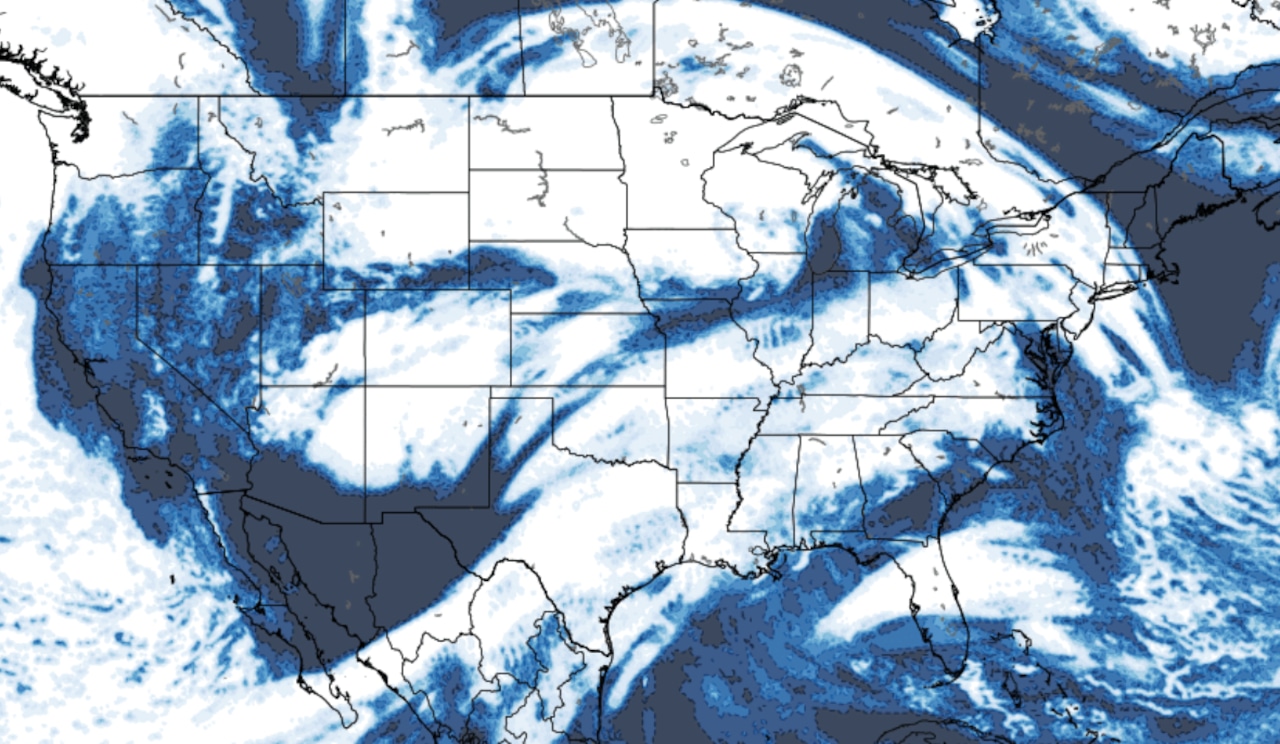
The cloud forecast for Monday's solar eclipse indicates that much of the total eclipse path will have some cloudiness, with only a few clear spots. The U.S. total cloud cover forecast at 2 p.m. Eastern on Monday shows small pockets of clear skies along the eclipse path in northern Ohio, northern Indiana, and central Illinois, while areas like Missouri, Arkansas, Oklahoma, and Texas are expected to have thick high cloud layers and some mid and low level clouds. The northern fringe of the total eclipse area in Indiana and Illinois could have almost clear skies, making cities like north of Indianapolis, Terre Haute IN, and Mt. Vernon IL potential viewing spots.
Forecasters are gaining confidence in predicting the cloud cover for the upcoming solar eclipse, with New England expected to have clear or high-cloud skies, providing exceptional viewing conditions. Cities like San Antonio, Little Rock, and Carbondale are also likely to have favorable conditions. However, some areas may not be as fortunate, and the forecast will become more precise closer to the event.
Early forecasts for the total solar eclipse on April 8th show a higher probability of mostly clear skies in parts of Texas, Arkansas, New York, and Maine. The eclipse will be visible across parts of Mexico, Canada, and the U.S., and areas in Texas, New York, and Maine are expected to have lower cloud cover. Forecast models will continue to improve as the date approaches, and it's important to have solar glasses and be located along the path of totality to experience the full eclipse.
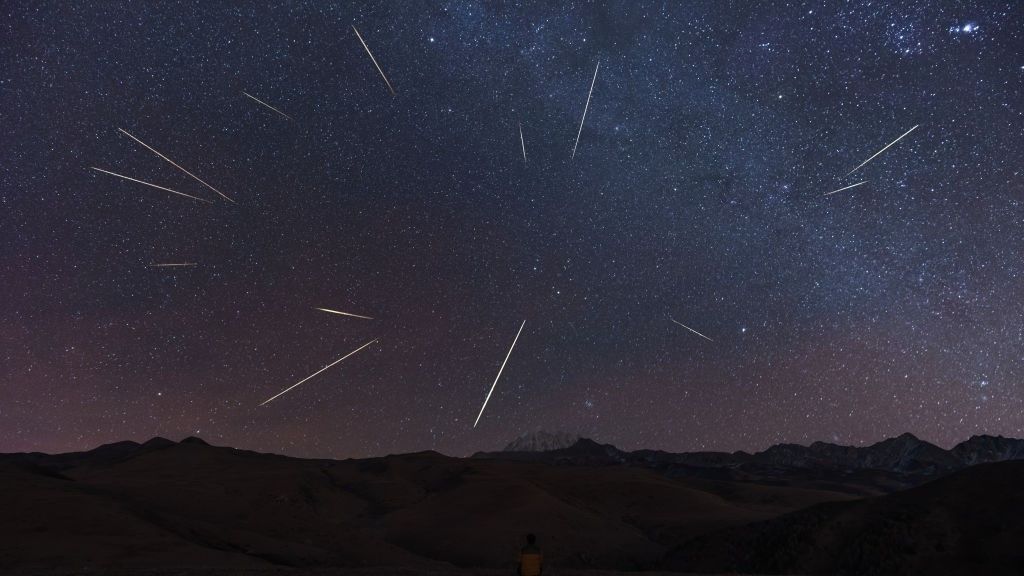
The Geminid meteor shower is set to peak tonight, and about half of the contiguous US states can expect clear skies for optimal viewing. The "Good" viewing zone includes the Midwest, Middle Atlantic Coast, Northern Plains, Rockies, southern California, southern and eastern Nevada, and much of Arizona. However, the Far West, parts of Washington State, Oregon, northern California, Texas, New Mexico, Colorado, Kansas, Nebraska, Michigan, northern Ohio, northwest Pennsylvania, Gulf Coast, and Florida Peninsula will experience "Poor" viewing conditions due to clouds and precipitation. The rest of the nation can expect "fair" sky conditions. Bundle up as temperatures will be in the teens and 20s. Unfortunately, next year's Geminid shower will be hindered by a full moon, but 2025 will offer better viewing conditions.
There is a slight chance of seeing the northern lights in New Jersey on Thursday, July 13, 2023, with the Kp index expected to be between 3 and 4. Factors such as cloud cover, light pollution, and solar wind strength can affect visibility. To increase chances, check the forecast, find a dark location with clear skies, dress appropriately, and bring a camera to capture the mesmerizing aurora borealis.