Tag

Skin Conditions

All articles tagged with #skin conditions

health1 year ago

High-Salt Diets Linked to Increased Eczema Risk

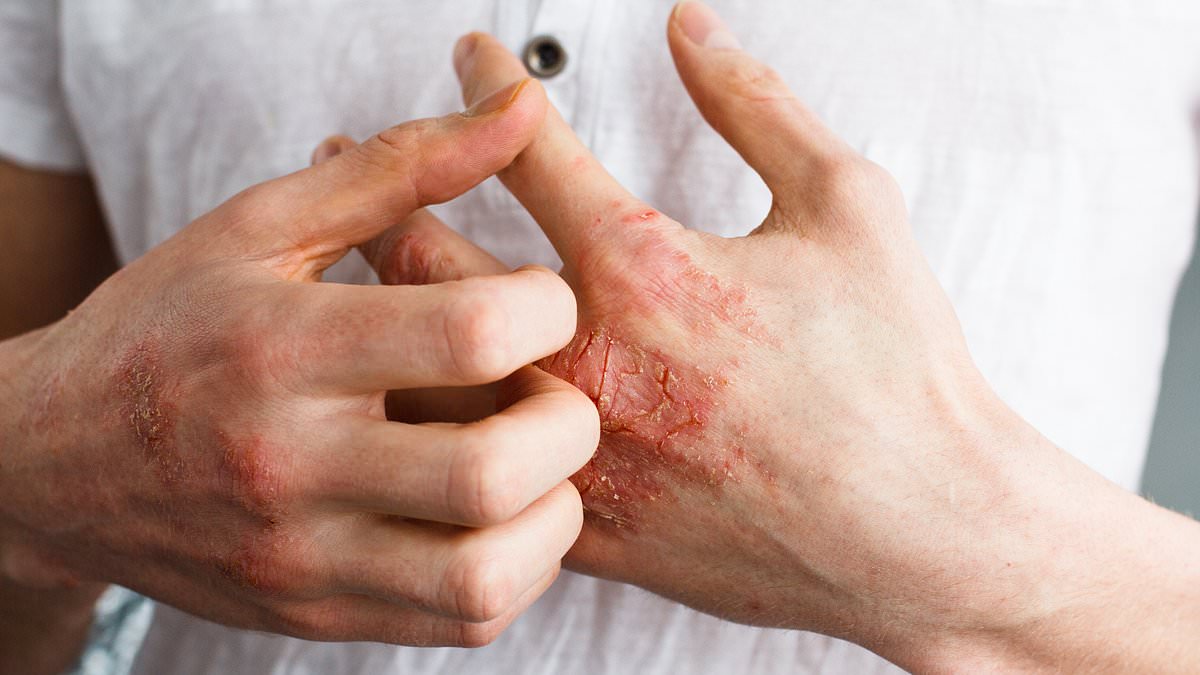
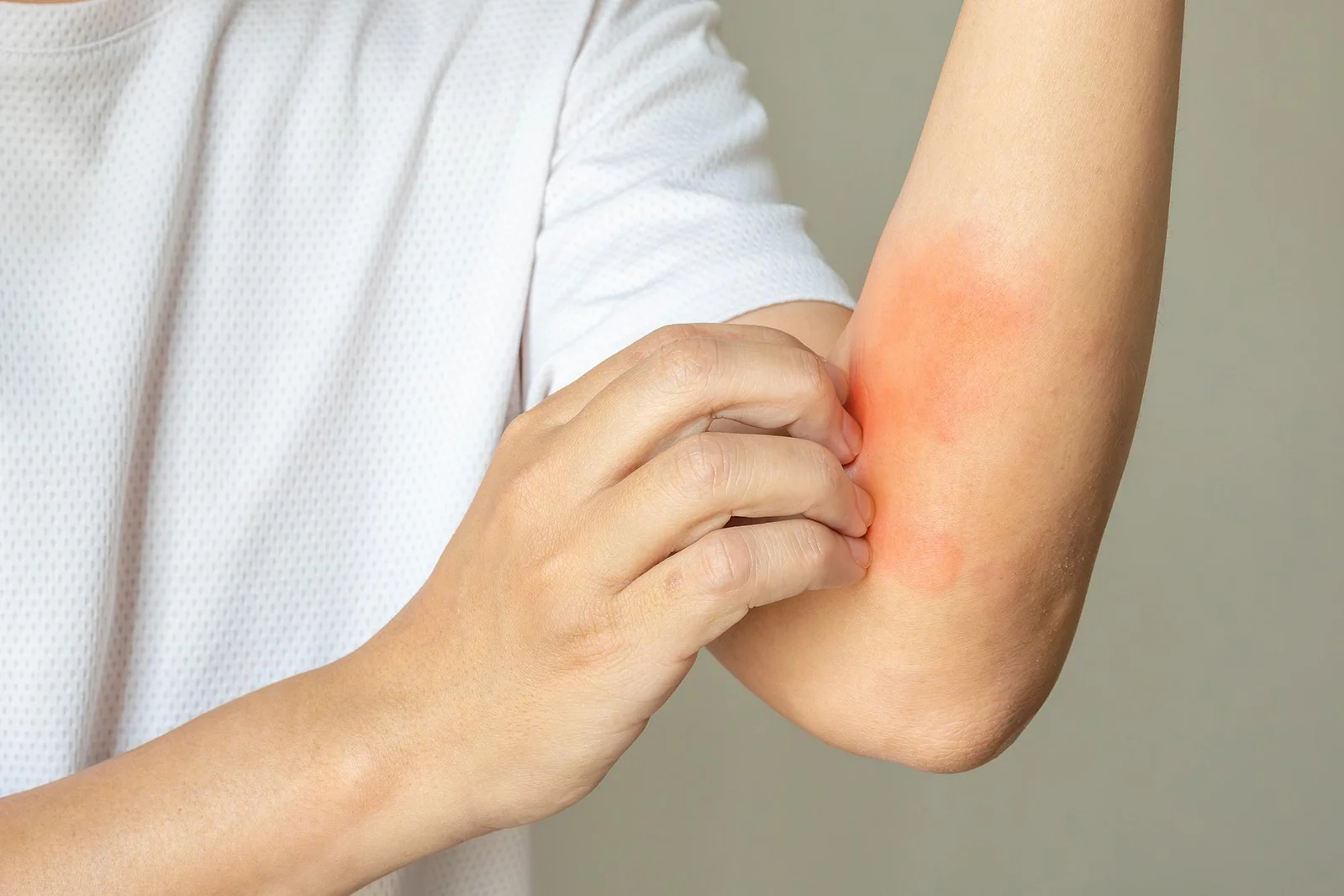
A new study from the University of California, San Francisco, has found that consuming salty foods significantly increases the risk of eczema flare-ups. Each additional gram of sodium per day raises the likelihood of developing eczema by 22 percent. The research, which analyzed data from over 215,000 people, suggests that high salt intake may promote the growth of staphylococcus aureus bacteria, leading to skin irritation. With 90 percent of Americans consuming too much salt, reducing sodium intake could help manage eczema symptoms.

health1 year ago

"Pharmacist Identifies 9 Tell-Tale Skin Conditions, Including Fatal Illnesses"

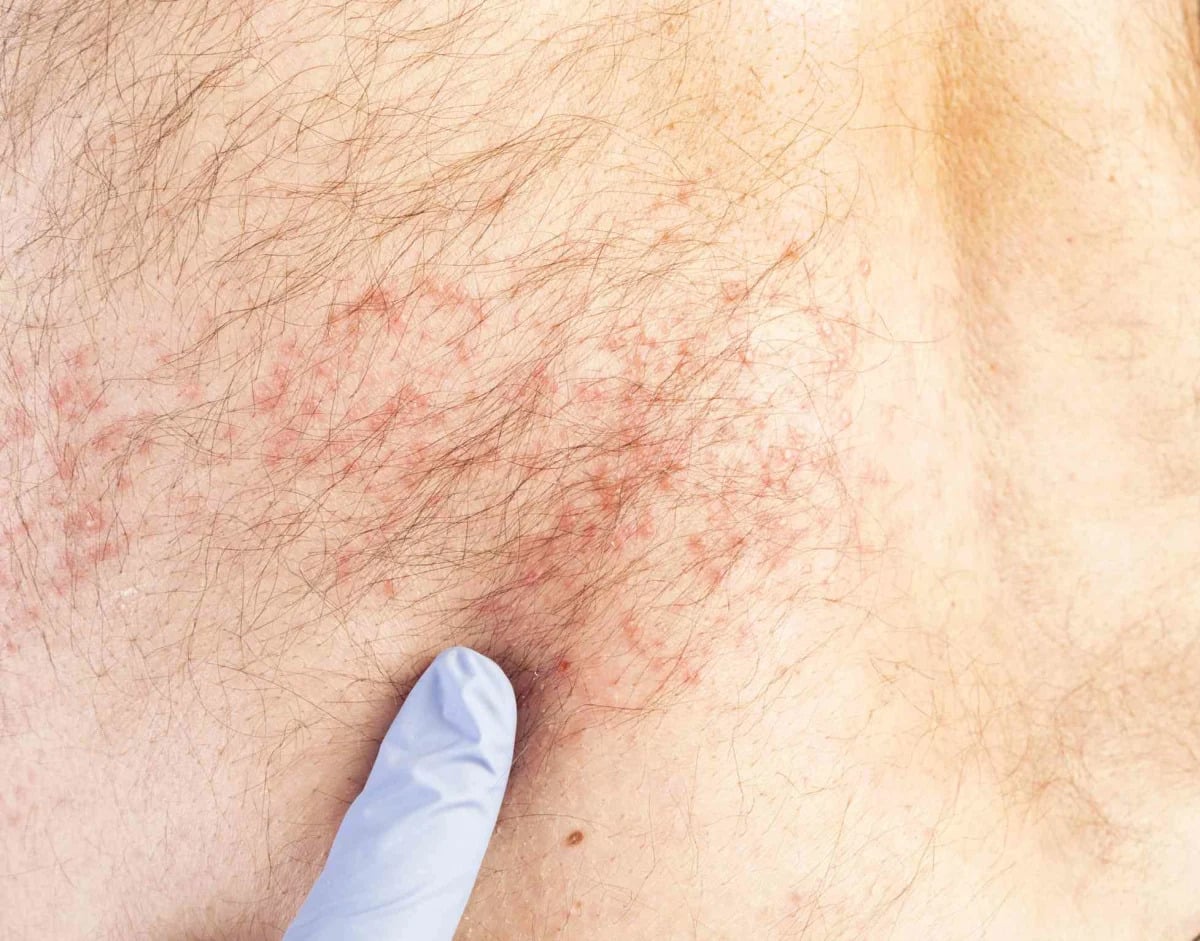
A pharmacist warns that changes in the skin could indicate life-threatening conditions, emphasizing the importance of identifying serious changes. The article outlines nine skin conditions, including shingles, impetigo, atopic eczema, sepsis, staph infections, pityriasis versicolor, meningitis, cellulitis, and molluscum contagiosum, detailing their symptoms, contagiousness, and potential life-threatening nature. Additionally, a UK medic highlights the impact of a make-up brush on a patient's severe facial skin rash.

health-and-wellness1 year ago

"9 Effective Home Remedies for Itchy Scalp Relief"

Itchy scalp can be caused by various factors such as seborrheic dermatitis, contact dermatitis, scalp psoriasis, atopic dermatitis, lice, scabies, or ringworm. Dermatologists recommend home remedies including zinc pyrithione, charcoal, coconut oil, apple cider vinegar, tea tree oil, salicylic acid, aloe vera, baking soda, and oatmeal to alleviate itchiness. It's important to avoid certain products and ingredients, and to seek medical attention if the itchiness persists or worsens. Good scalp care involves using gentle shampoos, hydrating conditioners, and being mindful of hair products to prevent allergic reactions or irritation.

health1 year ago

"Expert Advice: When to Take Your Child to a Dermatologist"

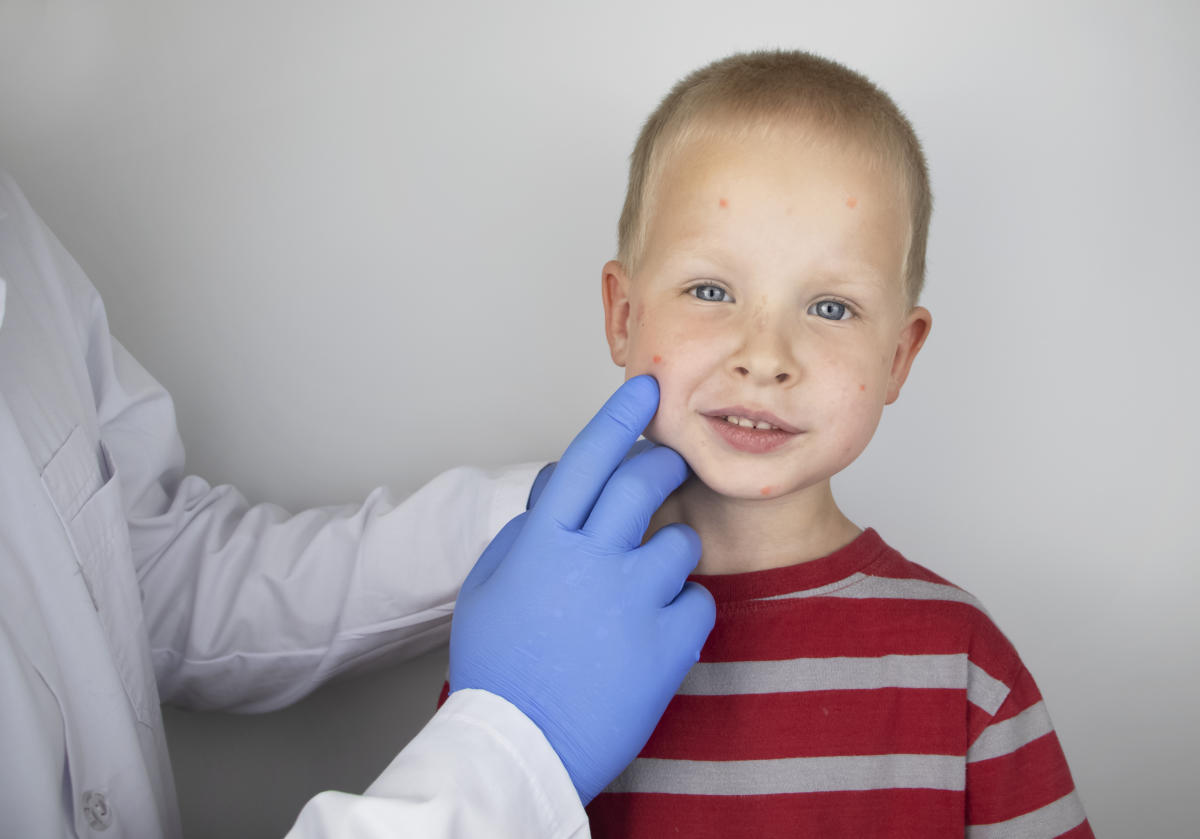
Most healthy children do not need to see a dermatologist for routine skin checks, as the risk of skin cancer in children under 13 is exceptionally low. Pediatricians are skilled in identifying children who may benefit from seeing a dermatologist, and many common skin conditions can often be addressed by a pediatrician. However, children with specific risk factors or concerning skin changes should be evaluated by a dermatologist, and parents should consult their pediatrician about any skin concerns before heading to the dermatologist.

health2 years ago

Uncovering the Link Between Skin Microbiome and Itchiness

Scientists from Harvard Medical School have discovered that bacteria, specifically Staph aureus, can trigger itchiness in inflammatory skin conditions like eczema and dermatitis. The bacteria release an enzyme that causes the urge to scratch, leading to further skin damage and inflammation. The researchers found that blocking a protein called PAR1 with an approved anticlotting drug stopped itching in mice. This breakthrough could potentially lead to new treatments for itchiness in skin conditions. Further research will be conducted to explore if other microbes can also trigger itch and to understand the evolutionary implications of microbes causing itch.

health2 years ago

Unraveling the Origins of Itch: Harvard Study Reveals Surprising Findings

New research published in the journal Cell has identified a previously unknown factor that triggers itchiness in skin conditions like eczema. Scientists from Harvard Medical School discovered that the bacterium Staphylococcus aureus can directly activate nerve cells, causing itchiness even in the absence of inflammation. The bacterium releases an enzyme called V8, which activates a protein called PAR1 on nerve cells in the skin, sending a signal to the brain that prompts scratching. The study offers a potential new direction for developing treatments for eczema, which affects around 10% of people in the U.S. and is strongly associated with allergies.

health2 years ago

The Connection Between Stress and Skin: Expert Advice on Managing Anxiety

Stress can cause a variety of skin conditions, including stress rashes, due to the release of cortisol and its interaction with the immune system. Factors such as lack of sleep, changes in diet, and travel-related stress can exacerbate these conditions. Stress management techniques, such as massage therapy, breathing exercises, and mindfulness practices, can help prevent stress rashes. Treatment options include over-the-counter antihistamines and topical steroids, but it's important to consult a doctor if the rashes persist and affect quality of life. Stress can also trigger or worsen other skin conditions like acne, rosacea, eczema, psoriasis, hair loss, dry skin, and premature aging.

health2 years ago

Understanding the causes and remedies for stress-induced rashes

Stress can have negative effects on the skin, including stress-induced rashes such as hives. These rashes can be triggered by elevated body temperatures caused by stress or an increase in histamine levels. Stress rashes appear as puffy red bumps that can be itchy and may last for days or weeks. Treatment options include oral antihistamines, stress-reduction techniques, and avoiding irritants. Long-term stress prevention can be achieved through a healthy lifestyle, including a balanced diet, sufficient sleep, and regular exercise.

health2 years ago

The Impact of Stress on Physical Health: Exploring Hives, Fever, and Blood Pressure

Chronic or acute stress can affect the skin, leading to stress-induced rashes such as hives. Stress can trigger extreme outbreaks for those with pre-existing skin conditions like eczema, rosacea, and psoriasis. To prevent or treat stress rashes, it is important to identify and address other possible causes first, such as changes in laundry detergent or diet. Stress reduction techniques like relaxation, meditation, and cognitive therapies may be helpful. Treatment options include oral antihistamines and avoiding hot foods and irritants. Long-term stress prevention can be achieved through a healthy diet, adequate sleep, and moderate exercise.

health2 years ago

The Agony of Topical Steroid Withdrawal: From Creams to Misery

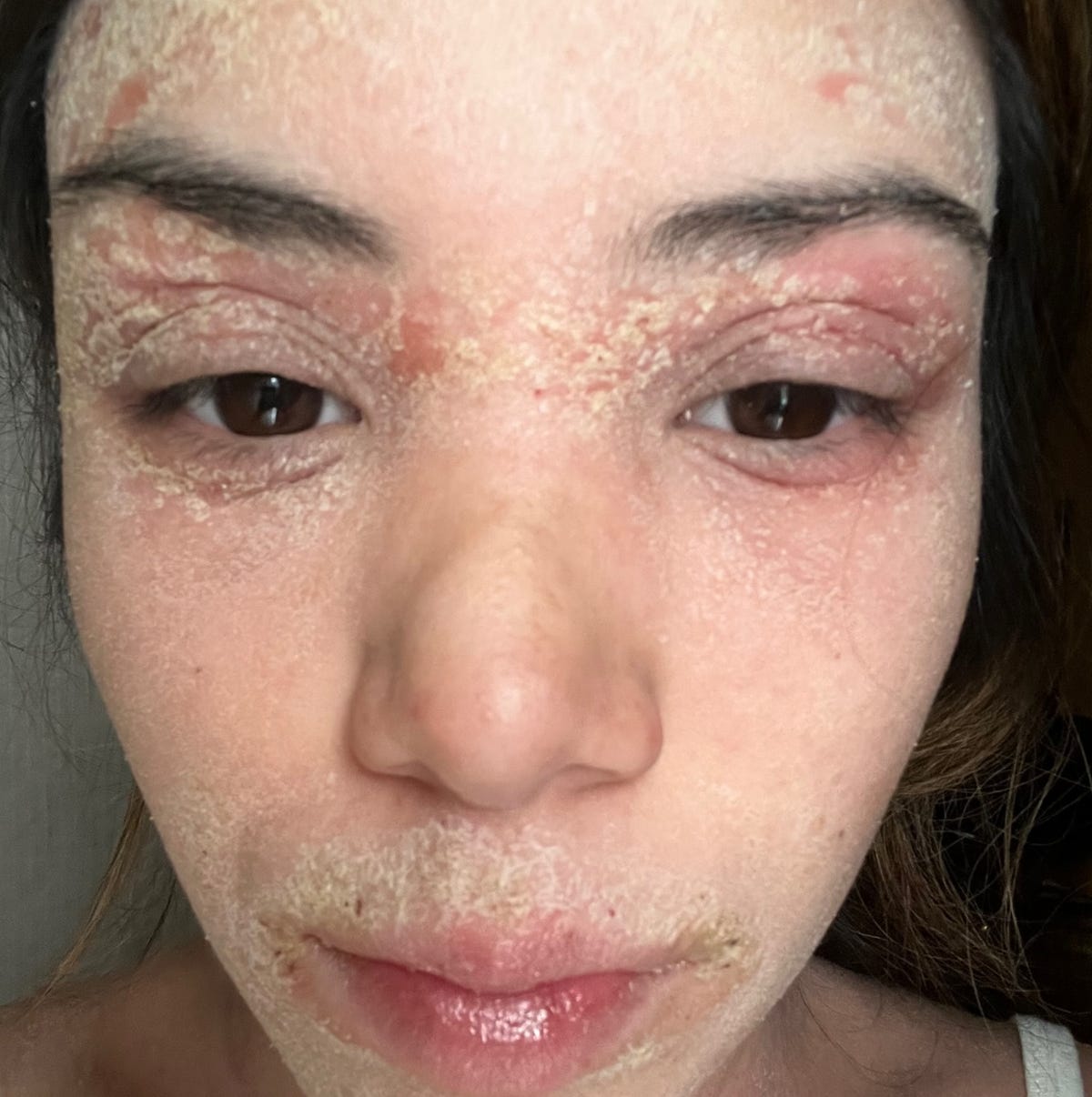
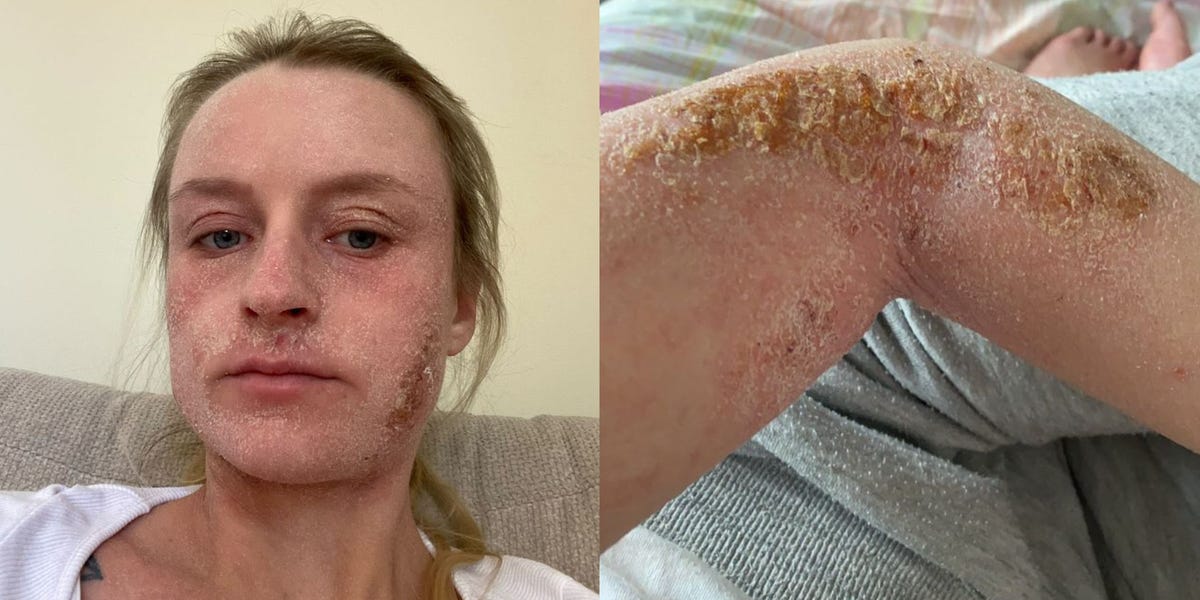
Topical steroid withdrawal (TSW) is a controversial condition that some patients claim to experience after prolonged use of topical steroid creams. While dermatologists acknowledge the suffering of TSW patients, some are skeptical about it being a true diagnosis and believe the symptoms are a result of misuse rather than the drugs themselves. TSW can cause intense redness, pain, burning, and other side effects. Treatment for TSW can be challenging and prolonged, requiring tailored approaches and non-steroidal medications to limit inflammation. Patients are advised to consult medical professionals for alternate treatments and to be cautious with natural remedies, as they may exacerbate eczema or cause allergic reactions. Online communities provide support for TSW patients who often feel misunderstood by healthcare professionals.

health2 years ago

"Protecting Your Health in the Heat: Tips for Those with Health Conditions"

High temperatures can aggravate various health conditions, including respiratory conditions like asthma and COPD, skin conditions like eczema and rosacea, diabetes, heart disease, and autoimmune diseases. People with these conditions should take extra precautions in the heat, such as monitoring air quality, staying hydrated, avoiding sunburn, and managing their conditions effectively. Pregnant women and individuals with mental health conditions are also at increased risk in hot weather. It is important to consult with a healthcare professional for personalized advice and to be aware of the symptoms of heat-related illnesses.

health2 years ago

"Nightmarish Journey: Woman's Rollercoaster Battle with Topical Steroid Withdrawal"

Megan Crome, a 26-year-old woman from the UK, suffered from topical steroid withdrawal (TSW), a poorly understood condition that can occur in individuals who regularly use or stop using topical steroids for skin conditions like eczema. TSW can cause severe symptoms such as itching, burning, and stinging rashes, enlarged lymph nodes, insomnia, and emotional instability. Despite the severity of the condition, there is a lack of research and awareness among dermatologists, leading many sufferers to turn to social media for support and information. Crome's experience highlights the need for better understanding and treatment options for TSW.

health2 years ago

Uncovering the Culprits Behind Non-Mosquito Itchy Bumps on Skin.

Itchy bumps on the skin can be caused by various conditions, including flea bites, hives, bed bugs, contact dermatitis, scabies, dyshidrotic eczema, guttate psoriasis, and even long COVID. Treatment options include washing the affected area with soap and water, applying anti-itch creams, and avoiding scratching. Prevention is the best medicine, and a healthcare provider can prescribe stronger anti-itch creams or suggest using an antihistamine if necessary.

health2 years ago

Uncovering the Surprising Culprits Behind Itchy Bumps

Itchy bumps on the skin can be caused by various factors, including flea bites, hives, bed bugs, contact dermatitis, scabies, dyshidrotic eczema, guttate psoriasis, and even as a symptom of long COVID. These conditions can be mistaken for mosquito bites. Treatment options include washing the affected area, applying anti-itch creams or lotions, using cool compresses, and avoiding triggers. If symptoms persist or worsen, it is advisable to consult a healthcare provider for a proper diagnosis and potential prescription medication.