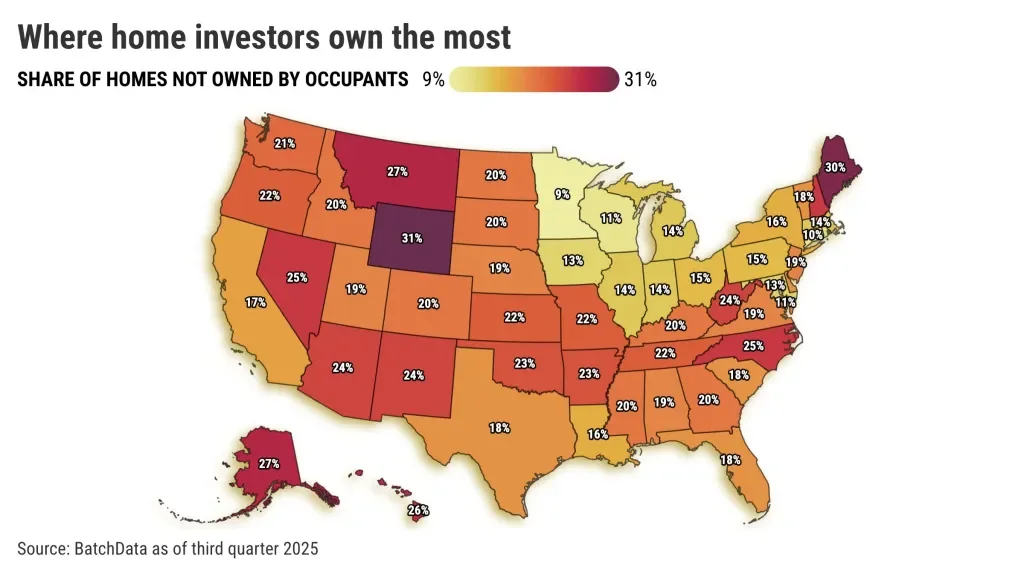
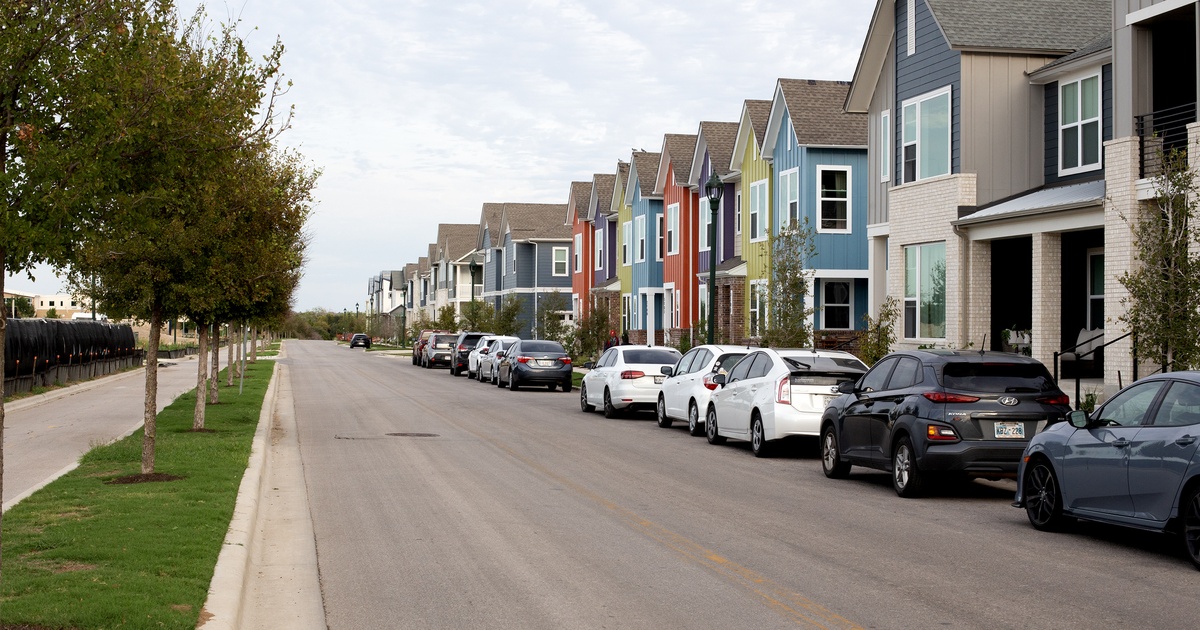
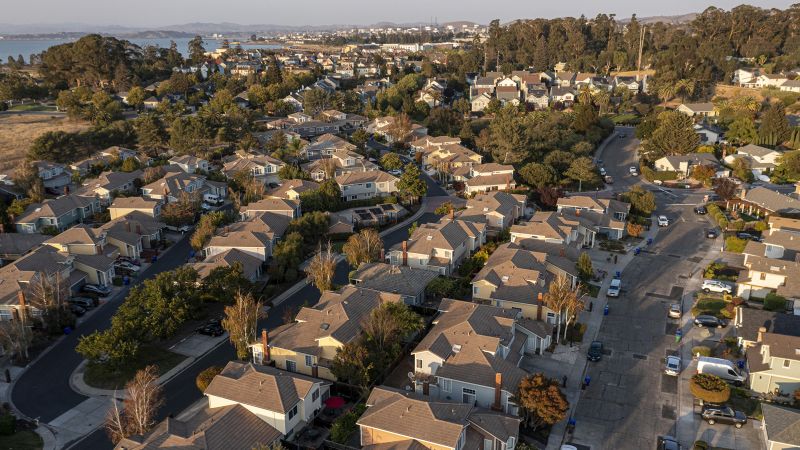
President Trump proposed banning Wall Street from buying single-family homes, but industry insiders and analysts believe the impact on the market will be minimal as the business model has shifted away from competing directly with individual buyers, with major investors now focusing on new developments and partnerships with homebuilders. The market reaction was initially negative, but experts suggest the actual effect on the industry will be limited, especially if exemptions are made for new construction and existing portfolios.
President Trump announced plans to ban large institutional investors from purchasing additional single-family homes, citing concerns over housing affordability and market impact, and plans to seek congressional support for this measure, amid ongoing debates about the role of investors in the US housing market.
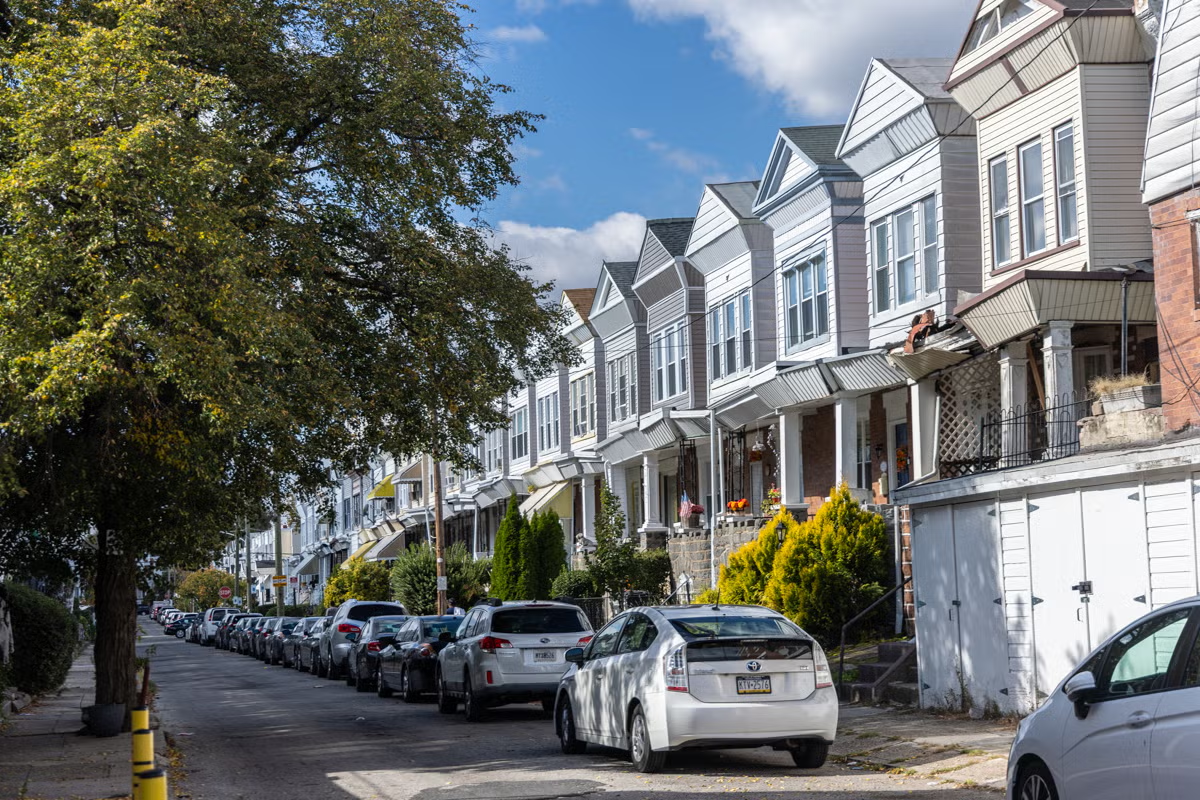
A report reveals that corporate investors bought a quarter of Philadelphia's single-family homes from 2017 to 2022, mainly in Black and Hispanic neighborhoods, raising concerns about affordability, displacement, and community stability, while also highlighting some positive impacts like property upgrades. The study calls for policy changes to increase transparency and protect residents from negative effects of investment activities.
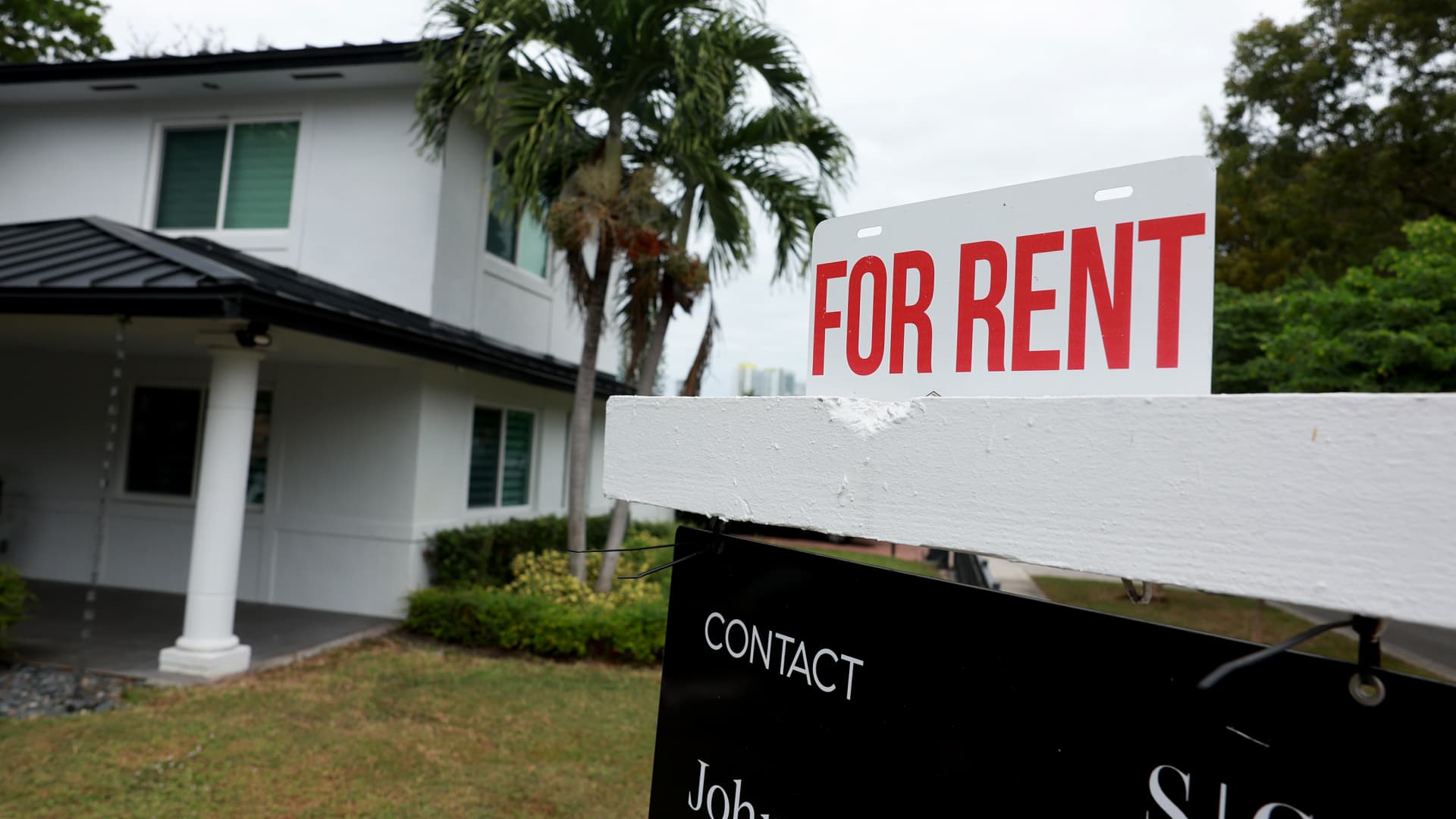
Rent growth for single-family homes has slowed to its lowest in 15 years, rising only 1.4% in August, with regional differences and a cooling in multifamily apartment rents due to increased supply. High-end properties are faring slightly better, but overall, the market shows signs of moderation after a period of rapid growth.
Single-family home rent growth has slowed in July 2025, with a 2.3% increase year-over-year, down from previous rates and below the 10-year average, signaling a potential cooling in the housing rental market amid broader economic struggles and shifting demand across major metropolitan areas.
Residential construction is gaining momentum as homebuilders and developers adjust to higher mortgage rates. Single-family construction starts in November rose by 6.6% from the previous month, reaching the highest level since April 2022. Homebuilders have been building smaller houses and offering incentives to offset the impact of higher rates. Meanwhile, multifamily construction starts also increased, with November seeing the highest number of starts since July. Despite challenges in certain sectors, the economy has managed to grow at unexpectedly high rates, and a recession, which was anticipated for 2023, has not materialized.
The Austin City Council has voted to allow the construction of more homes on single-family lots in an effort to address the housing affordability crisis. The change will permit up to three housing units, such as duplexes and triplexes, on almost any lot in the city where single-family homes are currently allowed. Critics argue that denser housing will negatively impact existing neighborhoods and displace low-income residents without providing affordable housing. This decision is part of a broader push by Austin officials to relax city rules and stimulate more housing construction.
Single-family zoning laws enacted in the early 1900s to protect homeowners and preserve neighborhood character have inadvertently contributed to the severe housing shortage in the US today. These laws, which restrict the construction of anything other than single-family homes in certain areas, have limited housing supply, raised prices, reinforced racial and class segregation, and hindered access to better schools and job opportunities. As a response to the housing crisis, some states and municipalities are rethinking their zoning laws, allowing for multi-family developments, accessory dwelling units, and affordable housing near transit lines. However, zoning reform alone is not enough to solve the problem, and additional policy changes, such as increased housing subsidies and protections for renters, are necessary to address housing affordability.