Stocks began 2026 with a focus on AI and chipmaking, driven by strong performances in Asian markets and tech giants like Samsung and TSMC, despite historical tendencies for early-year declines; optimism remains about the year's potential, supported by last year's gains and ongoing technological investments.
The US has granted annual licenses to Samsung and SK Hynix to import chip manufacturing equipment to China for 2026, providing temporary relief amid ongoing export restrictions, with the move marking a shift to an annual approval system for such exports.
Amazon is restructuring its AI division, including the departure of its AI chief, to focus on advancing its chips and large language models amid competitive pressures, with new leadership and strategic investments in AI technology.
Substrate, a US startup, claims to have developed a new chipmaking tool using X-ray lithography that can rival ASML's advanced EUV equipment, aiming to reduce costs and boost US competitiveness in semiconductor manufacturing, with potential national security implications.
Intel's Q3 2025 earnings exceeded expectations, driven by strong execution and AI demand, with the company strengthening its strategic partnership with the U.S. government, which now owns a 9.9% stake and has provided significant funding, signaling a shift from subsidies to a deeper industrial and national security alliance.
Intel's stock surged 23% after Nvidia announced a $5 billion investment in Intel and a partnership to develop custom AI and data center products, marking a significant move in the chip industry and boosting Intel's market value and position in AI technology.
The CFO of a company revealed that a deal between Trump and Intel was specifically designed to prevent the sale of a chipmaking unit, highlighting strategic corporate and political considerations.
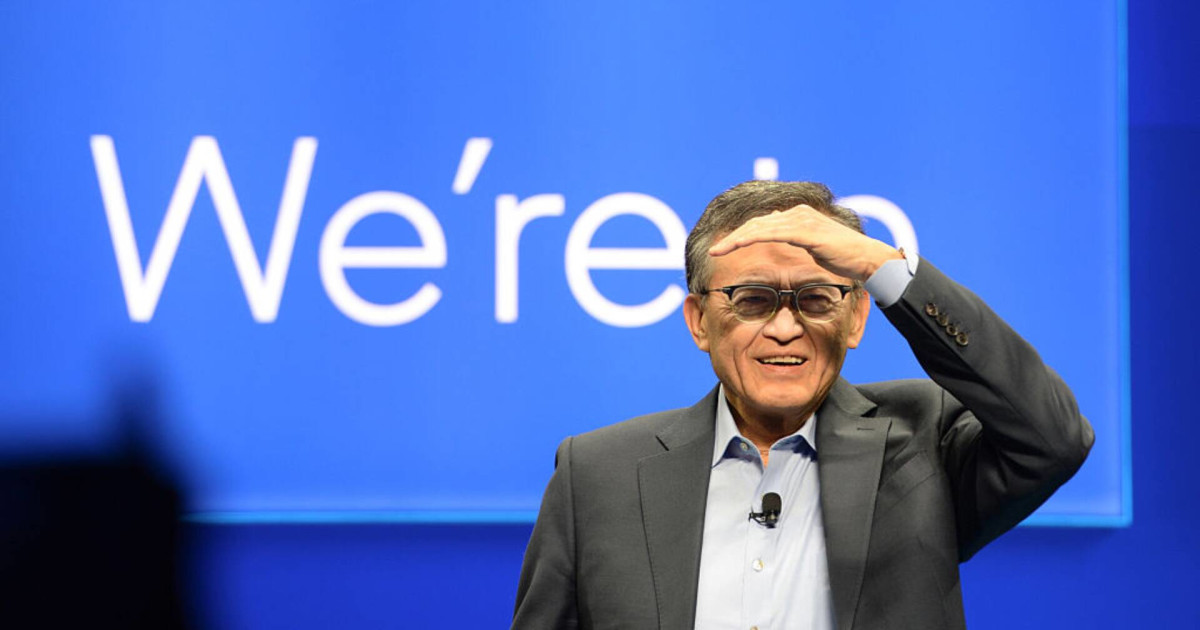
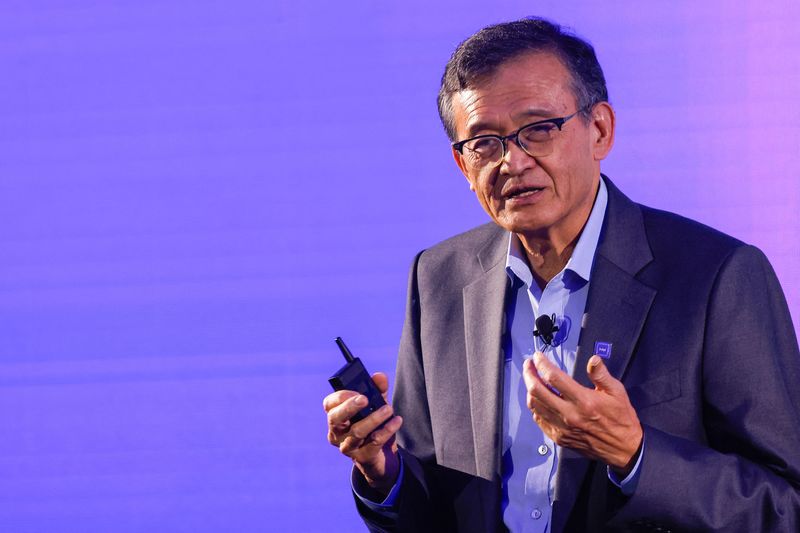
U.S. President Donald Trump demanded Intel's CEO Lip-Bu Tan resign due to his investments in Chinese firms linked to the military, raising concerns about conflicts of interest amid efforts to bolster U.S. domestic chip manufacturing. The call for resignation has impacted Intel's stock and sparked debate over presidential influence in corporate leadership.
SoftBank's $6.5 billion acquisition of Ampere Computing is under investigation by the US Federal Trade Commission, which could delay or block the deal amid broader concerns over antitrust issues and SoftBank's existing technology holdings in AI and chipmaking.
Intel is shutting down its automotive chipmaking division, planning to lay off most employees and shift focus to its core client and data center businesses, despite previous investments and developments in automotive technology including Mobileye and AI-enhanced chips.
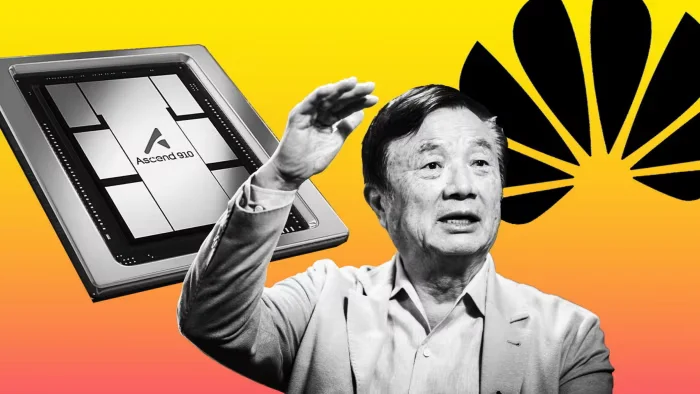
Huawei's founder Ren Zhengfei downplayed the company's chipmaking capabilities, claiming they still lag behind US technology, amid ongoing US-China trade talks. Despite US export restrictions, Huawei has made progress with its AI chips and servers, but faces challenges in building an ecosystem of developers and competing with Nvidia's software platform. Ren emphasized China's advantages in infrastructure and R&D investment as key to future technological development.
Intel CEO Pat Gelsinger's removal has raised concerns about the company's turnaround strategy, as Intel's shares initially rose but then fell following the news. Under Gelsinger, Intel struggled to compete in the AI-driven chipmaking market, losing ground to rivals like Nvidia and TSMC. The company's focus on contract manufacturing hurt cash flow, and it missed opportunities in AI investments, leading to a significant drop in revenue and market capitalization.
Asian stocks rose on Friday, driven by gains in chipmaking and cyclical stocks, despite ongoing tensions from the Russia-Ukraine conflict. Japanese and South Korean markets saw notable increases, with tech sectors performing well, while Chinese stocks lagged due to a lack of stimulus details. Indian markets continued to suffer from losses linked to the Adani Group's legal troubles. Inflation concerns in Japan suggest potential rate hikes by the Bank of Japan.
ASML, a major chipmaking equipment supplier, reported a 40% drop in net profit and a 25% decrease in revenue for Q1, partly due to a decline in orders and export restrictions on sales to China. Despite this, the company remains optimistic about the future, expecting higher sales in the second quarter and aiming for annual revenue between €30-40 billion by 2025, driven by the demand for advanced semiconductor manufacturing equipment.
ASML, a key chipmaking equipment maker, reported a 22% drop in sales but beat profit expectations for the first quarter. The company's net sales fell 21.6% year-on-year, with net income dropping 37.4%. ASML's net bookings also decreased, reflecting weaker demand for its machinery. Despite this, the company maintained its full-year outlook, expecting a stronger second half of 2024 as the industry continues to recover. The U.S. plans to urge the Netherlands to halt ASML's servicing of tools in China as part of efforts to limit Beijing's tech sector influence.