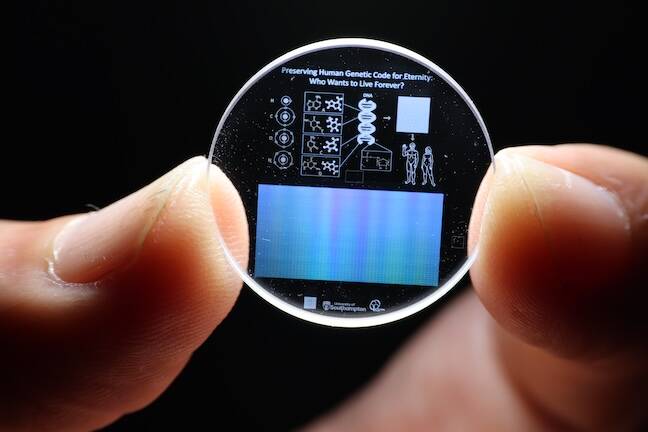
A new 5D Memory Crystal technology using fused silica glass can store data for up to 14 billion years, offering a highly durable and scalable solution for long-term data storage, primarily targeting data centers and cold data applications.
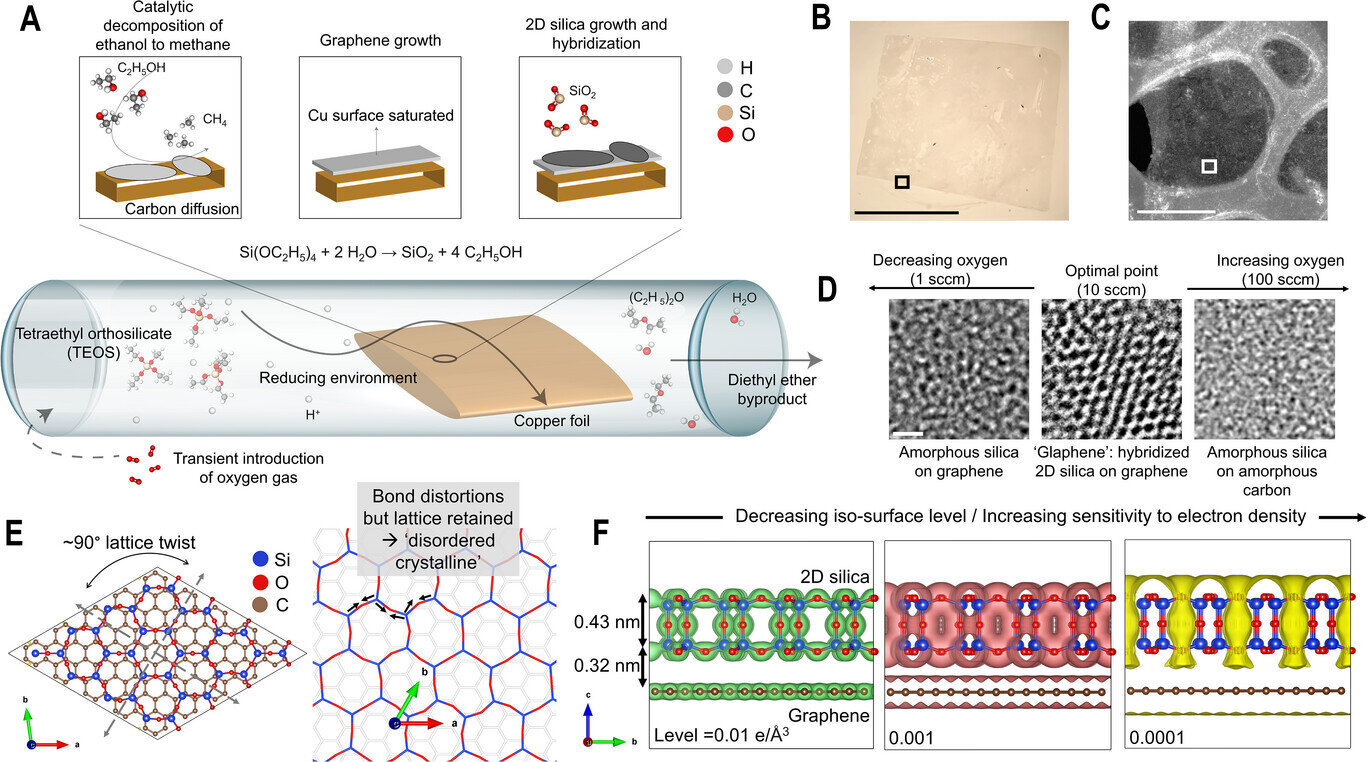
Researchers have created a new 2D hybrid material called glaphene by chemically integrating graphene and silica glass, resulting in a stable compound with unique electronic properties that could enable advanced electronics, photonics, and quantum devices. The synthesis involved a novel two-step process and confirmed through spectroscopy and quantum simulations, revealing strong interactions between the layers that go beyond typical van der Waals bonds.
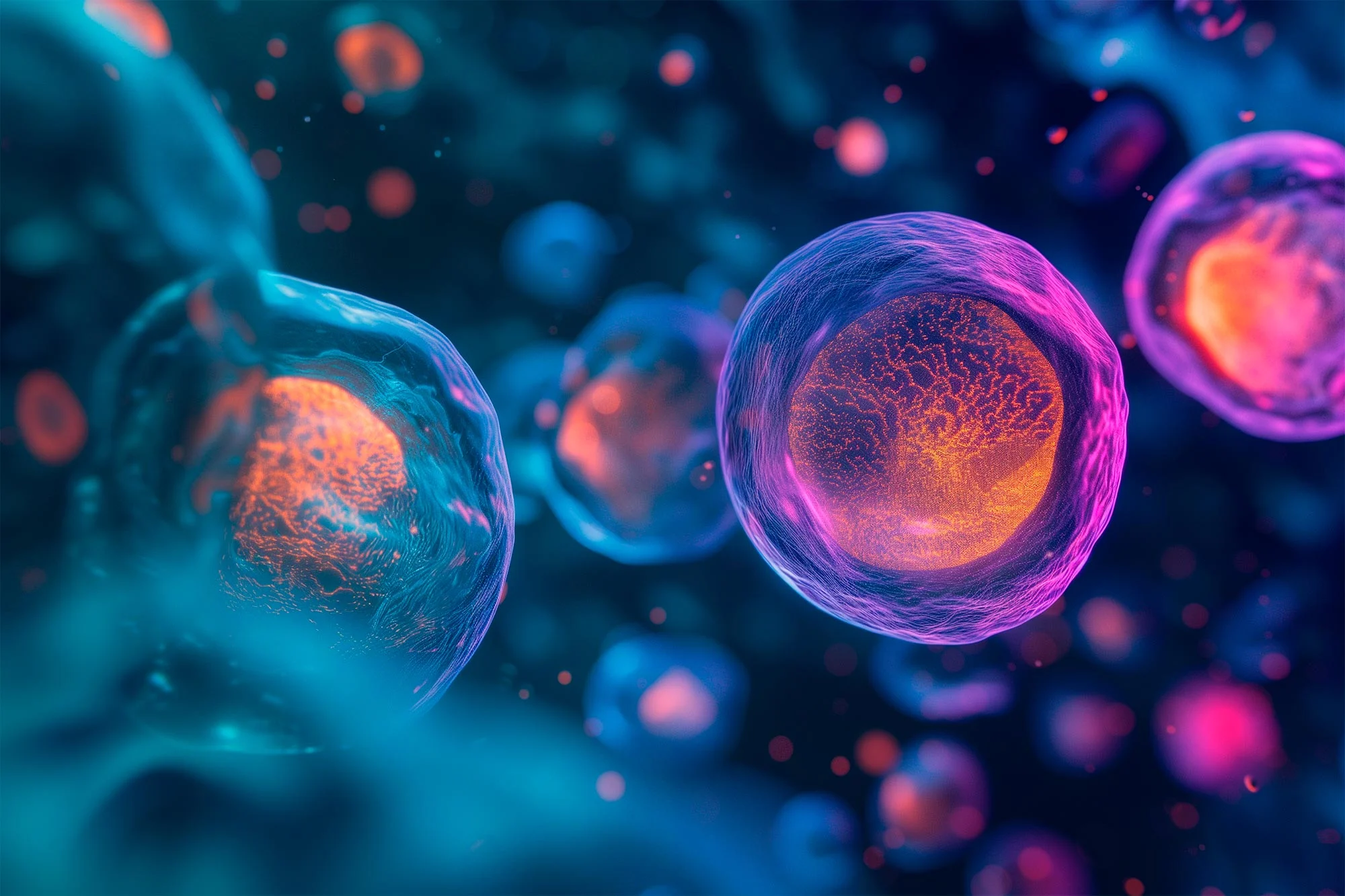
Researchers at the University of California San Diego have discovered a potential mechanism for the formation of early Earth protocells, which could explain the origins of life. The study, published in Nature Chemistry, reveals that simple molecules like cysteine and short-chain choline thioesters can spontaneously form lipid membranes when catalyzed by silica glass. This process, which does not require enzymes, could have led to the creation of protocell-like structures capable of sustaining biochemical reactions, offering insights into how life might have emerged from non-living matter.
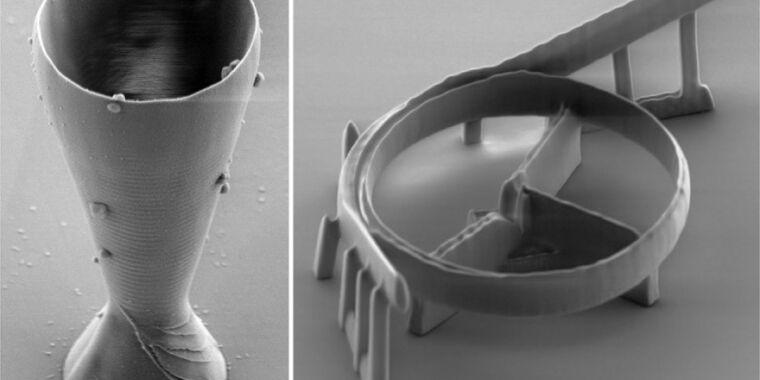
Swedish scientists have developed a new 3D-printing technique for silica glass, successfully creating the world's smallest wineglass and an optical resonator for fiber optic telecommunications. Their method uses hydrogen silsesquioxane (HSQ) and does not rely on organic compounds, resulting in printed microstructures with the desired properties of silica glass. While an extra annealing step is required to remove residual organics, the shrinkage of the structures is minimal compared to other 3D-printing methods. The scientists believe their technique could have applications in customized lenses for medical devices, micro-robots, and hybrid quantum photonics integration.