Tag

Shortest Day

All articles tagged with #shortest day

science6 months ago

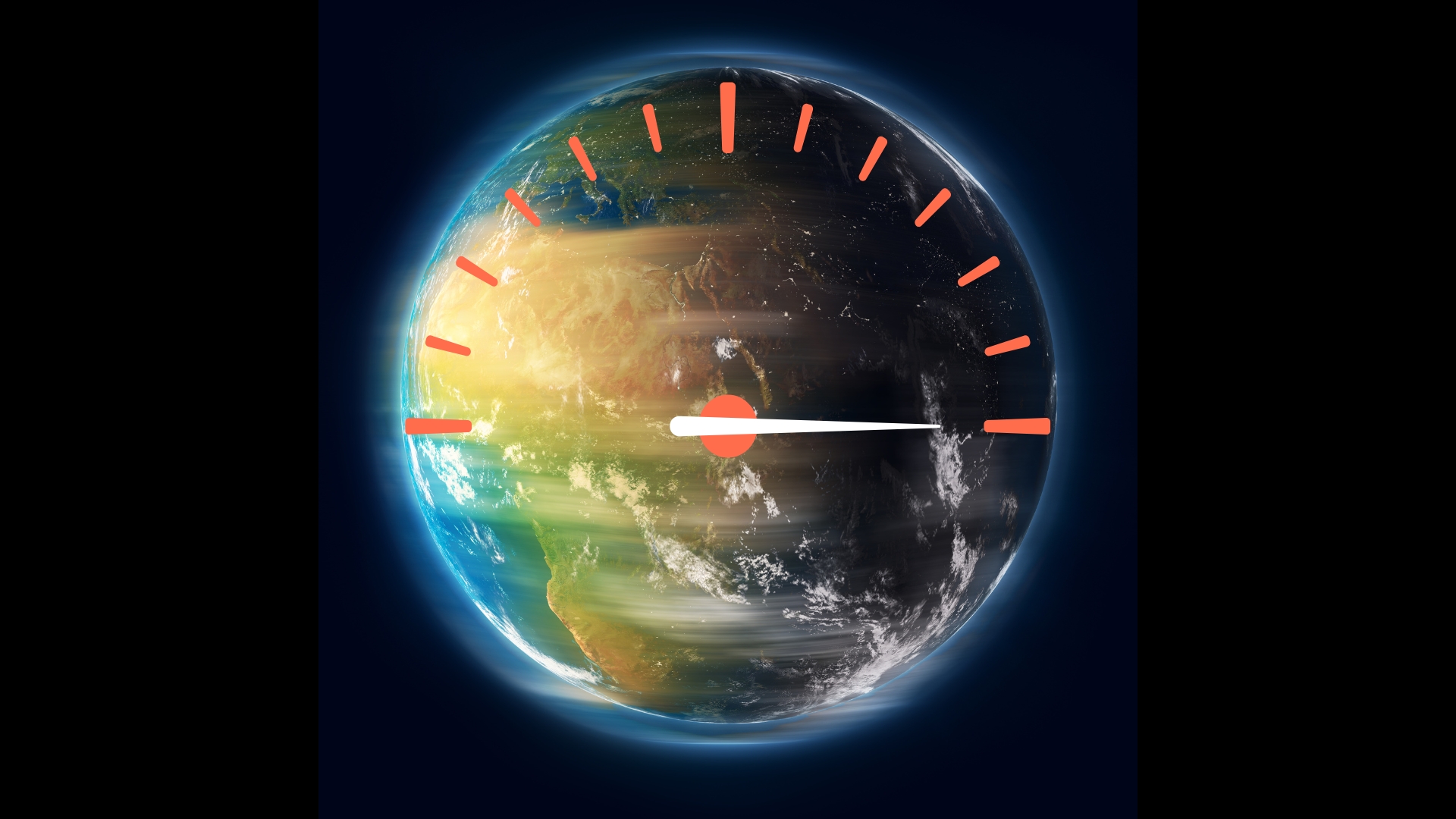
Earth's Days Shorten as Rotation Speeds Up in 2025

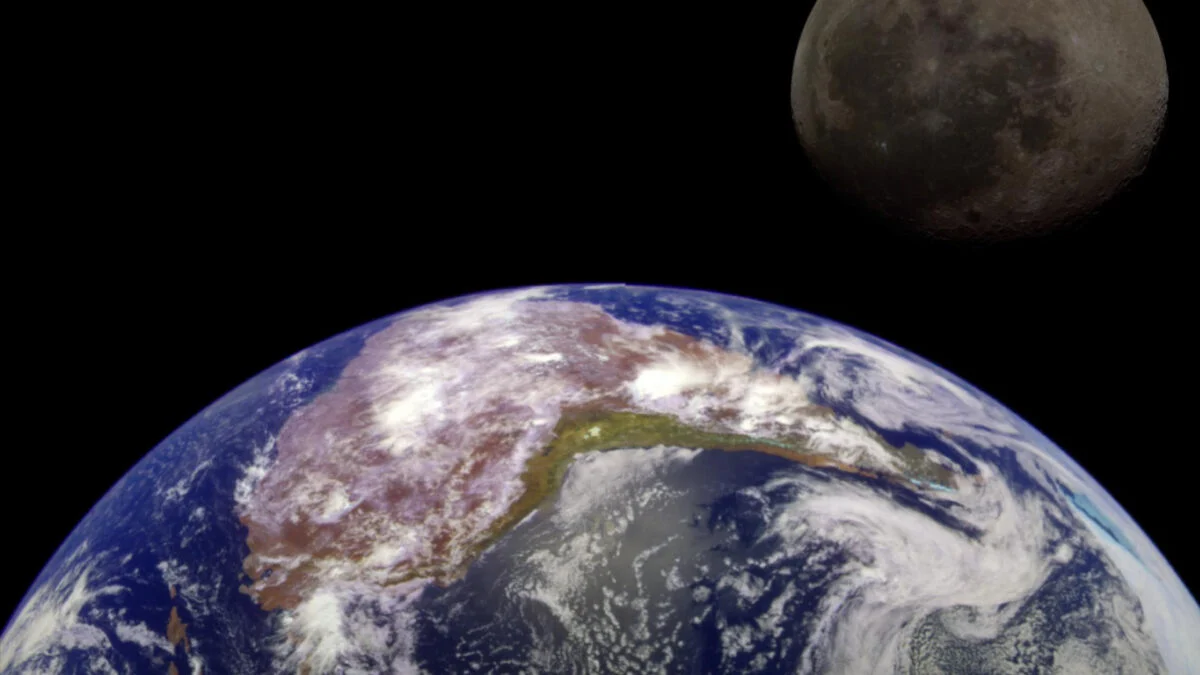
Earth experienced one of its shortest days on record on July 9, 2025, due to the moon's gravitational effects, with two more such days expected this summer. This phenomenon is linked to the moon's position and gravitational pull, which can temporarily speed up Earth's rotation. Scientists monitor these variations using atomic clocks, and if the trend continues, it could lead to the need for a negative leap second to keep civil time aligned with Earth's rotation.

science6 months ago

Earth's Rotation Accelerates, Making July 9, 2025, Possibly the Shortest Day Ever

On July 9, 2025, Earth will experience one of its shortest days since 1960, finishing about 1.3 to 1.6 milliseconds early due to the planet's accelerated rotation, influenced by factors like the Moon's orbit and shifts in Earth's mass distribution. This short-term change is part of a series of days in 2025 with slightly faster spins, prompting scientists to monitor future data for potential negative leap seconds to keep atomic time aligned with Earth's rotation. The phenomenon is scientifically significant but poses no practical risk to daily life, aiding in climate modeling and satellite navigation research.

science6 months ago

Earth's Rotation Sets New Record: Implications for Humanity

Earth is spinning faster than ever, with recent records indicating the shortest days since 1973, likely due to factors like core movement and melting glaciers. This acceleration impacts timekeeping systems, potentially leading to the removal of leap seconds, and has significant implications for technologies relying on precise time synchronization.

science-and-astronomy2 years ago

"Embracing the Winter Solstice: Celebrating the Longest Night and the Return of Light"

The winter solstice, the shortest day and longest night of the year in the Northern Hemisphere, will occur on December 21 at 10:27 p.m. Eastern time. During the solstice, the sun appears directly over the Tropic of Capricorn, marking the beginning of astronomical winter. The solstice happens because Earth's axis is tilted, causing each hemisphere to receive different amounts of sunlight. After the solstice, the position of sunrise and sunset gradually shifts northward, resulting in longer days. Various cultures have celebrated the solstice throughout history, and landmarks like Stonehenge were built to mark the sun's changing path in the sky.

weather2 years ago

"Jupiter and the Longest Night: Winter Solstice 2023"

The winter solstice, which falls on December 21st, marks the shortest day of the year in terms of daylight hours for those in the Northern Hemisphere. This occurs because the Earth is tilted away from the sun during this time. After the solstice, each day will gradually bring more daylight until the summer solstice in June. The winter solstice is considered the first day of winter and has been recognized by ancient civilizations for thousands of years.