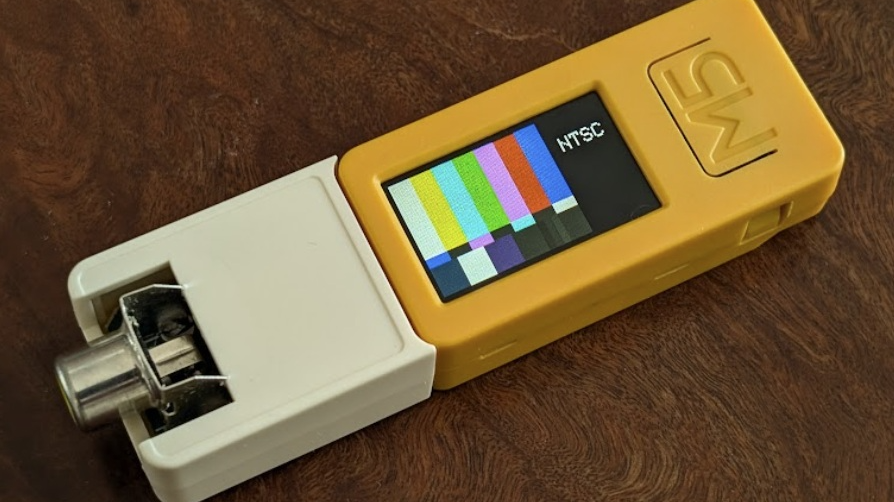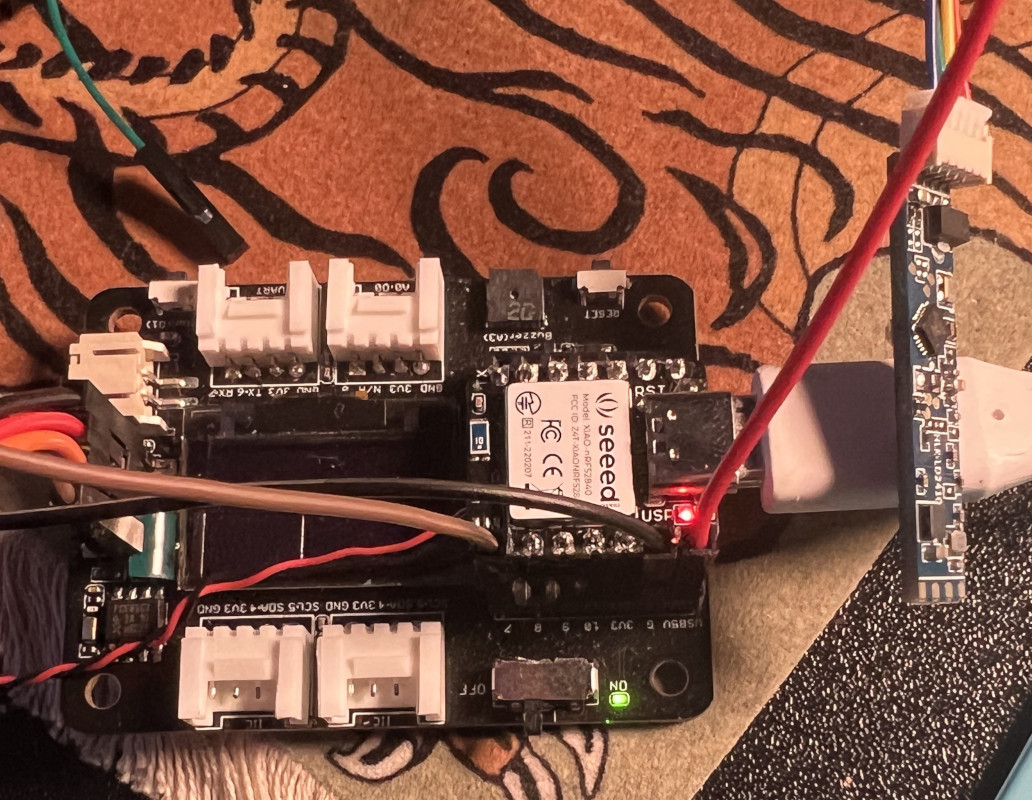
Nicholas Murray has developed a compact, ESP32-based test pattern generator for checking CRTs and old televisions, featuring easy pattern cycling, NTSC/PAL toggle, and a built-in display, offering a portable and efficient tool for hardware testing.
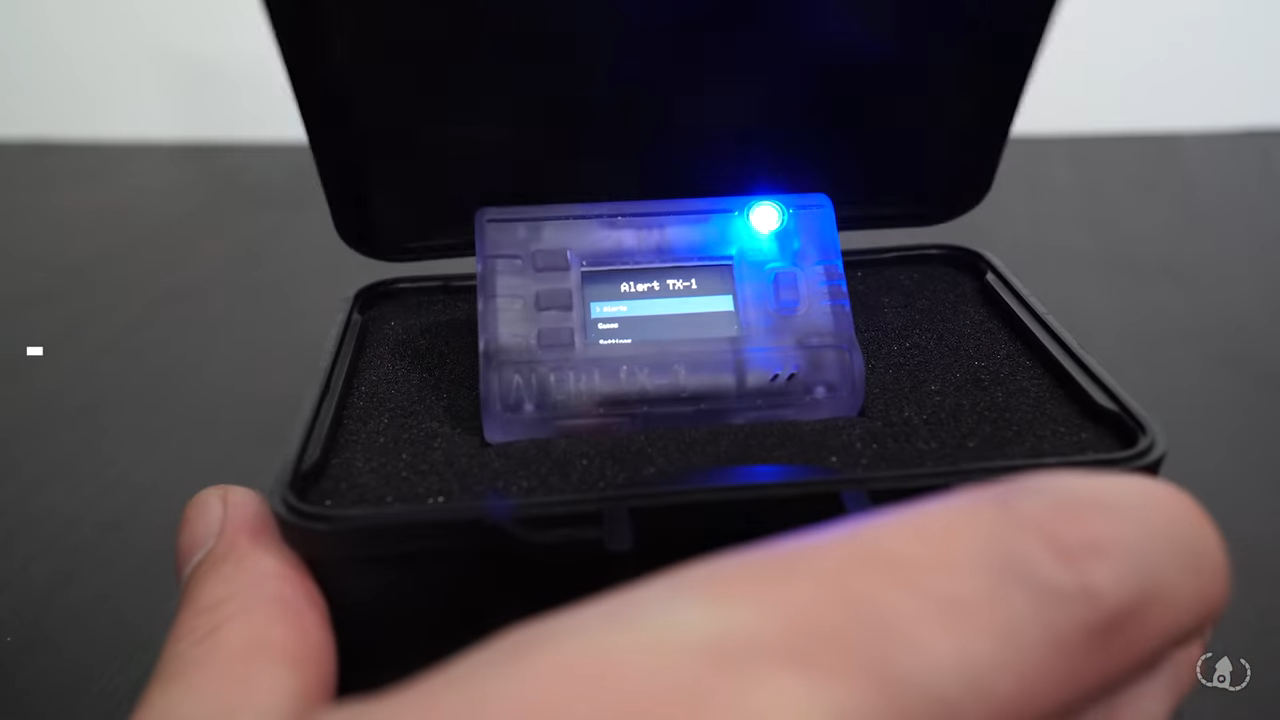
Kyle Tryon has revived the classic pager concept by building a custom ESP32-based device that receives MQTT alerts and plays tunes, serving as a modern on-call beeper with a nostalgic 90s design.
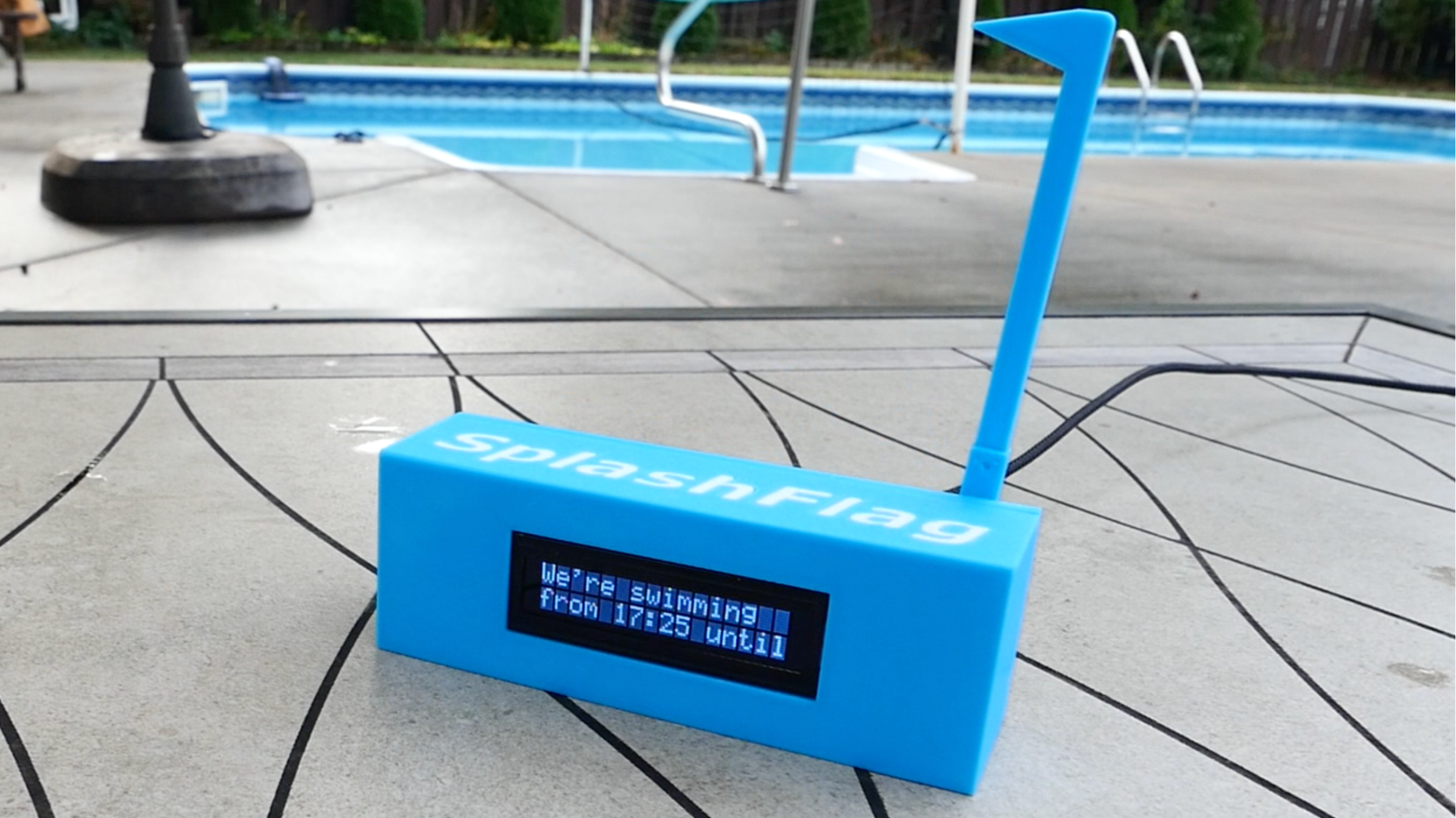
Bert Wagner created Splashflag, an IoT device that enhances pool parties by displaying notifications and raising a flag to alert guests, using an ESP32 microcontroller, a LCD display, and a servo, all controlled via a web app and MQTT broker.
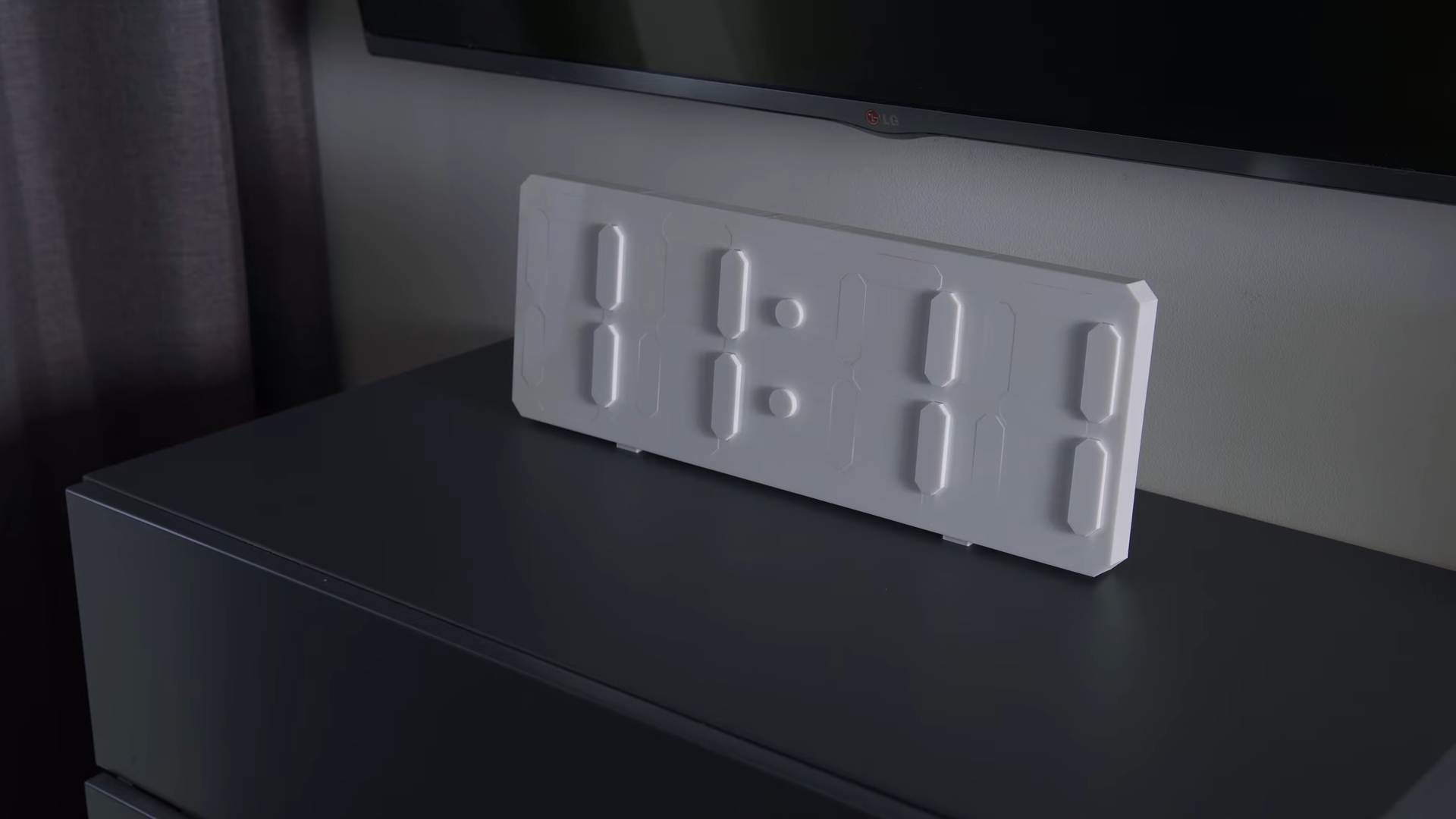
A DIY shadow clock uses four seven-segment digits with solenoids to extend or retract segments, creating a physical numerical display driven by an ESP32 and DS3231 real-time clock, configurable via a web interface, offering a unique and aesthetic way to tell time.
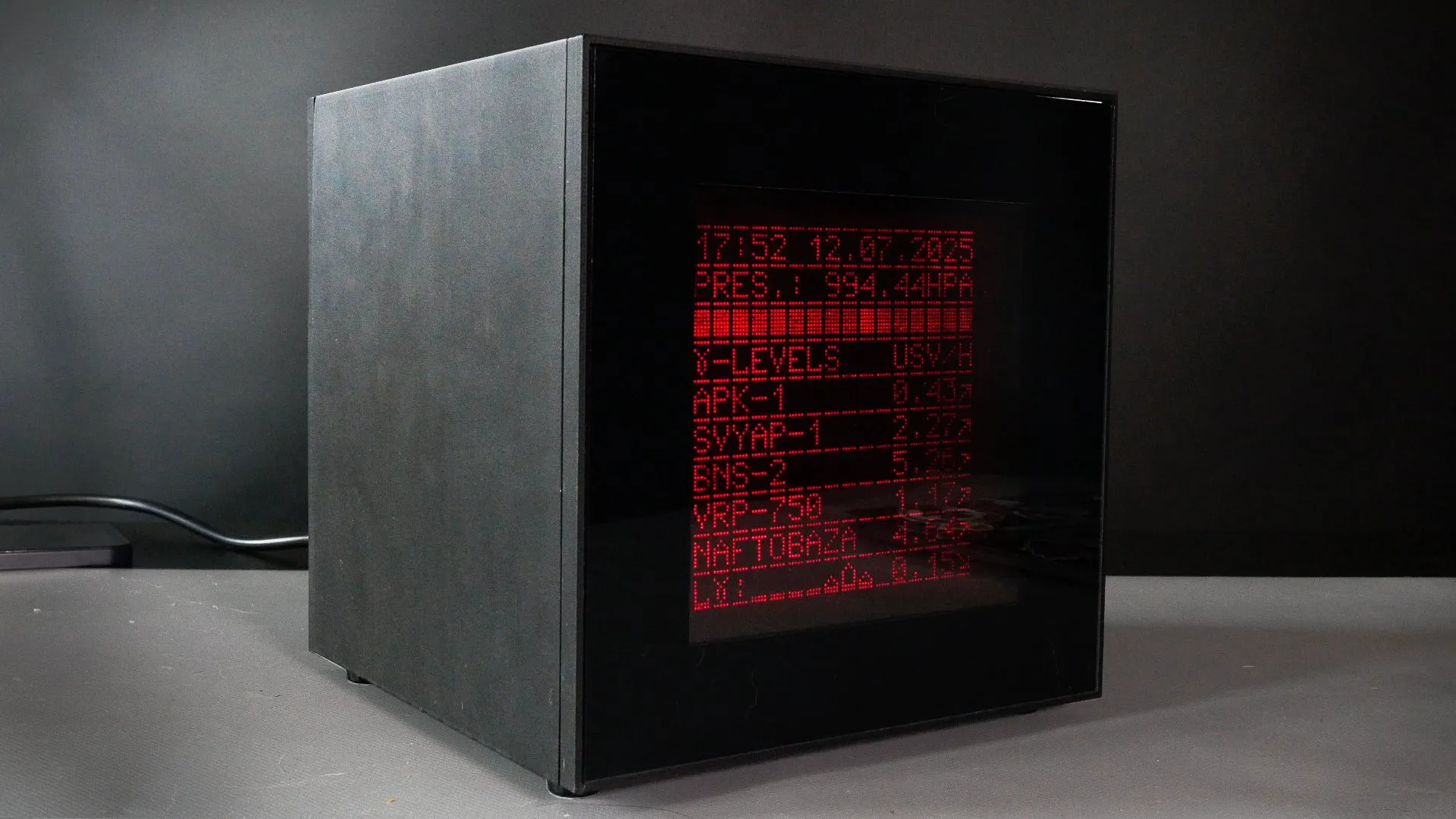
A hobbyist named Alex has built a stylish radiation level monitor using an ESP32 microcontroller and a vintage Soviet-era plasma display, inspired by Chernobyl's exclusion zone. The device fetches sensor data via an API and includes a Geiger counter, with the display operated as a text-only matrix that can be modified for additional symbols. This project highlights the charm of vintage displays and their potential for reverse-engineering and modern applications.
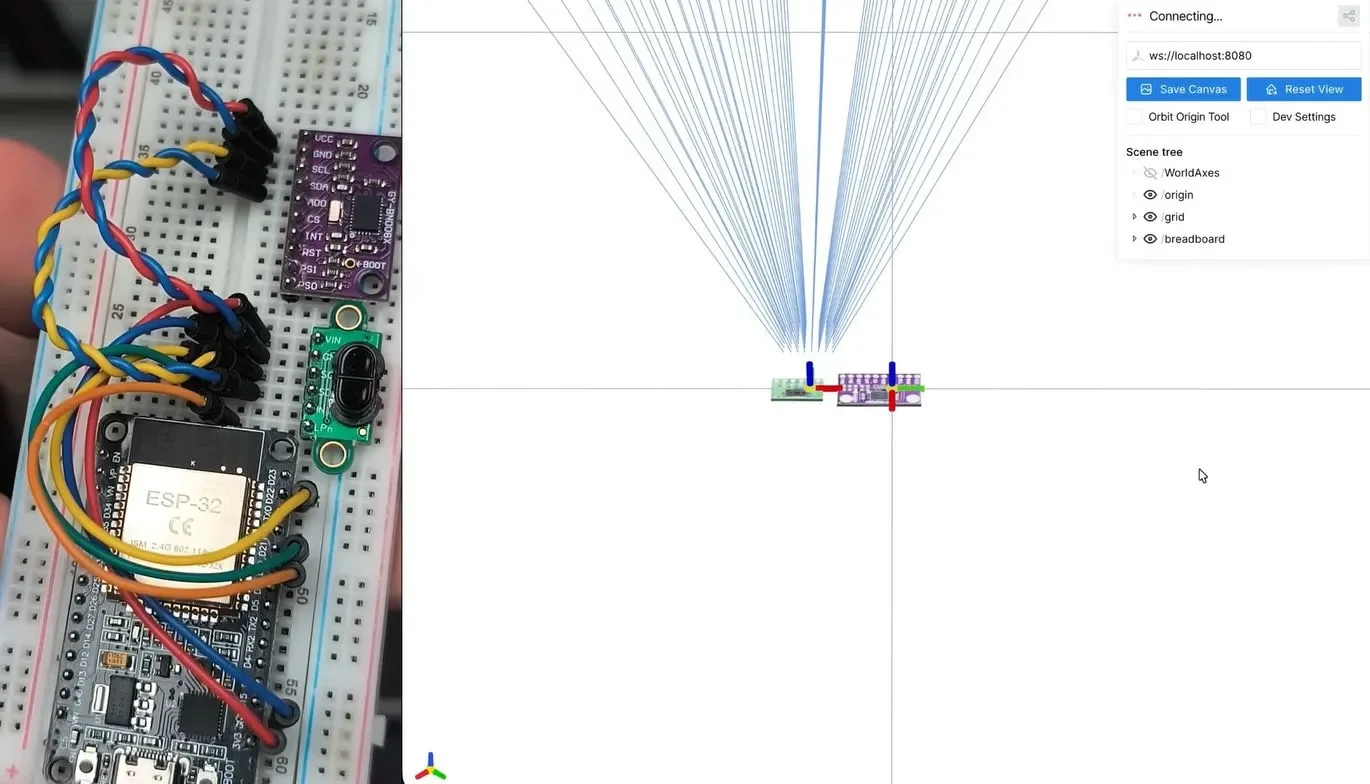
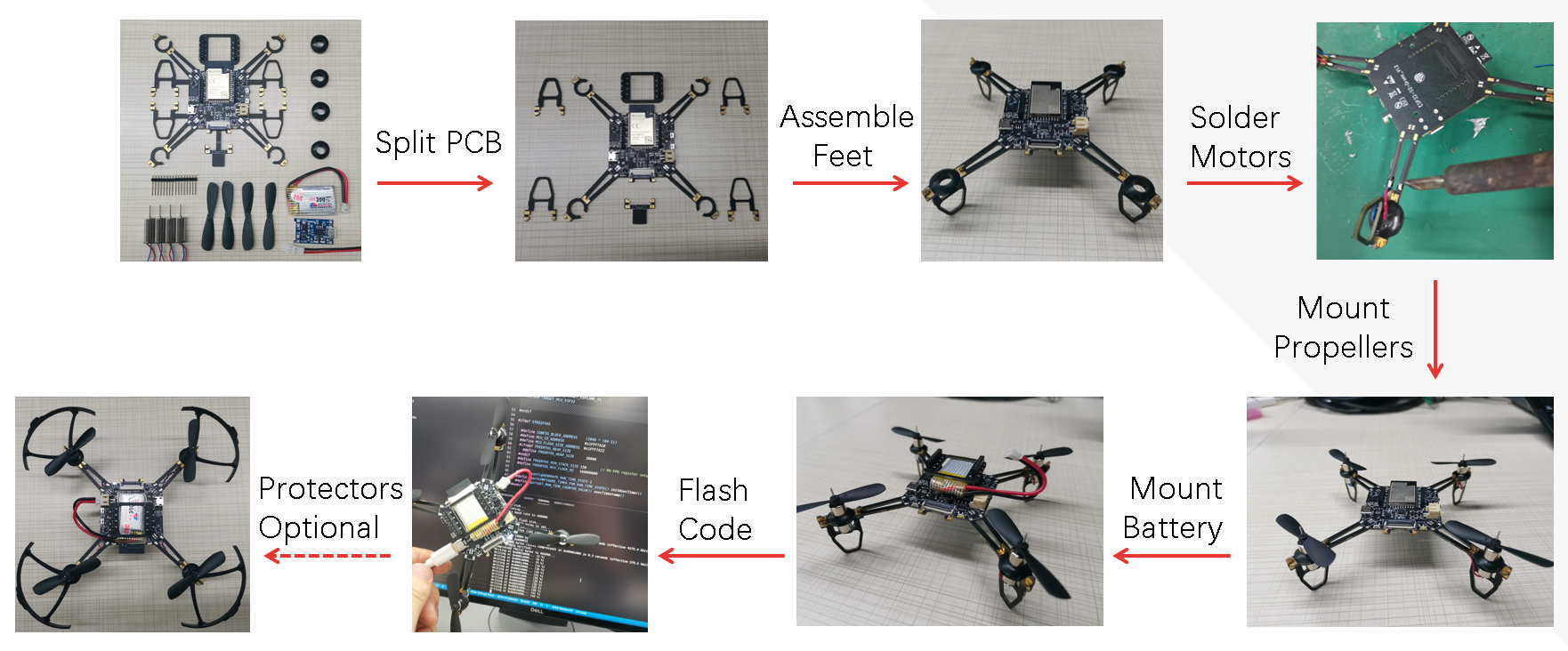
Circuit Digest demonstrates how to build a budget-friendly quadcopter using an ESP32 MCU module, IMU, and four MOSFETs, with a total BOM cost of around $12 USD. The project, based on the ESP-Drone by Espressif, offers expansion options for additional modules and supports remote monitoring and control through cfclient software or a mobile app. While limited to local WiFi range and lacking a camera feed, it provides a fun and affordable DIY quadcopter experience.
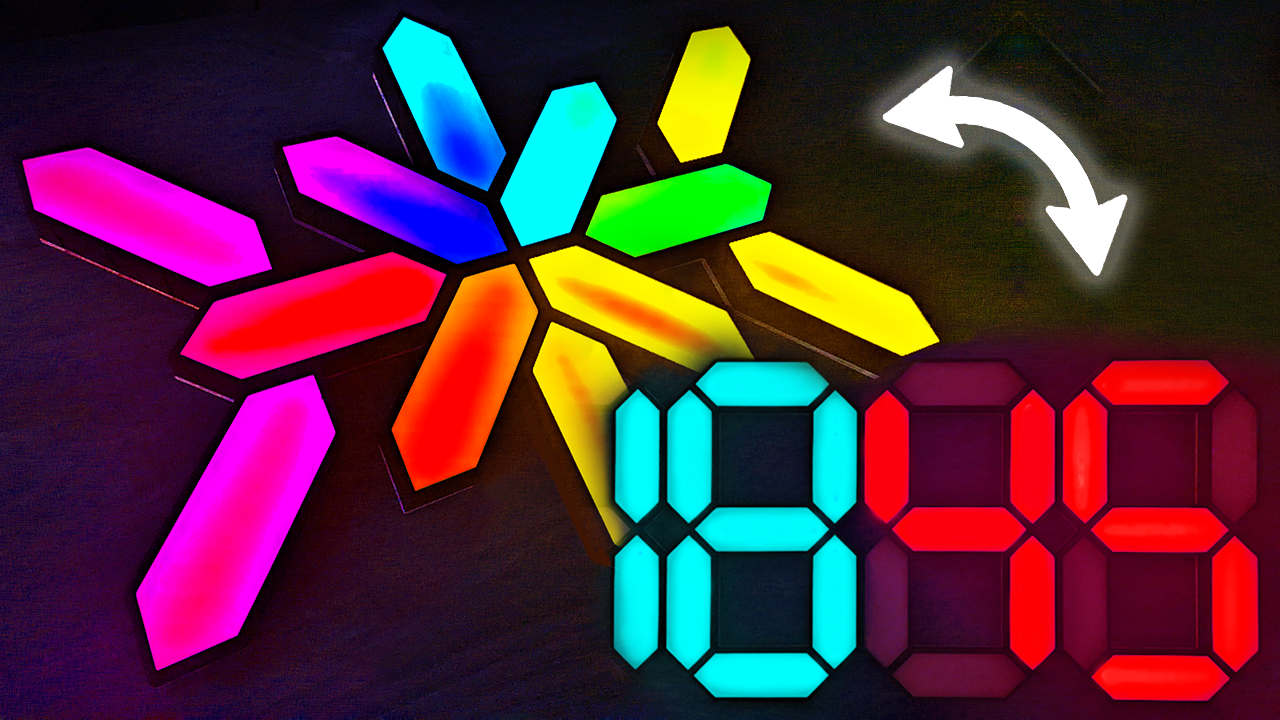
Inspired by Nanoleaf's glowing wall tiles, [Projects with Red] created their own gem-shaped wall panels using 3D printed housings, translucent acrylic sheets, and addressable LED strips connected to an ESP32 for control. The panels can function as a large clock and offer flexibility for reconfiguration, making them a cost-effective DIY alternative to Nanoleaf's products.
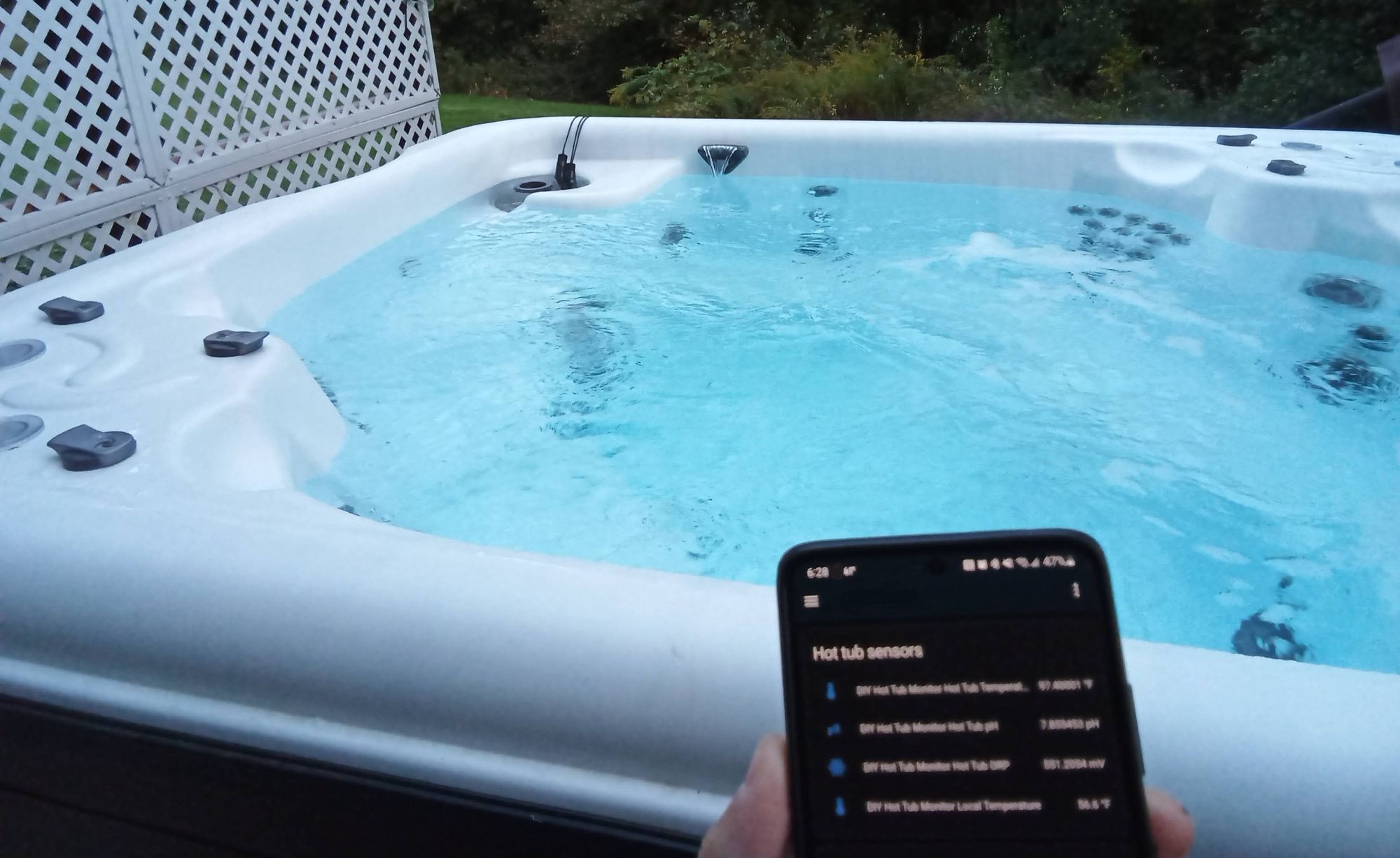
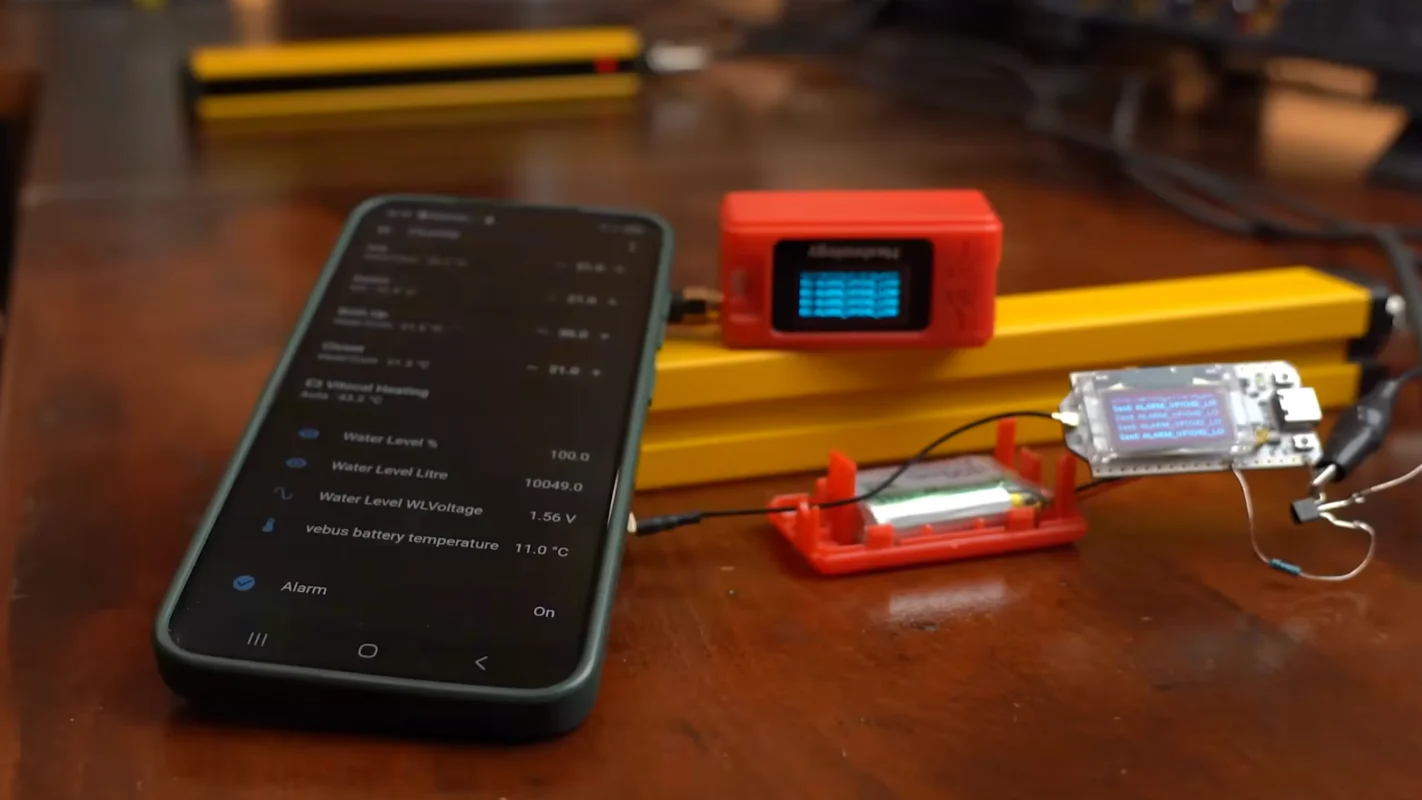
Stephen Carey has developed a hot tub monitoring system using an ESP32 microcontroller that checks water quality every minute and reports it on a mobile dashboard. The system uses sensors to track pH levels, Oxidation-Reduction Potential (ORP), and temperature, providing insights into water quality and energy use. The ESP32 sends data through WiFi and can generate alerts when values drift outside acceptable ranges. The system also includes a calibration mode to check sensor accuracy. Carey found affordable sensor alternatives on AliExpress.
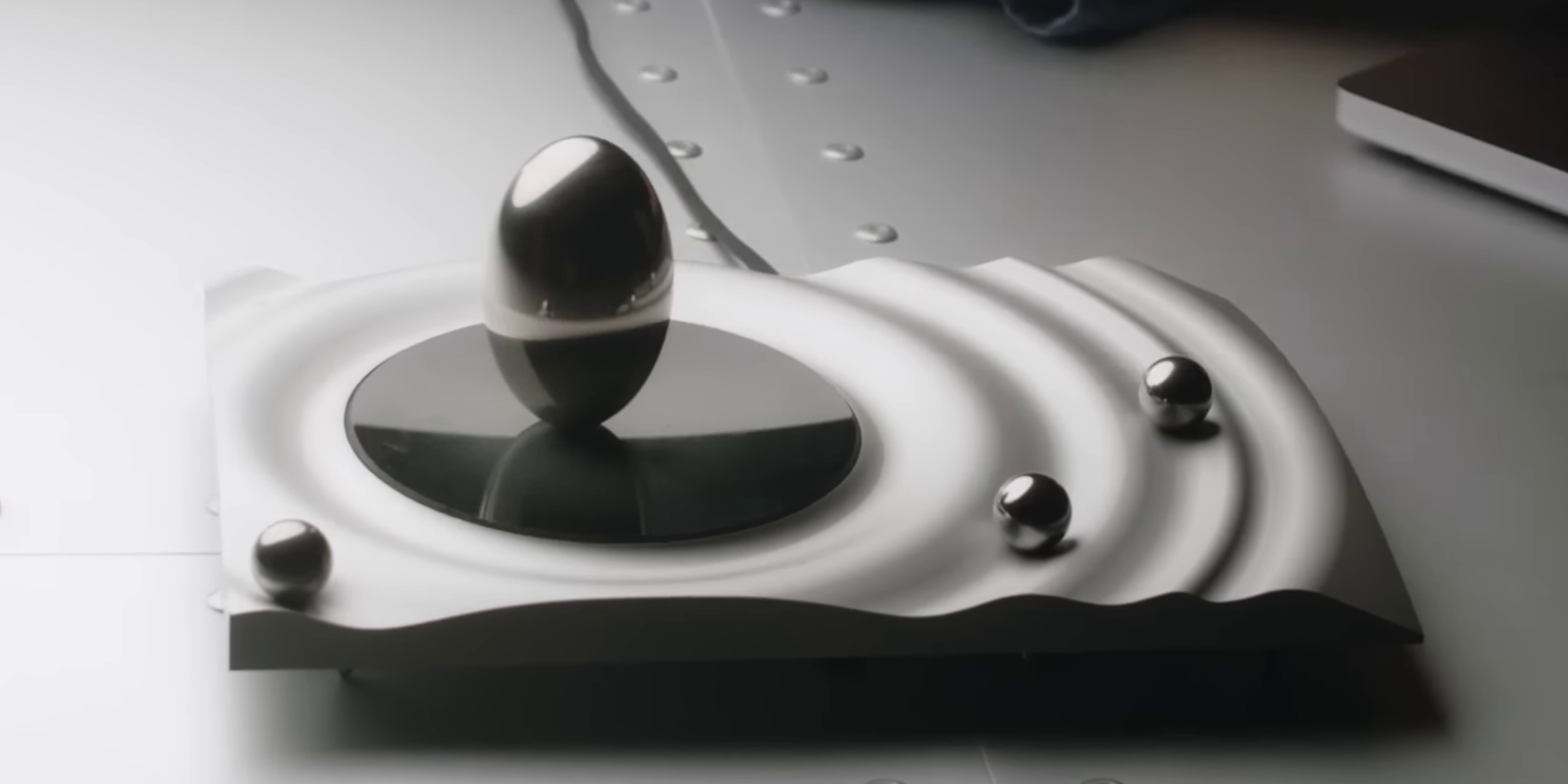
The Motion Zero is a mesmerizing device created by David Windestål, Giacomo Di Muro, and Chad Kapper. It features a free-spinning shiny metal egg that stands on its end when spun fast enough. The egg is embedded with magnets to act as a rotor, while PCB coils create the stator. Hall effect sensors are used to control the position of the egg and adjust the rotation speed. Designed with meditation in mind, the device includes a ripple-patterned aluminum cover with ball bearings as a control interface. The main controller is an ESP32 module. The Motion Zero has already exceeded its funding goal on Kickstarter.
A presence sensor based on a 24 GHz radar module and an ESP32 microcontroller has been developed to automatically lock a computer screen when the user walks away from the machine. The sensor detects motion and sends the screen lock keyboard shortcut to the computer, ensuring security in offices with high foot traffic. The project can be implemented using various microcontroller platforms, and the addition of a blinking LED would provide a visual indication before the screen locks.
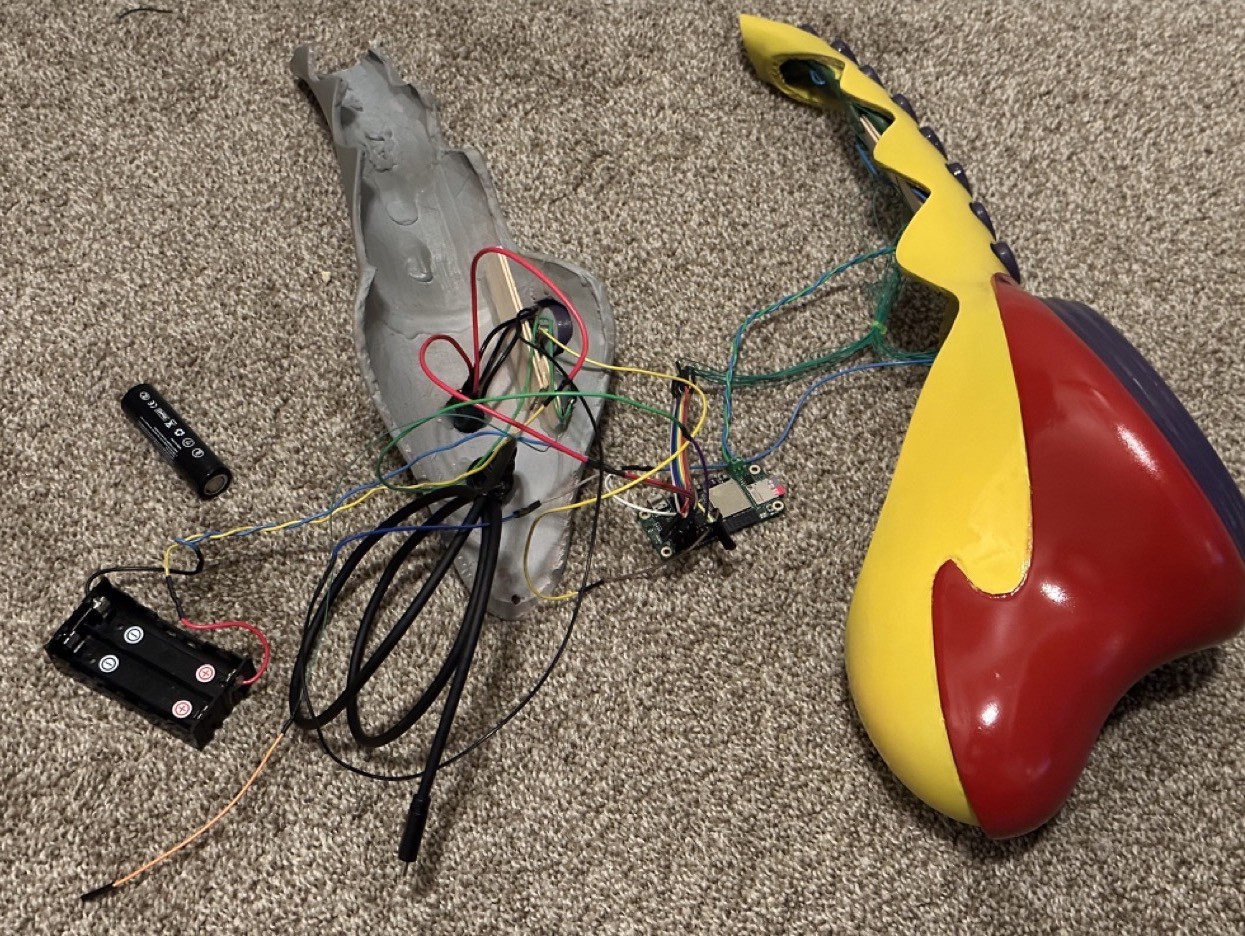
A father recreated a Sax-A-Boom toy for his son's school event after finding out that the original toy costs around $700. He commissioned a 3D model from a professional on Fiverr and used an ESP32-based board called Sonatino for the device's guts. The music samples came from a virtual instrument clone on GitHub and loaded onto an SD card. Despite some gaps and paint flaws, the son rocked the school presentation with the recreated toy.
A Reddit user has shared code for a dynamic WiFi beacon that Rickrolls wireless LAN users via the broadcast SSID of an ESP32 WiFi radio. The ESP32 and its smaller sibling, the ESP8266, are popular microcontrollers featuring built-in WiFi support, making them a favorite for makers, hackers, and pranksters. The sketch periodically updates the SSID to a next line of text stored within the code, with the Rickroll prank featuring the next line of lyrics from "Never Gonna Give You Up" by Rick Astley.
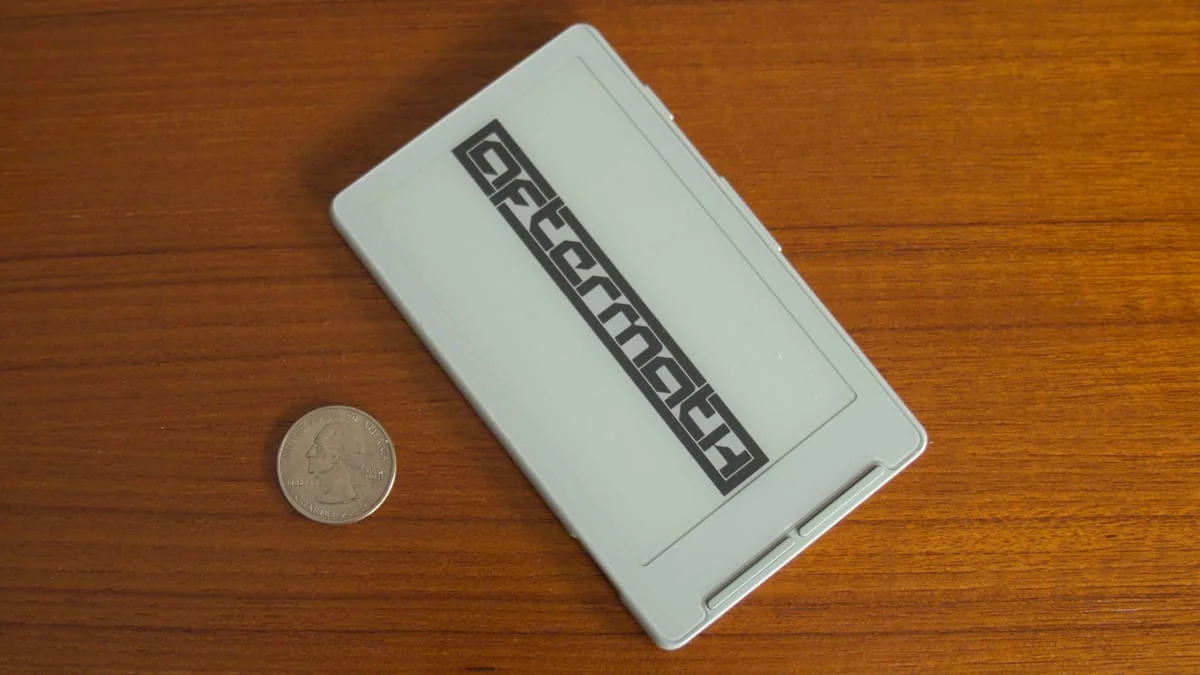
Stavros created a sleek desk calendar called Timeframe using a 4.7" E-Ink screen with integrated battery management and ESP32. He used a modified library for driving the e-ink display and a Python script to visit Google Calendar, take a screenshot, and display it. After cracking the screen, he mapped out the area that didn't draw and converted the Python to draw weather information with Pillow. The code is available on GitLab, and the 3D files for the case are on Printables.