Tag

Senior Health

All articles tagged with #senior health

Challenges After 60 and How Exceptional Aging Can Help

Originally Published 3 months ago — by VegOut

Featured image for Challenges After 60 and How Exceptional Aging Can Help
Source: VegOut

The article discusses ten common physical and cognitive changes that become nearly impossible after 60, such as reading menus in dim light, getting up from the floor gracefully, hearing conversations, sleeping through the night, and trusting bodily functions, emphasizing that these are normal parts of aging that require adaptation rather than despair, and highlighting the importance of acceptance and adjustment to maintain quality of life.

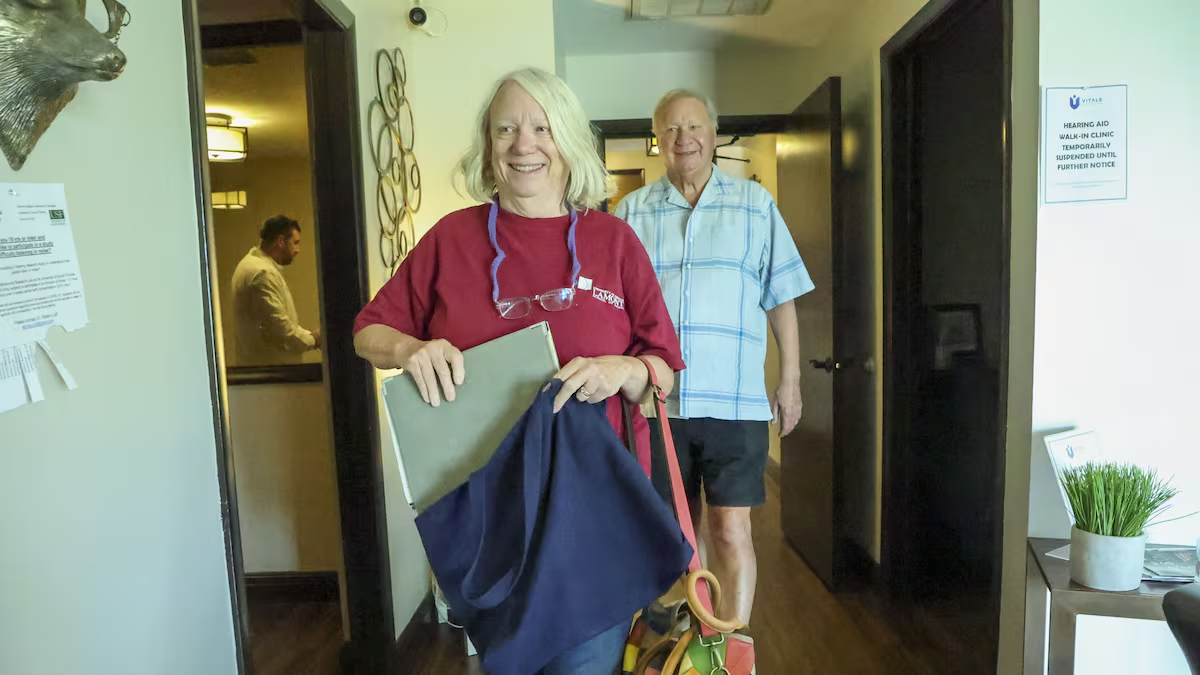
Florida Couple Finds Solution to Hearing Aid Issues

Originally Published 7 months ago — by Tampa Bay Times

Featured image for Florida Couple Finds Solution to Hearing Aid Issues
Source: Tampa Bay Times

A Florida couple with severe hearing loss, who struggled with traditional hearing aids, found hope in a new bone-anchored implant system called the Cochlear Osia, which significantly improved their hearing and quality of life, allowing them to reconnect with loved ones and activities they cherished.

"Boosting Energy and Longevity: How One Woman Transformed Her Health in Her 60s Through Exercise"

Originally Published 1 year ago — by Business Insider

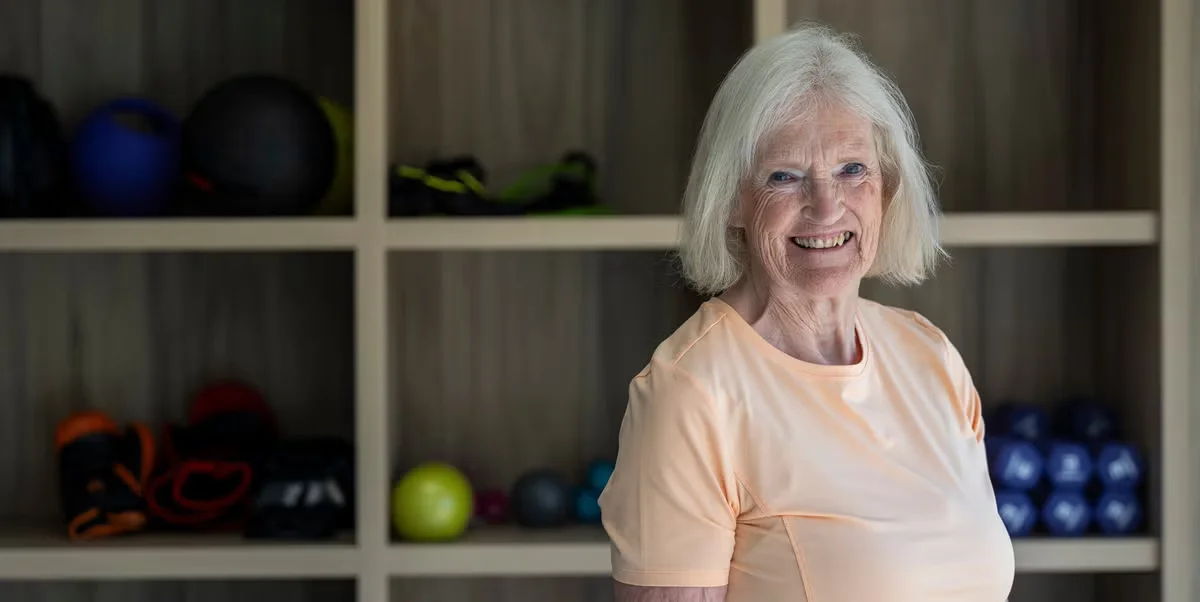
Featured image for "Boosting Energy and Longevity: How One Woman Transformed Her Health in Her 60s Through Exercise"
Source: Business Insider

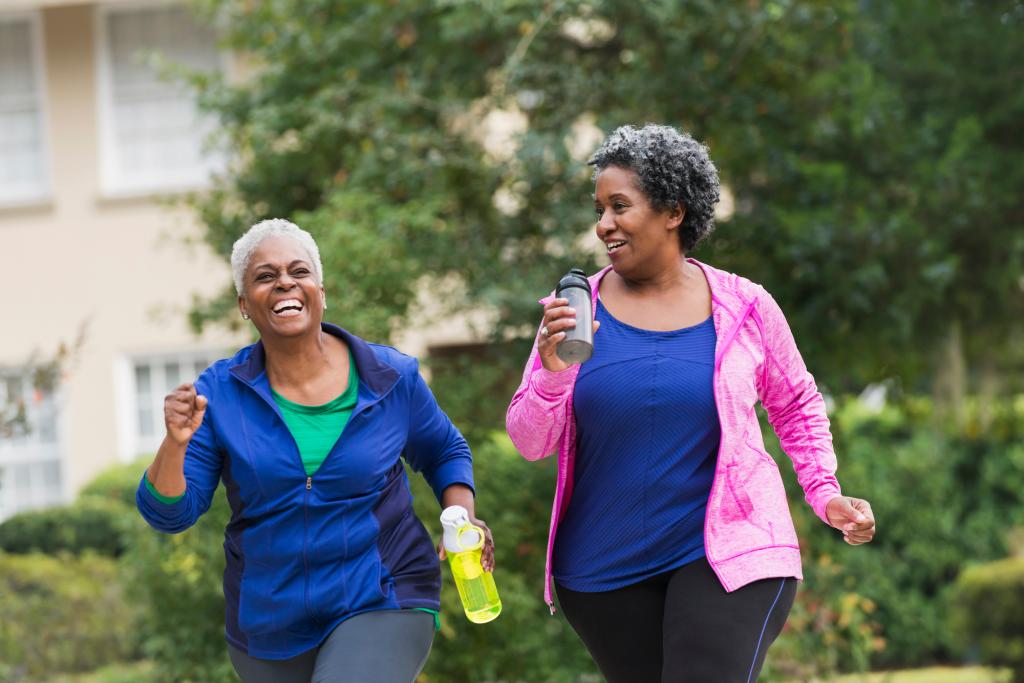
Patty Branch, a 70-year-old woman from Ohio, transformed her health and energy levels by starting to exercise in her 60s. After struggling with chronic health conditions and being on the verge of prediabetes, she began walking and eventually joined community workout classes. Within four years, she lost over 50 pounds and saw improvements in her blood sugar and nerve pain. Now, she works out three times a week with Silver Sneakers, a program for adults over 65, and emphasizes that exercise can be enjoyable and beneficial at any age.

"Optimal Daily Step Count for Women Over 60"

Originally Published 1 year ago — by New York Post

Featured image for "Optimal Daily Step Count for Women Over 60"
Source: New York Post

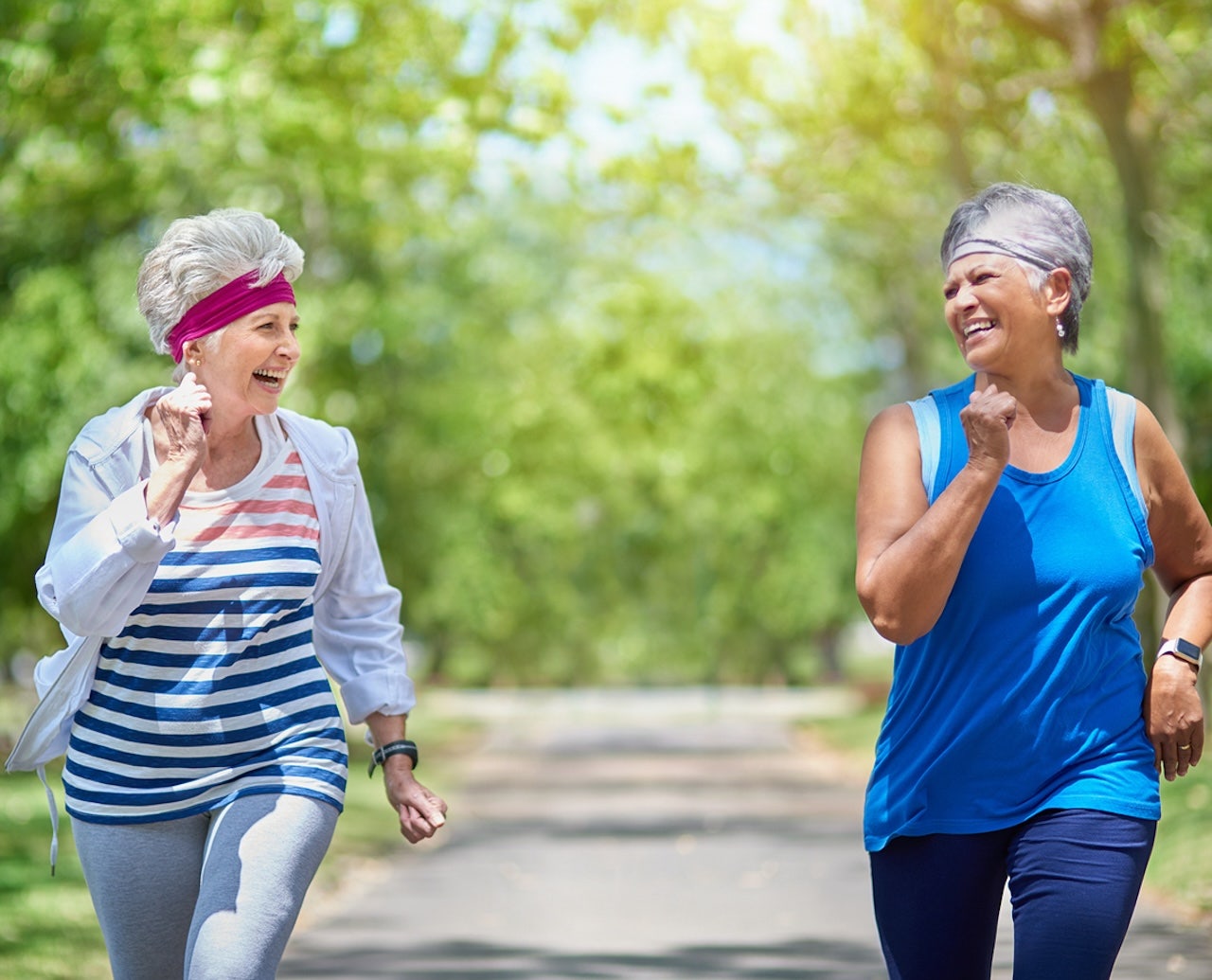
A new study published in JAMA Cardiology suggests that women between the ages of 63 and 99 only need an average of 3,600 steps per day to reduce their heart failure risk by 26%. Light-intensity activities of daily living and walking seem to be associated with a lower risk of heart failure in older women, and for every 90 minutes of sedentary time, the heart failure risk increases by 17%. The study evaluated risk for two different types of heart failure, including heart failure with preserved ejection fraction (HFpEF), which is increasingly common in older women. The potential for light-intensity activities of daily life to contribute to the prevention of HFpEF in older women is an exciting and promising result for future studies to evaluate in other groups, including older men.

"Daily Steps for Older Women: Protecting Heart Health"

Originally Published 1 year ago — by Fox News

Featured image for "Daily Steps for Older Women: Protecting Heart Health"
Source: Fox News

A new study published in JAMA Cardiology suggests that women between the ages of 63 and 99 only need an average of 3,600 steps per day to reduce their heart failure risk by 26%, far fewer than the often targeted 10,000 steps per day. Researchers observed 6,000 U.S. women and found that for every 70 minutes of light activity, heart failure risk decreased by 12-17%, while 90 minutes of sedentary time increased the risk by 17%. The study highlights the importance of physical activity for older women's heart health and suggests that even lighter-intensity activities of daily living and walking can lower the risk of heart failure.

"Targeting 3600 Steps per Day to Lower Heart Failure Risk in Older Adults"

Originally Published 1 year ago — by Newsweek

Featured image for "Targeting 3600 Steps per Day to Lower Heart Failure Risk in Older Adults"
Source: Newsweek

A new study published in JAMA Cardiology suggests that women over 60 can significantly improve their heart health by taking just 3,000 steps per day. The research, based on data from the Women's Health Initiative, found that women who walked 3,600 steps per day at a normal pace were 26 percent less likely to develop heart failure. Additionally, spending time in light intensity physical activity and moderate to vigorous intensity exercise also showed reductions in the risk of heart failure. These findings offer a more achievable step target for older individuals looking to support their cardiovascular and overall health.

"Ranking the Healthiest States for Seniors"

Originally Published 1 year ago — by AOL

Featured image for "Ranking the Healthiest States for Seniors"
Source: AOL

SmartAsset ranked U.S. states (excluding Florida) based on eight health variables for people aged 65 and older, with New Hampshire coming out on top for senior health, while Louisiana ranked last. Factors considered included obesity, smoking, arthritis, mental distress, cognitive decline, disability status, and leisure-time activity. The study found that New Hampshire, Hawaii, and Vermont have the healthiest seniors, while states in the South generally ranked lower for senior health.

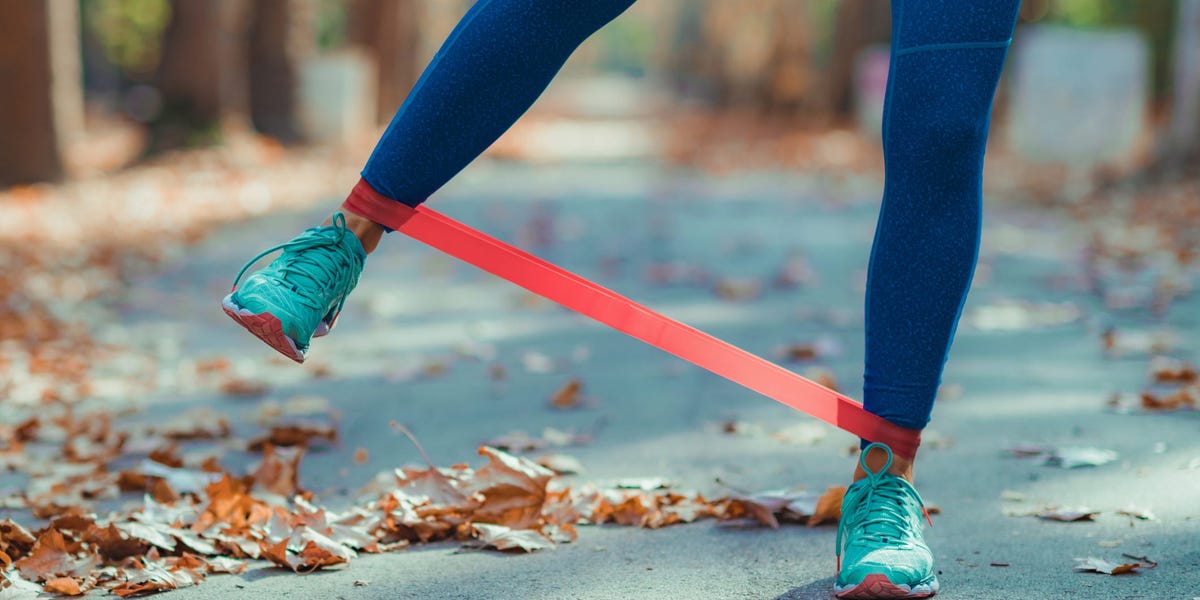
"Boost Bone Strength: Adding Impact to Your Exercise Routine"

Originally Published 2 years ago — by MedicineNet

Featured image for "Boost Bone Strength: Adding Impact to Your Exercise Routine"
Source: MedicineNet

New research suggests that adding impact and intensity to physical activity, such as running or brisk walking, can help maintain or improve bone strength in the femoral neck for sedentary individuals aged 70 to 85. A year-long exercise program focusing on muscle strength, endurance, balance, and flexibility training showed that more daily moderate and high-intensity physical activity was related to less decline in bone mineral density. Incorporating high-intensity activity into daily routines, even in older age, can be achieved through small bouts of brisk walks, stair climbing, and jumping-like impacts.