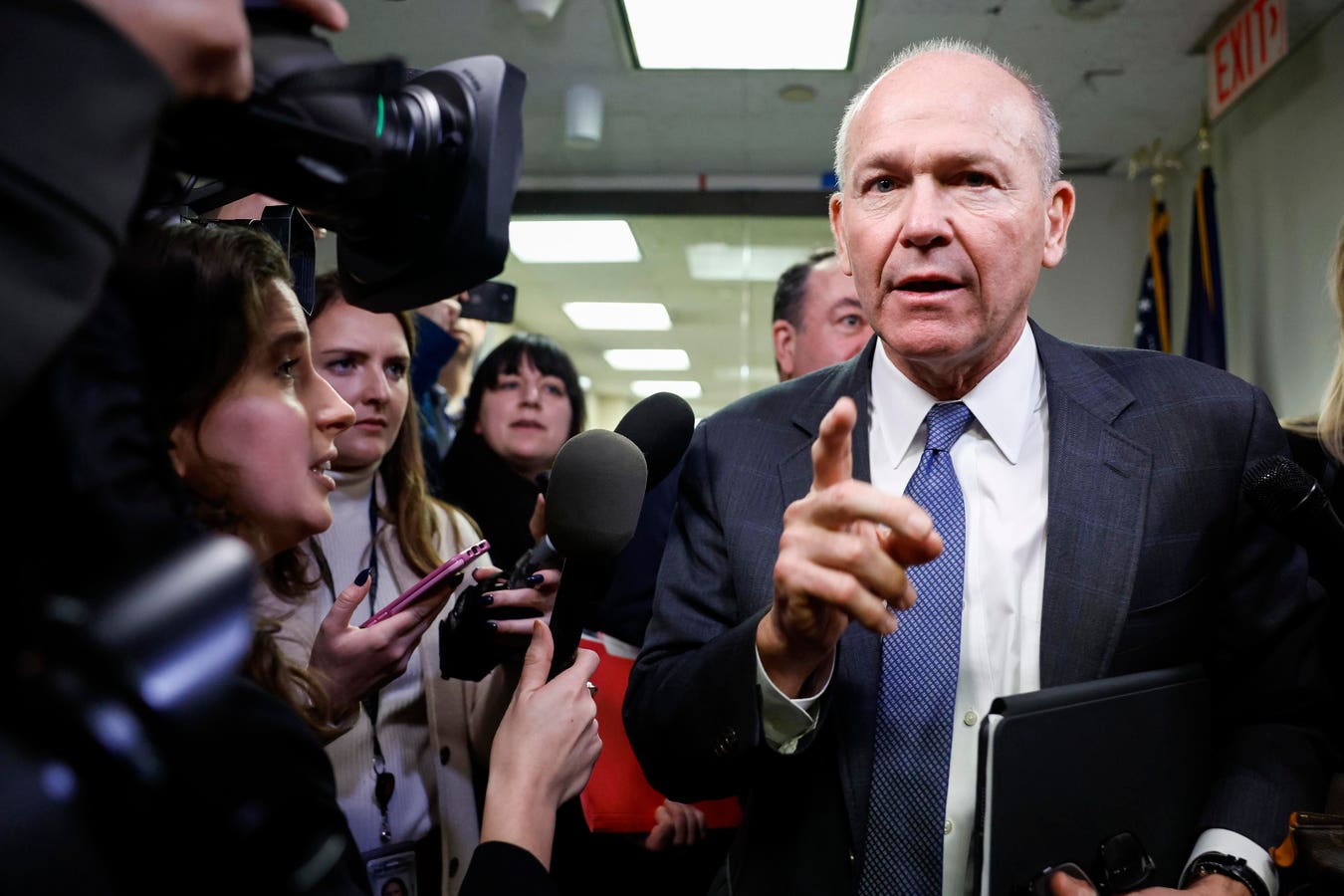
The U.S. Senate Subcommittee on Investigations will hold a hearing to examine claims from a Boeing whistleblower regarding design and manufacturing faults in the 787 Dreamliner and 777 fuselages, potentially reducing their safe service life. Boeing is cooperating with the Subcommittee and has offered to provide documents, testimony, and technical briefings. The whistleblower alleges that Boeing dismissed safety and quality control concerns, but Boeing denies the claims and is confident in the safety and durability of its aircraft. The Subcommittee has also requested testimony from Boeing's CEO, who has yet to confirm attendance. Additionally, the Subcommittee has requested extensive records from the FAA related to its oversight of the Boeing 787 and 777 program.
A Senate subcommittee is set to hold a hearing to examine Boeing's safety culture, with Melius Research Managing Director Robert Spingarn highlighting cultural issues within the company and the need for significant changes. With Boeing's CEO set to resign at the close of 2024, Spingarn recommends a successor with an engineering background and production floor experience, suggesting names like Pat Shanahan and Gwynne Shotwell. The company's challenges go beyond safety, with a disconnect between the factory floor and executives intensified by the relocation of Boeing's headquarters, according to Spingarn.
Yasir Al-Rumayyan, the governor of Saudi Arabia's Public Investment Fund, has declined a request to testify before the Permanent Subcommittee on Investigations, citing concerns of foreign sovereignty and international comity. Attorneys for Al-Rumayyan argued that he is an "inappropriate witness" due to being bound by the Kingdom's laws regarding the confidentiality of certain information. However, two U.S. District Court judges previously dismissed similar sovereignty concerns raised by Al-Rumayyan and the Public Investment Fund in an antitrust case. Senator Richard Blumenthal, who made the request, responded by stating that U.S. law exempts certain commercial activity from sovereign immunity and that typical investor activities should not be considered confidential information that would adversely affect Saudi Arabia. Blumenthal has given Al-Rumayyan a deadline to propose alternative dates for testimony or face potential legal action to compel compliance.
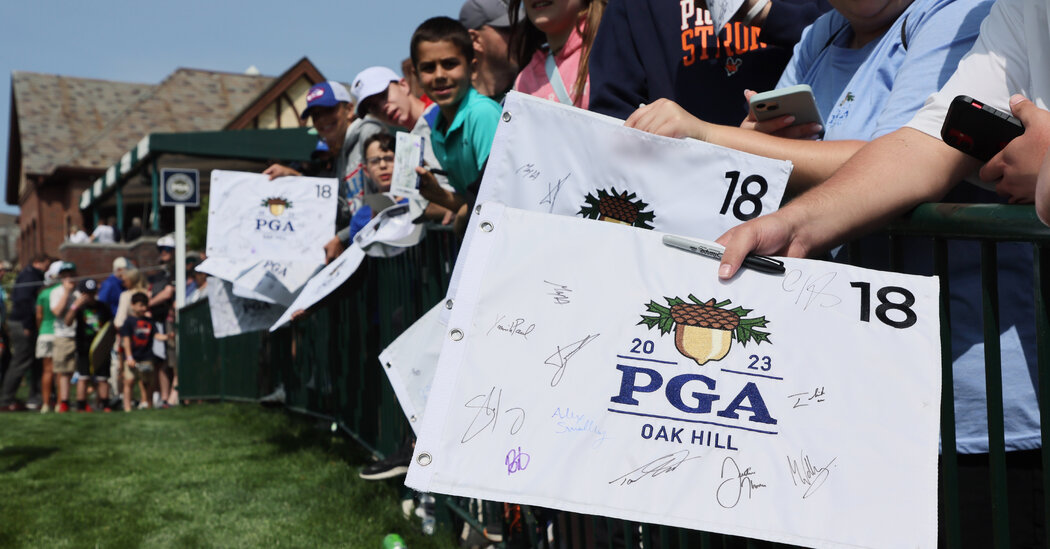
The PGA Tour sought to remove Greg Norman, the commissioner of LIV Golf, as part of its alliance with Saudi Arabia's sovereign wealth fund, according to documents released by a Senate subcommittee. The proposal was not accepted, but it highlights the longstanding tensions between the tour and Norman. The Senate subcommittee is currently investigating the deal, which has faced criticism for the PGA Tour's association with a government accused of human rights abuses. The agreement is also being scrutinized for potential violations of antitrust laws.
The PGA Tour's deal with Saudi Arabia's sovereign wealth fund is facing scrutiny from Congress, with a Senate subcommittee hearing scheduled for Tuesday. The PGA Tour leaders have various options for how to handle the hearing, which could determine the level of scrutiny they face. Congress has a history of investigating sports, and lawmakers have the power to provoke changes in the sports landscape. The hearing is part of a broader congressional interest in sports, and the PGA Tour's alliance with Saudi Arabia has sparked two Senate inquiries, a House bill to revoke the tour's tax-exempt status, and demands for intervention from the Justice Department and the Treasury Department. The hearing is expected to focus on the Saudi government's alleged role in the 9/11 attacks and the murder of journalist Jamal Khashoggi.