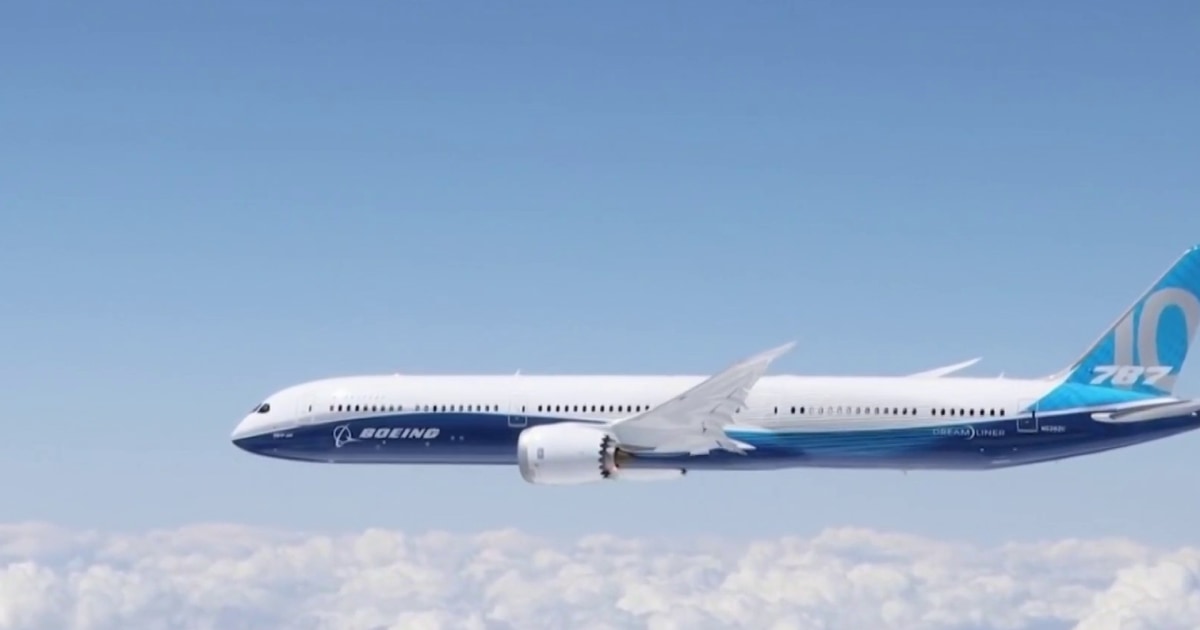
Qatar Airways is close to finalizing a major order for around 200 widebody jets, split between Boeing 777X models and Airbus A350s, with a decision expected by the Farnborough Air Show next month.
Boeing is set to present a plan to the FAA on how it will address ongoing safety and quality issues, following a fuselage panel blowout on a 737 Max 9. The FAA had mandated this plan after the incident, which has further damaged Boeing's reputation and led to multiple investigations. The company faces potential criminal prosecution and has been struggling with various manufacturing flaws, impacting its production and financial performance.
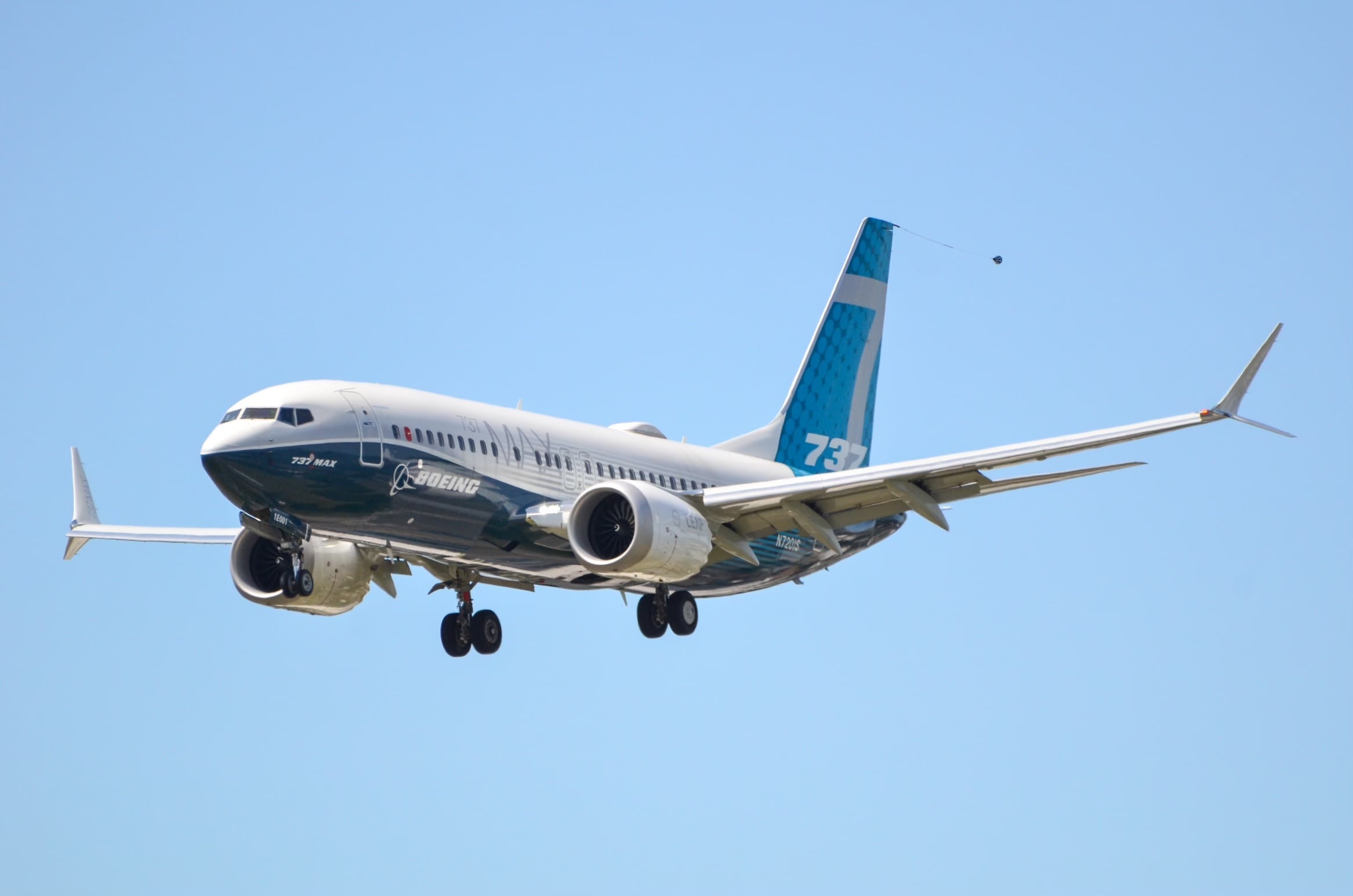
Boeing has chosen a design to modify the 737 Max engine inlet to prevent structural damage from overheating due to the anti-icing system. This decision comes with new certification schedules for the 737 Max 7 and 10, now expected in 2025. Boeing is also preparing a report for the FAA to demonstrate progress in stabilizing its 737 Max assembly line, a crucial step in regaining confidence and meeting customer expectations.
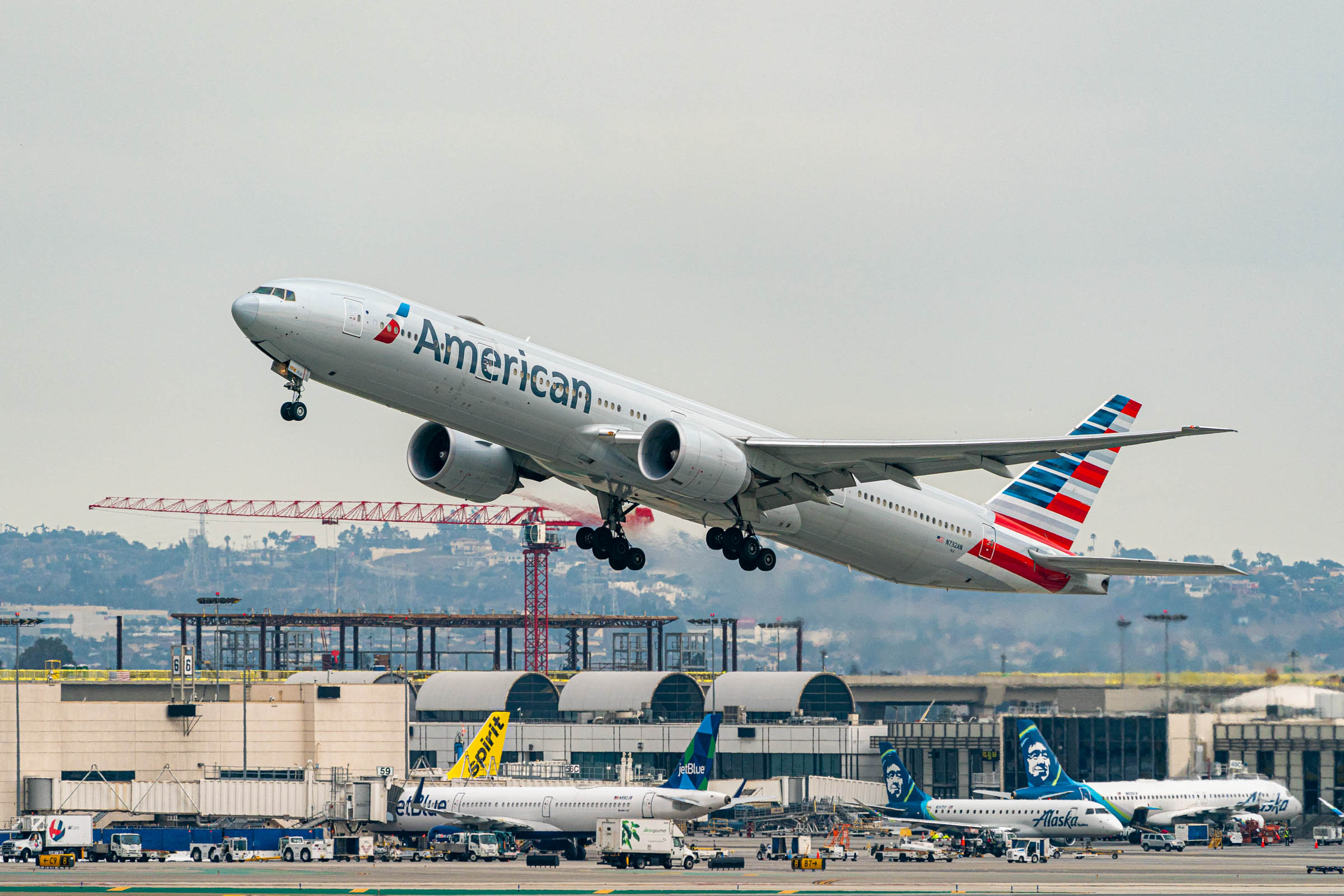
American Airlines has reversed its decision to change how passengers earn miles and Loyalty Points, which would have excluded bookings made through third-party platforms. The move, aimed at reducing confusion and retaining customers, follows the departure of Chief Commercial Officer Vasu Raja and a lowered financial outlook for the second quarter. CEO Robert Isom emphasized the importance of working with agencies and partners to avoid customer disruption and reaffirmed the airline's commitment to its Sun Belt strategy.
Plug Power, Airbus, and Delta Air Lines are collaborating to explore the feasibility of a hydrogen-based hub at Hartsfield-Jackson Atlanta International Airport, aiming to create a more sustainable future for travel. The study, set to be completed by the end of 2026, will assess the infrastructure, operational feasibility, and safety protocols for integrating hydrogen as a fuel for potential aircraft operations at the airport. This initiative aligns with Plug Power's efforts to build a green hydrogen ecosystem, while Airbus is developing the first hydrogen-powered commercial aircraft and promoting the concept of Hydrogen Hubs at Airports. Delta's involvement in the partnership reflects its ongoing commitment to addressing the aviation industry's sustainability challenges through collaborative efforts.
Boeing has faced 32 whistleblower complaints in the past three years, with allegations of retaliation against whistleblowers. The Occupational Safety and Health Administration (OSHA) received the complaints, including those related to aviation safety and workplace safety. While some cases resulted in monetary restitution, most were closed without action. OSHA is reviewing the case of a deceased former Boeing employee and whistleblower. Current and former Boeing employees have testified about safety concerns and alleged hostile environment for whistleblowers, while Boeing maintains its commitment to safety and denies issues with the structural integrity of its planes.
A Boeing engineer has come forward to allege that safety concerns are being ignored within the company, claiming that the focus on production speed and cost-cutting has compromised safety. The engineer's testimony raises further questions about Boeing's commitment to safety following the 737 Max crisis, and highlights the ongoing challenges within the aviation industry to balance safety with production demands.
United Airlines reported a $200 million cost due to the emergency grounding of Boeing's 737 Max 9 jetliner, leading to a net loss of $124 million in the first quarter of 2024. The grounding resulted in widespread disruption, forcing the airline to cancel thousands of flights, reformulate schedules, and pause hiring. The FAA's deeper scrutiny of Boeing's manufacturing processes also delayed delivery times for carriers, including United. To cope with the delays, United adjusted its fleet strategy, reducing reliance on the Max 10 and converting some orders to Max 9s, while also signing letters of intent to lease new Airbus A321neos. The blowout incident and subsequent FAA audit revealed significant weaknesses in Boeing's quality control, prompting the company to launch new protocols for inspecting the manufacturing process.
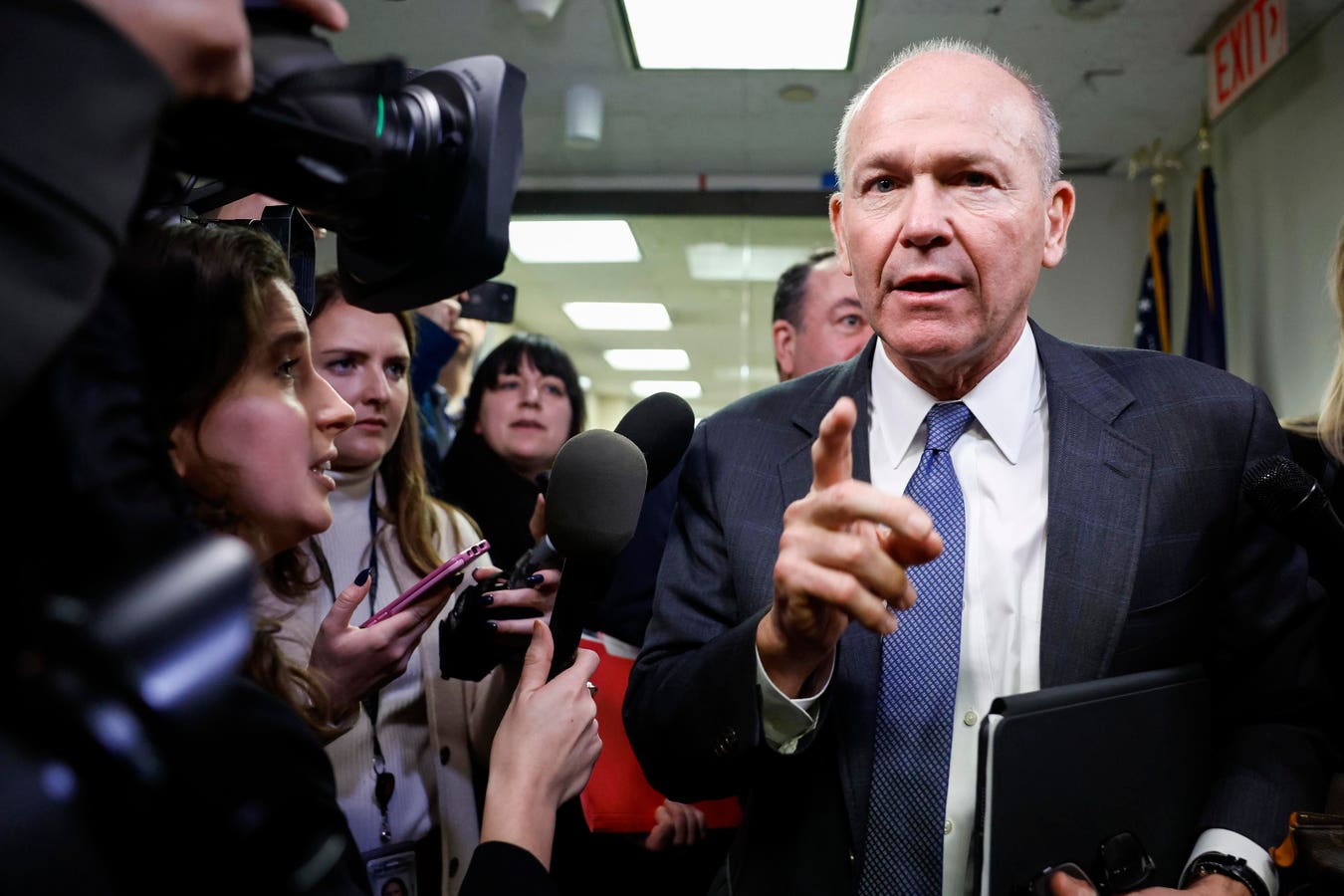
Congress is holding hearings on Boeing's safety culture and manufacturing defects, with a whistleblower testifying about improperly fastened sections on 787 Dreamliner jets. The company faces investigations by the Justice Department, FAA, and NTSB, and CEO David Calhoun has pledged to improve manufacturing quality and safety culture. Lawmakers are seeking documents from Boeing and the FAA, expressing skepticism about the company's actions and the FAA's oversight.
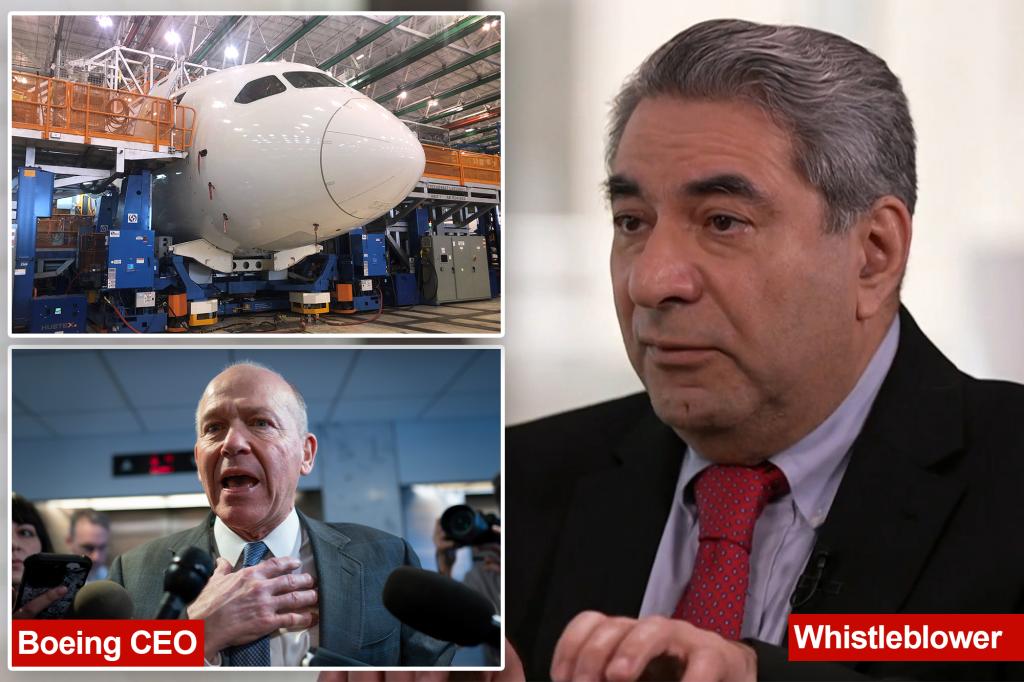
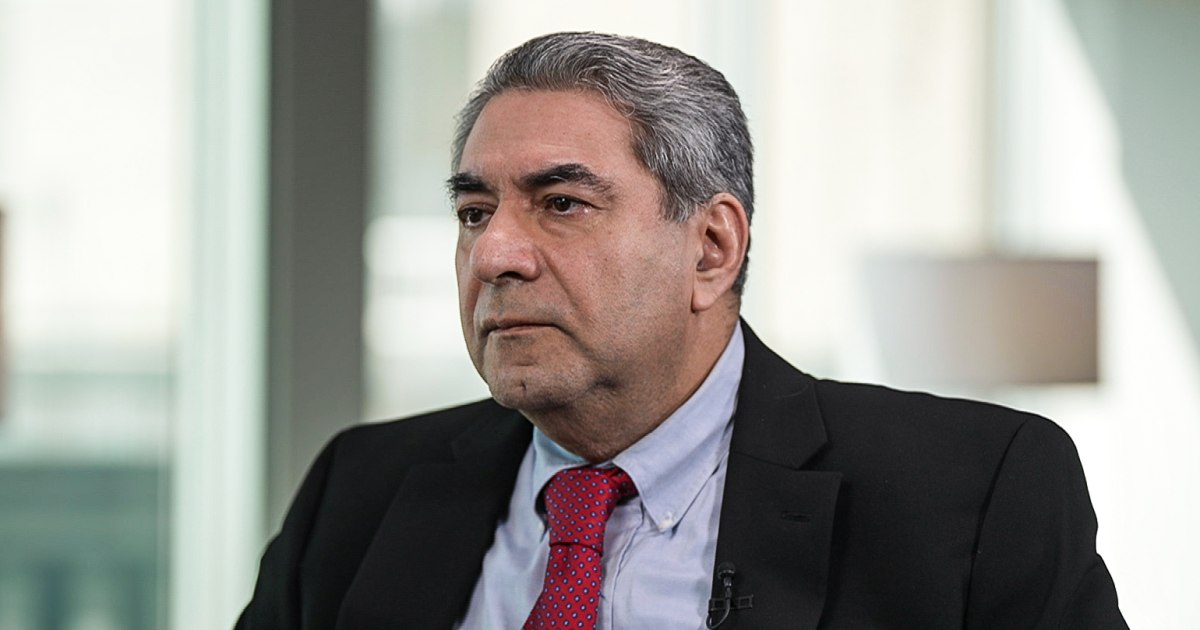
Boeing engineer and whistleblower Sam Salehpour is calling for a halt in the production of the 787 Dreamliner due to safety concerns, stating that he wouldn't allow his family to fly on the plane. Salehpour claims that the aircraft could "drop to the ground" midair if the alleged safety issues are not addressed, citing potential premature fatigue failure due to gaps in the plane's construction. Boeing has denied these claims, asserting that the 787s are structurally sound and have been rigorously tested. Salehpour's allegations have prompted increased scrutiny over Boeing's manufacturing processes, and his lawyer has indicated that other potential whistleblowers at Boeing have reported similar issues.
A Boeing engineer-turned-whistleblower claims that the 787 Dreamliner is unsafe due to assembly flaws, stating that the plane could potentially fall apart midflight. Boeing disputes the claims, asserting the plane's safety and stating that the alleged issues have been rigorously examined under FAA oversight. The engineer, Sam Salehpour, insists that production of the 787 should be halted while the alleged problems are addressed in the fleet currently in service. Salehpour's attorney has indicated that several other potential whistleblowers at Boeing have reported similar issues.
A Boeing engineer has come forward as a whistleblower, stating that the worldwide fleet of 787 Dreamliners "needs attention" due to a production flaw. This revelation raises concerns about the safety and reliability of the popular aircraft, prompting scrutiny within the aviation industry and potentially impacting Boeing's reputation and operations.
Spirit AeroSystems, a key supplier for Boeing, is limiting overtime and hiring as production of Boeing's 737 MAX jets declines, leading to concerns about potential layoffs among employees. Boeing's deliveries have dropped, and the production slowdown is affecting Spirit, which makes about 70% of the 737. The decline in Boeing's output has raised uncertainty and concern among suppliers, and it is not yet clear how this will affect the broader supply chain.
Boeing whistleblowers, including engineer Sam Salehpour, allege that the company retaliated against them for raising safety concerns about the production process of Boeing 787 and 777 models. Another whistleblower, John Barnett, was found dead before testifying against Boeing, raising suspicions of foul play. Boeing is under scrutiny for safety issues, including a door plug incident on an Alaska Airlines-operated 737 Max 9, leading to a Justice Department investigation and customer lawsuits, causing a slowdown in production and a significant drop in stock value.
The U.S. Senate Subcommittee on Investigations will hold a hearing to examine claims from a Boeing whistleblower regarding design and manufacturing faults in the 787 Dreamliner and 777 fuselages, potentially reducing their safe service life. Boeing is cooperating with the Subcommittee and has offered to provide documents, testimony, and technical briefings. The whistleblower alleges that Boeing dismissed safety and quality control concerns, but Boeing denies the claims and is confident in the safety and durability of its aircraft. The Subcommittee has also requested testimony from Boeing's CEO, who has yet to confirm attendance. Additionally, the Subcommittee has requested extensive records from the FAA related to its oversight of the Boeing 787 and 777 program.