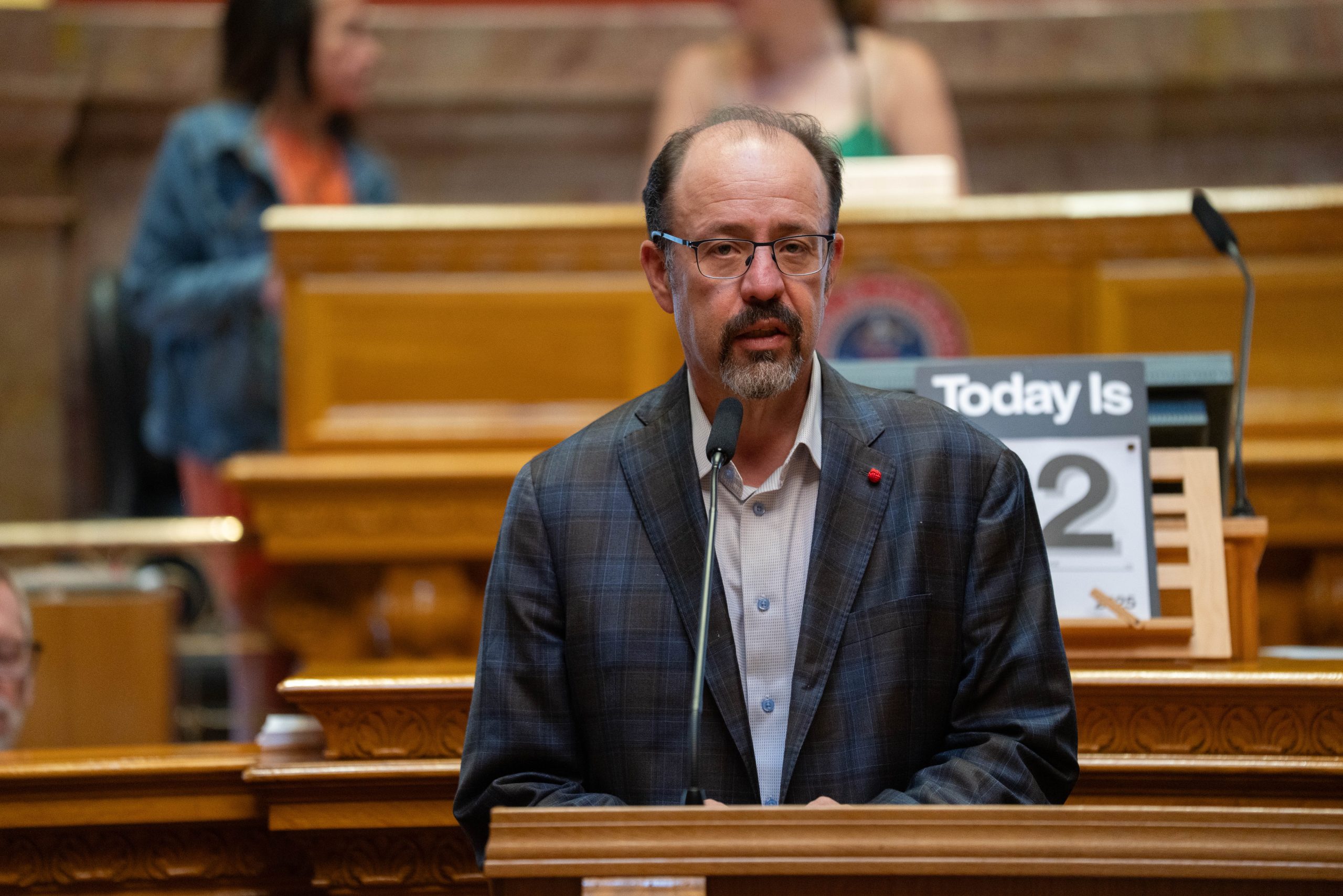
The Colorado Senate Majority Leader reshuffled a key committee to push forward a bill amending the state's pioneering AI law, amid a legislative standoff involving various interest groups. The move, which is unusual mid-session, aims to shift regulatory responsibilities onto AI developers and is part of broader negotiations during a special legislative session.
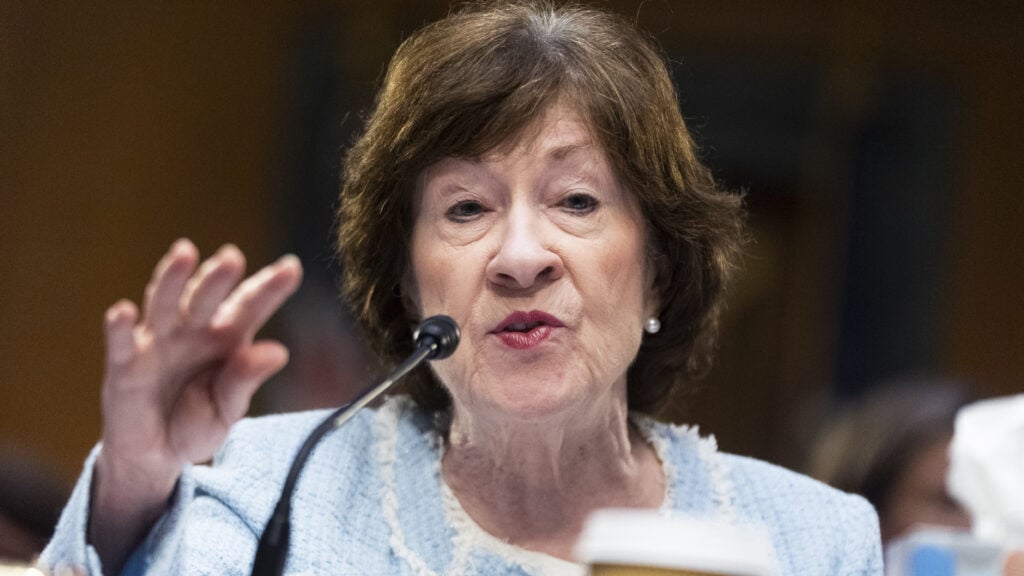
Senators from both parties approved a $400 million increase for the NIH budget, rejecting the Trump administration's proposed 40% cut and maintaining all NIH institutes and centers.
The Louisiana Senate Revenue and Fiscal Affairs Committee voted to retain the state's film tax credit while reducing its cap from $150 million to $125 million, countering a House proposal to end the incentive by 2025. This decision comes amid protests from industry workers concerned about job losses. The committee also proposed amendments to eliminate the refundability of tax credits and to allow unused credits to roll over to the next year. The final legislative outcome remains uncertain as discussions continue.
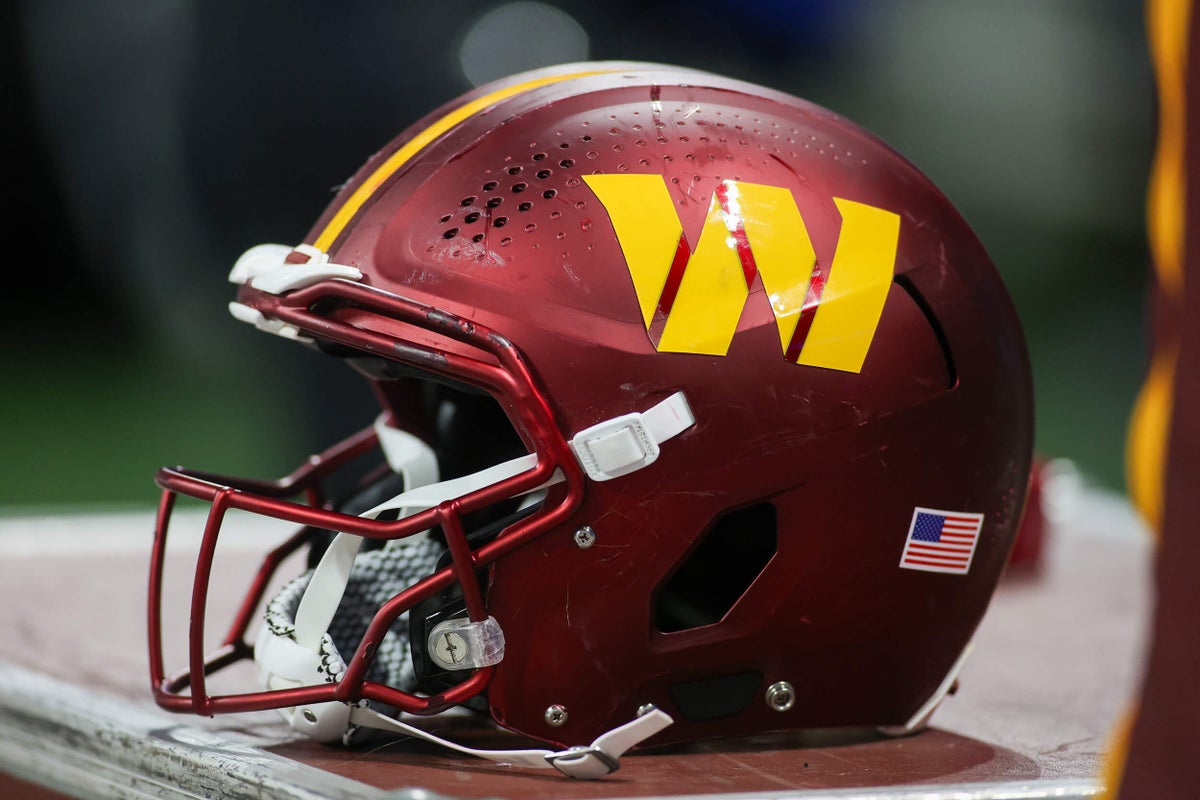
The U.S. Senate's Energy and Natural Resources Committee has passed a bill allowing Washington D.C. to control federal land, including the RFK Stadium site, potentially paving the way for the Washington Commanders to return to the city. The bill, which now moves to the Senate floor, has sparked interest from Maryland and Virginia, both vying to host the NFL team. The Commanders' ownership, led by Josh Harris, aims for a new stadium by 2030, with ongoing negotiations in all three jurisdictions.
A bill that could make RFK Stadium a potential site for the Washington Commanders' new stadium has passed the Senate Energy and Natural Resources Committee with a 17-2 vote. This development allows the Commanders to continue discussions with Washington D.C., Maryland, and Virginia, leveraging these options to secure the best possible deal for their future home.
Postmaster General Louis DeJoy will testify before the U.S. Senate committee on Homeland Security and Governmental Affairs following scathing inspection reports revealing significant volumes of undelivered mail at processing centers. The reports highlight failures in Richmond, Va., Houston, Texas, and potentially Atlanta, Ga. DeJoy's reorganization plan, which includes consolidating mail processing into mega centers, has been criticized for causing mail delays and increasing costs. The Senate committee will also question other USPS officials, and President Biden has the authority to remove DeJoy from his position if there is good cause.
The Senate Homeland Security and Governmental Affairs Committee is investigating the impact of private-equity firms on patient care in hospital emergency departments, focusing on three major firms: Apollo Global Management, the Blackstone Group, and KKR. Concerns include patient safety, improper billing, and anti-competitive activities. Private-equity firms' cost-saving measures and debt burdens are under scrutiny, with academic studies linking their involvement in healthcare to cost increases and lower quality of care. The inquiry also involves companies backed by the private-equity firms, and the Federal Trade Commission is examining potential anti-competitive activities in healthcare deals.
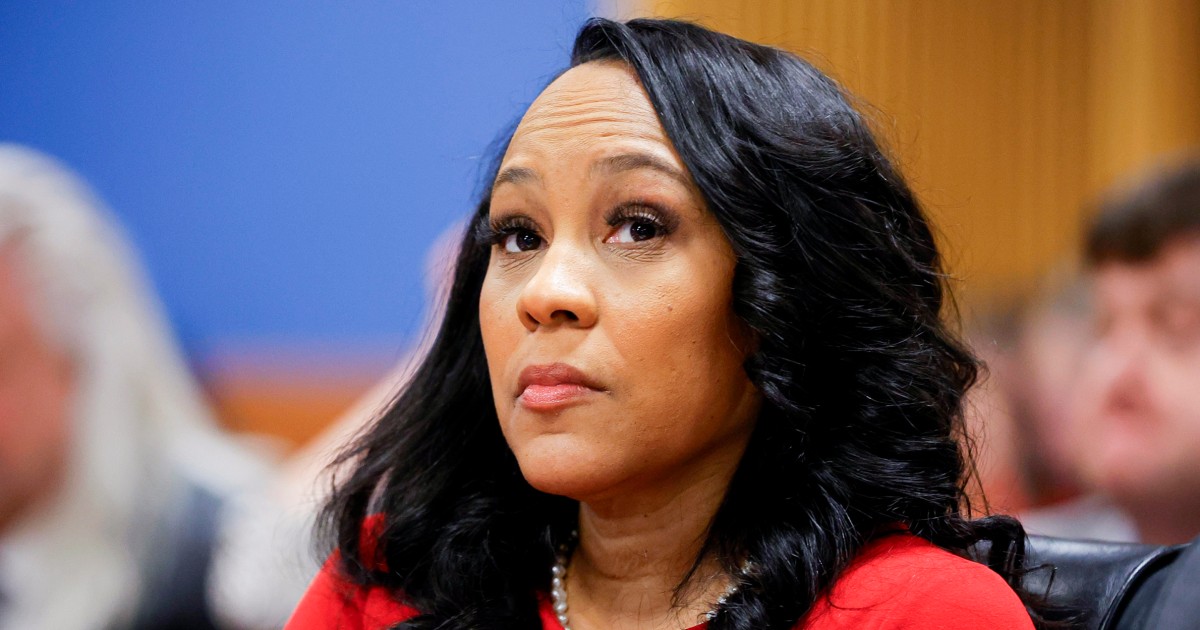
The defense attorney for a Trump co-defendant presented arguments to Georgia state senators seeking to disqualify Fulton County District Attorney Fani Willis from prosecuting the election interference case, alleging a conflict of interest due to her relationship with special prosecutor Nathan Wade. The Senate committee, which does not have the power to disqualify Willis, held a hearing to investigate potential misuse of state funds or power for personal gain. Willis denied the allegations, calling the hearing a "political quest," and the investigation is expected to take many months to complete.
The Oregon Senate committee has passed a bill to end the state's observance of Daylight Saving Time, allowing Oregonians in the Pacific Time Zone to use standard time throughout the year. If approved, Oregon would join Arizona and Hawaii as the only states not observing Daylight Saving Time. The bill will now be discussed in the Oregon House and Senate before a final vote.
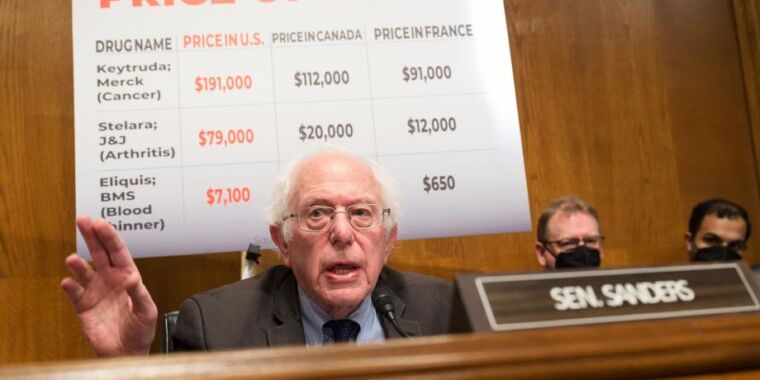
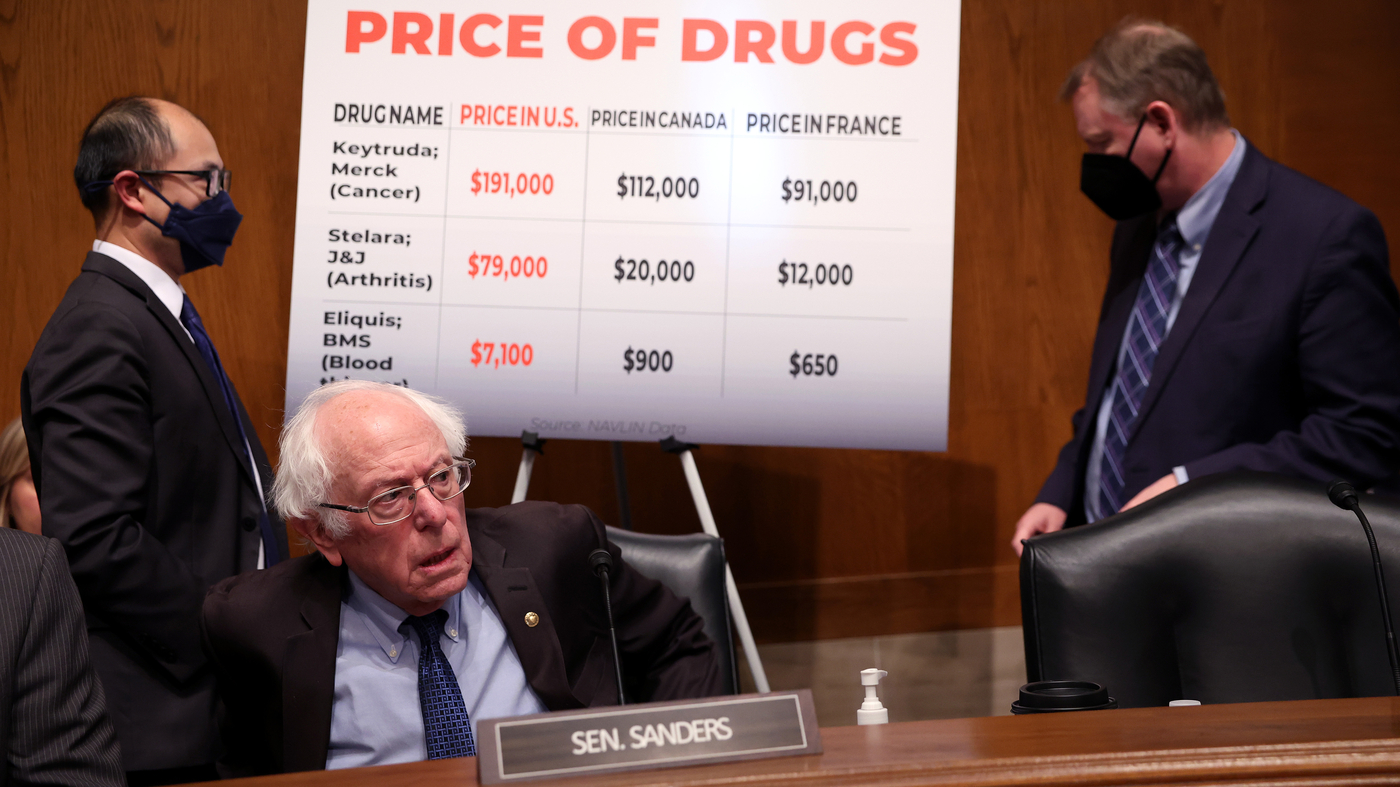
A Senate hearing chaired by Sen. Bernie Sanders revealed that big pharmaceutical companies spend billions more on executive compensation, dividends, and stock buyouts than on research and development for new drugs. The heart of the problem lies in pharmaceutical greed, patent gaming, and powerful lobbying, leading to exorbitant drug prices in the US. A report found that US drug prices are nearly three times higher than in 33 other wealthy countries, with the median launch price of innovative drugs skyrocketing over the past two decades. The CEOs of three pharmaceutical giants were questioned on their pricing practices, highlighting the stark disparities in drug prices between the US and other countries.
Senators, led by Bernie Sanders, grilled CEOs from Bristol Myers Squibb, Merck, and Johnson & Johnson about the significantly higher drug prices in the U.S. compared to other countries. The executives defended the pricing disparities, citing faster access to new drugs in the U.S. and blaming middlemen for taking a large share of list prices. However, the committee highlighted instances of patients struggling to afford treatments, and a report revealed that the companies spend more on executive compensation and stock buybacks than on research and development.
Advisors for LIV Golf informed a U.S. Senate committee that they are unable to fully cooperate with the investigation into the proposed PGA Tour-LIV Golf merger due to a lawsuit filed by Saudi Arabia's Public Investment Fund (PIF), which has threatened them with imprisonment for up to 20 years if they violate the court order. The advisors, including representatives from top U.S.-based firms, expressed concerns about the potential consequences of disclosing information and faced criticism from lawmakers for not fully complying with the congressional subpoena. The situation highlights the complexities and challenges of a U.S. sports league partnering with a foreign government-owned entity, raising questions about the future of the proposed merger.
A Virginia Senate committee rejected a bill that would have allowed a referendum on building a casino in northern Virginia's wealthy suburbs, effectively killing the bill for this year but leaving room for future consideration. The committee also advanced legislation for Petersburg to hold a casino referendum and rejected a bill allowing online sports betting on college games involving Virginia-based teams, carrying both over to 2025 for potential future consideration.
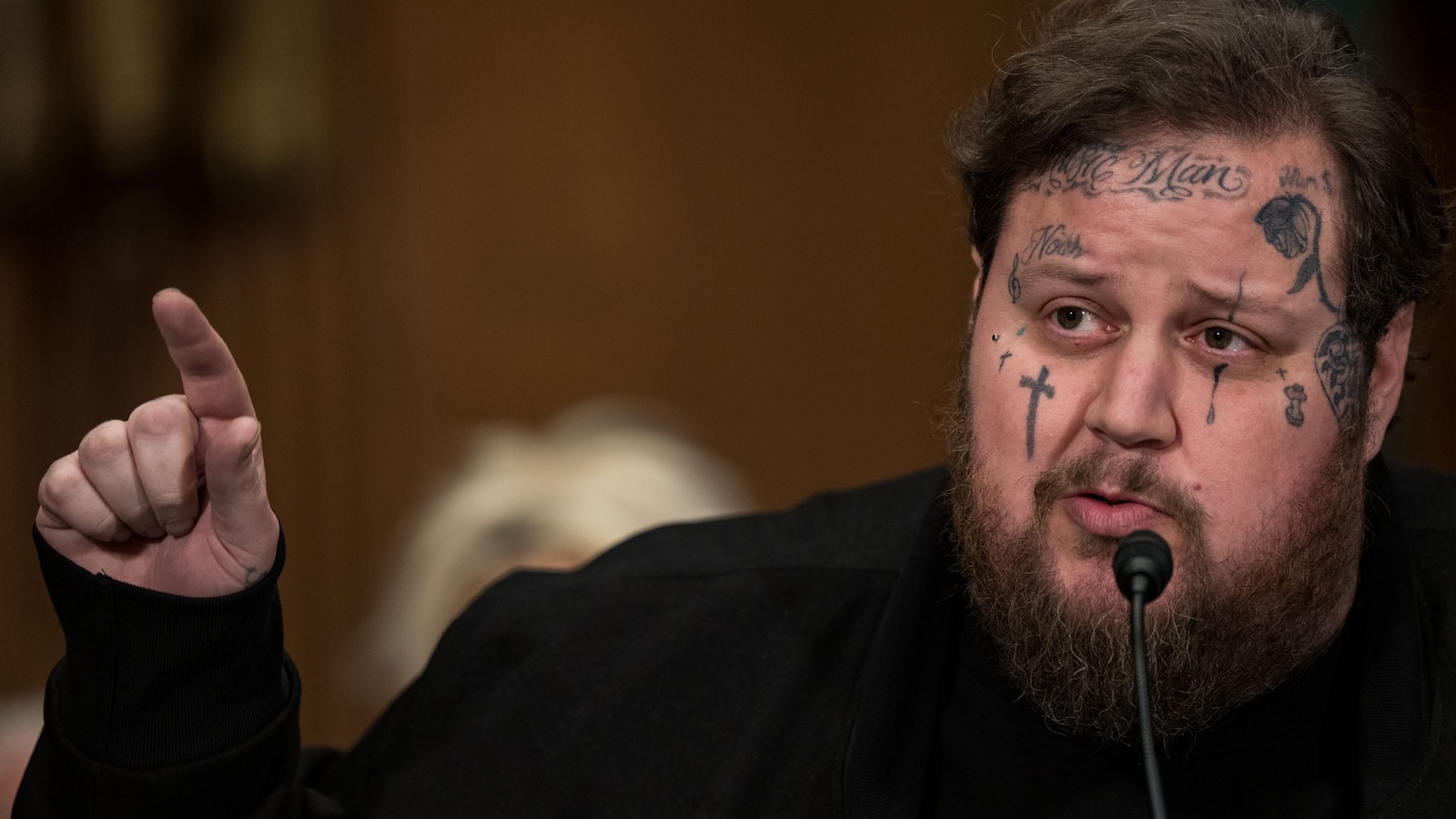
Grammy-nominated singer Jelly Roll testified before the Senate Committee on Banking, Housing, and Urban Affairs, urging lawmakers to pass anti-fentanyl legislation and sharing his own struggles with substance abuse. He emphasized the need for better care and resources for those battling addiction and called for action to address the fentanyl crisis. The FEND Off Fentanyl Act, which aims to target the illicit fentanyl supply chain, has faced obstacles in Congress, and DeFord pleaded with lawmakers to prioritize addressing the growing crisis.
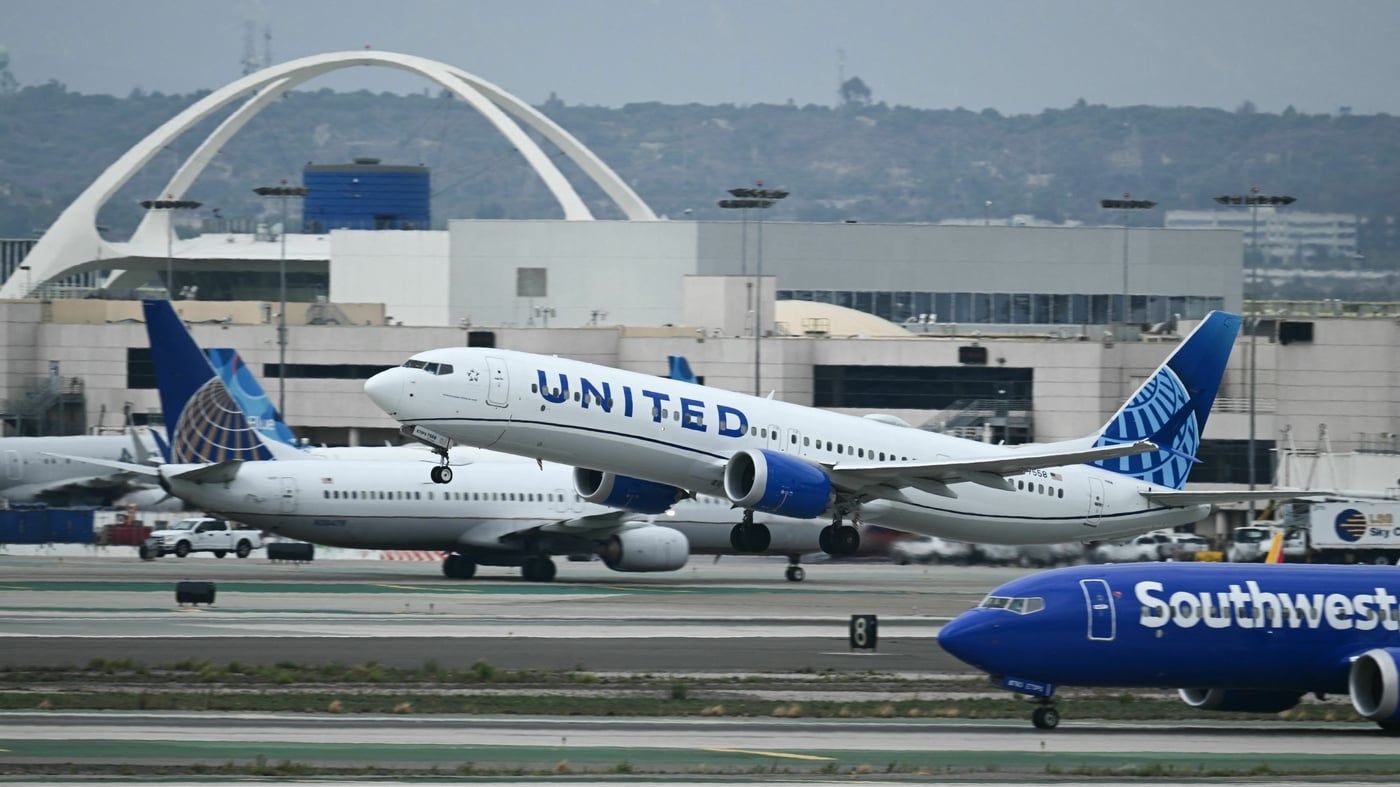
The U.S. Senate Committee on Commerce, Science, and Transportation has unanimously approved the nomination of Michael Whitaker as the next administrator of the Federal Aviation Administration (FAA). Whitaker's nomination now moves to the full Senate for confirmation. The vote comes amid concerns about the strain on the U.S. air travel system as it tries to keep up with the post-pandemic rebound in air travel. Whitaker, a former airline executive and deputy administrator at the FAA, has pledged to prioritize the safety of the flying public if confirmed. He also aims to rebuild the FAA's workforce, including air traffic controllers, and secure stable funding for the agency.