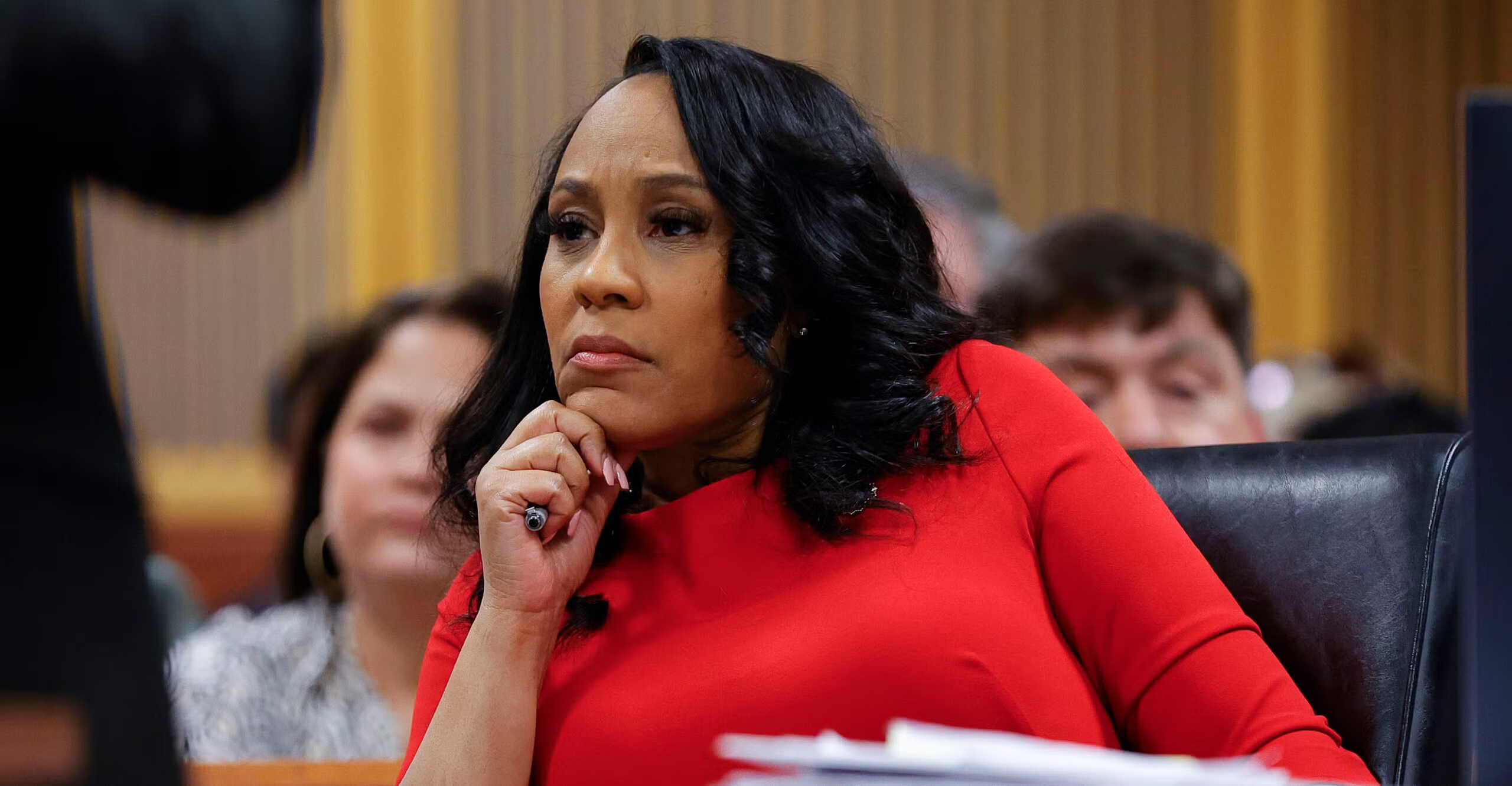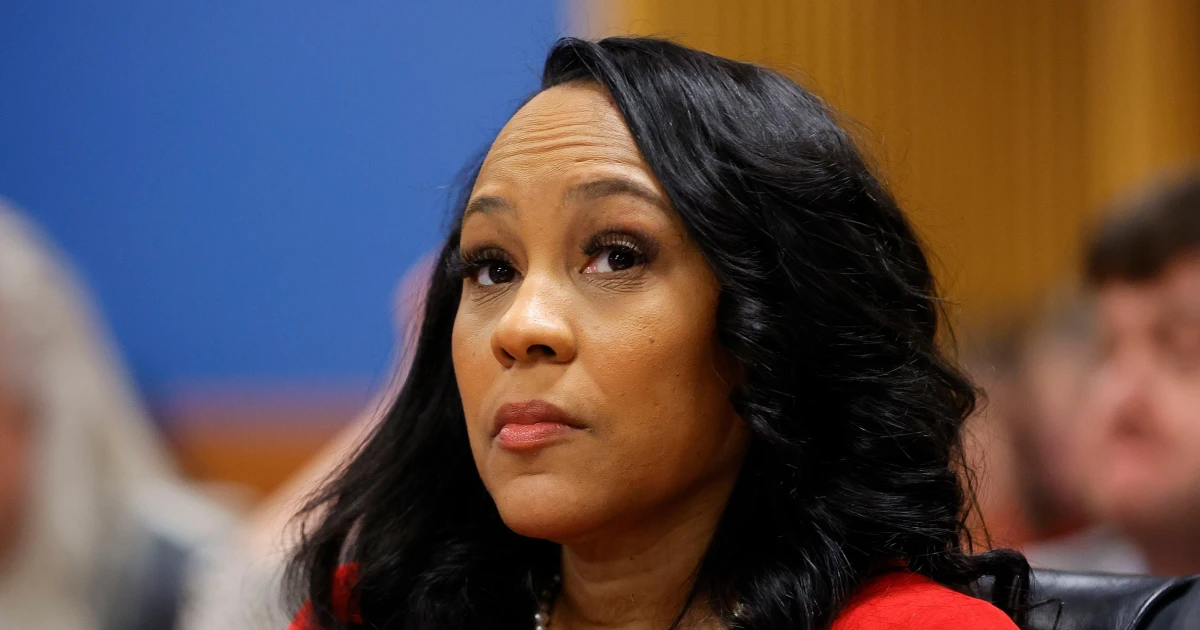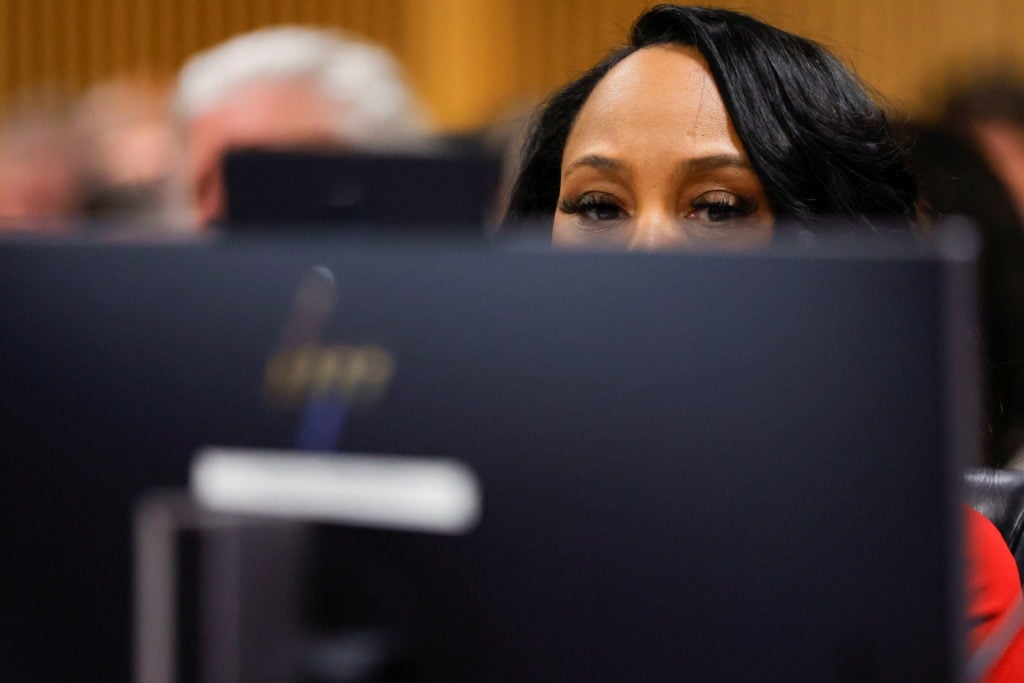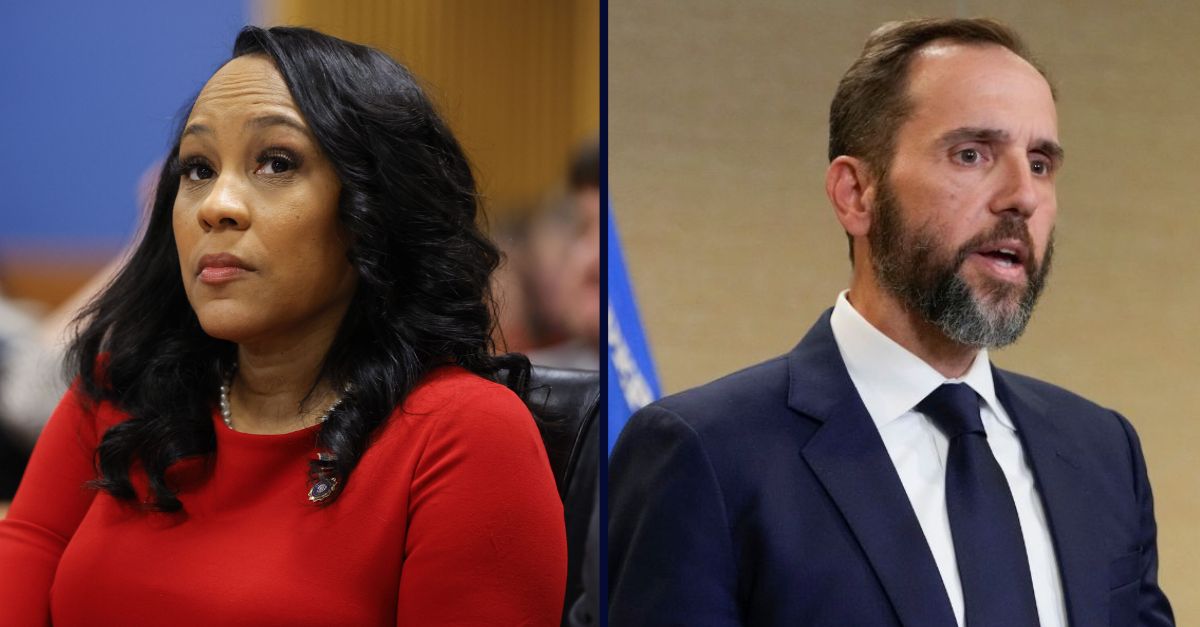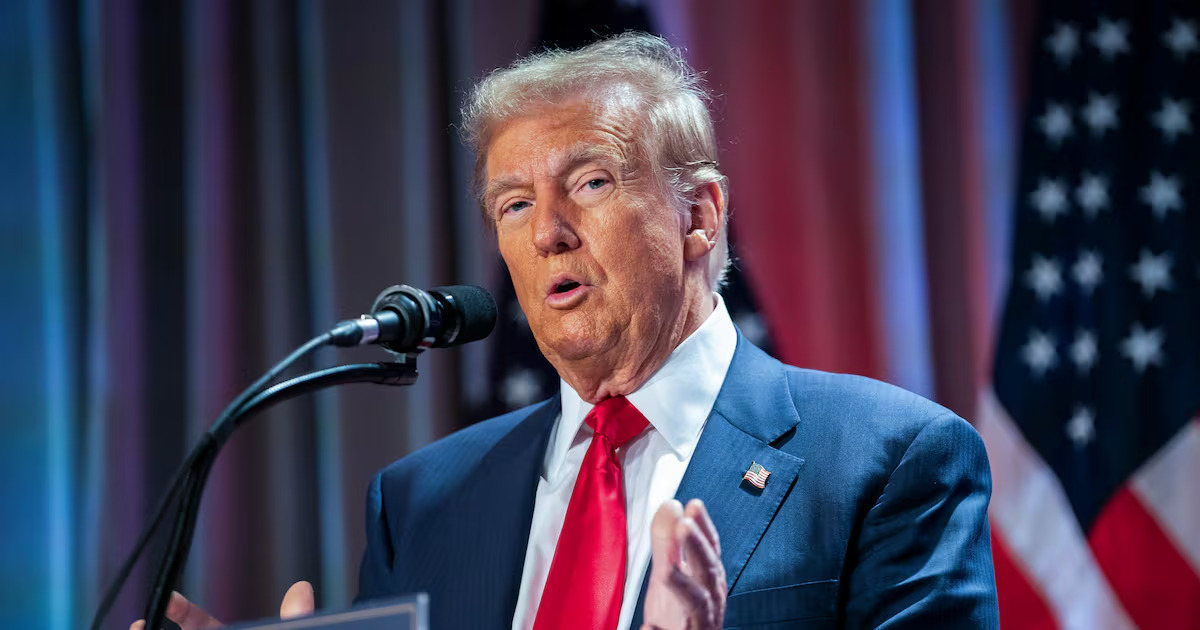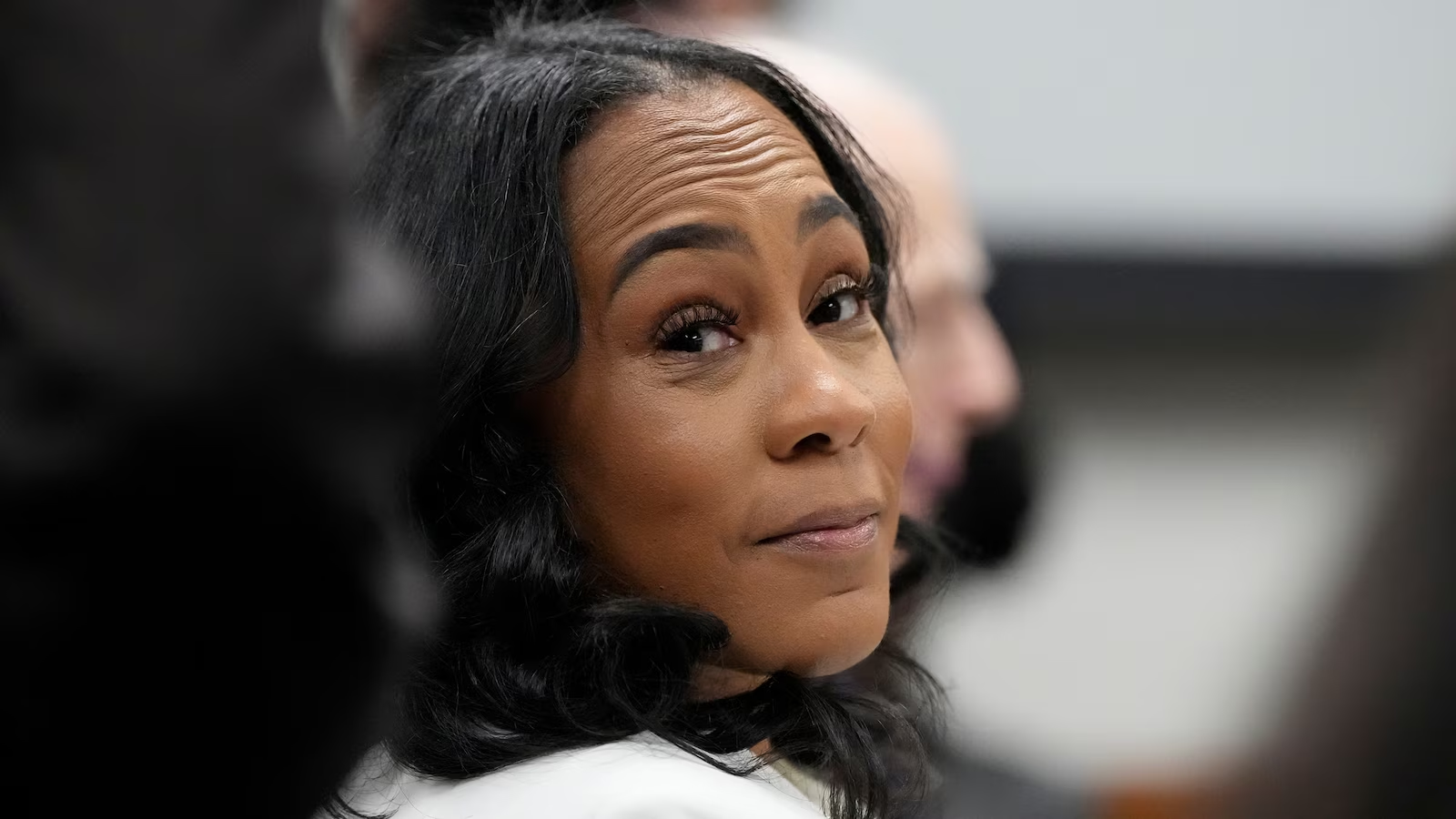
Fulton County DA Fani Willis defended her investigation into 2020 election interference and her decision to charge Donald Trump and others, amidst political scrutiny and threats, emphasizing her commitment to justice despite disqualification and case dismissal.
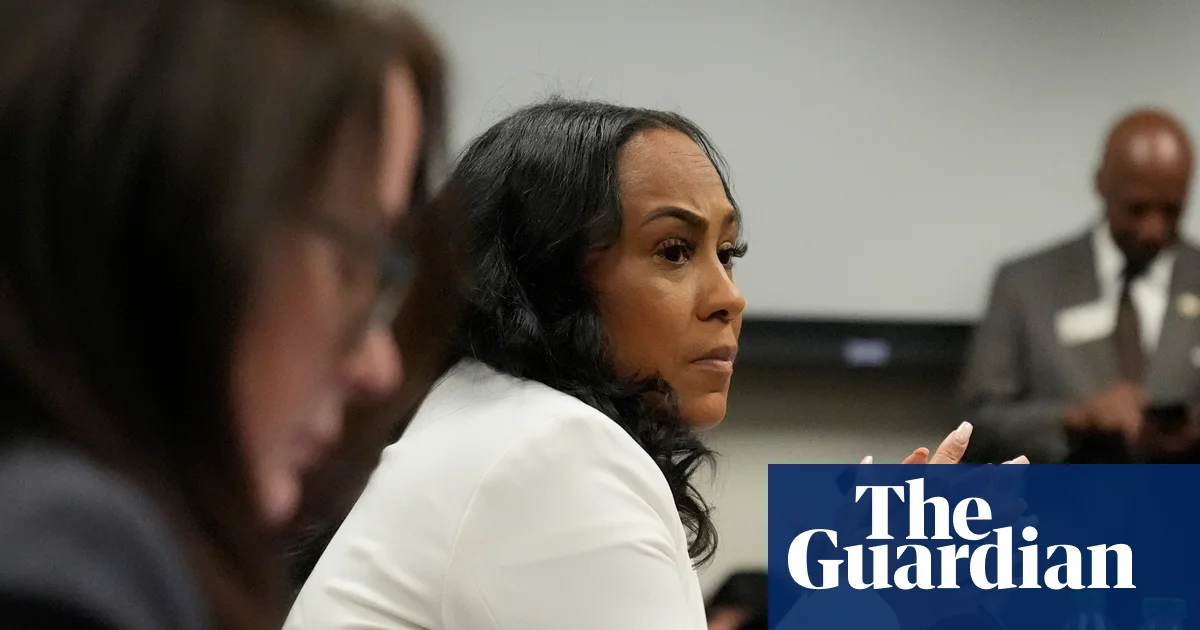
Fulton County DA Fani Willis defended her prosecution of Donald Trump during a contentious Georgia Senate hearing, amid investigations into alleged coordination with the January 6 committee and scrutiny over her relationships and use of funds, asserting her commitment despite political pressures and threats.
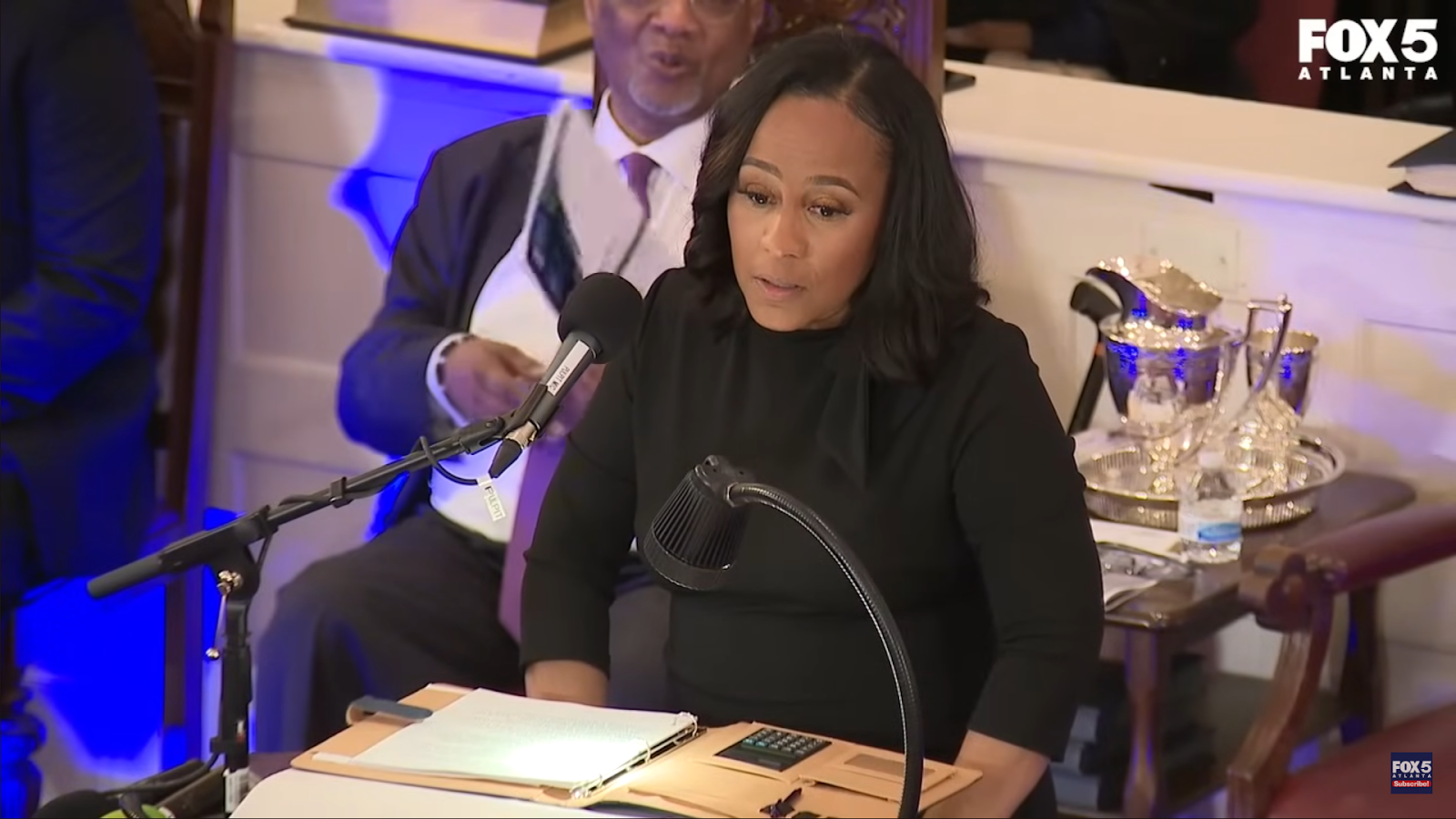
Fani Willis, Fulton County DA, testified before a Georgia Senate committee, accusing members of trying to intimidate her for years amid her prosecution of Trump and others, and discussed threats and challenges she faced, including a disqualification from her case due to conflicts of interest.
Acting U.S. Attorney Lindsey Halligan engaged in a reckless Signal chat with a reporter, risking revealing grand jury information, while various political and legal battles unfold involving figures like Jim Comey, Fani Willis, and others, highlighting ongoing tensions and investigations within the Trump administration and related entities.
The Georgia Supreme Court disqualified Fulton County DA Fani Willis from prosecuting Trump in the election interference case, effectively halting the case's progress for now, with the decision focusing on her alleged appearance of impropriety due to a romantic relationship with a prosecutor, and leaving the case's future to the Prosecuting Attorneys’ Council of Georgia.
The Georgia Supreme Court declined to hear Fani Willis' appeal to remain as prosecutor in the Trump election interference case after the Georgia Court of Appeals disqualified her due to an 'appearance of impropriety' related to her romantic relationship with a special prosecutor. The case will now be handled by the Prosecuting Attorneys’ Council, which will appoint a new prosecutor, though the future of the case remains uncertain.
Georgia's Supreme Court declined to hear Fani Willis' appeal regarding her removal from the Trump election interference case due to her romantic relationship with a special prosecutor, leading to the appointment of a new prosecutor by the state's Prosecuting Attorneys’ Council. The case involves charges against Trump and others for attempting to overturn the 2020 election in Georgia, but prosecuting Trump now appears unlikely as he is the sitting president. The case's future depends on the new prosecutor's decisions.
The Georgia Supreme Court declined to hear Fani Willis' appeal of her removal from the Trump election case, leaving the appointment of a new prosecutor to the state's Prosecuting Attorneys’ Council, which may impact the continuation of the case involving Trump and others over efforts to overturn the 2020 election results in Georgia.
Georgia’s Supreme Court declined to hear Fani Willis’ appeal regarding her removal from the Trump election interference case, citing concerns over her relationship with a special prosecutor, leaving the case to be reassigned and potentially affecting its progression.
Fulton County District Attorney Fani Willis has been ordered by a court to provide all communications with special counsel Jack Smith and the House January 6 Committee within five business days. This order follows a motion for default adjustment against her, as she allegedly violated Georgia's open records act by not responding to Judicial Watch's lawsuit. The case, involving a RICO charge against President-elect Donald Trump, is currently paused. Controversy surrounds Willis due to her hiring of Nathan Wade, her romantic partner, as a special prosecutor, who had extensive communications with the Biden White House.
A Fulton County judge has ordered the District Attorney's office to provide Judicial Watch with documents from its election interference investigation involving Donald Trump, which were shared with Special Counsel Jack Smith and the U.S. House Jan. 6th Committee. This follows a lawsuit by Judicial Watch after the DA's office failed to meet a filing deadline, violating the Open Records Act. The DA's office must comply within five days, and a hearing is set for December to determine attorney fees.
Georgia Republicans are requesting testimony and records from Fulton County District Attorney Fani Willis regarding her investigation into former President Donald Trump. This move is part of the ongoing legal and political scrutiny surrounding Trump's actions in Georgia during the 2020 election.
A state judge has ordered Fulton County District Attorney Fani Willis to turn over communications with Special Counsel Jack Smith and the House Jan. 6 Committee after failing to respond to a lawsuit by Judicial Watch. The conservative group sought these records through an open records request, suspecting Willis coordinated politically motivated prosecutions with Smith and the committee. The judge ruled Willis in default for not responding to the lawsuit, requiring her to search for and provide the requested documents. A hearing is set for Dec. 20 to address Judicial Watch's request for legal fees.
Fulton County District Attorney Fani Willis was found in violation of Georgia's open records laws by a court, which ordered her to provide documents related to her communications with special counsel Jack Smith and the House committee investigating the January 6 attack. The lawsuit, filed by Judicial Watch, accused Willis of falsely claiming no such records existed. The court granted a default judgment against Willis, requiring her to produce the documents within five days or explain their absence. Judicial Watch also seeks attorney fees, with a hearing set for December 20.
The Georgia Court of Appeals unexpectedly canceled the scheduled oral arguments regarding the disqualification of Fulton County DA Fani Willis from the election interference case against Donald Trump and his allies. The court's decision, which surprised many involved, leaves the future of the case uncertain, as it could be decided without further arguments. The cancellation comes amid Trump's recent election as the 47th U.S. president and ongoing appeals by Trump and co-defendants against a previous ruling allowing Willis to continue prosecuting the case.