A record deal was signed with an AI-generated artist, raising complex questions about copyright law and the future of music, as the law struggles to keep pace with AI-created content and the distinction between human and AI contributions.
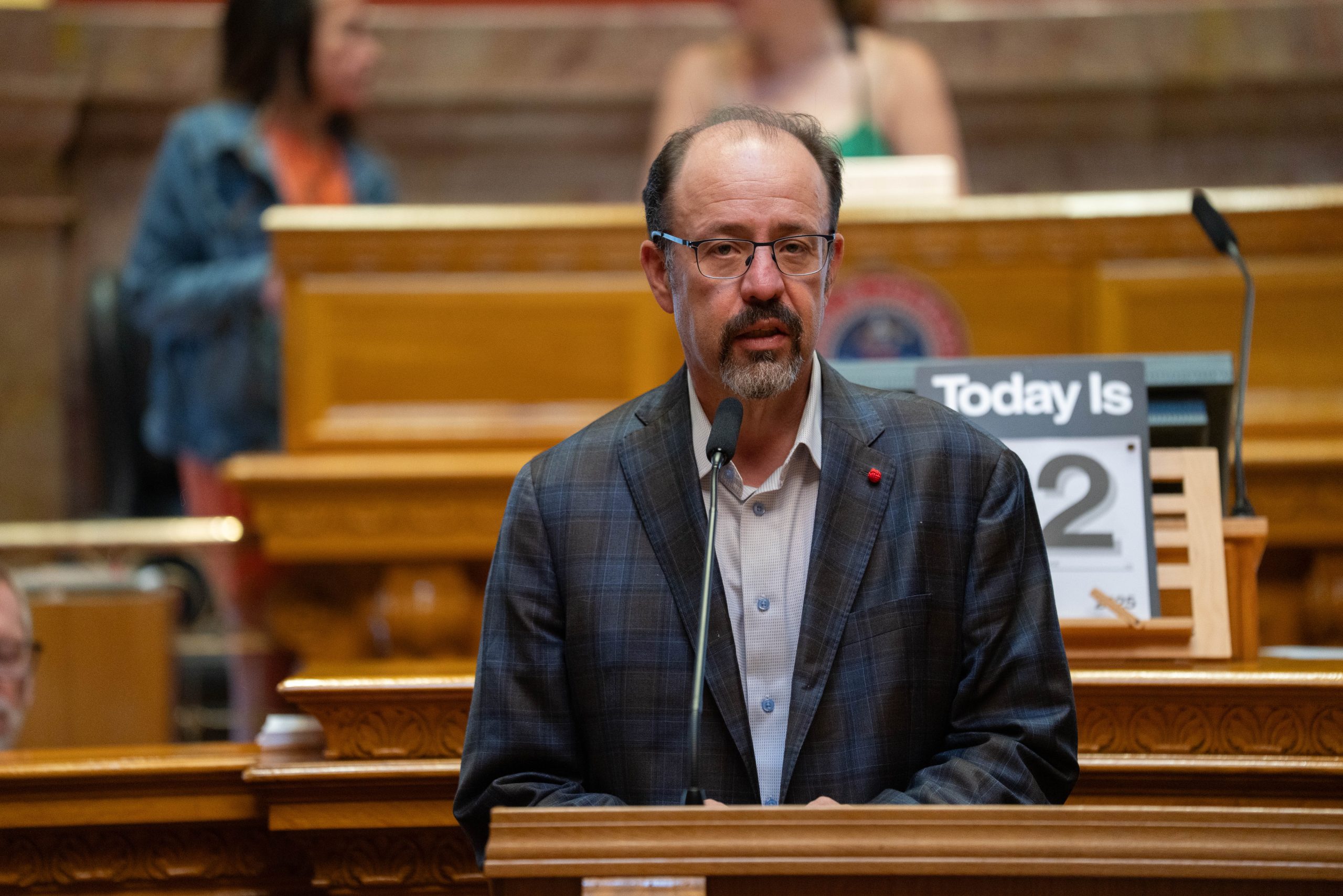
The Colorado Senate Majority Leader reshuffled a key committee to push forward a bill amending the state's pioneering AI law, amid a legislative standoff involving various interest groups. The move, which is unusual mid-session, aims to shift regulatory responsibilities onto AI developers and is part of broader negotiations during a special legislative session.
European lawmakers have adopted the world's first law governing artificial intelligence, aiming to regulate the use of AI systems, including generative systems like ChatGPT, and their impact on various sectors, including film and TV production. The law requires transparency thresholds, copyright compliance, and publication of training data for AI systems. It also addresses issues such as manipulated media, biometric identification, and high-risk AI systems, with clear obligations and avenues for citizen complaints. The legislation is set to be formally approved in March and will come into effect from 2026, potentially reshaping the use of AI in professional production across Europe.