A large three-year UK study found that individuals who use cannabis to self-medicate for mental health issues like anxiety and depression are at higher risk of paranoia and tend to use the drug longer and more heavily than recreational users, highlighting potential dangers of self-medicating with cannabis.
A study finds that cannabis users who self-medicate for conditions like pain, anxiety, or depression are at higher risk of developing paranoia, especially with higher THC consumption, challenging the perception of cannabis as purely medicinal and highlighting its potential mental health risks.
A study published in PLOS One reveals that chimpanzees in Uganda's Budongo Forest use specific plants with medicinal properties to self-medicate when sick or injured. Researchers observed the chimps consuming plants with antibacterial and anti-inflammatory effects, suggesting a sophisticated understanding of natural remedies. The findings highlight the potential for discovering new human medicines and underscore the importance of conservation efforts to protect these behaviors and their habitats.
A study in the Budongo Forest of Uganda observed chimpanzees using specific plants with medicinal properties to self-medicate for ailments like diarrhea, tapeworms, and injuries. The research, published in PLOS One, suggests that these behaviors could lead to discoveries of new human medicines, particularly for antibiotic-resistant bacteria and chronic inflammatory diseases. The findings highlight the importance of conserving natural habitats and primate populations for ongoing research.
Scientists have observed wild chimpanzees in Uganda using plants with pain-relieving and antibacterial properties to heal themselves. By analyzing plants sought out by injured or ill chimps, researchers found that many had medicinal properties. This discovery, published in PLOS One, suggests that chimps' behavior could aid in the search for new medicines and highlights the importance of preserving natural habitats.
Whales have been observed playing with seaweed, known as "kelping," in over 100 instances captured on social media. This behavior is not limited to a single species, as gray whales, southern and northern right whales, and humpback whales have all been seen engaging in it. While it is considered playful, there is likely a useful component to it, such as using the seaweed to scratch an itch, brush off barnacles, or remove parasites. Whales tend to seek out kelp in regions where it is abundant, and drones have provided new insights into this behavior. Kelping may have long-term benefits for whales, such as improving their coordination and movement skills, and certain seaweed species may help reduce bacterial growth on their skin. This behavior highlights the mysteries that still exist in understanding whale species.
A study led by Rutgers University reveals that pregnant and postpartum women with mental health disorders may be more likely to use cannabis as a form of self-medication. The research examined the relationship between specific mental health disorders, cannabis use, and cannabis use disorder (CUD) in this demographic. The findings highlight varied associations between certain mental disorders and either cannabis use or CUD, emphasizing the complexity of the issue. The study aims to provide a more nuanced understanding that can assist in developing specialized treatment and preventive interventions.
A recovering addict reflects on her experience of self-medicating undiagnosed postpartum anxiety with Ambien, which eventually led to addiction. The recent FDA approval of Zurzuvae, a fast-acting oral medication specifically designed to treat postpartum depression, highlights the need for conversations and better treatment options for the 1 in 8 new moms affected by this condition. The author emphasizes the importance of addressing postpartum issues without stigma, as self-medication with substances can lead to tragic outcomes. The hope is that Zurzuvae is just the beginning of a trend towards better medications and support for new moms and their children.
The author shares her personal experience of self-medicating undiagnosed postpartum anxiety with Ambien, which eventually led to addiction. She highlights the lack of awareness and stigma surrounding postpartum issues, particularly among women of color. The recent FDA approval of Zurzuvae, a fast-acting oral medication for postpartum depression, is seen as a game-changer and an opportunity to start important conversations about a condition that affects many new moms. The author emphasizes the need for open dialogue and accessible treatments to help new mothers and prevent the risk of substance abuse.
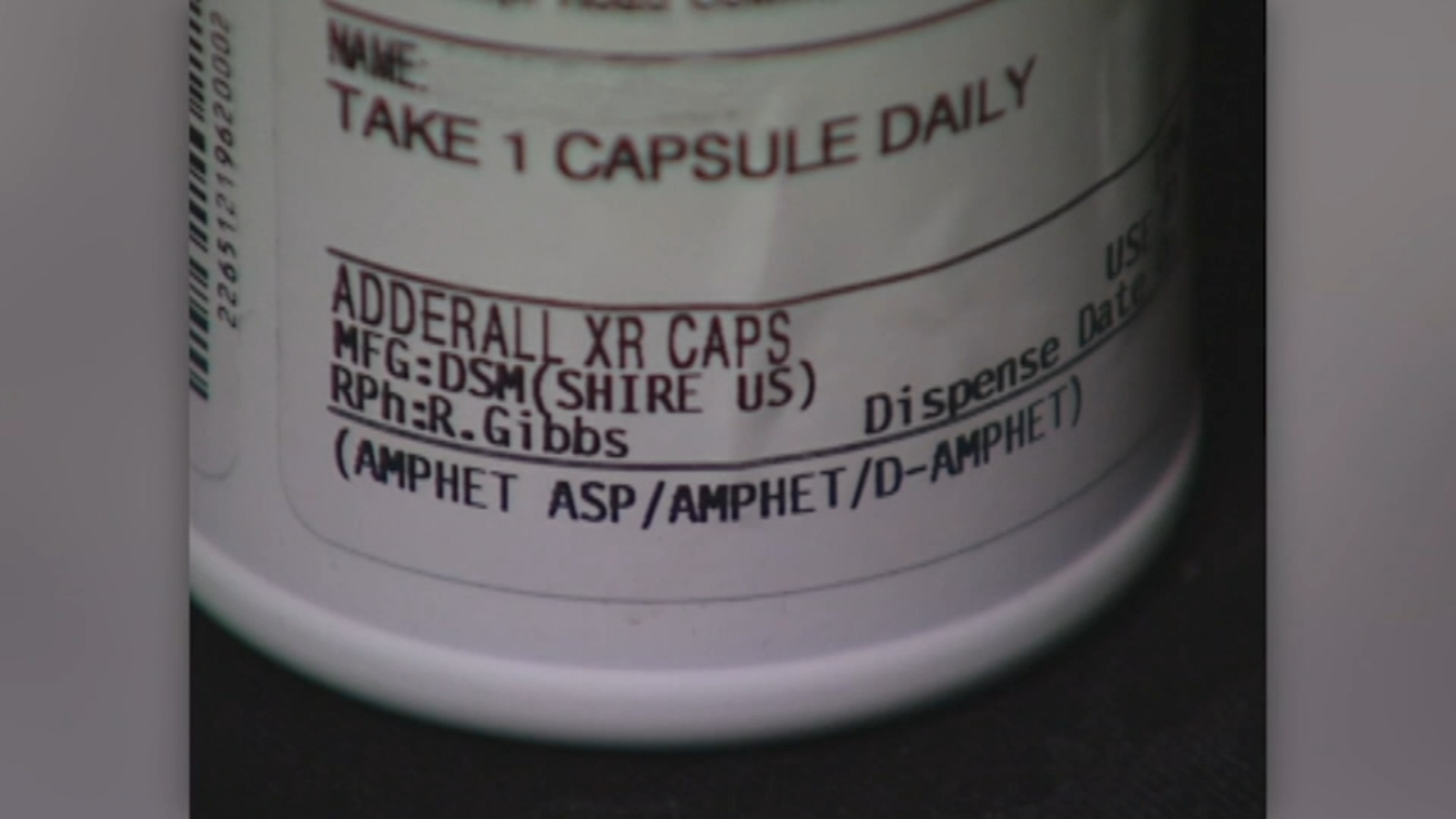
A new study found that one in four students reported misusing prescription stimulants used to treat ADHD. Schools with the highest rates of teens using prescribed ADHD medications were 36% more likely to have students misuse prescription stimulants. Misuse of these medications can lead to health risks, including cardiac risks. Parents should talk with their children about substance use disorder, misusing medications, and experimentation.