A Yale study suggests that Caligula, often seen as a mad and cruel Roman emperor, was actually knowledgeable about medicine, particularly hellebore treatments used in ancient Greece, indicating a more nuanced understanding of his character and medical practices of the time.

A study published in PLOS One reveals that chimpanzees in Uganda's Budongo Forest use specific plants with medicinal properties to self-medicate when sick or injured. Researchers observed the chimps consuming plants with antibacterial and anti-inflammatory effects, suggesting a sophisticated understanding of natural remedies. The findings highlight the potential for discovering new human medicines and underscore the importance of conservation efforts to protect these behaviors and their habitats.
A study in the Budongo Forest of Uganda observed chimpanzees using specific plants with medicinal properties to self-medicate for ailments like diarrhea, tapeworms, and injuries. The research, published in PLOS One, suggests that these behaviors could lead to discoveries of new human medicines, particularly for antibiotic-resistant bacteria and chronic inflammatory diseases. The findings highlight the importance of conserving natural habitats and primate populations for ongoing research.
In his book "Most Delicious Poison," biologist Noah Whiteman explores the bioactive nature of plant toxins and their impact on humans. He discusses how seemingly benign plants can contain chemicals that have profound effects on our bodies and brains. Whiteman examines the evolutionary reasons behind plants producing toxins, the ways in which humans have harnessed these toxins for medicine and pleasure, and the potential benefits of certain plant chemicals. The book delves into topics such as the interaction between alcohol and GABAA receptors, the use of plant toxins as insecticides, and the evolutionary origins of spices. Whiteman's passion for the subject shines through, making it a fascinating read for those interested in botanical pharmacology and toxicology.
Foxglove, also known as dead man's bells or witches' gloves, contains a compound called digoxin, which is a cardiac glycoside that can have lethal effects on the heart if ingested. However, digoxin is also used as a heart medication to treat heart failure. Other toxic plants mentioned include monkshood, poison hemlock, and deadly nightshade, all of which have poisonous properties that can be harmful or fatal if ingested. If someone is exposed to a toxic plant, it is important to seek medical help and avoid inducing vomiting.
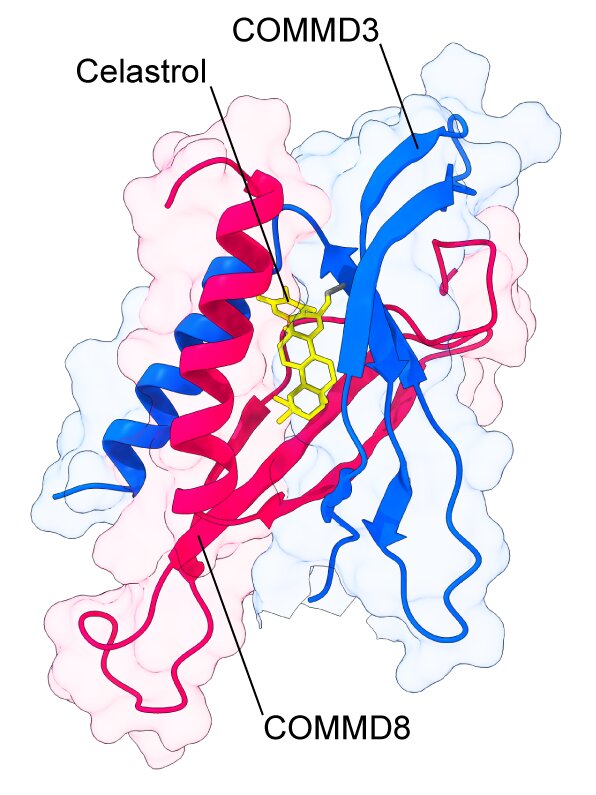
Researchers from Osaka University have identified a protein complex, COMMD3/8, that promotes the progression of rheumatoid arthritis and found that celastrol, an extract from the root of a medicinal plant, is a potent inhibitor of the COMMD3/8 complex. Celastrol impairs the antibody response and blocks the progression of rheumatoid arthritis in a mouse model. The COMMD3/8 complex is central to the pathogenesis of rheumatoid arthritis and autoimmune conditions, making it a promising therapeutic target for autoimmune diseases.
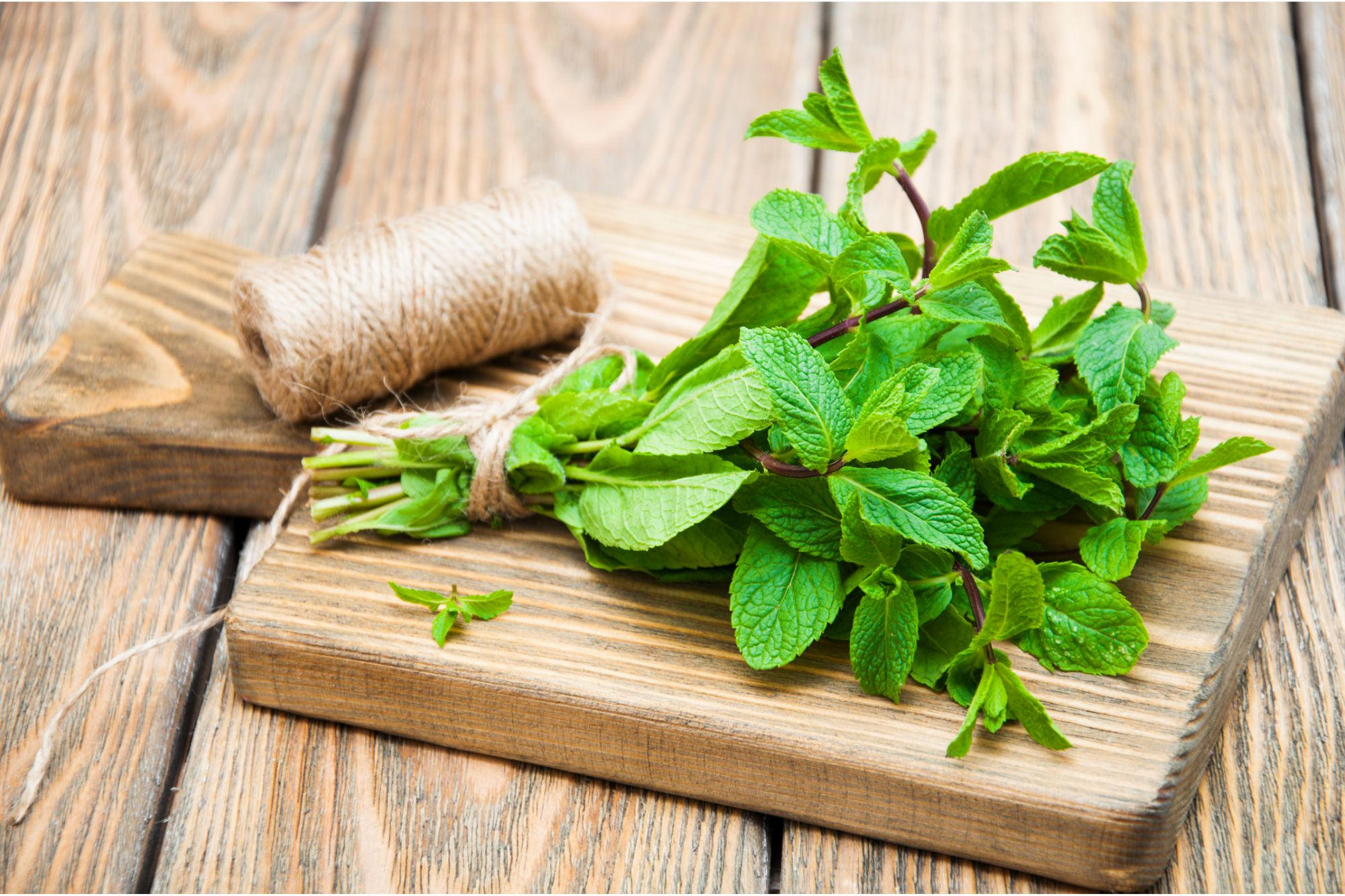
Researchers at Michigan State University have discovered that the evolution of the mint family of plants has diversified their specialized natural characteristics through the evolution of their chemistry, opening up the possibility of future uses in fields such as medicine and pesticide production. The team found a large biosynthetic gene cluster in the beautyberry plant from the mint family, which contains genes that encode two distinct terpenoid pathways. The team found these terpenoids accumulate in various parts of the plant, such as the leaves and roots, and may play distinct roles in adaptation.