Tag

Sedimentary Rocks

All articles tagged with #sedimentary rocks

environment2 years ago

Plastic Rocks: A Global Geological Phenomenon

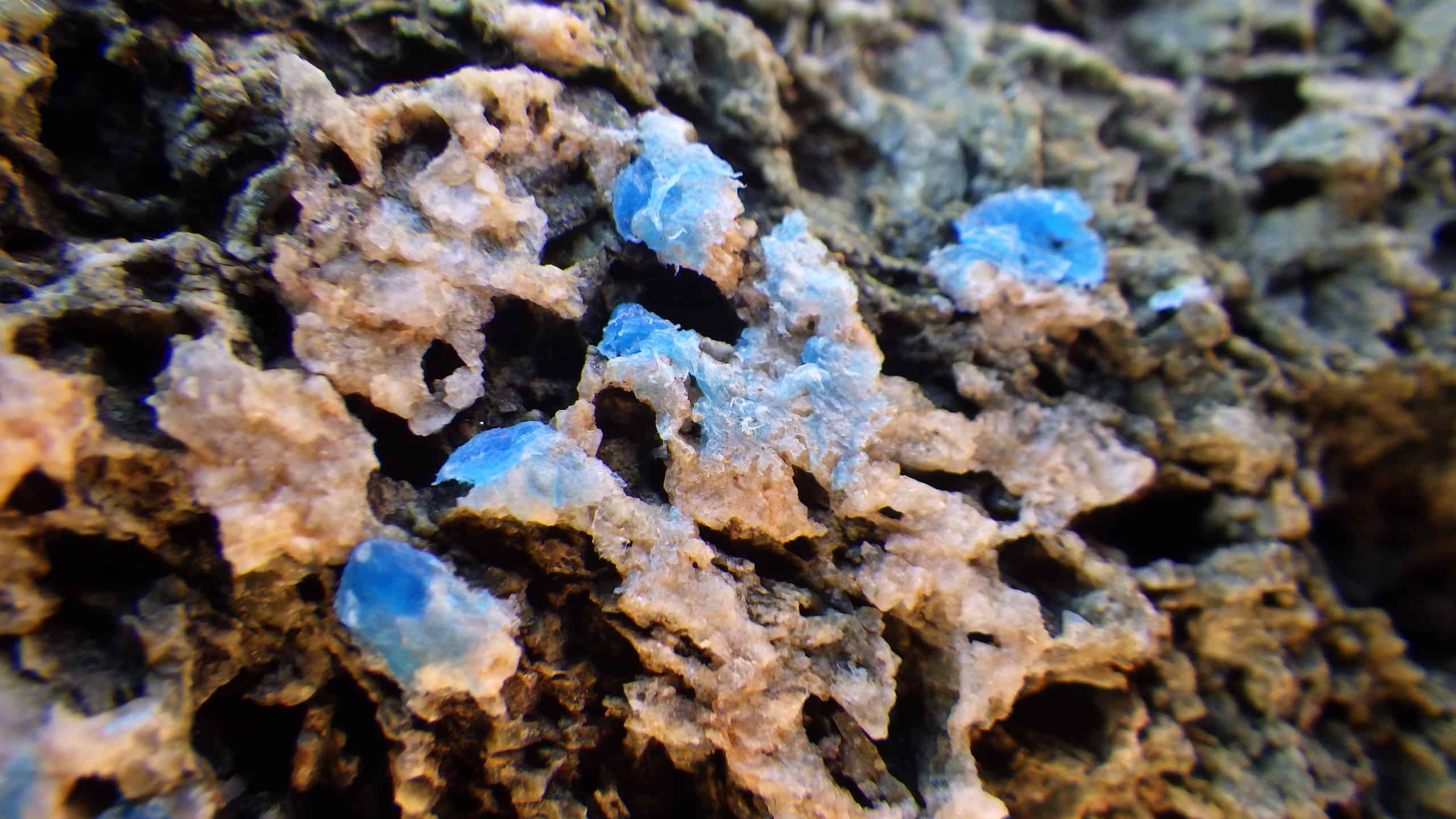
Geologists have discovered a new type of sedimentary rock called plastistone, which is a hybrid of natural rock and synthetic plastic. These rocks form when plastic waste becomes intertwined with natural rock elements through the process of lithification. Plastistones have been found globally and are a stark indicator of human impact on the planet. They can form through various mechanisms, such as the melting of plastic debris in campfires or waste burning sites. Plastistones can alter microbial communities, release microplastics and nanoplastics, and pose ecological risks. This emerging type of rock highlights the profound and lasting impact of plastic pollution on Earth's geology, symbolizing the Anthropocene era. Further research is needed to understand the formation, distribution, and environmental implications of plastistones.

science2 years ago

Global Spread of Plastic Rocks: A Startling Geological Phenomenon

Scientists have discovered a new type of sedimentary rock called Plastistones, which are composed of a fusion of plastic materials and clasts from pre-existing rocks. These rocks have been found in 11 countries across five continents, both inland and on the coast. The formation process involves the lithification of plastics, such as polyethylene and polypropylene, along with natural rock fragments. This global phenomenon highlights the pervasive nature of plastic pollution in our environment.

earth-science2 years ago

"Sedimentary Rocks: Surprising Carbon Dioxide Emitters, Study Finds"

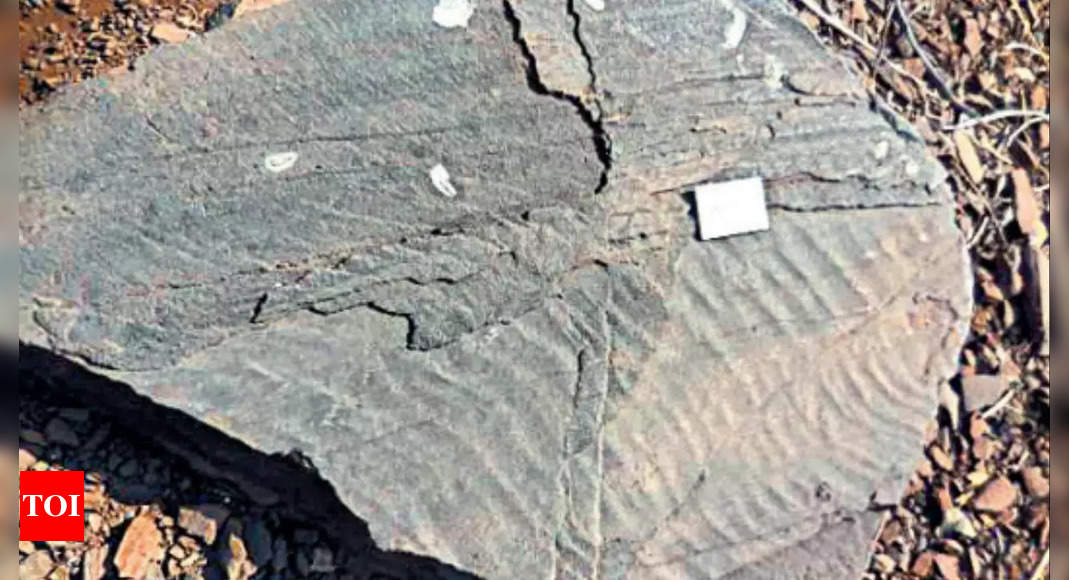
A study published in Nature has revealed that carbon-rich sedimentary rocks, subjected to forces like mountainous uplift and erosion, release significant amounts of carbon dioxide (CO2) into the atmosphere through geological weathering. This process contributes approximately 68 megatons of CO2 annually, comparable to emissions from Earth's volcanoes. The study used a unique approach, utilizing the trace element rhenium as a proxy for CO2, and a global spatial model based on data from 59 river basins. The findings highlight the importance of understanding Earth's habitability and provide insights for climate models and long-term planning.