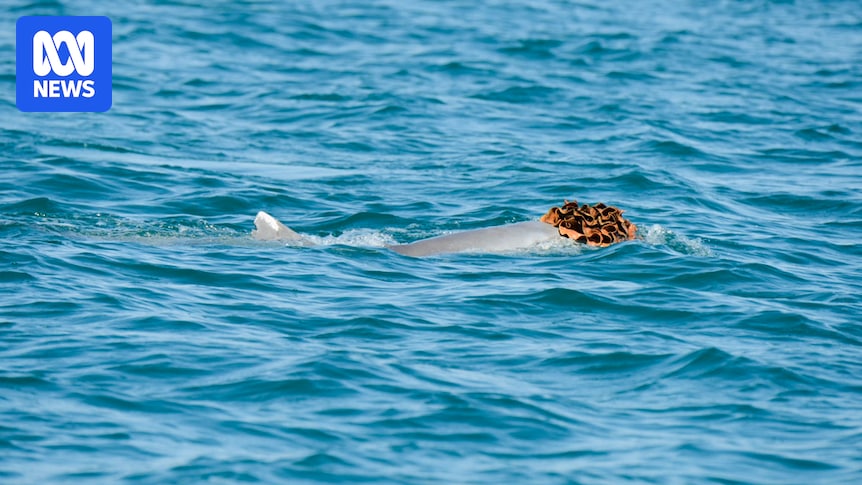
Male humpback dolphins off Western Australia's coast use sea sponges on their heads as a unique mating display, a behavior observed only in this region and not in other dolphin species, highlighting a potentially important and rare reproductive strategy. Additionally, other dolphins use sponges as tools for foraging, showcasing diverse dolphin behaviors involving sea sponges.
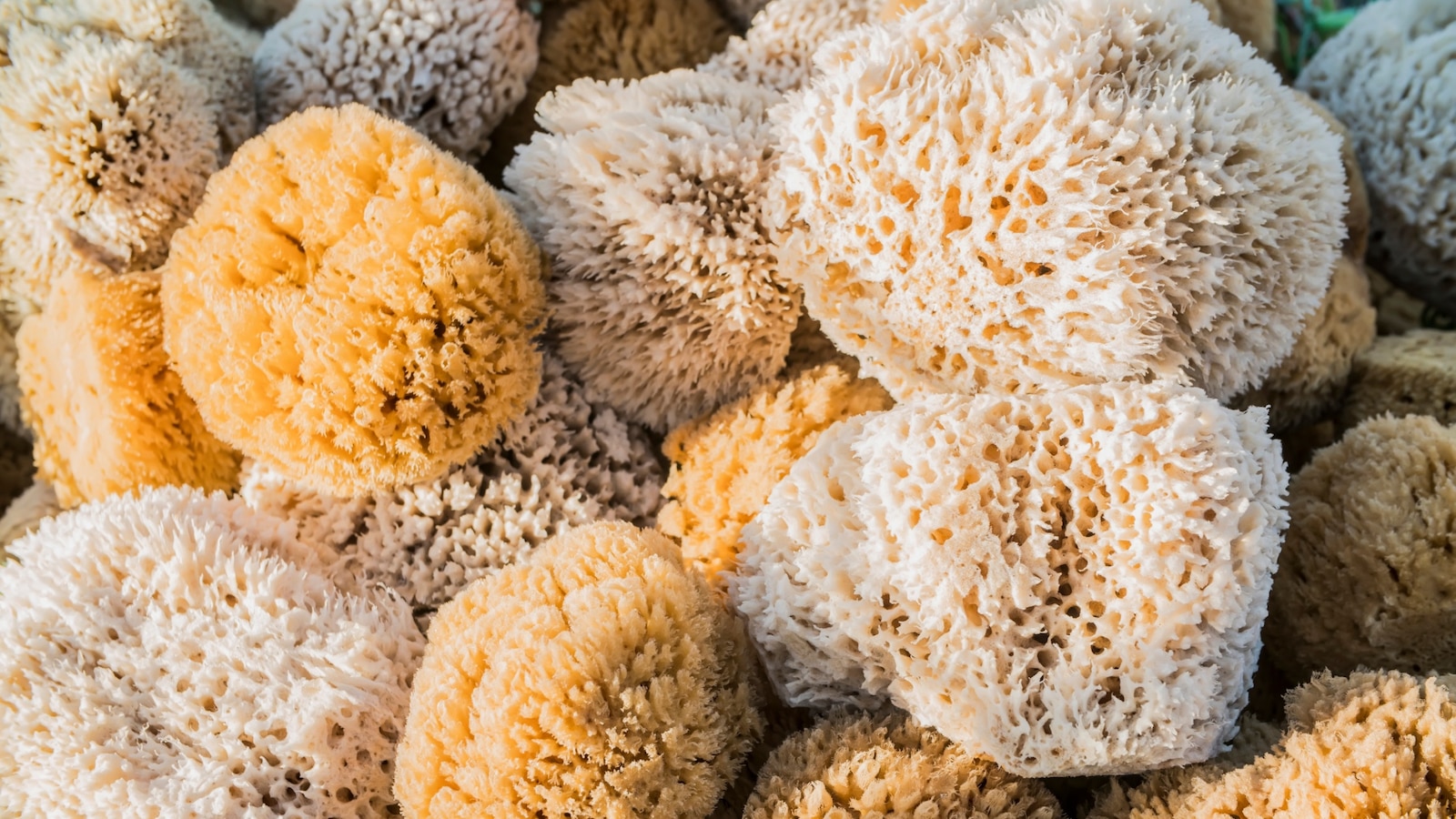
A study of sea sponges in the Caribbean suggests that Earth may have already surpassed 1.5 degrees Celsius of warming and could reach 2 degrees Celsius by the end of the decade. The research, based on 300 years of ocean temperature records preserved within sea sponges, indicates that human-induced warming began in the mid-1860s, earlier than previously thought. The findings have significant implications for current projections of global warming, with potential mean surface warming of 1.7 degrees Celsius estimated between 2018 and 2022.
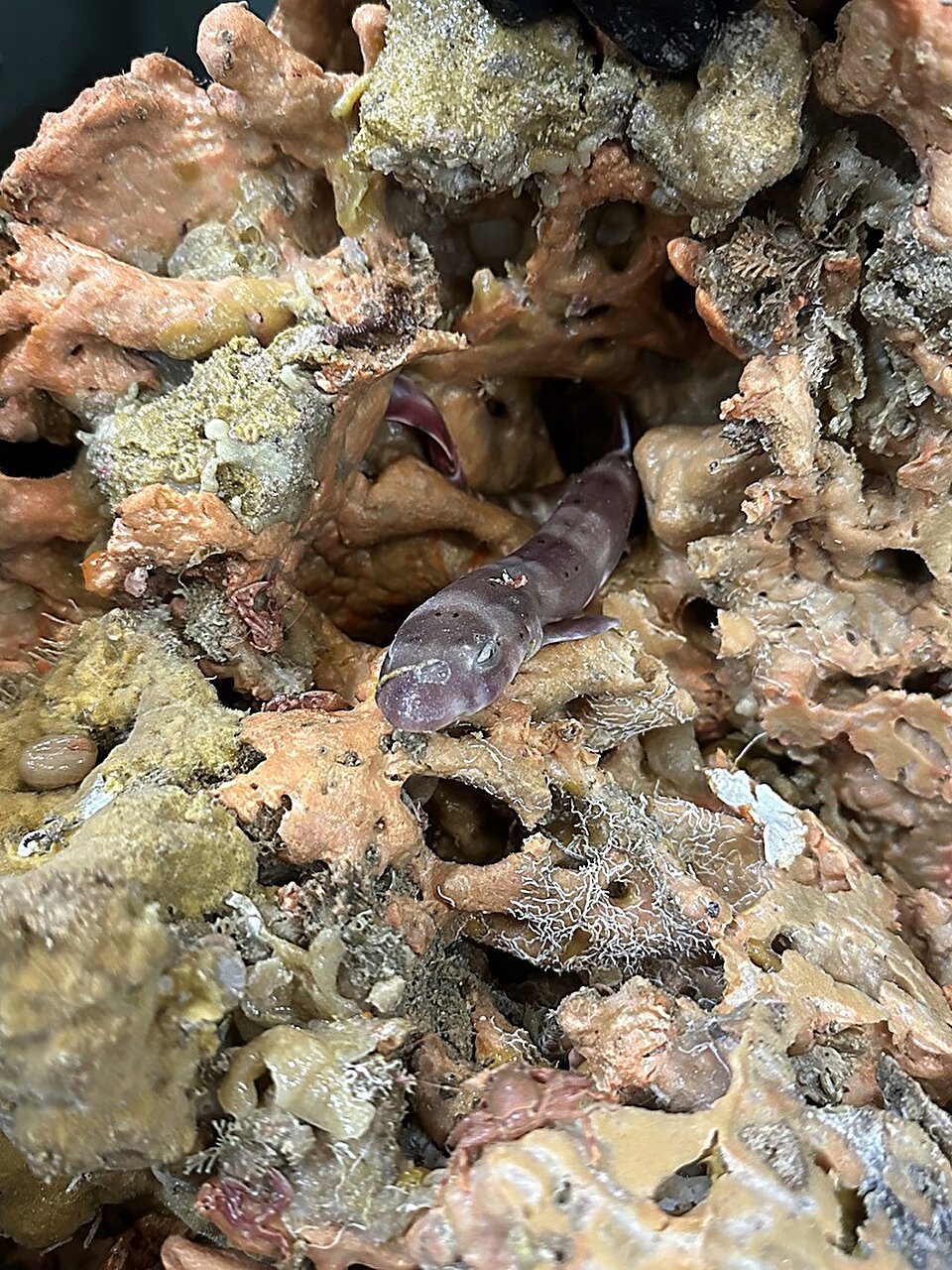
Scientists have made the first known observation of a shark species, specifically banded sand catsharks, living inside sea sponges. During two voyages off the coast of north-western Australia, researchers discovered a total of 57 catsharks hiding in five large sponges. This behavior, previously unseen in sharks or other elasmobranchs, suggests that sponges may serve as microhabitats for certain shark species. The sharks likely use the sponges as a hiding place during the day to avoid predators, and this behavior may also benefit the sponges by potentially reducing the number of invertebrate species that prey on them. The discovery highlights the importance of intraspecific relationships between organisms and the need for further research on shark behavior in the ocean.
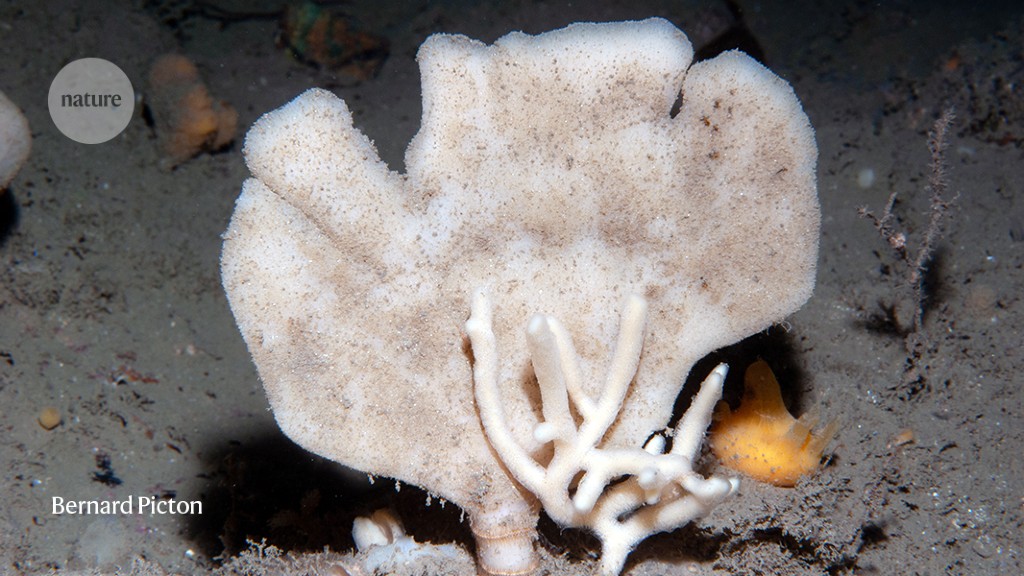
Sea sponges have been found to collect DNA from the surrounding waters, providing a record of local biodiversity. Scientists can now utilize this DNA to study the diversity of fish species in a given area.
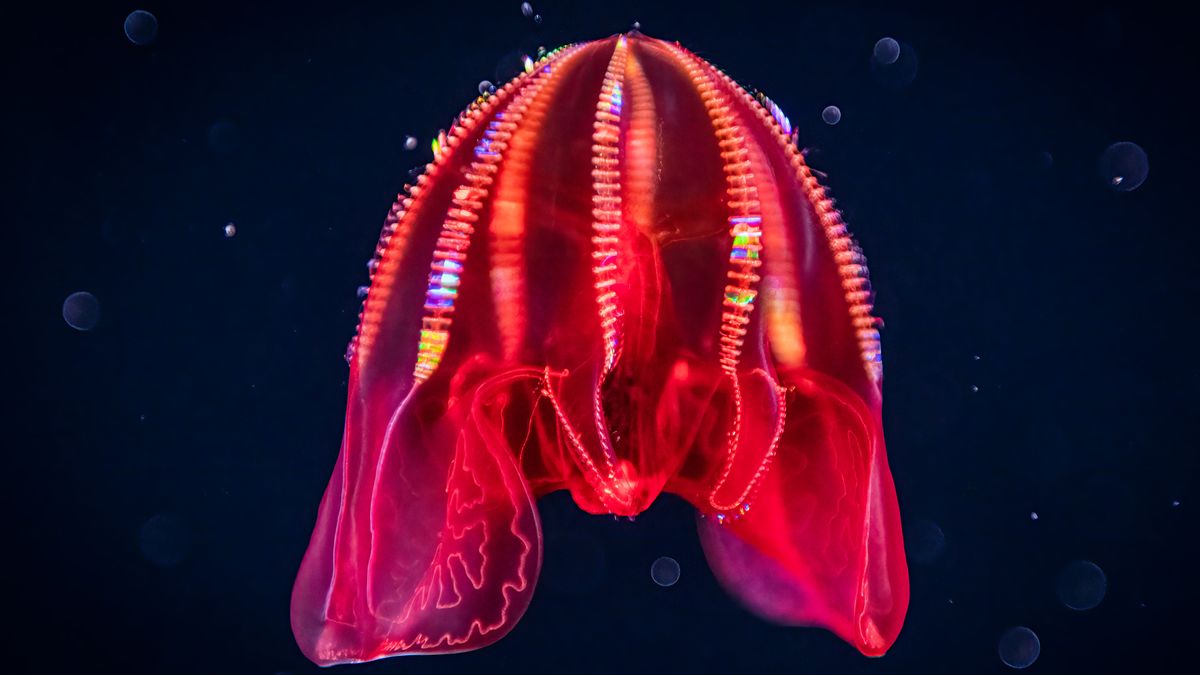
Scientists have identified the most recent ancestor of the sister to all animals via the novel use of chromosomal analysis, settling a central question about the evolution of the entire tree of animal life. The study has resolved the long-running debate over whether sea sponges or comb jellies are most closely related to the sister group. The team found 14 groups of genes that appeared on separate chromosomes in comb jellies and their single-celled, non-animal relatives, indicating that they are descendants of the sister group that broke from the animal family tree before the mixing occurred.