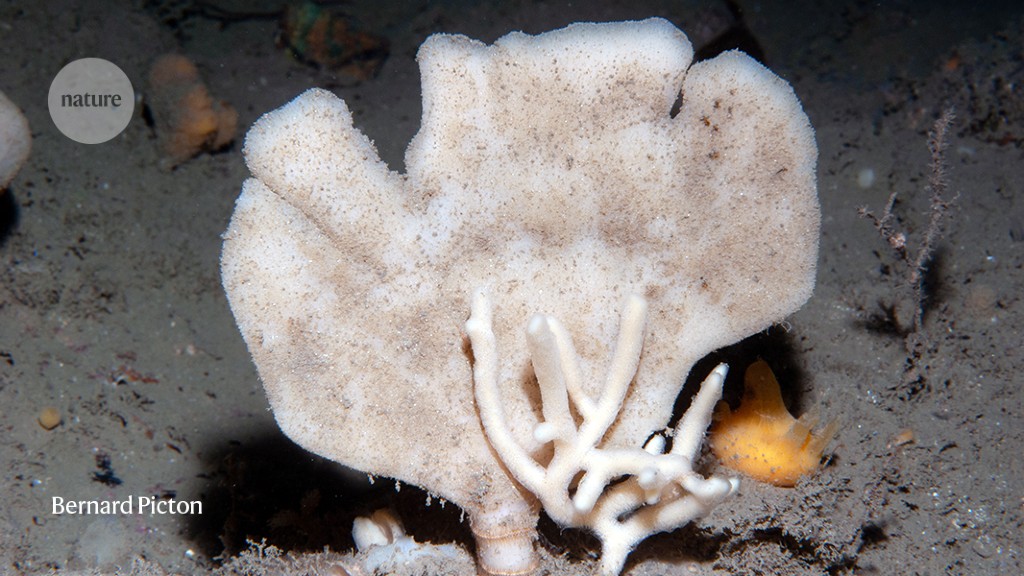
Sea sponges have been found to collect DNA from the surrounding waters, providing a record of local biodiversity. Scientists can now utilize this DNA to study the diversity of fish species in a given area.
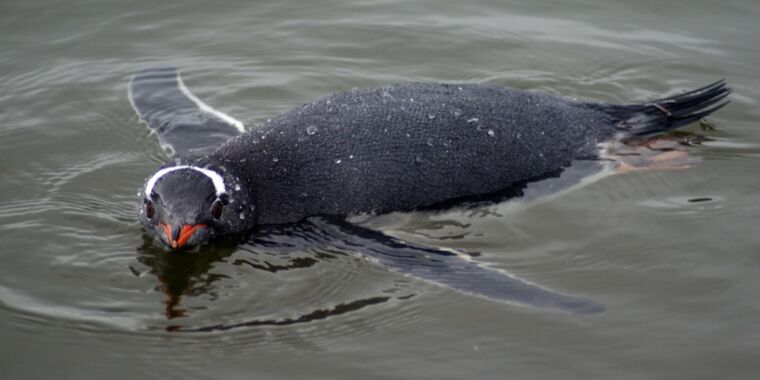
Physicists have used computational modeling to study the hydrodynamics of gentoo penguins' wings, revealing that the ability to change the angle of their wings while swimming is crucial for generating thrust. Gentoo penguins are the fastest swimming birds, reaching speeds of up to 36 km/h underwater. This research on aquatic animals' movement through water could have applications in designing more efficient aircraft, bio-inspired robots for underwater exploration, and understanding the unique features of other fast-swimming creatures like mako sharks and marsh grass shrimp.