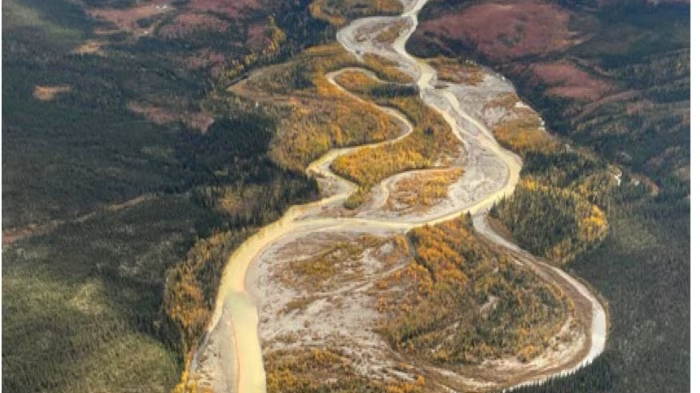
The Arctic is experiencing its warmest year on record, with significant melting of permafrost and sea ice, leading to environmental changes such as rivers turning orange from leached metals and the 'Atlantification' of the region, which threaten global climate patterns and ecosystems, amid concerns over reduced monitoring due to funding cuts.
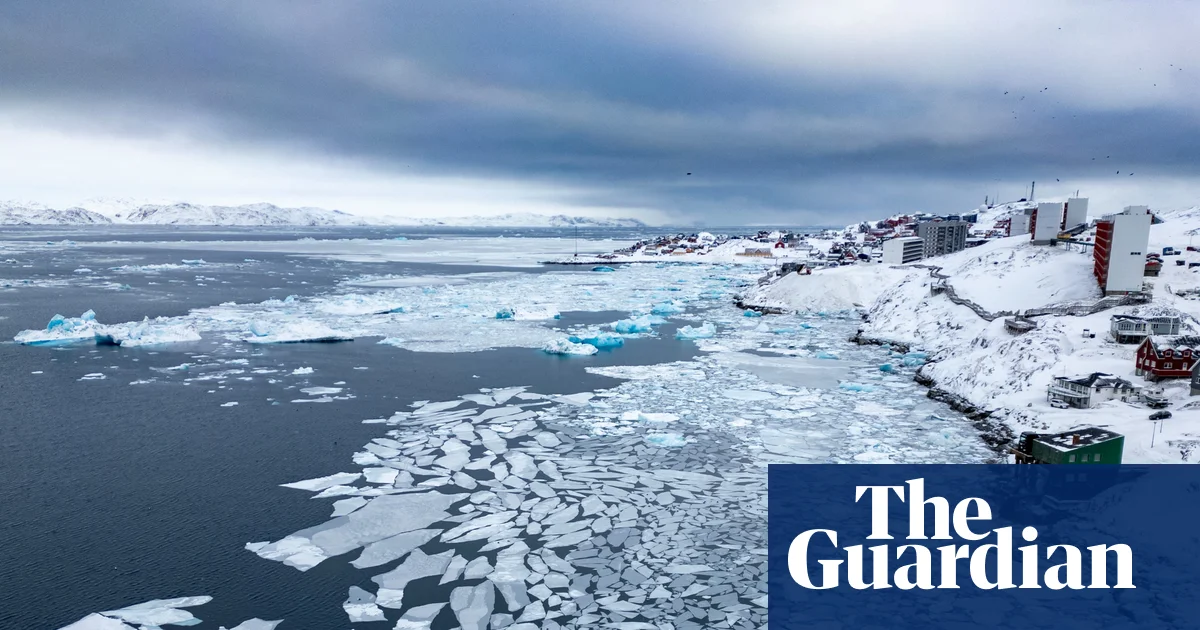
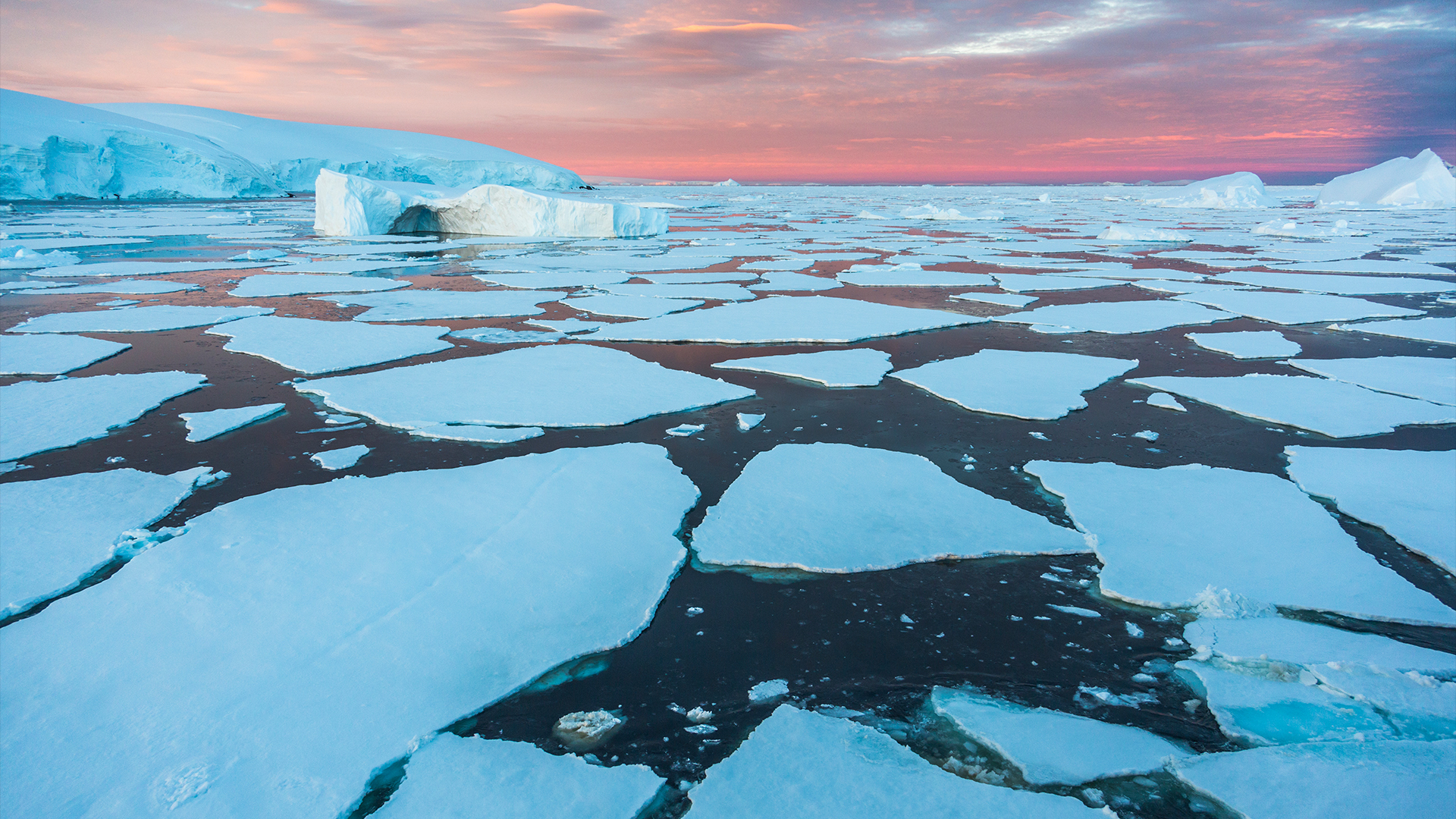
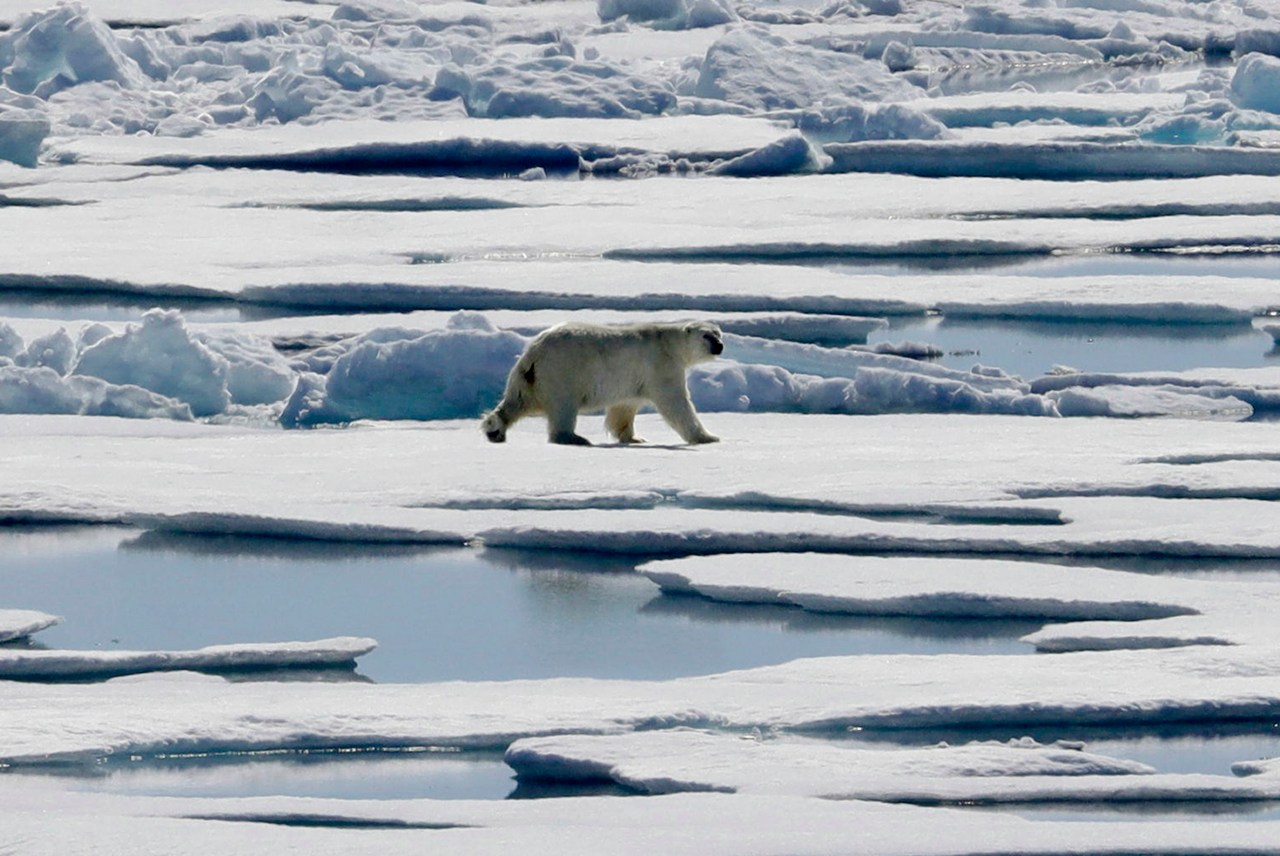
The Arctic experienced its hottest year on record from 2024 to 2025, with significant sea ice loss, increased precipitation, and warming temperatures, especially in winter, indicating a rapid and unprecedented climate shift that impacts global weather patterns, sea levels, and Arctic ecosystems.
Antarctic sea ice has been shrinking since 2015, with a surprising increase in surrounding ocean salinity linked to a collapse in ice extent, possibly due to unknown deep ocean processes, which could accelerate climate change impacts and require further investigation.
Researchers have discovered a historic reversal in the Southern Ocean's circulation, with increasing surface salinity and rising deep waters bringing heat and CO₂ to the surface, disrupting traditional ocean dynamics, accelerating ice melt, and potentially triggering significant global climate impacts similar to the collapse of the Atlantic Meridional Overturning Circulation.
Recent satellite data reveals that Antarctic sea ice is in unexpected and rapid decline due to increasing salinity in the Southern Ocean, which disrupts the ocean's layered structure and accelerates melting through a feedback loop, with significant global environmental consequences. This challenges previous climate models and underscores the need for ongoing monitoring and research to better understand and adapt to these rapid changes.
The National Oceanic and Atmospheric Administration (NOAA) reported that the Arctic experienced its hottest summer on record, with temperatures reaching as much as 7.2 degrees above the average. This contributed to the sixth-warmest year overall in the region, accompanied by record declines in sea ice levels. The impact of these changes has been felt in fisheries throughout Alaska and northern Canada. The report emphasizes the urgent need for action to reduce greenhouse gas emissions and build climate resilience. Additionally, the study highlights the increase in wildfires, the threat to ocean ecosystems from phytoplankton blooms, and the continued decline of ice sheets.