
Arctic's Record-Hot Summer Signals Alarming Climate Change Impact
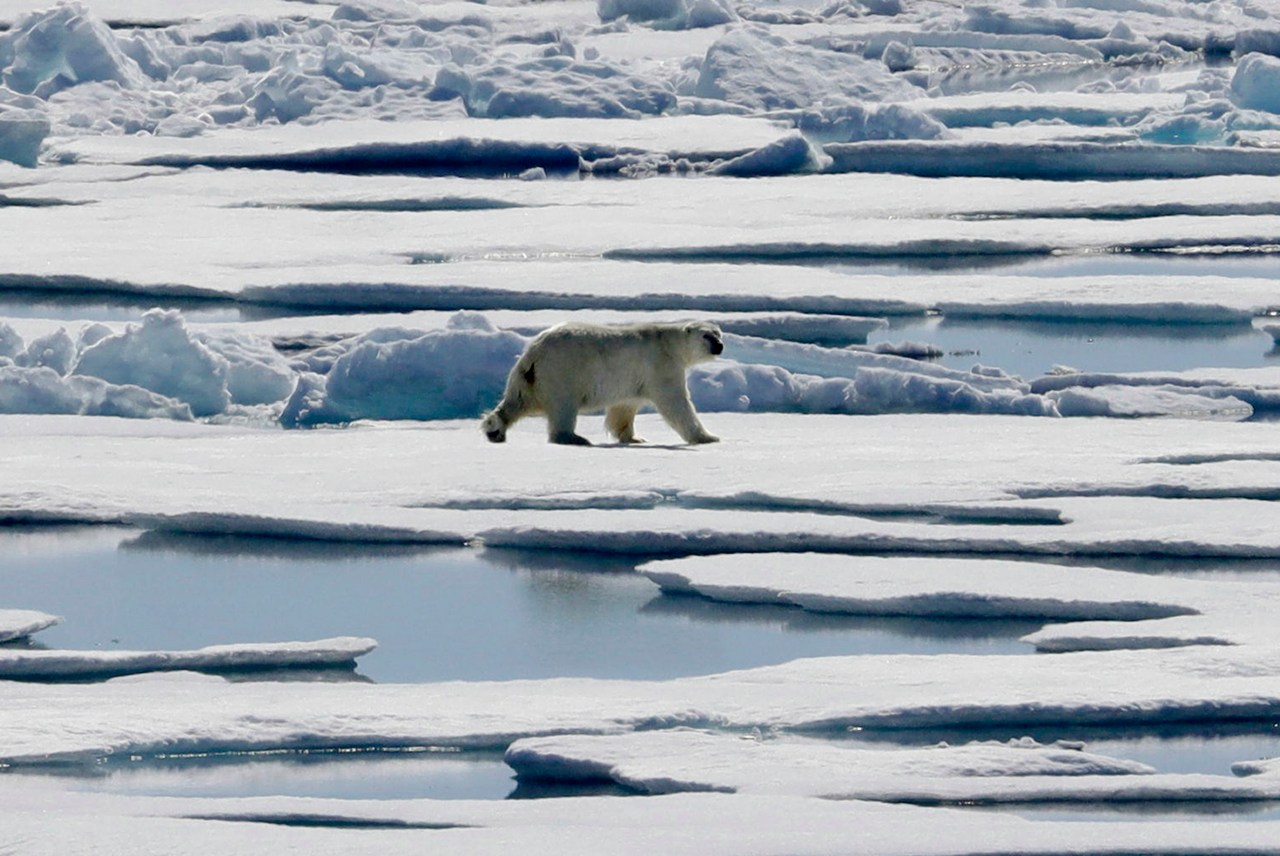
The National Oceanic and Atmospheric Administration (NOAA) reported that the Arctic experienced its hottest summer on record, with temperatures reaching as much as 7.2 degrees above the average. This contributed to the sixth-warmest year overall in the region, accompanied by record declines in sea ice levels. The impact of these changes has been felt in fisheries throughout Alaska and northern Canada. The report emphasizes the urgent need for action to reduce greenhouse gas emissions and build climate resilience. Additionally, the study highlights the increase in wildfires, the threat to ocean ecosystems from phytoplankton blooms, and the continued decline of ice sheets.
Reading Insights
0
5
2 min
vs 3 min read
75%
410 → 101 words
Want the full story? Read the original article
Read on The Hill