Federal guidelines now allow women aged 30-65 at average risk to choose self-administered HPV tests every five years for cervical cancer screening, providing a more private and accessible option alongside traditional Pap smears, with the aim of increasing screening rates and early detection.
The article discusses the pros and cons of PSA testing for prostate cancer, emphasizing that while it can produce false positives leading to unnecessary procedures, careful testing and risk assessment can help identify high-risk cases and save lives. The author supports PSA screening for men aged 50-70 and suggests that digital rectal exams add little value and often result in false positives, but individual discussions with doctors are important.
Dr. Keith Roach discusses the importance of PSA tests and DREs in prostate cancer screening, emphasizing that PSA testing remains valuable for men aged 50-70 despite some controversy over false positives, and that DREs add limited diagnostic value but are still part of the screening conversation.
World-leading experts have proposed updated guidelines for prostate cancer screening, suggesting reduced frequency for some men from two to five years. The American Urological Association recommends screenings every two to four years, including an internal exam and a PSA blood test. Prostate cancer is common in men over 50, but determining who should be screened and how often is complex and varies based on age, race, and family history. New guidelines based on PSA levels suggest low-risk men should be screened every five years, while medium-risk should be screened every two years. Additional testing and treatment may be prescribed for high-risk individuals. Studies indicate that PSA testing alone has limited impact on reducing prostate cancer mortality, prompting the exploration of biomarker panels for more effective screening. Prostate cancer, often asymptomatic in its early stages, can be challenging to detect and is associated with various risk factors. Treatment options include prostatectomy for localized cancer.
A study from the CDC reveals that factors such as social isolation, food insecurity, job loss, and transportation issues are contributing to about a quarter of women aged 50 to 74 not being up to date on routine mammograms. The study emphasizes the importance of addressing women's health-related social needs to improve mammogram participation, as it found that women with more health-related social needs were less likely to have received a mammogram in the previous two years. The study also highlights the disproportionate impact of breast cancer on Black women and the potential of mammography screenings to reduce cancer deaths. New draft guidelines recommend women start regular mammograms at 40 and continue through age 74.
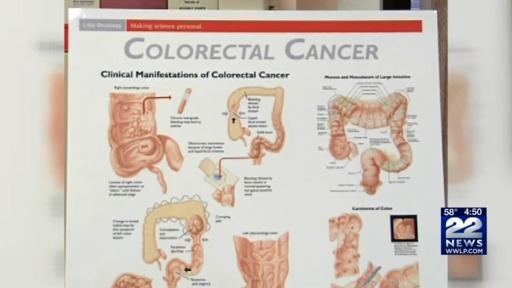
Colorectal cancer is now the leading cause of cancer death in men under 50 and the second leading cause in women under 50, with cases steadily rising by 2% per year since the mid-1990s. Factors such as genetic mutations, diet changes, decreased physical activity, imbalances in the gut microbiome, and exposure to toxic chemicals may contribute to the increase. Patients are being diagnosed at advanced stages, emphasizing the importance of awareness and early screening, with the new recommended age for colonoscopy screening being 45. Symptoms to watch out for include blood in the stool, abdominal pain, unexplained weight loss, and changes in bowel habits.
The incidence of colorectal cancer in younger adults is on the rise in Colorado, with 452 people under 55 diagnosed in 2020, a 23% increase from a decade earlier. Despite a drop in death rates for people over 55, deaths from colorectal cancer among younger individuals have been increasing. Delayed detection during the pandemic may be a factor, but the rise cannot be fully explained by population growth. Screening and early detection through colonoscopies are crucial in preventing deaths from colorectal cancer, and lifestyle factors such as diet and alcohol consumption may contribute to the increased risk in younger adults. Advocates are pushing for insurance coverage for biomarker testing to improve cancer treatment.
Colorectal cancer, the third most common cancer worldwide, is the top cause of cancer death in men under 50 and second only to breast cancer for women in the same age group. New guidelines recommend screening at age 45, as rates of diagnosis in people under 50 have increased. People of color and those with family history are disproportionately impacted, emphasizing the importance of timely diagnosis, appropriate treatment, and regular follow-up care for improving survival rates and quality of life.
Lung cancer rates are increasing among nonsmoking Asian American women, with more than 50% of cases occurring in never-smokers. Scientists are baffled by this trend and are conducting research to understand the risk factors, including exposure to cooking oil fumes, secondhand smoke, and air pollution. Studies at the University of California, San Francisco and New York University are investigating why Asian American women are at high risk and the effectiveness of lung cancer screening for this population. The findings suggest that screening in this group is crucial, but more research is needed to reform screening guidelines and address the disparities among Asian American women.
Colorectal cancer is now a leading cause of cancer deaths in people under 55, with an increasing number of young individuals being diagnosed. Doctors emphasize the importance of awareness and early detection, urging young people to pay attention to symptoms such as blood in stool, sudden weight loss, and abdominal pain. Screening is recommended for those aged 45 and older, with earlier screening for those at increased risk or experiencing symptoms. The gold standard for screening is a colonoscopy, but less invasive stool-based tests are also available.
A new study published in Radiology suggests that women should start annual mammograms at age 40, aligning with updated draft recommendations from the US Preventive Services Task Force. While consistent screenings can reduce breast cancer mortality, conflicting guidelines and potential risks like false positives and overdiagnosis exist. Experts advise consulting with healthcare providers to assess individual risk and discuss the benefits and downsides of early screening, with most health insurance plans covering mammograms for women under 50.
The American Cancer Society has issued new guidelines for lung cancer screening, expanding the criteria beyond just cigarette smokers. The guidelines now recommend that individuals between the ages of 50-80 with a 20-pack-year history or more should receive a yearly low-dose CT scan to screen for lung cancer. This change is estimated to increase the number of eligible individuals by about 5 million and could prevent an additional 21% of lung cancer deaths compared to the current recommendations. However, insurance coverage for these screenings may vary, so it is important to consult with a primary care provider to determine eligibility and coverage.
The American Cancer Society (ACS) has updated its lung cancer screening recommendations for the first time in a decade, stating that millions more Americans should be screened for the disease. The new guidelines recommend annual lung cancer screening with a low-dose computed tomography scan for men and women between the ages of 50 and 80 who currently smoke or formerly smoked and have a 20 pack-year history. The previous recommendation targeted adults ages 55 to 74 with a 30 pack-year smoking history. Lung cancer is the leading cause of cancer deaths in the US, and the ACS estimates that nearly 240,000 new cases will be diagnosed in 2023.
The American Cancer Society (ACS) has updated its lung cancer screening guidelines, allowing more than 5 million additional U.S. adults who smoke or formerly smoked to be eligible for screening. The new guidelines recommend screening for individuals aged 50 to 80 with a smoking history of at least 20 pack-years, regardless of when they quit smoking. The goal is to reduce lung cancer deaths by detecting the disease early, as the majority of cases are currently diagnosed at advanced stages. Experts emphasize that lung cancer screening saves lives and can significantly improve outcomes if implemented more widely.
The American Cancer Society (ACS) has released new guidelines for lung cancer screenings, expanding eligibility for high-risk individuals. The ACS now recommends annual low-dose CT scans for people aged 50 to 80 with a 20+ pack-year history of smoking, compared to the previous threshold of 30 pack-years. The number of years since quitting smoking is no longer a factor for screening eligibility. The new guidelines aim to reduce lung cancer deaths in the US, where it is responsible for more deaths than colon, breast, and prostate cancers combined.