Tag

Science And Anthropology

All articles tagged with #science and anthropology

"Unraveling the 1.6 Million-Year-Old Mystery of Human Language Evolution"

Originally Published 1 year ago — by The Independent

Featured image for "Unraveling the 1.6 Million-Year-Old Mystery of Human Language Evolution"
Source: The Independent

New research by British archaeologist Steven Mithen suggests that early humans likely developed rudimentary language around 1.6 million years ago in eastern or southern Africa, challenging the previous belief that humans only started speaking around 200,000 years ago. The analysis is based on a comprehensive study of archaeological, genetic, neurological, and linguistic evidence, indicating that the birth of language was part of a suite of human evolution and other developments between two and 1.5 million years ago. The emergence of language was linked to improvements in working memory and was crucial for facilitating group planning and coordination abilities, particularly in hunting and survival. This new research also suggests that some aspects of the first linguistic development 1.6 million years ago may still survive in modern languages today.

"Revised Timeline: Humans' 1.6 Million-Year-Old Language Origins"

Originally Published 1 year ago — by The Independent

Featured image for "Revised Timeline: Humans' 1.6 Million-Year-Old Language Origins"
Source: The Independent

New research by British archaeologist Steven Mithen suggests that early humans likely developed rudimentary language around 1.6 million years ago in eastern or southern Africa, challenging the previous belief that humans only started speaking around 200,000 years ago. The analysis is based on a comprehensive study of archaeological, genetic, neurological, and linguistic evidence, indicating that the emergence of language was part of a suite of human evolution and other developments between two and 1.5 million years ago. This birth of language represented the beginning of linguistic development, with language gradually becoming more complex over hundreds of thousands of years.

"Revised Timeline: Human Speech Origins Date Back Further Than Previously Believed"

Originally Published 1 year ago — by The Independent

Featured image for "Revised Timeline: Human Speech Origins Date Back Further Than Previously Believed"
Source: The Independent

New research by British archaeologist Steven Mithen suggests that humans likely began developing rudimentary language around 1.6 million years ago in eastern or southern Africa, challenging the previous belief that language only emerged around 200,000 years ago. The emergence of language was a crucial factor in human physical and cultural evolution, as it enabled greater group planning and coordination abilities, improved working memory, and facilitated the transmission of complex knowledge and skills. The appearance of Broca’s area in the brain, associated with language production and comprehension, was linked to improvements in working memory and sentence formation. This new research also suggests that some aspects of the first linguistic development 1.6 million years ago may still survive in modern languages today.
"Unveiling the Neanderthal Mysteries: A Modern Understanding"

Originally Published 2 years ago — by Big Think

Featured image for "Unveiling the Neanderthal Mysteries: A Modern Understanding"
Source: Big Think

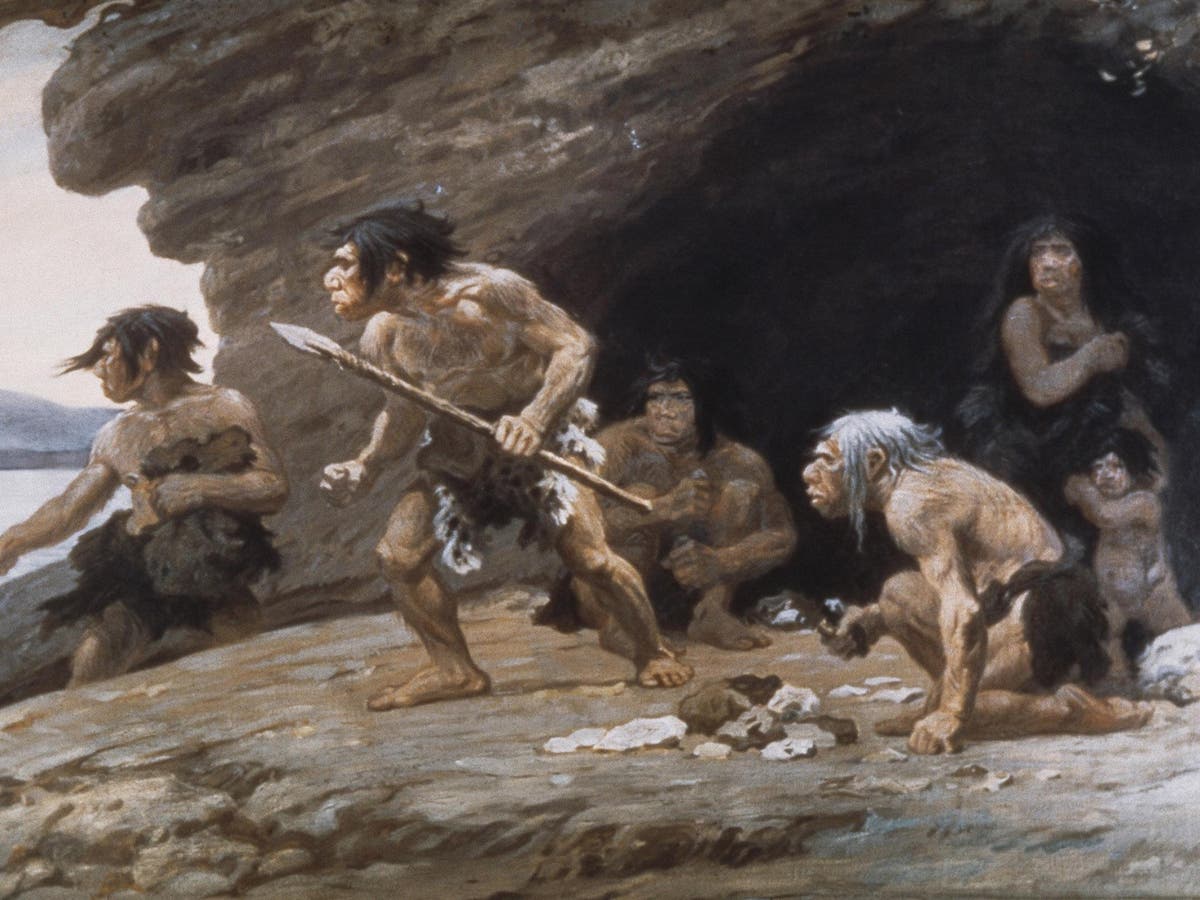
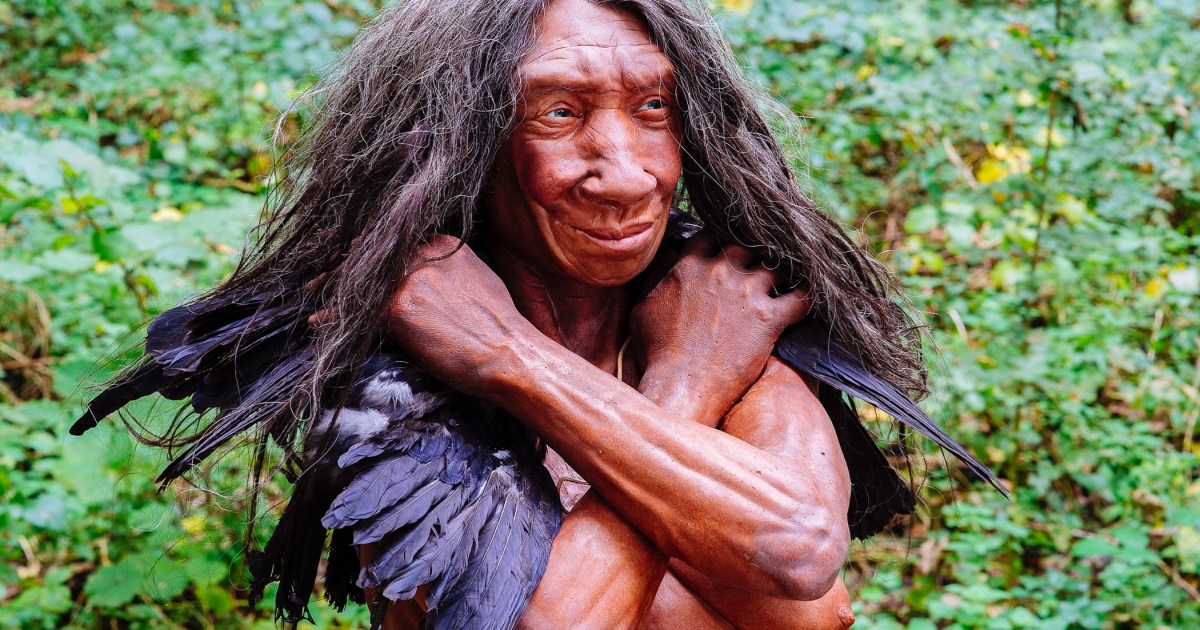
Recent research has significantly narrowed the behavioral gap between Neanderthals and Homo sapiens, revealing that Neanderthals were capable of creating art, crafting tools, and possibly engaging in symbolic behavior. Advances in ancient DNA analysis have confirmed interbreeding between the two species and suggest that Neanderthals contributed to the human gene pool. The discovery of complex structures, use of pigments, and evidence of a varied diet challenge the stereotype of Neanderthals as simple carnivores. Cognitive and cultural differences, as well as demographic factors, may have influenced the distinct development of Neanderthal and human societies. Despite their extinction, Neanderthals have left a lasting legacy in the genetic makeup of modern humans.

Revealing Prehistoric Women's Role as Hunters through Hormones and Genetics

Originally Published 2 years ago — by Fox News

Featured image for Revealing Prehistoric Women's Role as Hunters through Hormones and Genetics
Source: Fox News

New studies suggest that prehistoric women were not just gatherers, but also hunters. Research conducted by anthropologists at the University of Notre Dame found that prehistoric females had similar hunting injuries to men and were often buried with weapons. The studies also highlighted the hormonal and genetic advantages that women possess for endurance activities, such as hunting. The findings challenge long-held assumptions about female physical inferiority and emphasize the importance of not making assumptions about abilities based on gender.

"Virtual Reconstruction Reveals Face of Ancient 12-Million-Year-Old Ape Species"

Originally Published 2 years ago — by Daily Mail

Featured image for "Virtual Reconstruction Reveals Face of Ancient 12-Million-Year-Old Ape Species"
Source: Daily Mail

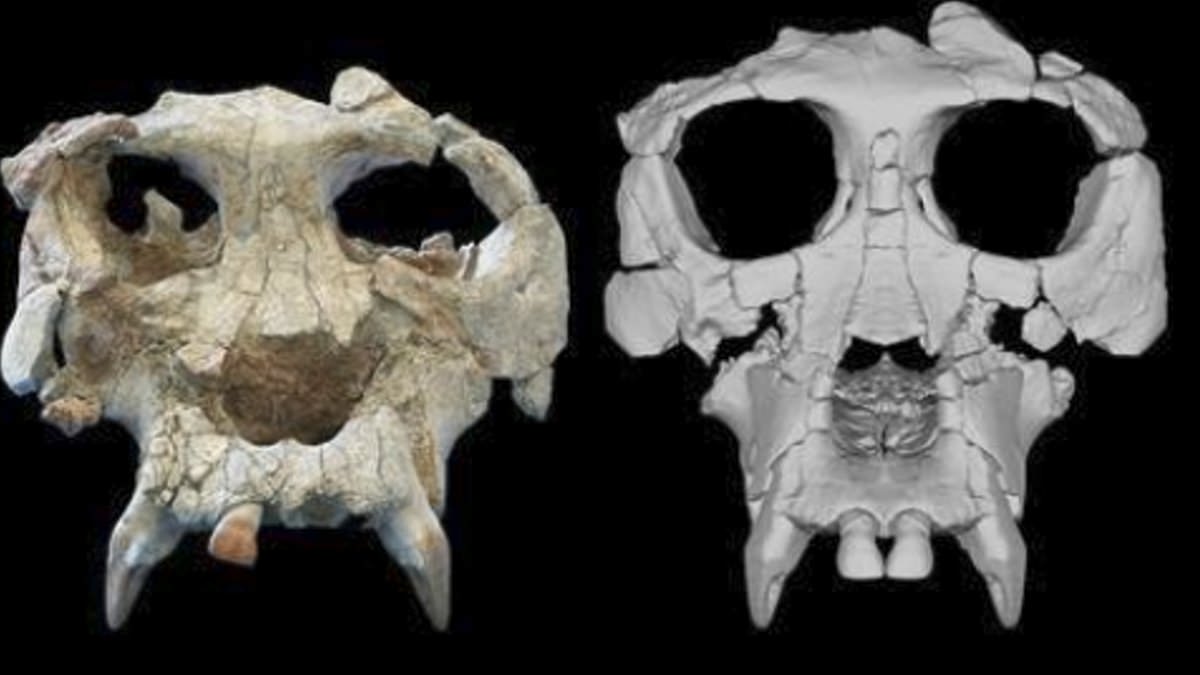
Scientists have reconstructed the face of a European great ape species called Pierolapithecus catalaunicus, which could be one of the earliest relatives of the human race. The well-preserved skull was reconstructed using CT scans, and the species has distinct facial features not found in other apes from the same period. The remains, including a cranium and partial skeleton, were found in Catalonia, Spain, in 2002. The reconstruction provides valuable insights into the evolutionary relationships and biology of this ancient ape species, shedding light on human evolution.

Unearthing Lost Human Lineages in Africa's Namib Desert

Originally Published 2 years ago — by SciTechDaily

Featured image for Unearthing Lost Human Lineages in Africa's Namib Desert
Source: SciTechDaily

Researchers conducting DNA research in the Angolan Namib desert have discovered groups believed to have vanished 50 years ago, including the Kwepe community and the last speakers of the click-language Kwadi. The study reveals unique pre-Bantu ancestry found only in the Namib desert, shedding light on the complex histories of migrations and contacts in southern Africa. The research highlights the importance of modern DNA studies in understanding Africa's genetic framework and complements ancient DNA research in exploring the continent's deep genetic structure.

"Unveiling the Ancient Secrets: Extinct Apes' Burial Rituals and Artistry Explored by Scientist Lee Berger"

Originally Published 2 years ago — by Boing Boing

Featured image for "Unveiling the Ancient Secrets: Extinct Apes' Burial Rituals and Artistry Explored by Scientist Lee Berger"
Source: Boing Boing

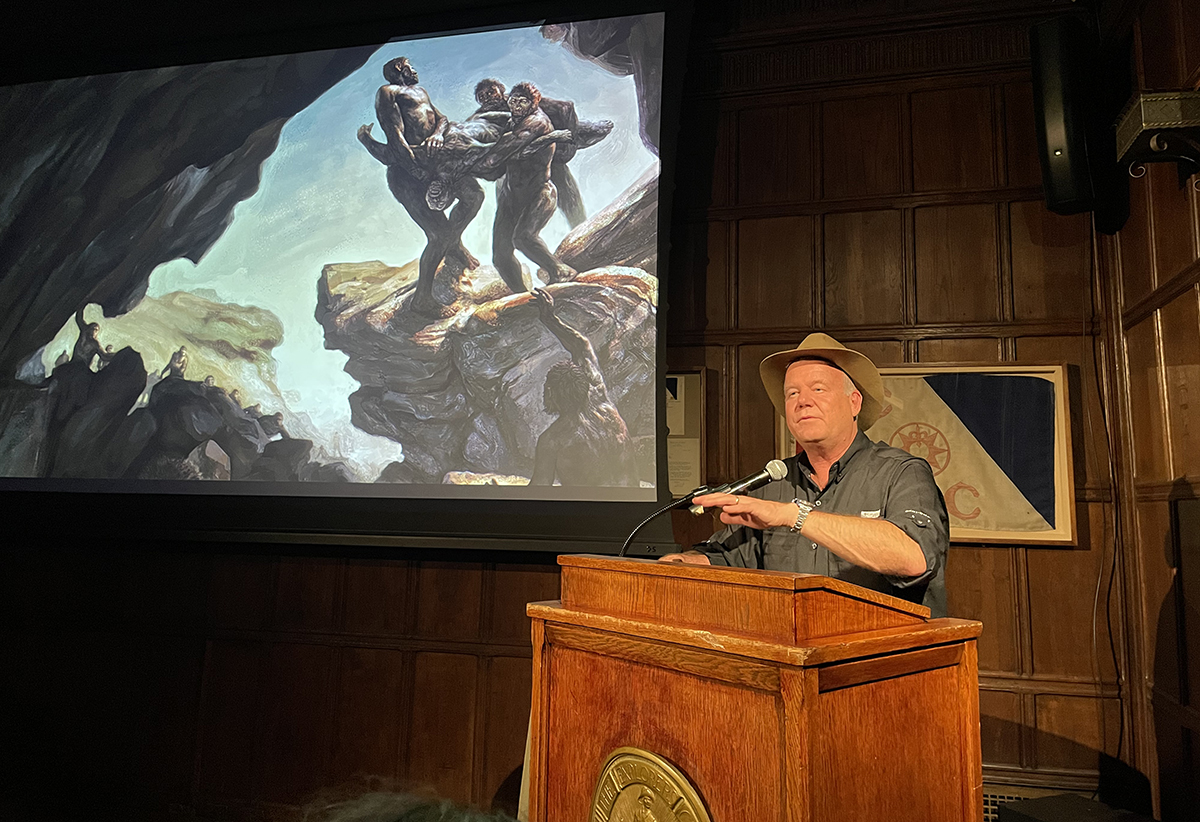
Lee Berger, the lead scientist at the "Cave of Bones" site in South Africa, discusses his controversial claims about the Homo naledi fossils found in the Rising Star cave system. Berger believes that these small-brained hominins used fire, buried their dead in chambers, and adorned the burial site with primitive art. Despite criticism from peers, Berger argues that we should reconsider our bias for human exceptionalism and recognize the cultural complexity of other animals. He also speculates about interbreeding between humans and naledi. Berger announced plans to further explore the Rising Star site and respect its significance to the naledi.