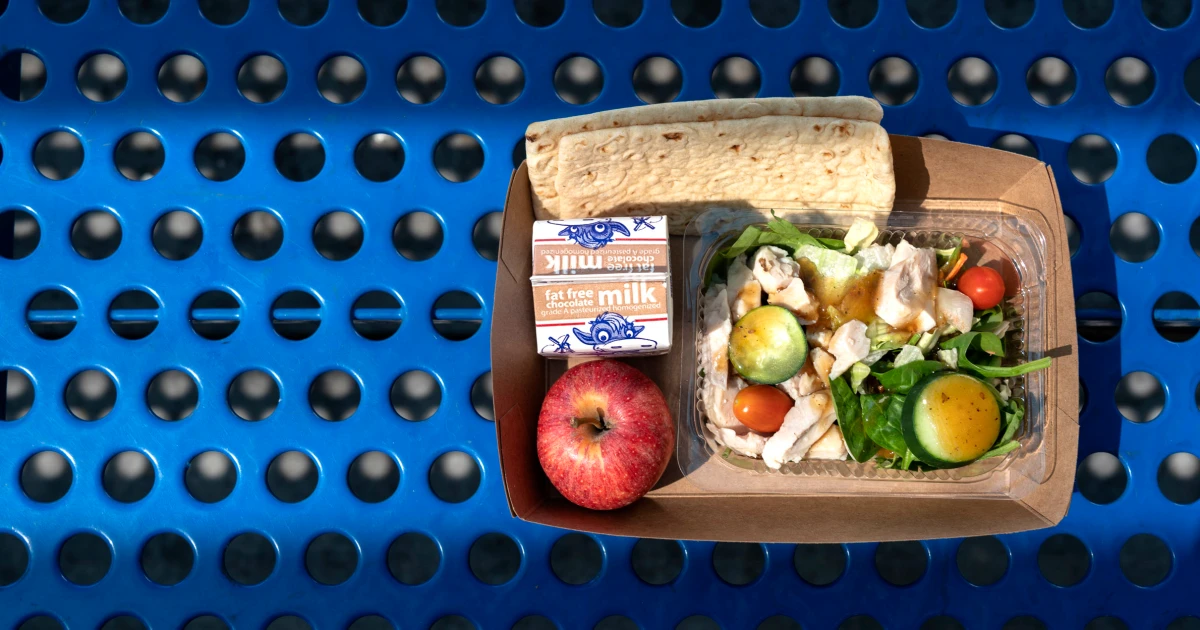
California has passed a law to phase out ultraprocessed foods from school meals over the next decade, aiming to improve children's health by reducing consumption of foods high in additives, sugar, sodium, and saturated fats, with full implementation expected by 2035.
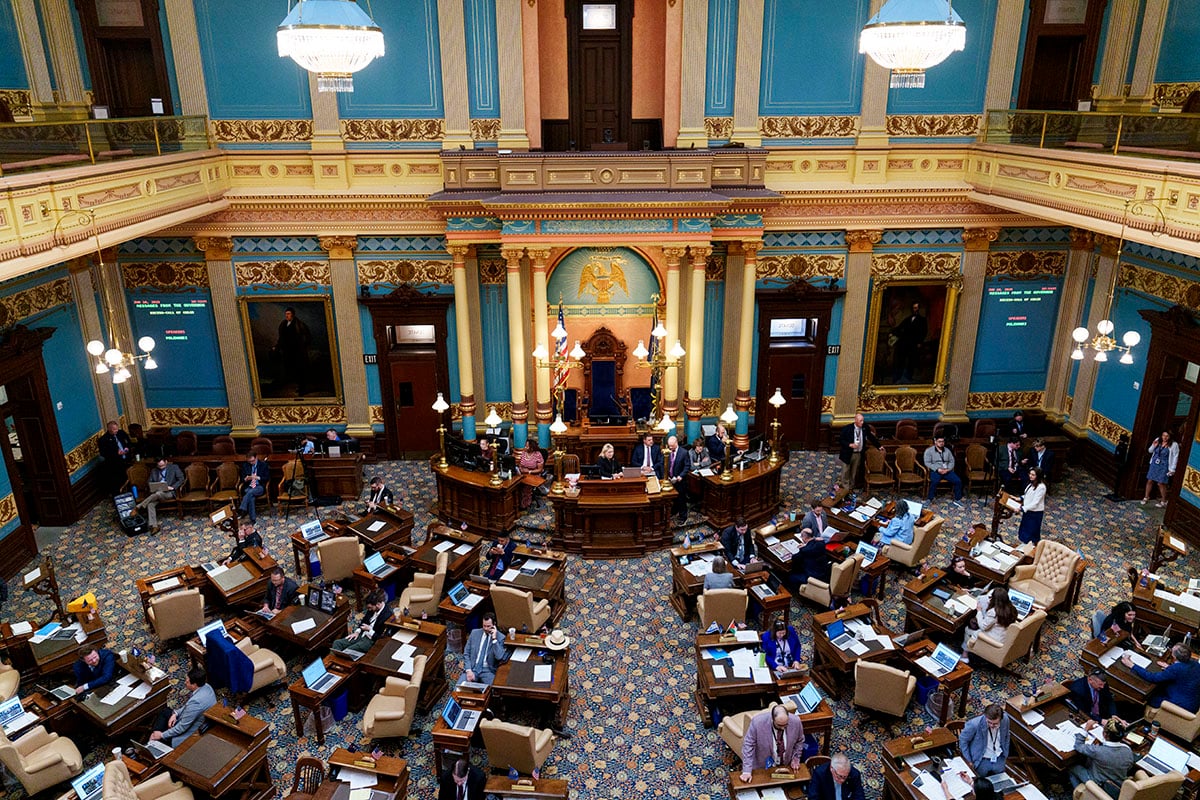
Michigan lawmakers are finalizing a $51.8 billion budget that includes funding for free school meals, nearly $2 billion for roads, and tax exemptions, with votes expected soon after a series of negotiations and approvals. The budget also features increased per-pupil funding, support for military and storm recovery, and transparency reforms for earmarks.
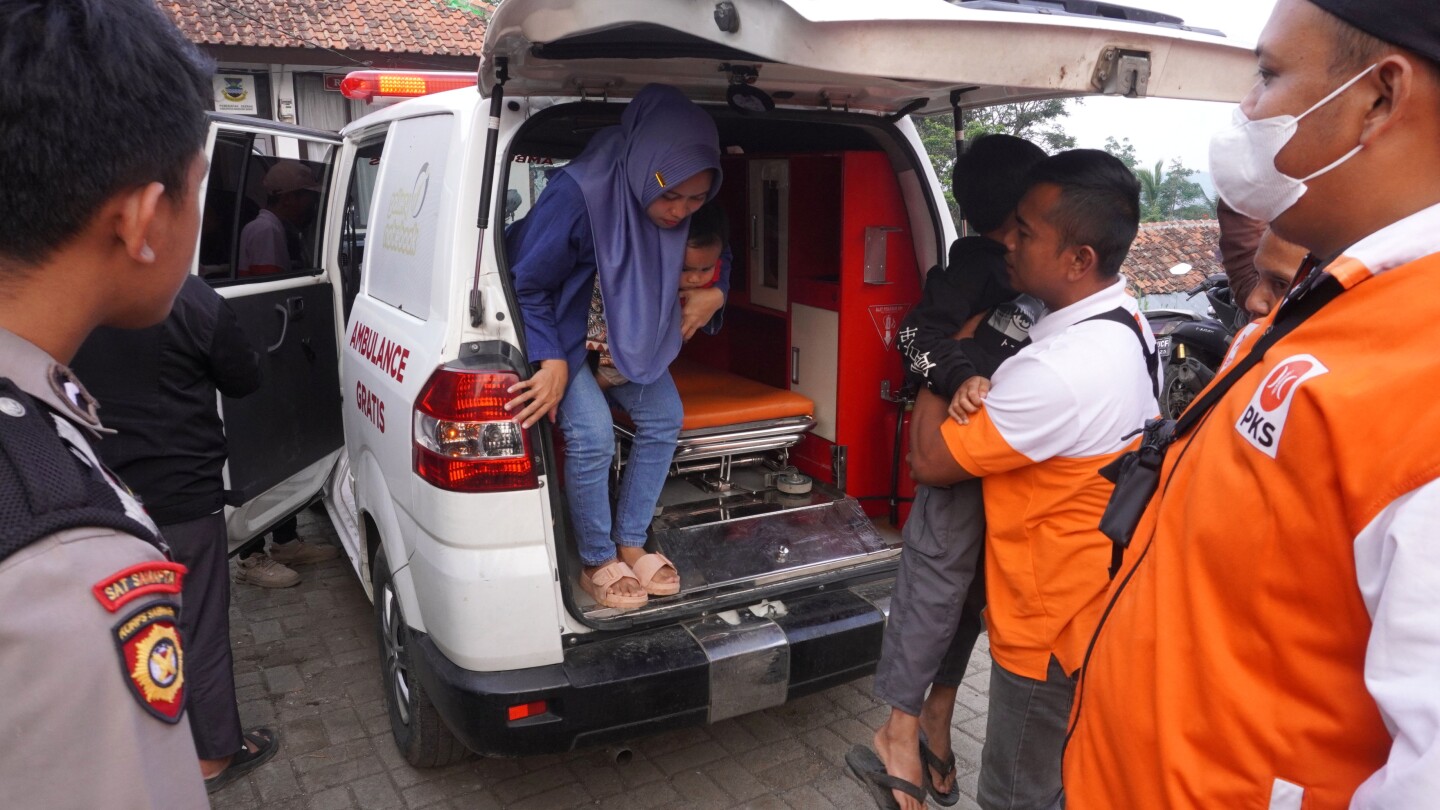
Over 5,000 children in Indonesia have fallen ill due to a food poisoning outbreak linked to a government school meal program, prompting calls to suspend the initiative and conduct a thorough review to ensure child safety.
California lawmaker Jesse Gabriel plans to introduce a bill to ban seven artificial food dyes, including those linked to hyperactivity and behavioral issues in children, from foods served in public schools. The bill, AB 2316, would also outlaw titanium dioxide, a whitening agent, and is supported by a comprehensive assessment from the state of California showing an association between synthetic food dyes and adverse neurobehavioral effects in children. The legislation aims to address the rising number of ADHD diagnoses and would go into effect at the beginning of 2025 if signed into law.
The U.S. Department of Agriculture (USDA) has expanded access to free breakfast and lunch for millions of additional students in schools serving low-income communities. The department has lowered the eligibility threshold for the Community Eligibility Provision, allowing schools to provide no-cost meals to all students. Previously, at least 40% of students' households had to be enrolled in income-based federal assistance programs, but the new rule lowers that threshold to 25%. This expansion aims to decrease childhood hunger, improve child health, and reduce the social stigma associated with reduced-cost meals. Grants worth $30 million will be distributed to rural school districts, and additional funding will be provided for equipment and Farm to School programs.
Massachusetts has implemented a program providing universal free school meals, ensuring that all students have access to nutritious meals regardless of their family's income. This initiative aims to address food insecurity and improve students' overall well-being.
Massachusetts Legislature has passed a $56.2 billion budget that includes $171.5 million to provide universal school meals to all students free of charge, a policy that was implemented during the pandemic. The bill now awaits approval from Gov. Maura Healey. Advocates believe that making free school meals permanent would be a historic victory and help end hunger for generations of students. U.S. Rep. Jim McGovern praised the inclusion of free school meals, stating that it would change lives and ensure that no child in Massachusetts has to go through the school day on an empty stomach.
Michigan is set to become one of five states in the US to provide free breakfast and lunch to all students in public schools. The move comes after many districts accumulated significant school lunch debt. The state legislature has passed a bill allocating $160 million to cover the cost of school meals, and it is expected to be signed by Governor Gretchen Whitmer in the coming weeks. This initiative aims to alleviate food insecurity among students and prevent schools from diverting funds from educational resources to pay off lunch debt.
A new study by North Carolina State University has found that artificial sweeteners, specifically sucralose, may damage DNA. While the study was conducted on rats, nutritionists suggest that it is worth considering the impact of artificial sweeteners on humans. Seattle Public Schools and the Everett School District do not use artificial sweeteners when cooking from scratch, but standards do not extend to food and drinks provided at after-school functions. Nutritionists advise parents to read labels and ask schools about the food they serve to reduce sweetened products.
Dozens of Democrats in the House and Senate proposed legislation this week that would give all students from pre-school through high school three free meals a day plus a snack regardless of income, a move they said is needed to cope with the "record numbers" of American kids who are struggling with hunger. The bill makes no mention of how the program would be funded or what it would cost. Democrats argue that by providing universal free meals to all students, the cost of providing these meals would fall.
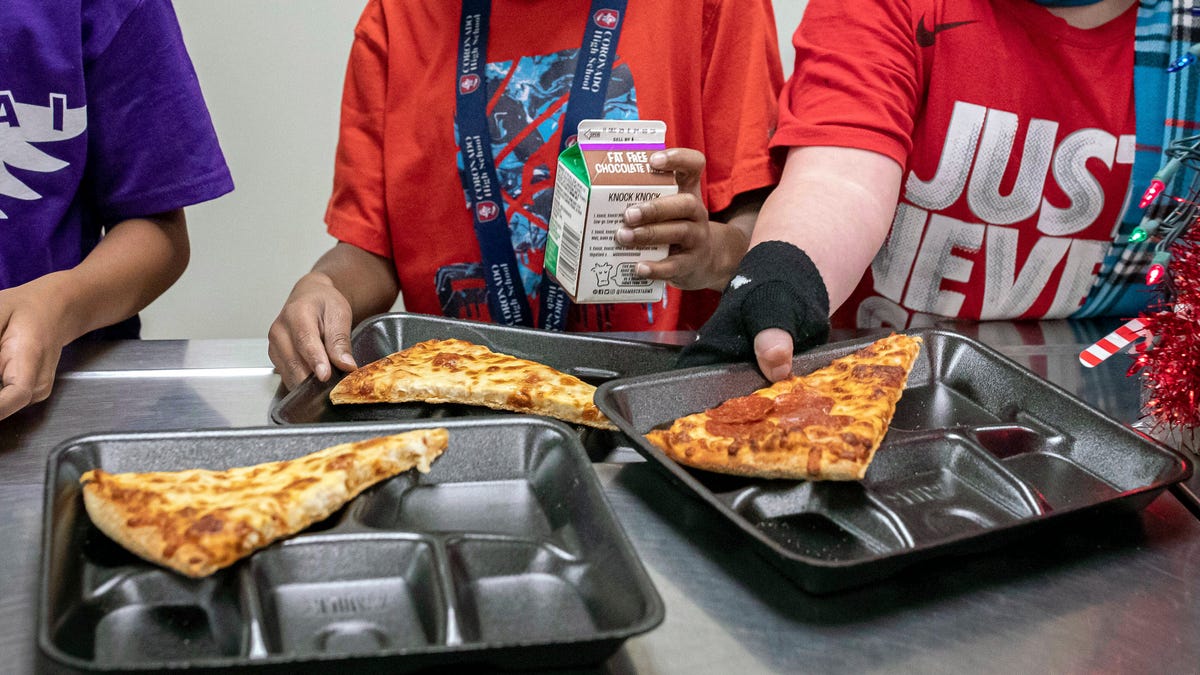
As schools ended universal free meals, meal debt is soaring, with school officials reporting levels they have never seen before. Lawmakers at the state and federal level are looking for ways to fix the growing problem, with a handful of states passing laws mandating universal free meals for students and many more considering similar legislation. The USDA recently proposed an expansion to a free meal program to feed significantly more students at high-need schools, but it doesn't increase the amount of federal funding that the school would receive.
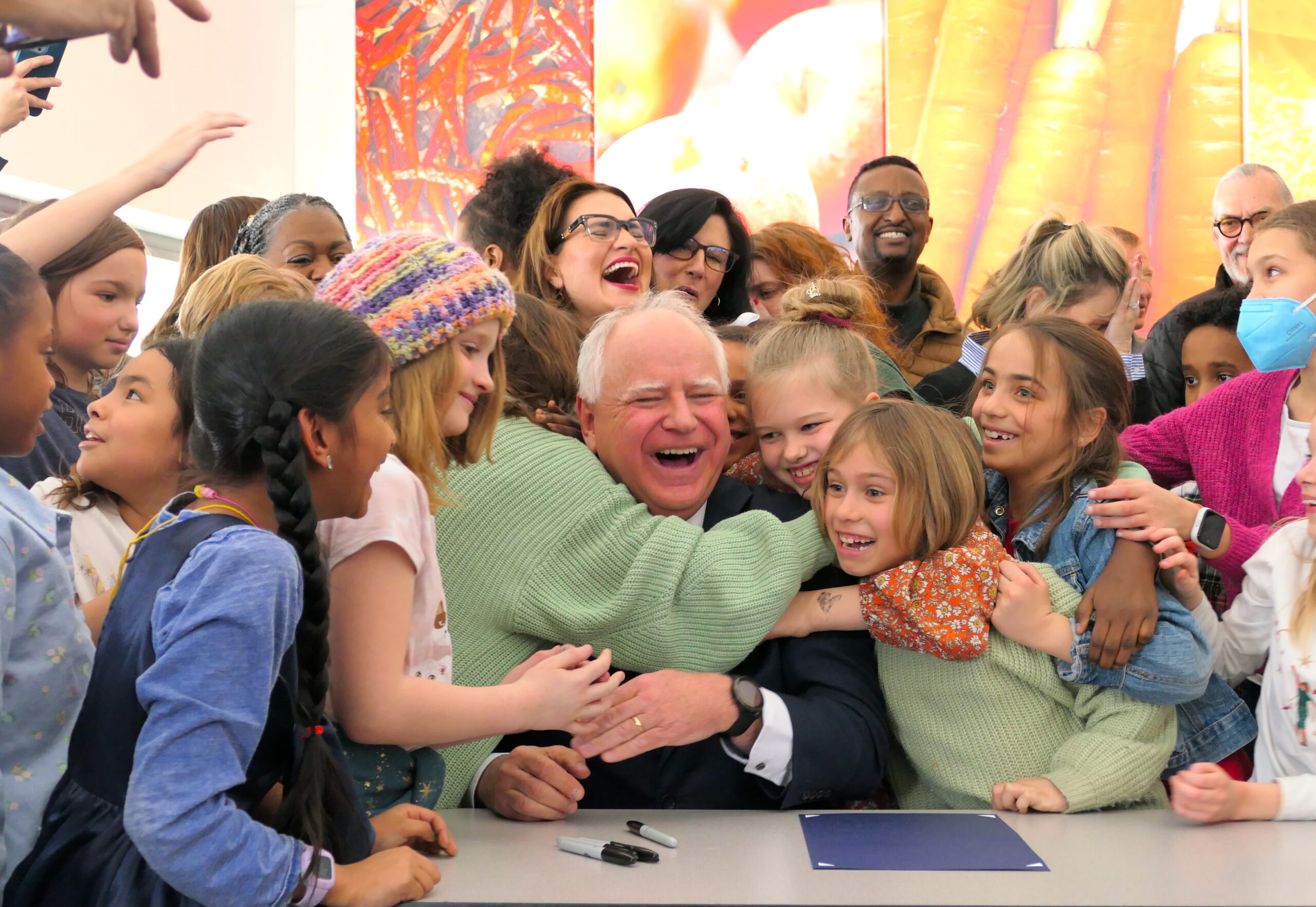
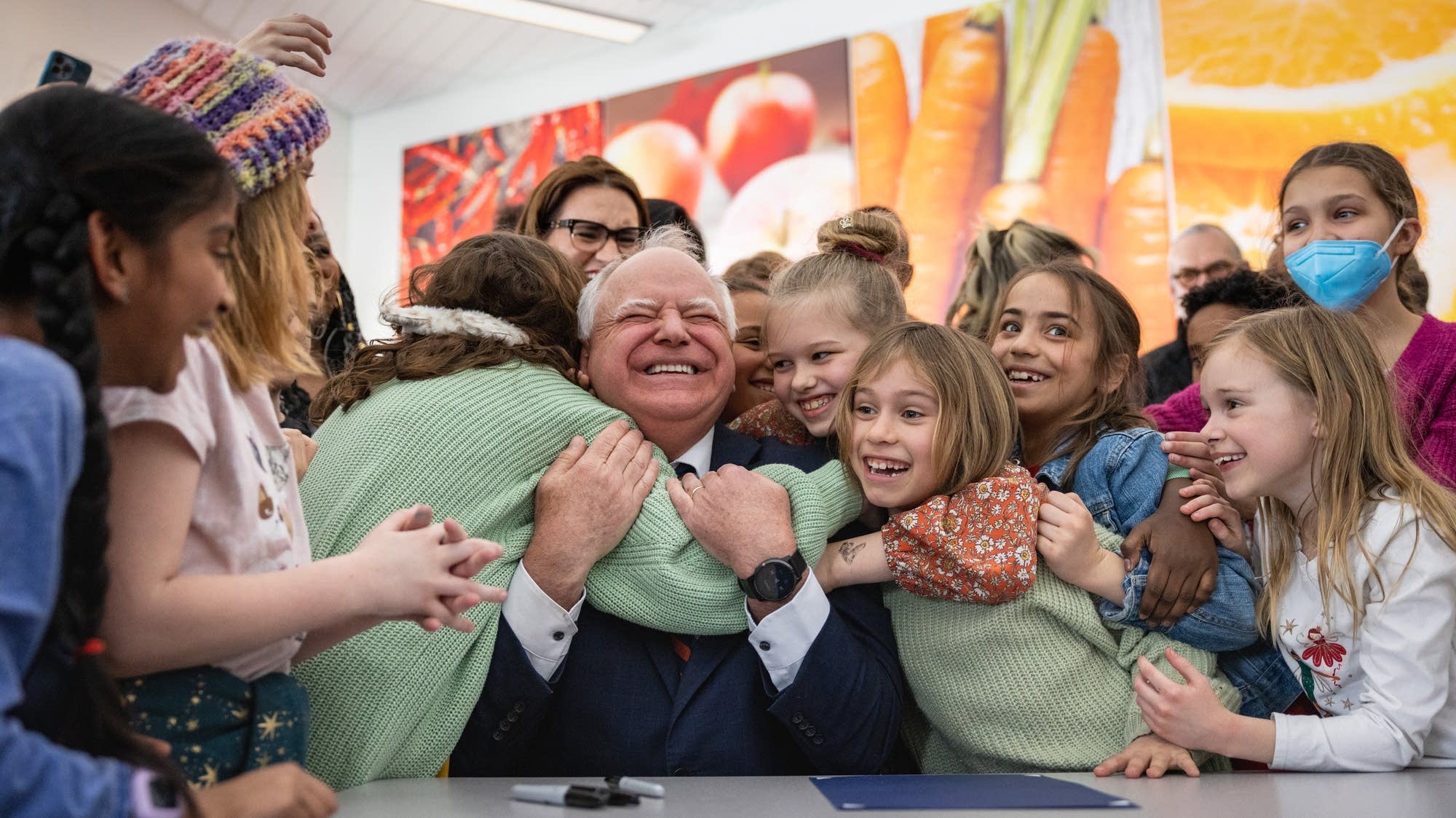
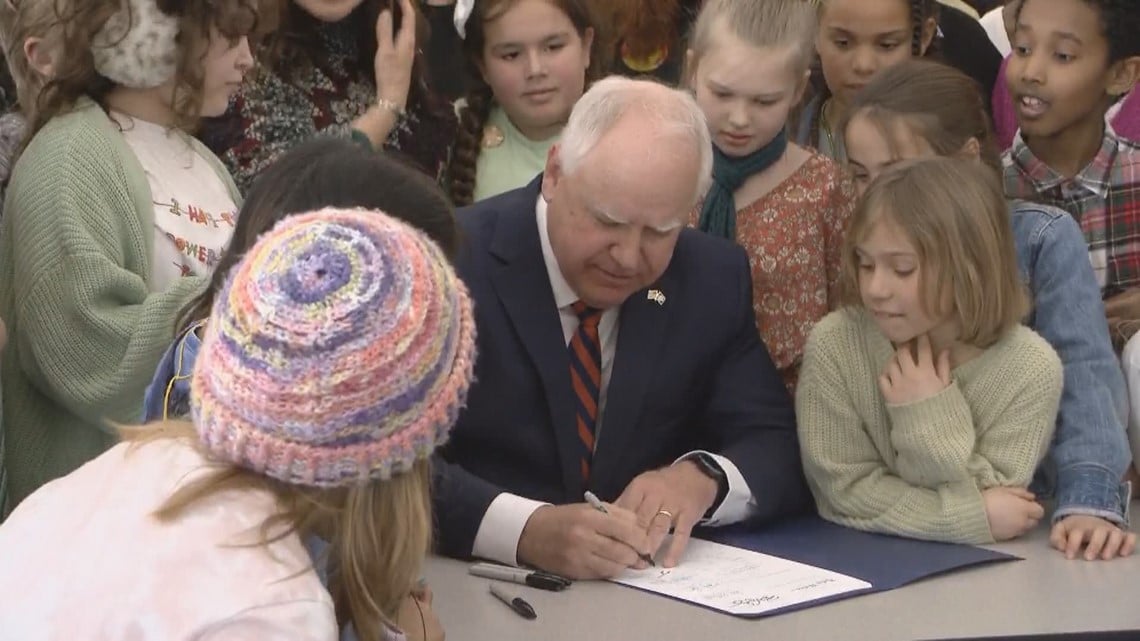
Minnesota Governor Tim Walz signed a bill into law that provides free breakfast and lunch to all eligible Minnesota students. Schools are prohibited from charging students for the remaining cost, and the state will foot the rest of the bill, which is about $200 million annually. Minnesota is now the fourth state to implement universal free meals for students. The move is expected to help address food insecurity among Minnesota children and make the state the best place to raise a child.
Minnesota Governor Tim Walz signed a bill into law that provides free breakfasts and lunches to students at participating schools, making Minnesota the fourth state in the US to do so. The program will cost the state close to $400 million in the first two years and will cover the cost of meals for all students, regardless of household income. The legislation aims to reduce childhood poverty and hunger insecurity, and prevent lunch shaming practices. The program will start at the beginning of the next academic year in September.
Minnesota Governor Tim Walz signed a bill that will provide free breakfast and lunch to all Minnesota students, making it the fourth state to do so after California, Colorado, and Maine. Nearly 275,000 Minnesota students currently receive free or reduced-price lunches, and roughly one in six children are considered "food insecure." The bill aims to remove barriers to learning and end the stigma and embarrassment of kids whose families can't afford lunch. Republican critics argued that the bill wasn't needed and that the money would be better spent on reading, writing, and arithmetic.
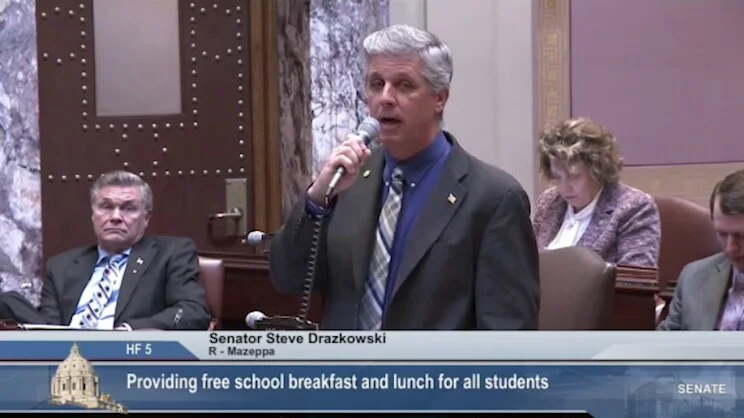
Minnesota state senator Steve Drazkowski (R) claimed during a debate on a bill to provide free school meals to students that he had never met a person in Minnesota who was hungry. However, there were 5.5 million visits to Minnesotan food pantries in 2022, according to the nonprofit Hunger Solutions Minnesota. The bill ultimately passed 38-26 in the Senate, with four Republicans joining the Democratic majority in voting yes. Critics acknowledged a food insecurity issue in the state but questioned the cost of the bill — around $200 million per year — and argued that schools had higher-priority needs.