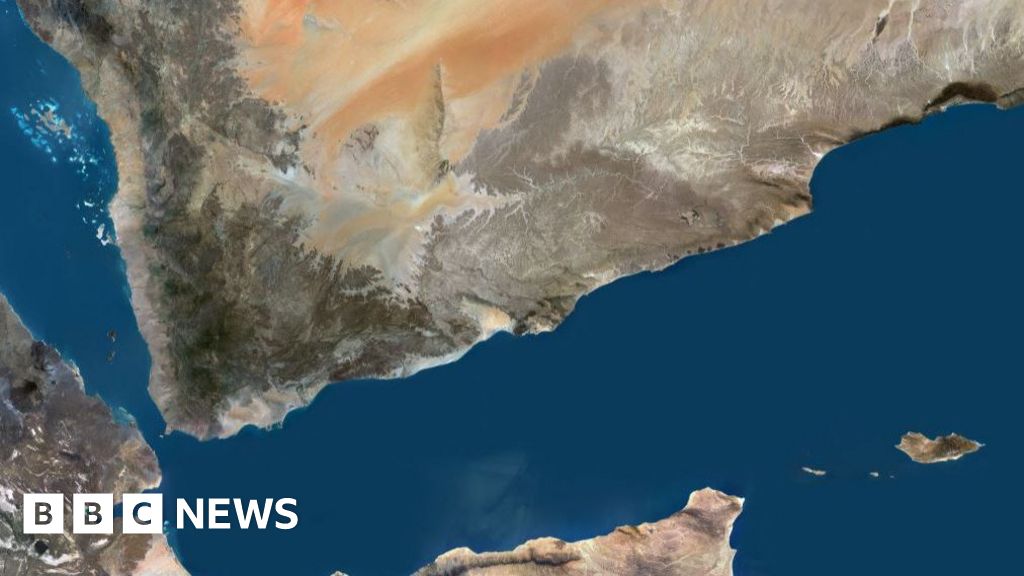
Over 50 migrants, mostly Ethiopians, died when a boat sank off Yemen's coast amid bad weather, highlighting the dangers faced by migrants traveling from the Horn of Africa to Gulf states, with hundreds having died or gone missing in recent months.
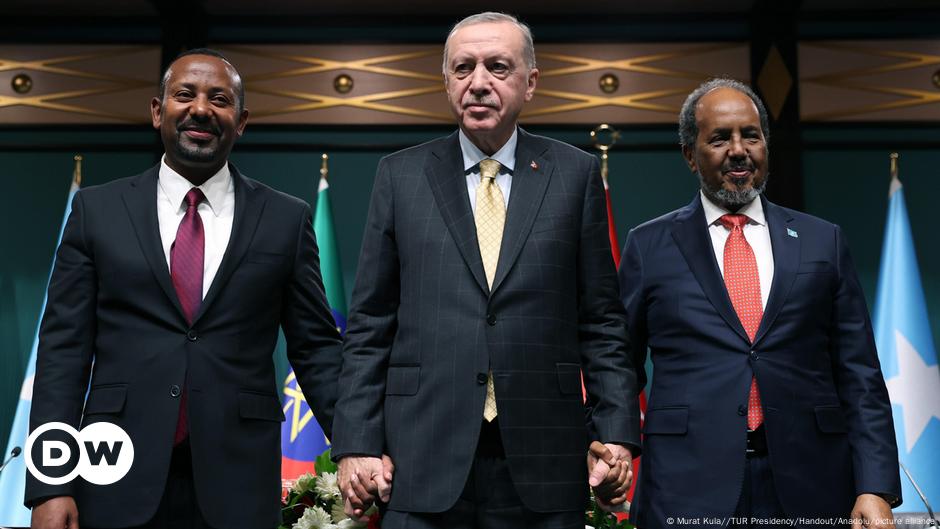
Ethiopia and Somalia have reached a historic agreement to end a year-long dispute over Ethiopia's deal with Somaliland for port access, which Somalia viewed as a sovereignty violation. The agreement, brokered by Turkey, ensures Ethiopia's access to the sea under Somalia's authority, with technical talks set to begin by February 2025. Both leaders expressed optimism for future cooperation, marking a significant step towards peace in the Horn of Africa.
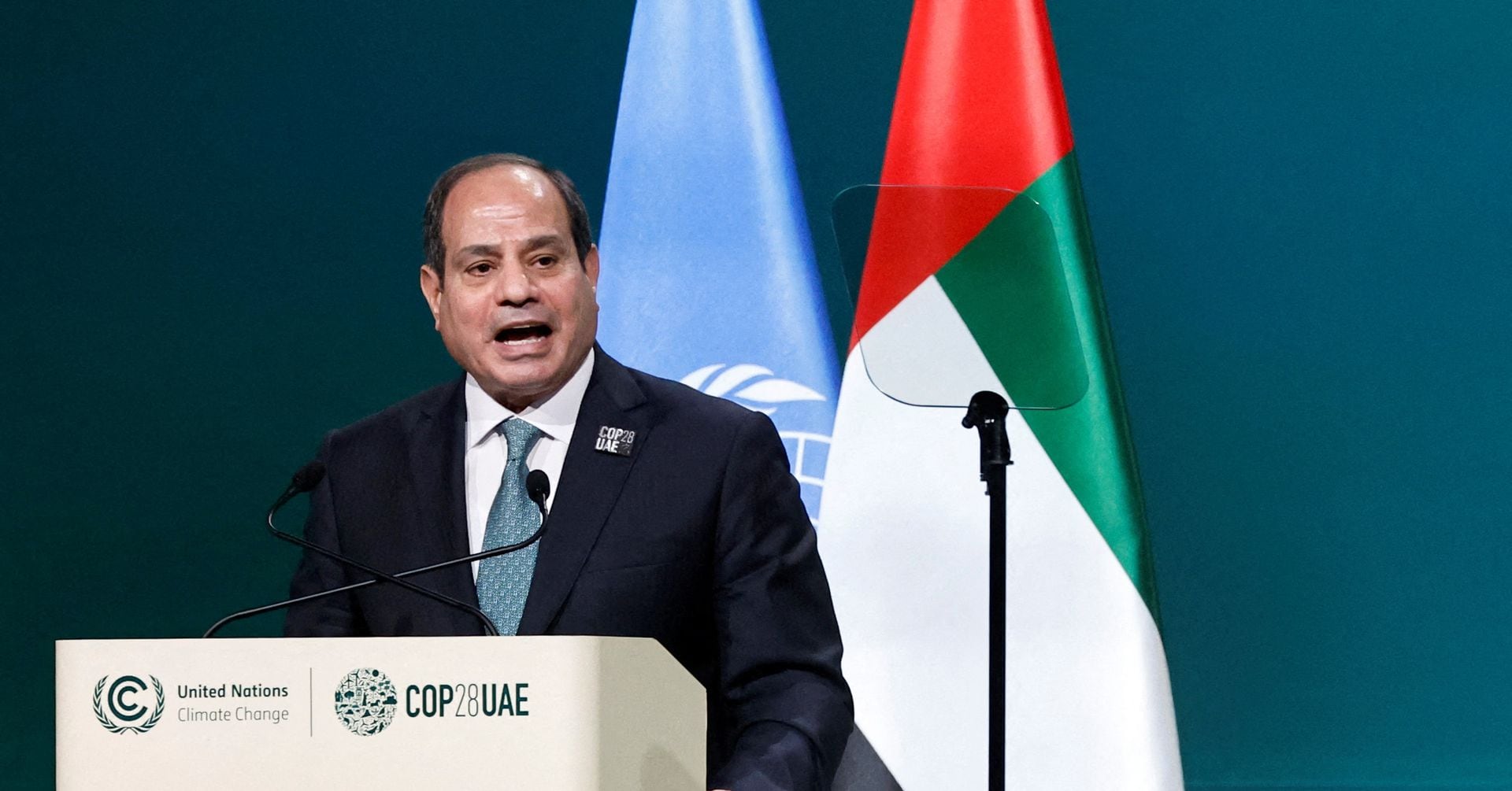
Egyptian President Sisi stated that Egypt will not tolerate any threat to Somalia's security, in response to Ethiopia's consideration of recognizing Somaliland's independence and securing a port deal. The remarks signal Egypt's potential involvement in the dispute, adding to tensions in the Horn of Africa. Sisi emphasized Egypt's support for Somalia and warned against attempts to seize land, advocating for cooperation instead. This development reflects the complex dynamics and competition for influence in the region.
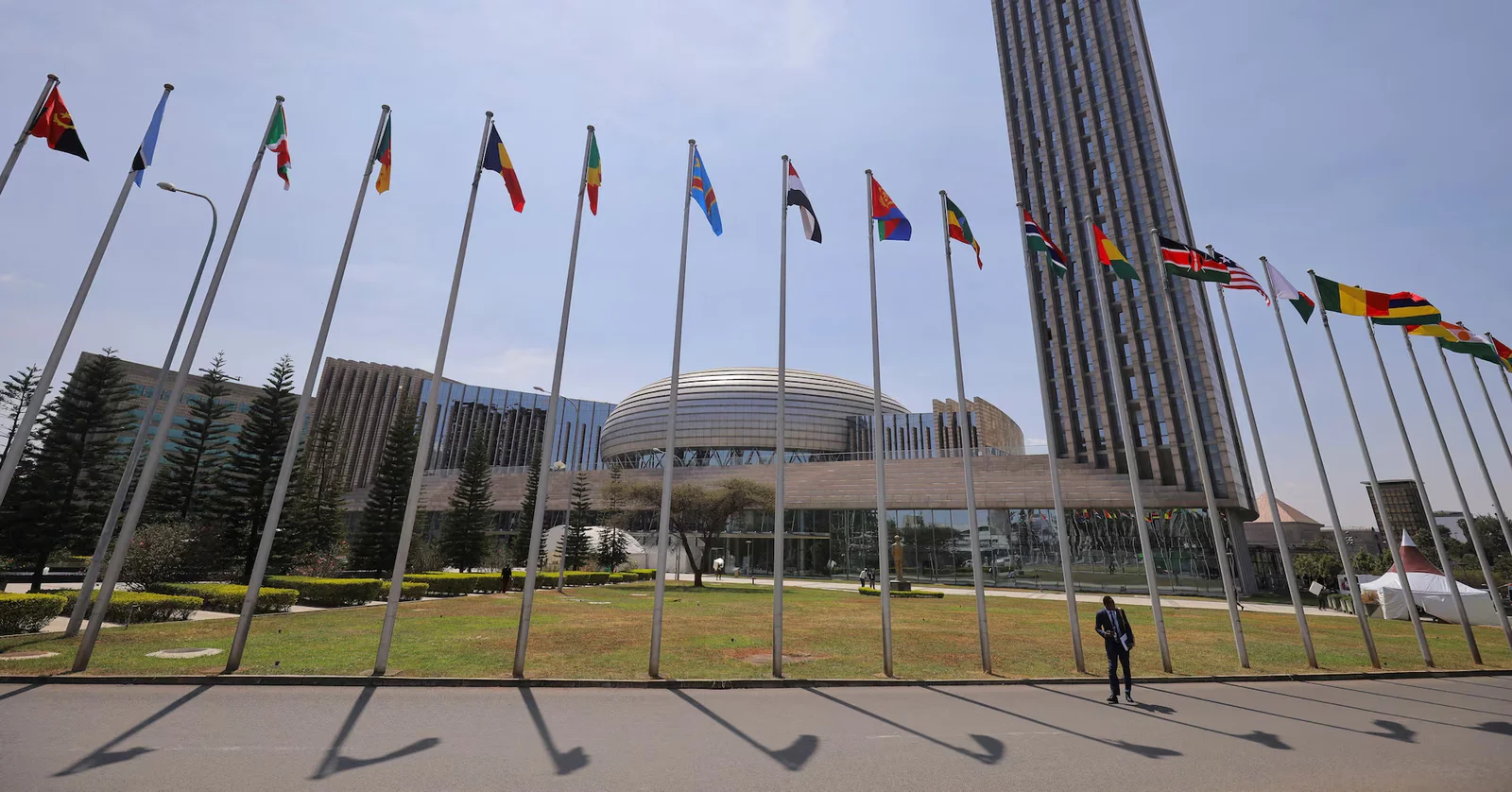
U.S. Special Envoy for the Horn of Africa Mike Hammer will travel to Uganda and Ethiopia to attend the IGAD Summit and discuss ongoing situations in Ethiopia, Somalia, and Sudan, emphasizing U.S. recognition of Somalia's sovereignty and supporting efforts to end conflict, ensure humanitarian access, promote democratic transition, and address the crisis in northern Ethiopia. He also plans to coordinate with African Union officials and urge dialogue to address political and security crises in the Amhara and Oromia regions.
The Red Sea has become a battleground for African-Arab power politics, with Arab Gulf states seeking to minimize threats and secure farmlands in the Horn of Africa, leading to proxy wars and state fragmentation. The region faces existential crises, with the African Union compromised and the United Nations retreating from peacemaking. The recent deal between Ethiopia and Somaliland, backed by the UAE, has sparked tensions with Somalia. Global powers, including the US, China, and Turkey, are vying for influence in the Red Sea Arena, while the AU and UN have failed to address the escalating conflicts and power struggles.
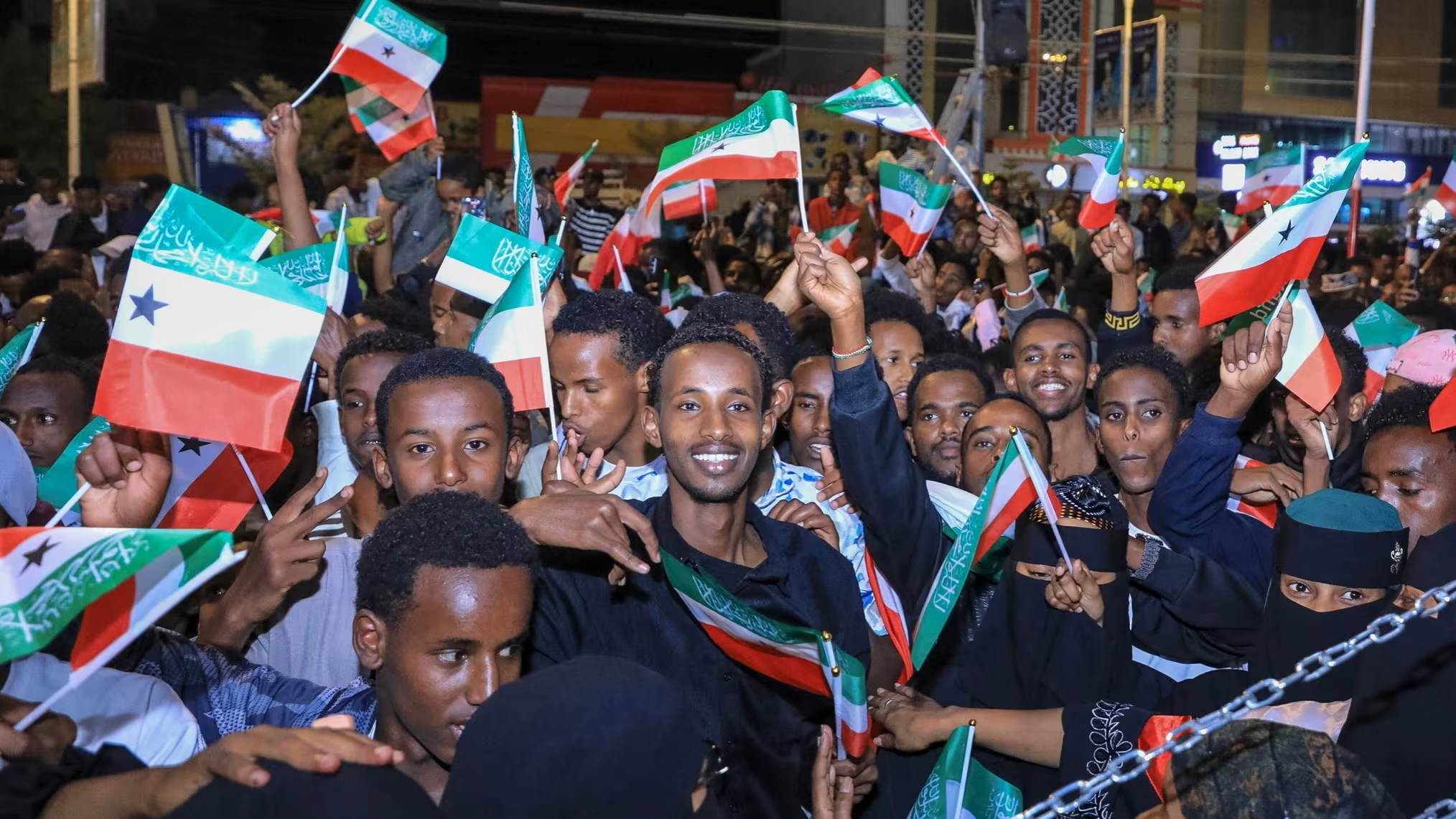
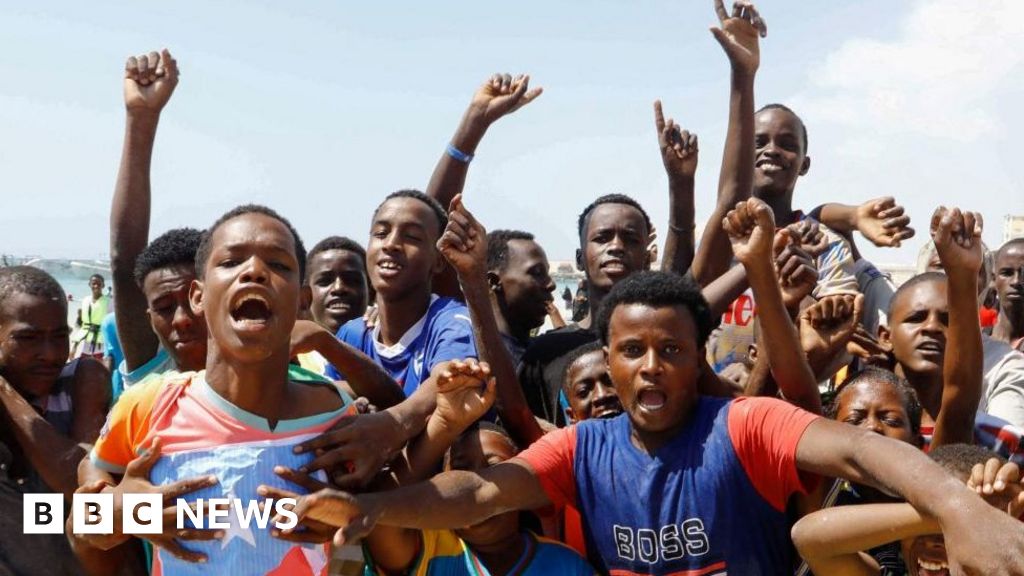
The controversial deal between Ethiopia and Somaliland, which could involve leasing part of Somaliland's coastline to Ethiopia and potentially lead to recognition of Somaliland's independence, has sparked outrage in Somalia. The exact details of the agreement are unclear, but it has raised tensions in the region, with Somalia considering Somaliland as part of its territory. The US, African Union, and other countries have called for calm and respect for territorial integrity, while Ethiopia has emphasized peaceful intentions and the need for unconventional thinking to achieve its goals.
Ethiopia and the breakaway region of Somaliland signed a deal granting Ethiopia access to the Red Sea in exchange for recognizing Somaliland's independence, sparking widespread condemnation. Somalia, the Arab League, the Organization of Islamic Cooperation, the United States, the European Union, the African Union, Turkey, and Egypt have all criticized the agreement, citing violations of Somalia's sovereignty and territorial integrity. The deal has heightened tensions in the Horn of Africa, with calls for diplomatic dialogue to resolve the issue and maintain regional peace and stability.
Ethiopian Prime Minister Abiy Ahmed's recent claim that Ethiopia has the right to demand maritime access to a Red Sea port has alarmed countries in the Horn of Africa. Abiy's confrontational language and invocation of historical claims have raised concerns about the potential for conflict in the region. His rhetoric reflects a shift away from Western powers and aligns with the assertive approaches of China and Russia in dominating strategic waters. However, Ethiopia's internal challenges, including ethnic insurgencies and political unrest, coupled with its limited military capabilities, make such a maritime stance risky and could lead to further instability in the country and the region.
The UN conference aimed at raising funds for over 30 million people in the Horn of Africa to cope with a major climate crisis and mass displacement after years of conflict raised less than $1 billion of the more than $5 billion organizers were hoping for, a major disappointment to aid agencies. The U.N. appealed for $7 billion this year to provide food and other humanitarian assistance for the three Horn of Africa countries – Somalia, Ethiopia and Kenya, and had only received $1.6 billion.
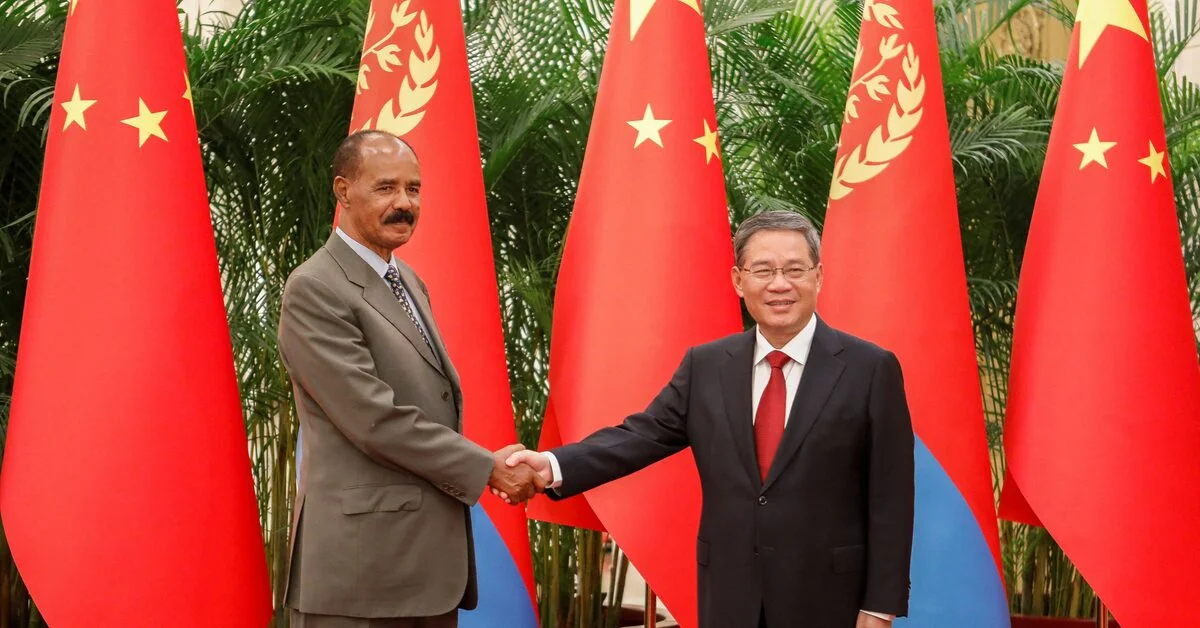
Chinese President Xi Jinping has said that strong China-Eritrea relations are key to bolstering peace in the Horn of Africa region and pursuing mutually beneficial development. Eritrea has strategic importance for China given its location on the Red Sea, one of the world's key shipping corridors. Last year China named senior diplomat Xue Bing to a newly created post of special envoy for the Horn of Africa, a geopolitically sensitive, conflict-wracked region where Beijing has significant investments.
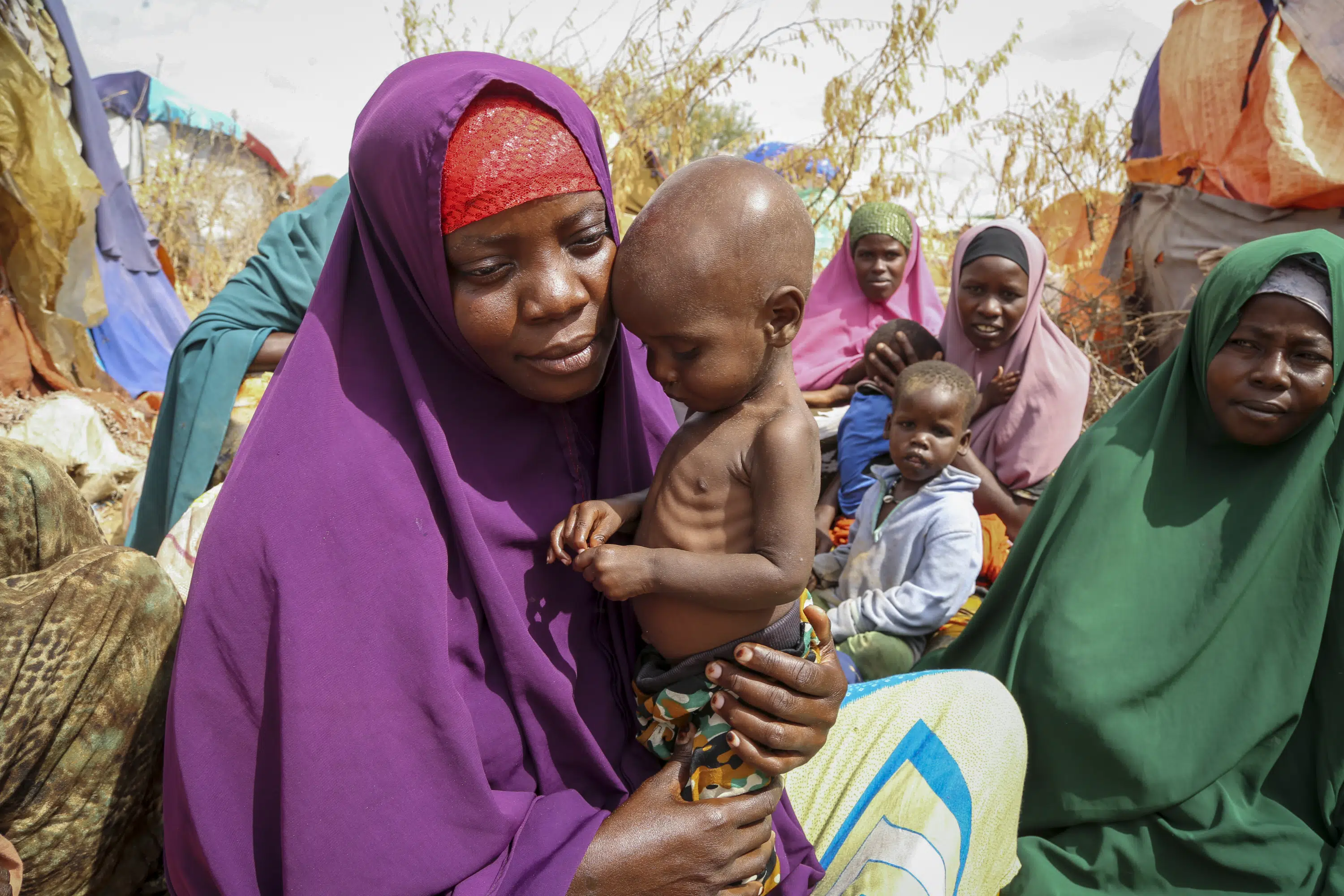
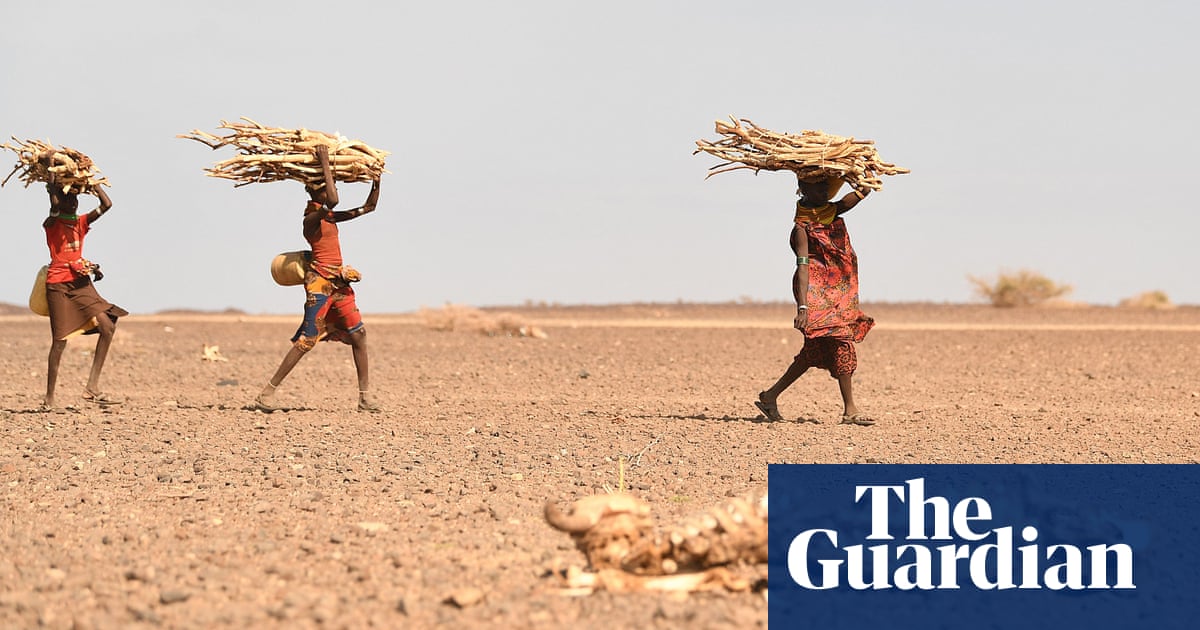
Rising greenhouse gas emissions made the nearly 3-year drought in the Horn of Africa at least 100 times more likely, according to World Weather Attribution scientists. The drought has left some 4.35 million people in dire need of humanitarian aid, with 43,000 in Somalia estimated to have died last year. Climate change has made this drought exceptional, primarily due to the strong increase in evaporative demand caused by high temperatures. Despite initial predictions of a sixth failed rainy season, the region is now receiving some rain.
The drought in the Horn of Africa, which has affected 50 million people directly and another 100 million in the wider area, would not have happened without the human-made impact of the climate crisis, according to a study by the World Weather Attribution group of scientists. The study found that the recent rainfall conditions would not have led to drought in a world that was 1.2C cooler, and that climate change had made droughts such as the current one about 100 more times likely to occur. At least 4.35 million people are in need of humanitarian assistance, and at least 180,000 refugees have fled Somalia and South Sudan for Kenya and Ethiopia, which have also been affected by the drought.
The ongoing conflict in Sudan between the armed forces and the Rapid Support Forces (RSF) could have a devastating impact on the Horn of Africa region, which is already grappling with ongoing conflicts, climate change, and a humanitarian crisis. The risk of a refugee crisis is real, and foreign powers could intervene, as has happened in Sudan's neighbors Libya and the Central African Republic. Any full-scale conflict in Sudan could also derail the already protracted negotiations over the controversial dam Ethiopia is building on the Nile, which is an essential source of water and electricity for many countries.