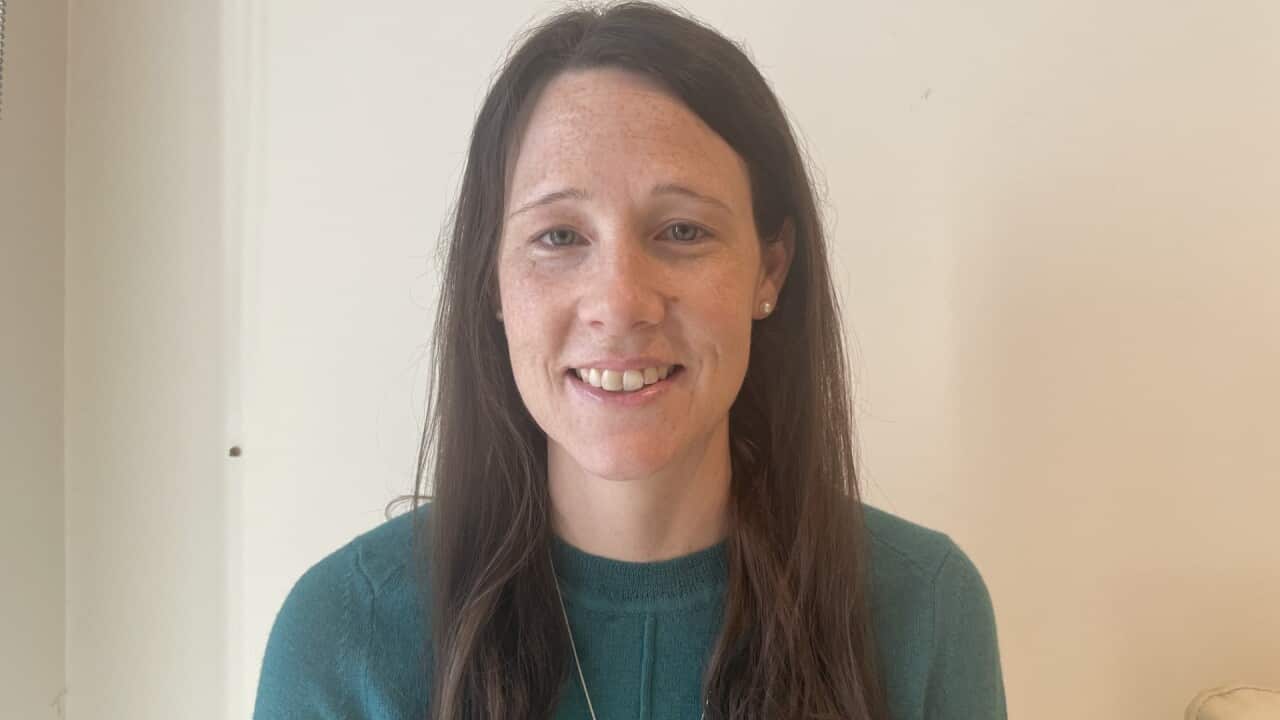
Natasha Allen, a 28-year-old who shared her battle with synovial sarcoma on social media, is remembered for her advocacy and impact on supporting young cancer patients, with a mentorship program launched in her honor and her story highlighting the importance of research and community support.
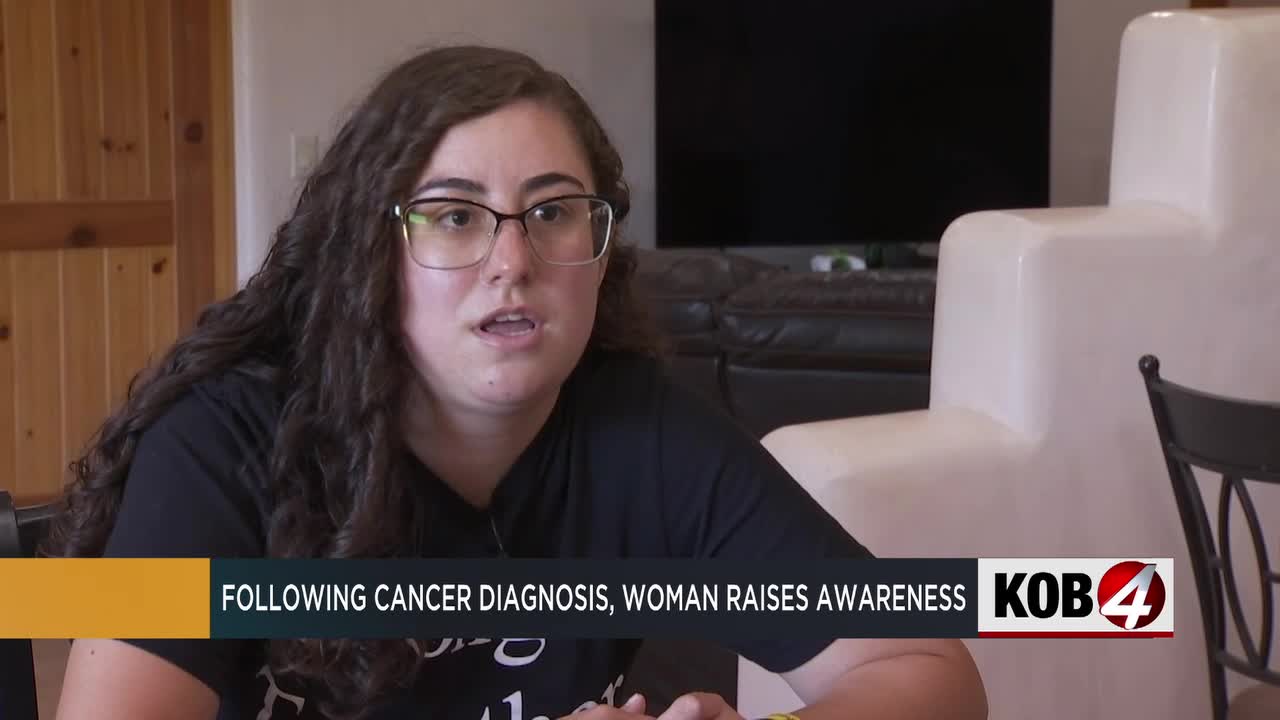
A New Mexico family is raising awareness for sarcoma, a rare cancer, after Mariah Solano was diagnosed with alveolar soft part sarcoma. Despite initial misdiagnoses, the cancer spread to her lungs, prompting treatment at MD Anderson Cancer Center in Texas. Mariah emphasizes the importance of health vigilance and continues to live life fully while undergoing treatment. The family has set up a GoFundMe to help cover medical expenses.
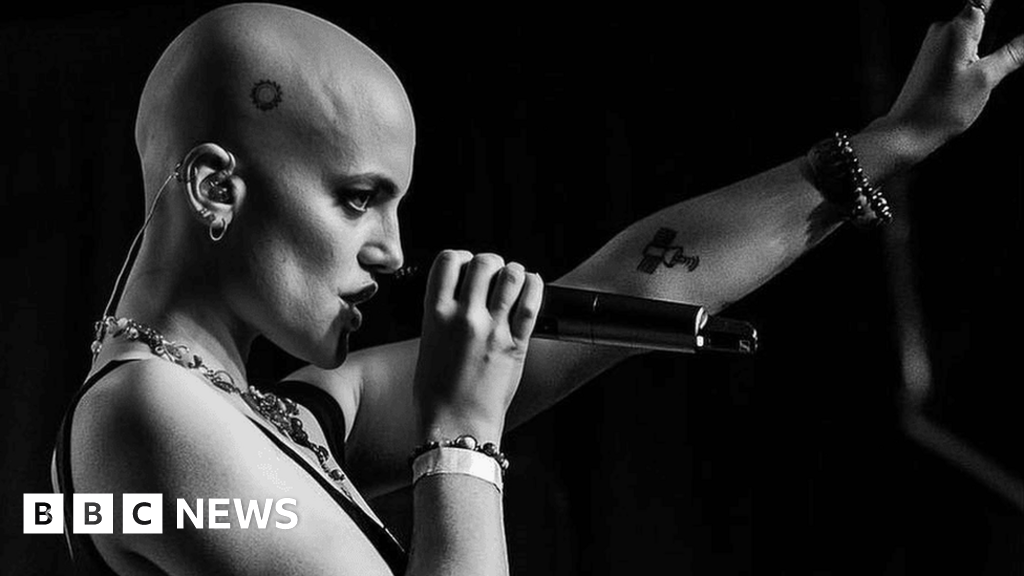
Cat Janice, a TikTok singer who gained fame for her song "Dance You Outta My Head," has passed away at the age of 31 after battling sarcoma. She continued to perform and create music even after her diagnosis, and her family expressed gratitude for the support received. Janice, also known as Catherine Ipsan, transferred the rights to her music to her son and aimed to bring joy and fun through her music. Her husband emphasized her dedication to her art and hoped her music career would be remembered beyond her battle with cancer.
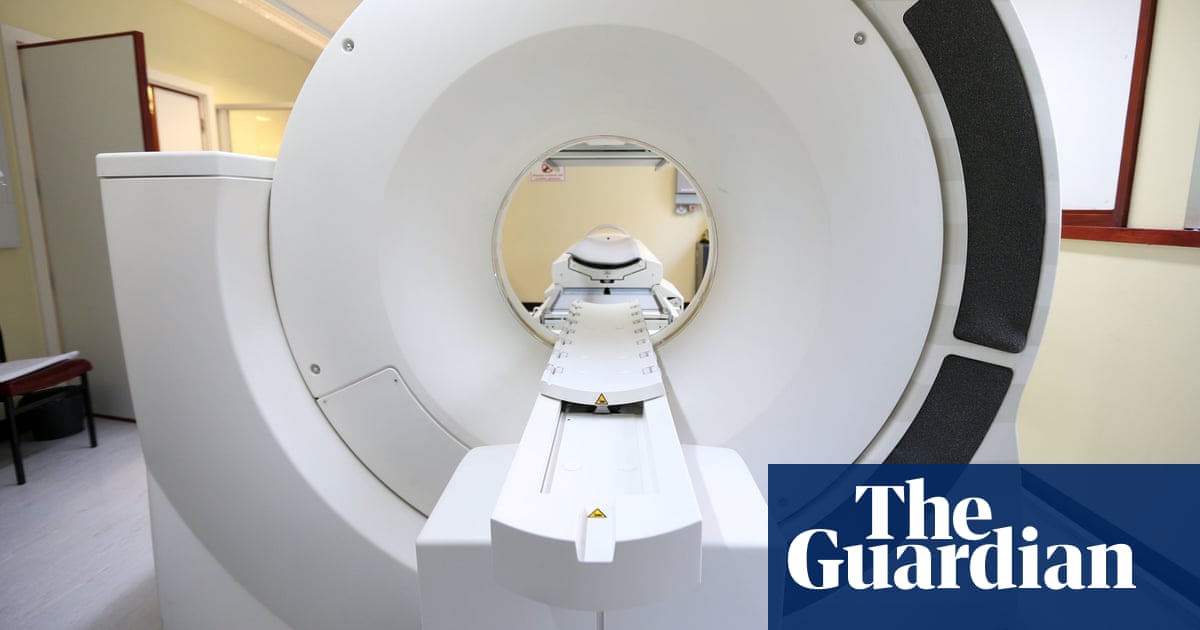
Artificial intelligence (AI) has been found to be nearly twice as accurate as a biopsy in assessing the aggressiveness of certain cancers, according to a study by the Royal Marsden NHS foundation trust and the Institute of Cancer Research. The AI algorithm was particularly effective in grading the aggressiveness of sarcomas, a rare form of cancer that develops in connective tissues. By providing clinicians with a more accurate way of grading tumors, AI could improve outcomes for patients by identifying high-risk individuals more quickly and sparing low-risk patients unnecessary treatments. The algorithm could potentially be applied to other types of cancer in the future.
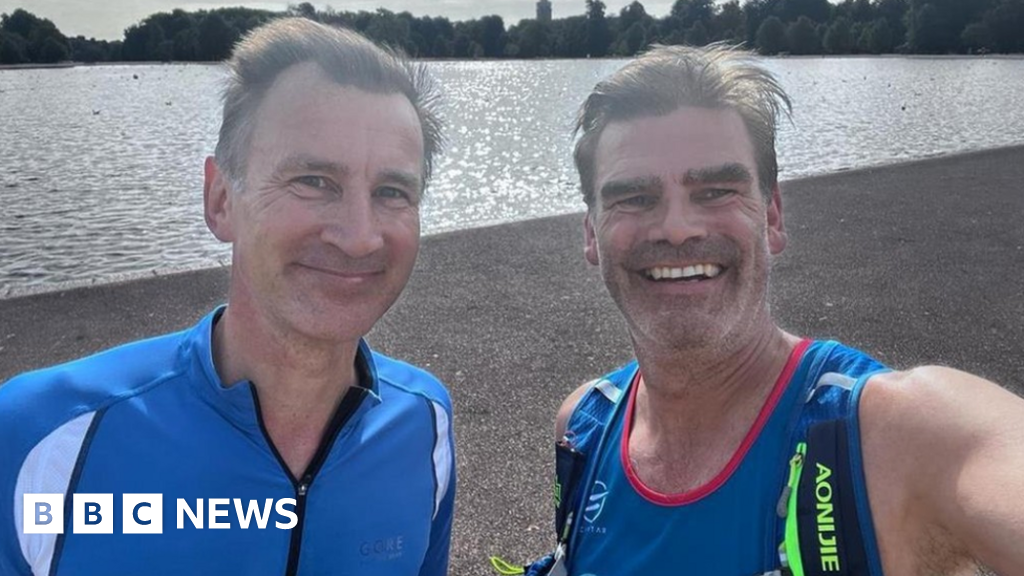
Charlie Hunt, the younger brother of Chancellor Jeremy Hunt, has passed away at the age of 53 after a three-year battle with sarcoma, a rare and aggressive form of cancer. The brothers had raised £22,000 for Sarcoma UK by running the London Marathon together. Charlie Hunt was remembered as a "lovely man and a tireless fundraiser" by the charity. Jeremy Hunt, who has also lost his parents to cancer, described the disease as "life-changing" and emphasized the importance of raising awareness and improving diagnosis and treatment for sarcoma.
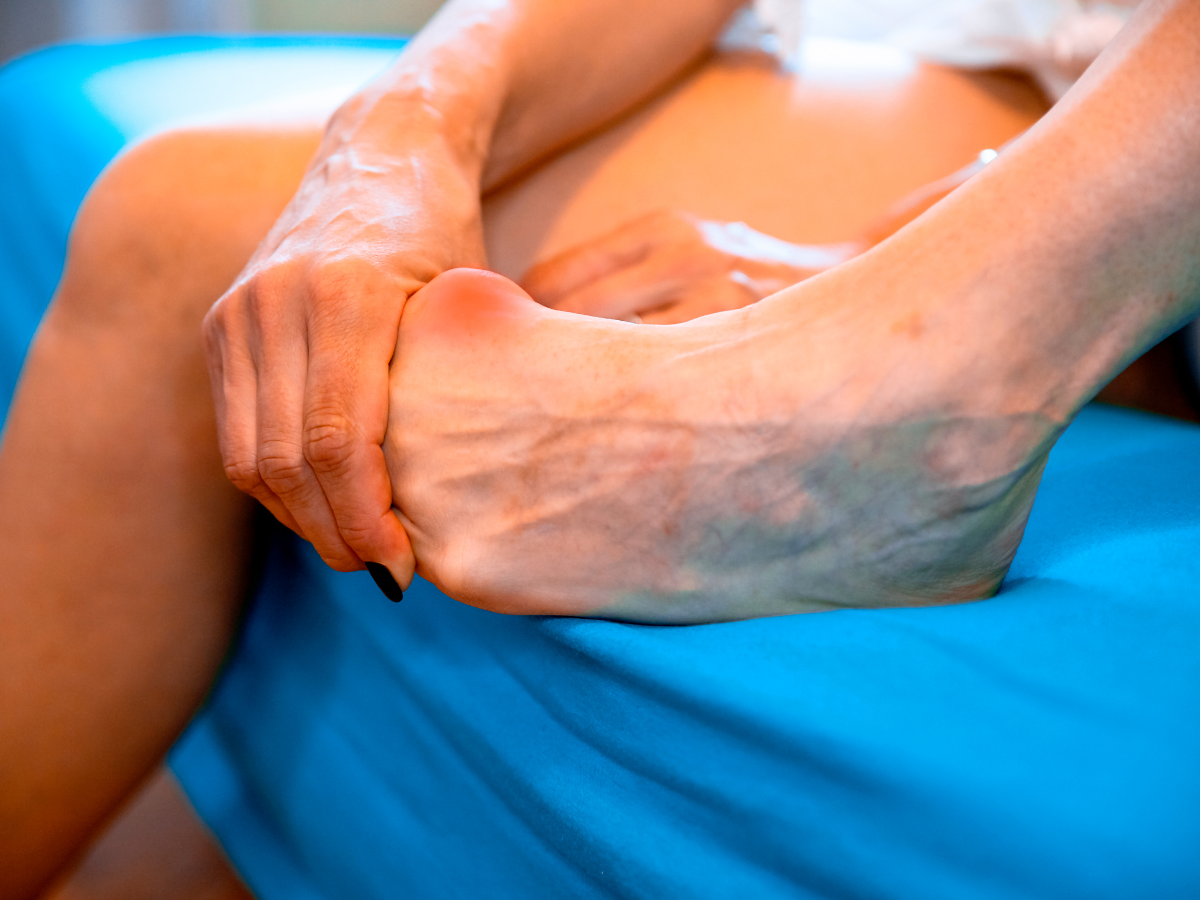
Bone cancer, a rare form of sarcoma, typically starts in the bones or soft tissues of the body. It often begins in long bones, such as leg or arm bones, but can also originate from any bone or even soft tissues outside the bone. Early warning signs include the presence of a growing lump, bone pain and tenderness, joint swelling and stiffness, unexplained weight loss, and fatigue. Diagnosis involves blood tests, imaging techniques, and a biopsy, followed by treatment options such as chemotherapy, surgery, and radiation therapy. Recent advancements in treatment options have improved outcomes and quality of life for bone cancer patients.
Bone cancer, a rare form of sarcoma, typically starts in the bones or soft tissues of the body. It often begins in long bones, such as the legs or arms, but can also originate in other bones or soft tissues. Early warning signs include the presence of a growing lump, bone pain and tenderness, joint swelling and stiffness, unexplained weight loss, and fatigue. Diagnosis involves blood tests, imaging techniques, and a biopsy, while treatment options may include chemotherapy, surgery, and radiation therapy. Recent advancements in treatment options have improved outcomes and quality of life for patients.
Stephanie Webster, diagnosed with osteosarcoma, a rare form of cancer, was given a prognosis of less than five months to live. However, she refused to give up and self-funded a targeted immunotherapy treatment usually used for melanoma or lung cancer. The treatment proved successful, and today her scans are clear. Advocates and survivors of sarcoma are calling for increased funding for clinical trials to improve treatment options for this challenging and deadly disease.
Kelly Pendry, a 42-year-old mother from North Wales, was diagnosed with stage 4 uterine leiomyosarcoma, a rare cancer of the smooth muscles in the uterus. Despite experiencing heavy bleeding and pain during periods, doctors initially thought she had fibroids and offered her antidepressants. After further testing, she was diagnosed with cancer, but her case wasn't considered urgent, and she experienced many canceled appointments. She underwent chemotherapy, but she still struggles to find someone in the U.K. who will perform surgery to remove her primary tumor. Pendry hopes to go to the United States either to participate in a clinical trial or undergo surgery.