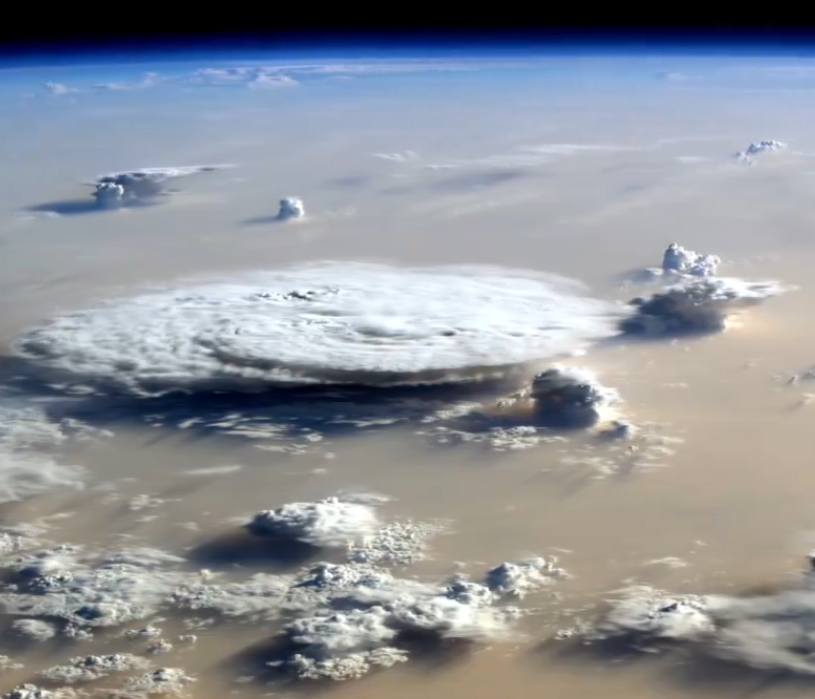
NASA's Johnson Space Center captured stunning footage of the Sahara Desert from space, showing sandstorms and cumulonimbus clouds covering the desert, giving it an "alien-looking planet" appearance. Internet users were mesmerized by the view, with one user commenting on the unique perspective it offers of Earth's diverse landscapes. The Sahara Desert, located in Northern Africa, is the largest hot desert in the world, known for its harsh climate and diverse landscapes.
India is experiencing a heatwave with temperatures reaching 40C in several states, leading to school closures and health advisories. China is facing sandstorms originating from the Gobi desert, causing air quality warnings and reduced visibility in Shanghai, South Korea and Japan. The US had short-lived but impactful storms over the weekend, with large hail and strong winds causing damage in Missouri.
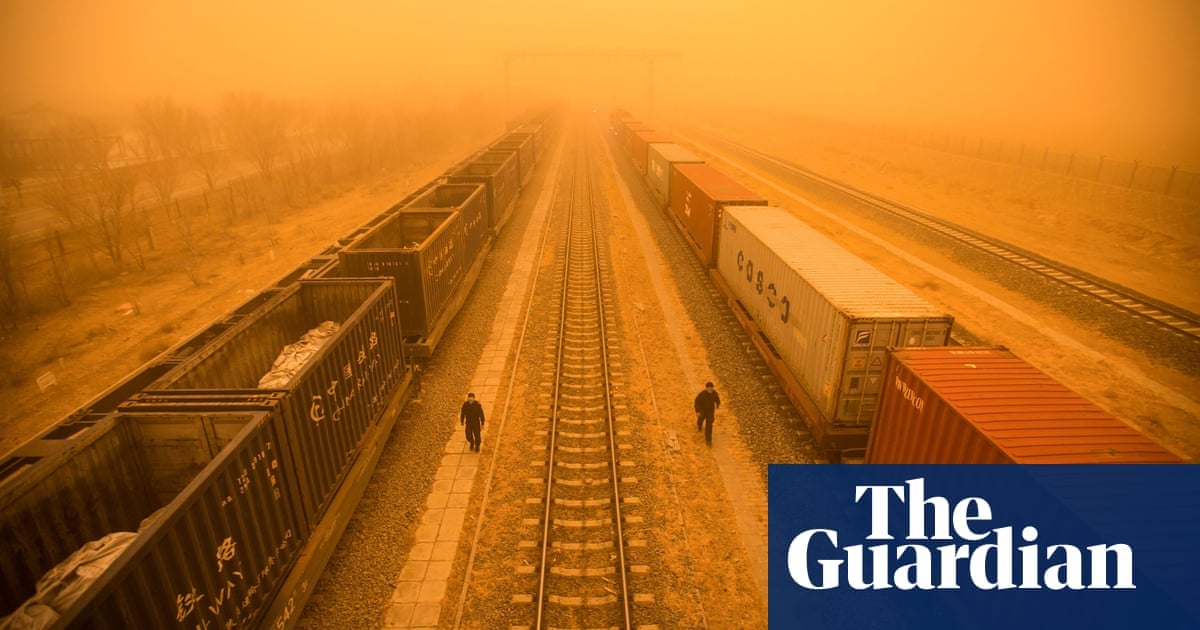
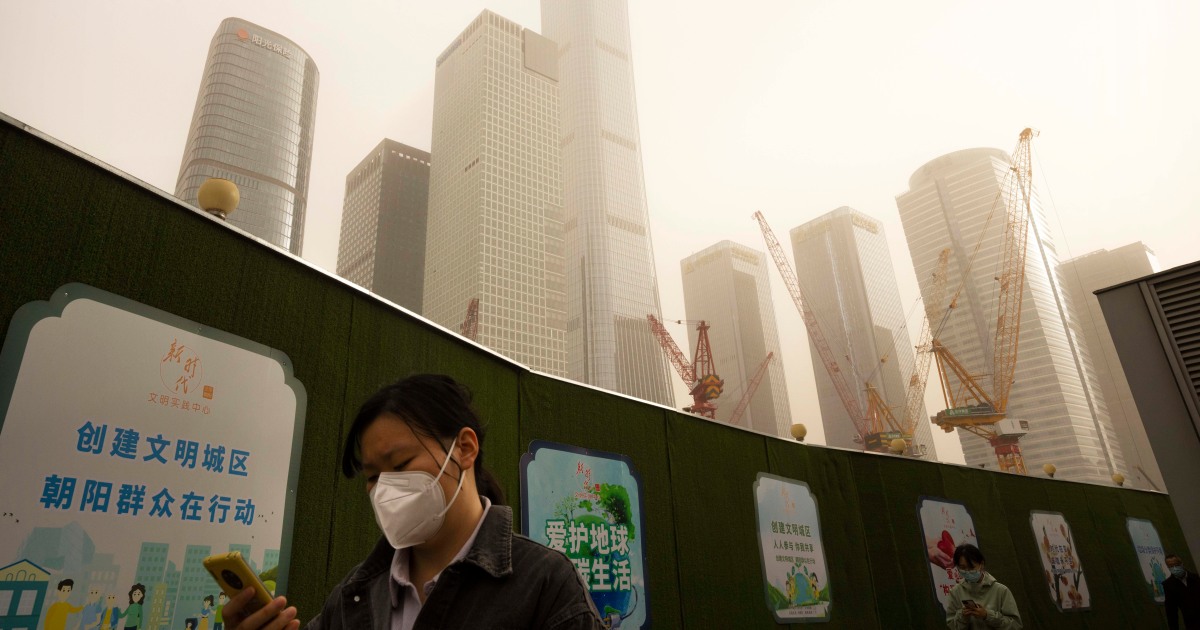
Sandstorms originating from the Gobi desert have spread across China, South Korea, Thailand, and Japan, causing reduced visibility and increased respiratory illness. China has experienced four sandstorms in a month. The sandstorms have covered cities in a yellow blanket of dust, affecting air quality and causing health concerns.
Thick sandstorms are expected to hit Beijing and several provinces in China, with forecasters issuing a blue weather alert warning for sandstorms. The concentration of fine particulates in the air in Beijing is currently 46.2 times the World Health Organization's annual air quality guideline value, posing respiratory dangers to citizens. The number of sandstorms in China has increased four times higher than in the 1960s due to rising temperatures and lower precipitation in the deserts of north China and neighbouring Mongolia.
Beijing and several provinces in China will be affected by thick, dense sandstorms that will severely affect visibility, according to Chinese weather authorities. The Central Meteorological Observatory issued yellow warning signals for several provinces, including Beijing, which has experienced sand and dust storms over the past several days, causing pollution levels to drastically increase. The city faces regular sandstorms during March and April because of its proximity to the massive Gobi desert, as well as deforestation throughout northern China.