Sudan has suspended its membership in the East African regional bloc, IGAD, accusing it of violating the country's sovereignty by inviting RSF chief to a summit. The announcement was made by the foreign ministry loyal to army chief Abdel Fattah al-Burhan, amid the ongoing conflict between the Sudanese army and the RSF paramilitary group. The government had already frozen its relations with IGAD and accused the bloc of setting a dangerous precedent. IGAD, along with the US and Saudi Arabia, had attempted to mediate between the warring parties without success.
Sudan's brutal civil war is escalating as fighting spreads to the heavily contested east, threatening to push the country further down the path of state failure. Diplomatic efforts, led by East African nations and regional bloc IGAD, aim to halt the conflict and facilitate direct talks between the warring parties. The paramilitary Rapid Support Forces (RSF) and the army are vying for control, with outside supporters arming both sides. The situation requires a major, coordinated diplomatic effort involving influential outside powers to prevent Sudan from descending into long-term state failure, which could have immense regional and global implications.
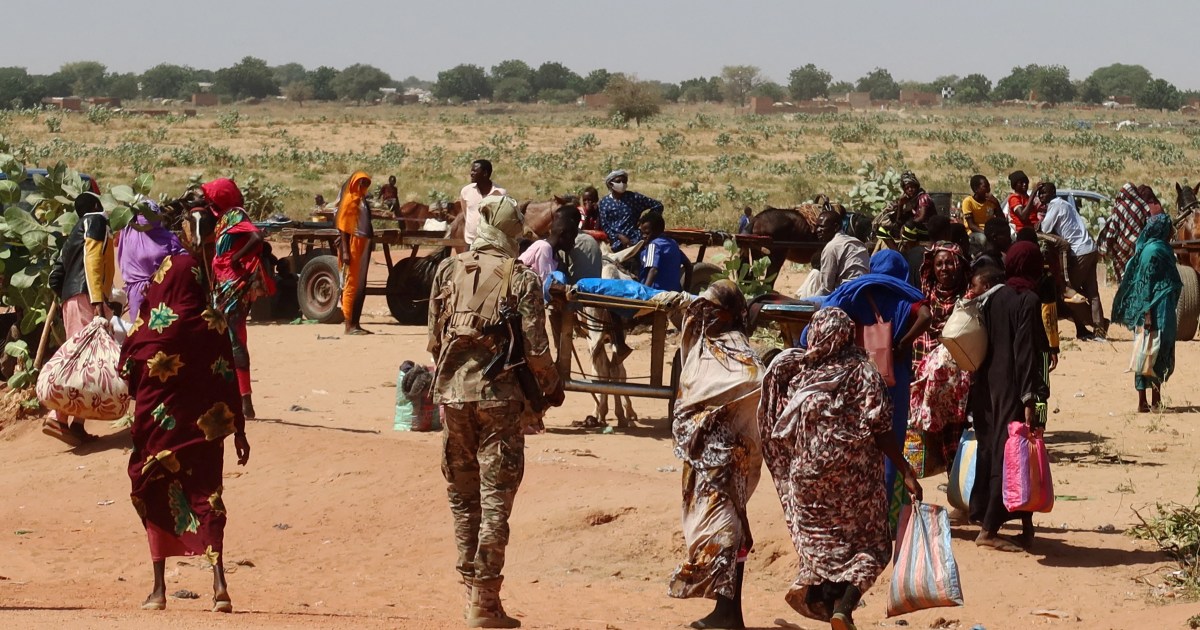
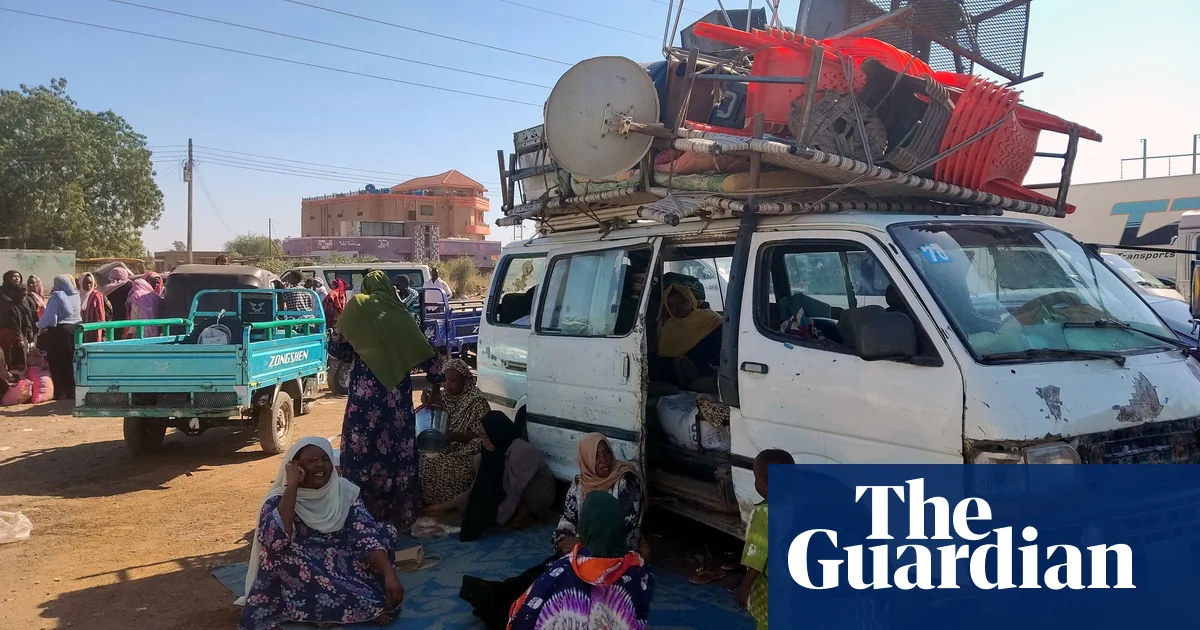
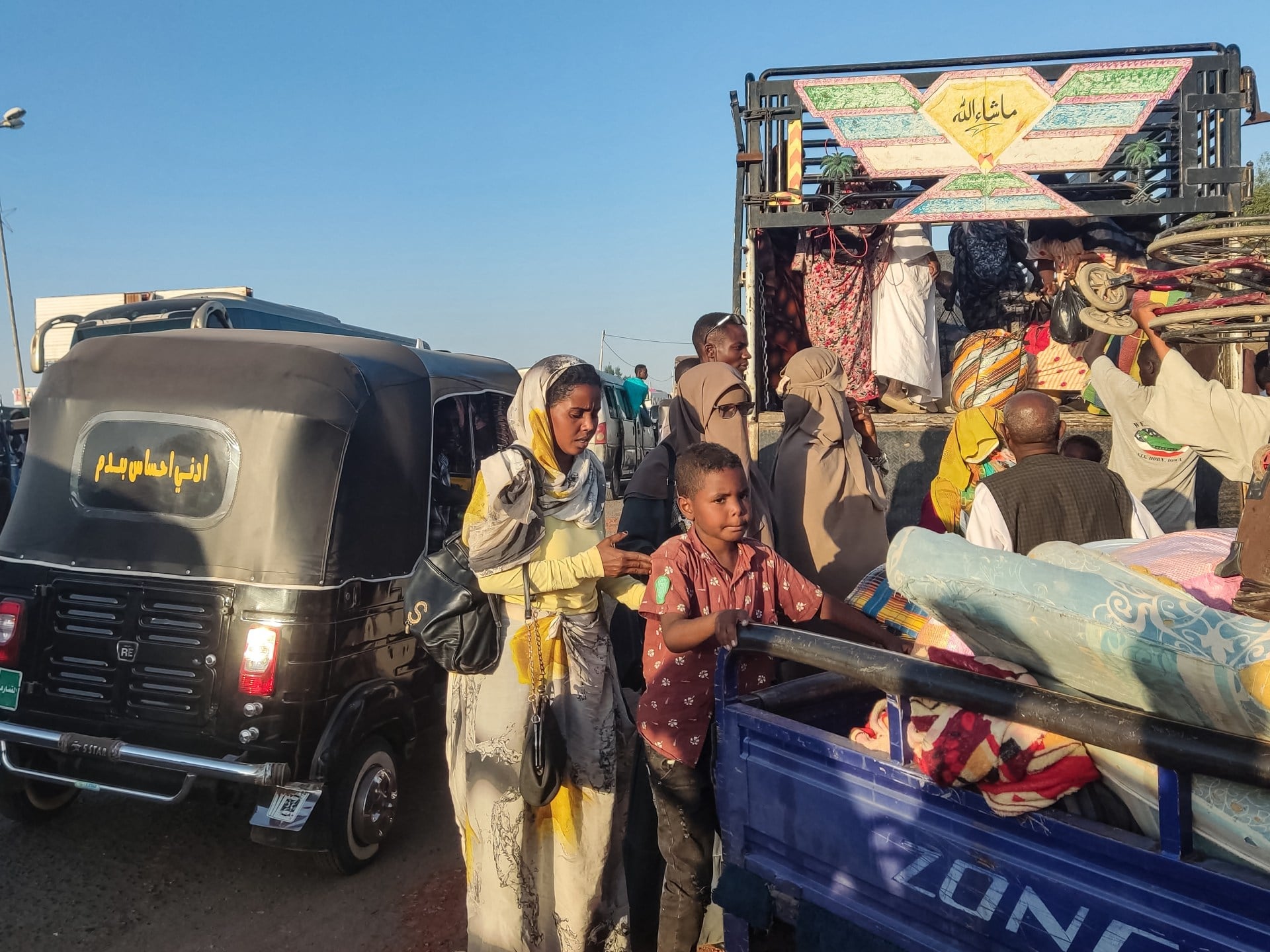
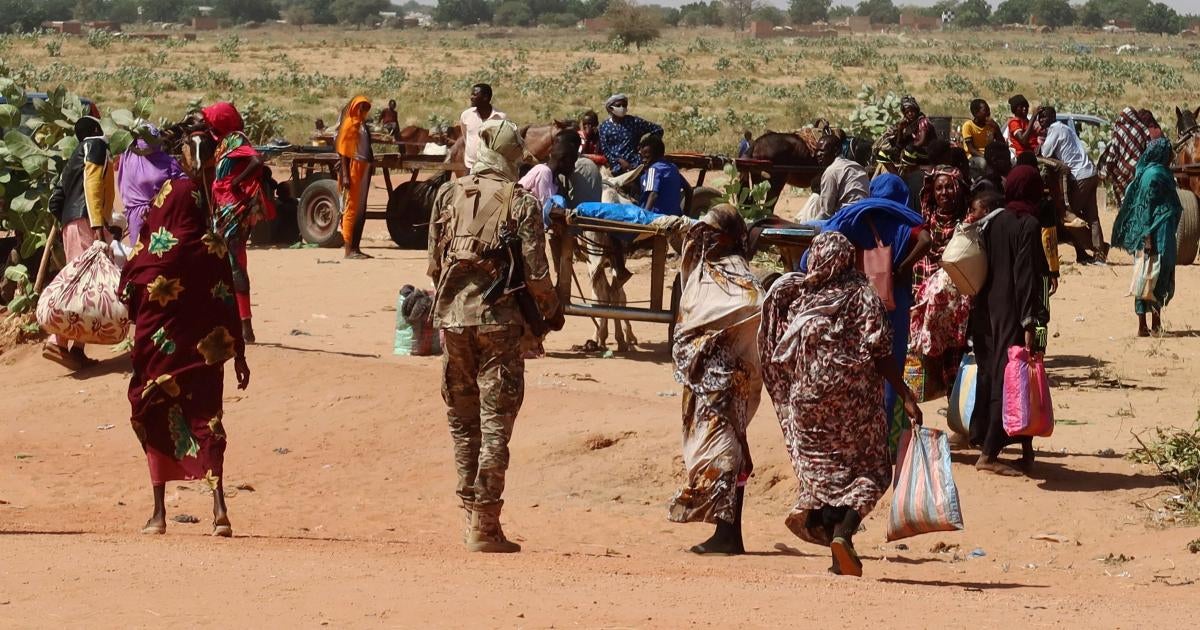
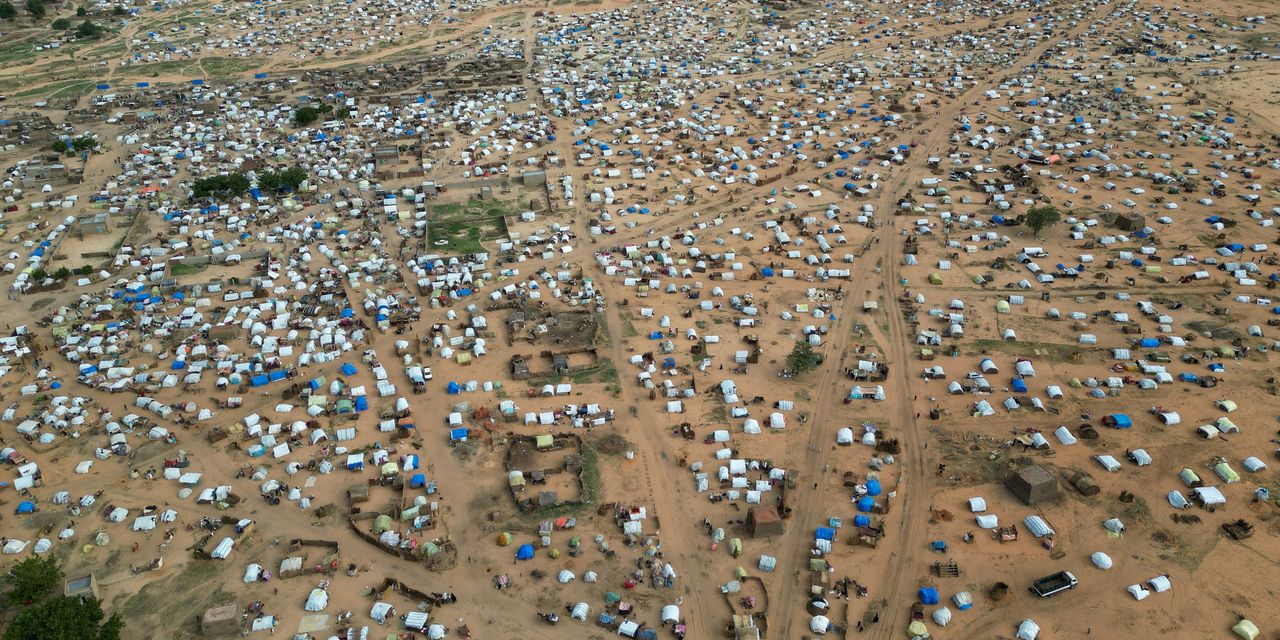
Up to 300,000 people have been forced to flee their homes in Sudan's Jazeera province after fighting broke out between the military and the Rapid Support Forces (RSF), a notorious paramilitary group. The RSF took over the provincial capital, Wad Medani, prompting a mass exodus to safer areas. The conflict has disrupted humanitarian efforts, with the World Food Program temporarily halting food assistance in parts of Jazeera. The war in Sudan has already displaced over 7 million people, with more than 1.5 million seeking refuge in neighboring countries. The RSF's takeover has raised fears of atrocities, as the group has been accused of committing human rights abuses in Darfur.
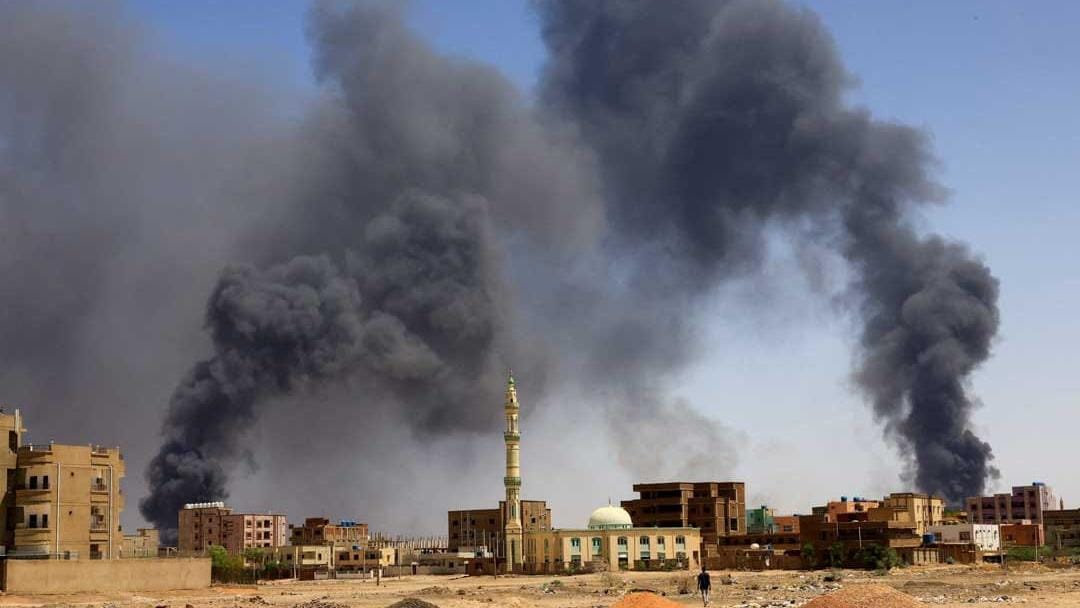
The capture of Wad Madani, a major city in Sudan's agricultural region, by the paramilitary group Rapid Support Forces has raised doubts about the strength of Sudan's army and escalated the eight-month civil war. The army's withdrawal from the city has caused thousands of people to flee once again, dealing a blow to the army's credibility. The paramilitary forces have been accused of robbing civilians and hindering their escape. Aid agencies have suspended operations, and the UN has relocated staff due to concerns of looting and worsening humanitarian conditions. The army's weaknesses, including corruption and a lack of experience in ground fighting, have been exposed. The capture of Wad Madani could lead to further attacks on major cities and potentially spark a revolt within the army. Foreign interference and a wider regional conflict are also risks.
Sudan's paramilitary Rapid Support Forces (RSF) have seized control of Wad Madani, the country's second city, after intense fighting. The RSF's advance led to looting and arrests based on ethnicity, causing thousands to flee. Aid organizations suspended their work, exacerbating the already dire humanitarian crisis in Sudan. The war between the regular army and the RSF has resulted in over 10,000 deaths and forced six million people to flee their homes. The RSF has gradually taken control of major cities, while regional efforts to stop the conflict have failed.
Thousands of displaced people have fled Wad Madani, Sudan's second-largest city, as the war between the army and the paramilitary Rapid Support Forces (RSF) reaches the city. The RSF established a base in Wad Madani, forcing already displaced people to escape. The conflict has opened a new front in the eight-month-old war, causing a humanitarian crisis with thousands seeking refuge in neighboring cities. The UN has suspended humanitarian field missions in the affected area, and the US Ambassador has called for the RSF to cease their advance to prevent civilian casualties and disruption of aid efforts.
The United States Department of State has called on the Rapid Support Forces (RSF) in Sudan to immediately halt their advance towards Wad Medani, as it threatens vulnerable civilians and disrupts humanitarian relief efforts. The RSF's actions in Gezira State have already caused mass displacements and the closure of markets in Wad Medani. The Department is also concerned about renewed fighting in El Fasher, which undermines efforts for a lasting ceasefire and endangers civilians. They urge all parties to cease firing from or near IDP camps to protect civilian lives.
The United Arab Emirates (UAE) has expelled three Sudanese diplomats in response to scathing remarks made by a Sudanese official criticizing the UAE's alleged support for the Rapid Support Forces (RSF). This marks a significant escalation in diplomatic relations between the two countries, as no diplomats have been expelled or summoned in their entire history of bilateral ties. The UAE has consistently denied allegations of supporting the RSF, and this move suggests a more assertive stance in response to the provocative statements.
Fighting between rival military factions in Sudan has resulted in mass killings and displacement, with over 12,000 people killed and 6 million displaced since April. Human rights groups have reported a massacre of around 1,300 Masalit people by the Rapid Support Forces (RSF) paramilitary group in Sudan's West Darfur region. Survivors describe RSF fighters going house to house, killing men and even women and young girls. A top Sudanese general has accused the United Arab Emirates of arming the RSF. Other regional powers, such as Egypt and Saudi Arabia, are also suspected of providing support. The international community, including the UN Security Council, is being urged to take action to address the conflict and hold responsible parties accountable.
The Rapid Support Forces and their allied militias have been accused of killing hundreds of civilians, looting, assaulting, and unlawfully detaining members of the Massalit community in West Darfur's El Geneina. The United Nations Security Council is urged to strengthen the UN's presence in Sudan to prevent further atrocities and protect civilians in Darfur. Satellite imagery and witness testimonies indicate a campaign of ethnically targeted killings, shelling, and looting. The international community is called upon to impose targeted sanctions, expand the arms embargo, and support accountability efforts to address the gravity of the situation and protect civilian populations.
Sudan's Rapid Support Forces (RSF) paramilitaries have been accused of carrying out a genocide in west Darfur, targeting the Masalit ethnic group. The RSF fighters have been rounding up and killing people, burning down homes, and forcing survivors to bury the dead. Satellite imagery and videos have provided evidence of attacks on civilians. The RSF, led by Mohamed Hamdan Dagalo, has been in conflict with Sudanese Armed Forces (SAF) loyal to General Abdel Fattah al-Burhan, resulting in thousands of deaths and millions displaced. The RSF now controls most of the Darfur region. The UN warns of a potential repeat of the Darfur genocide in the 2000s, with a cycle of violence and complete lawlessness. The RSF denies responsibility for the violence. The conflict has created a humanitarian crisis, with shortages of water and medication, and displacement of people in El Fasher.
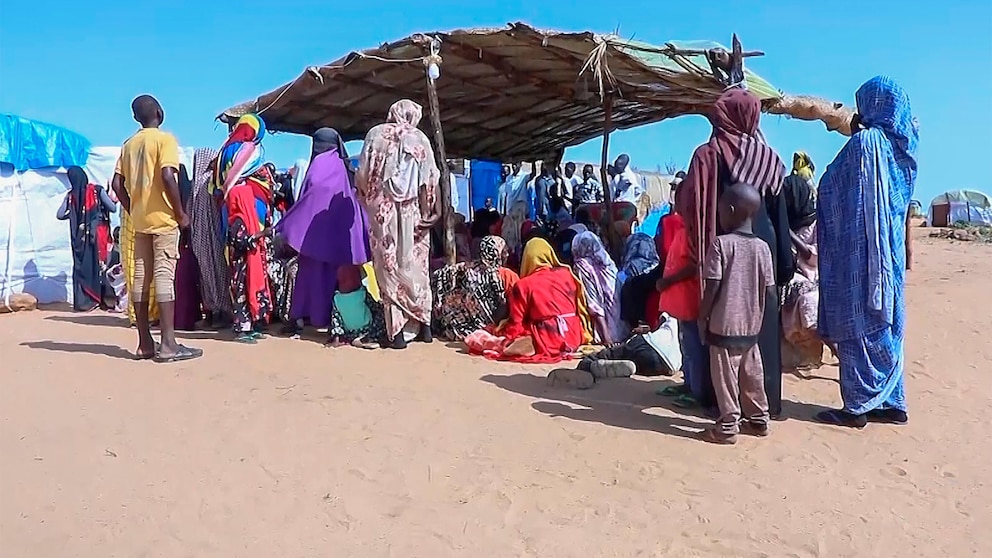
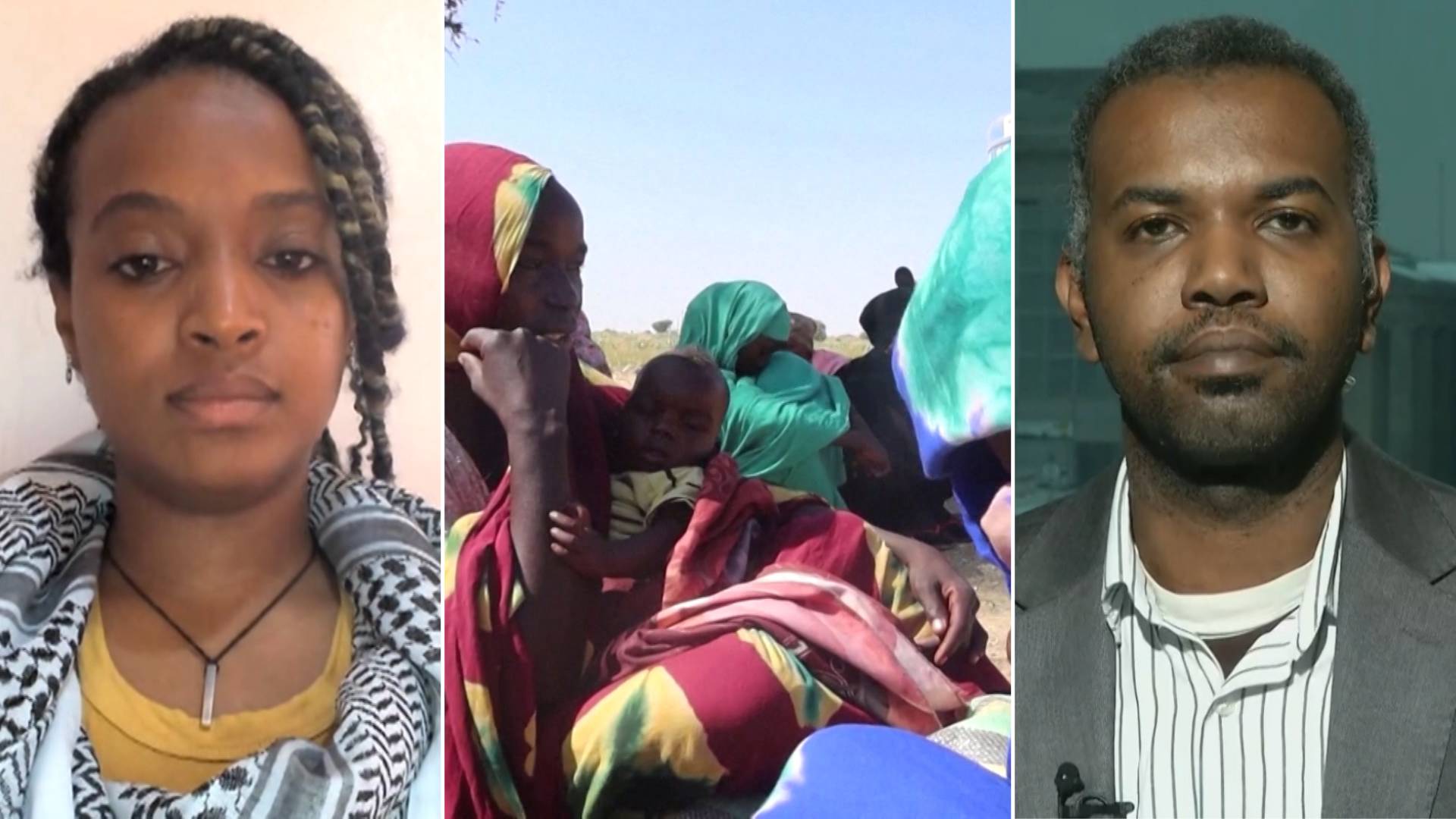
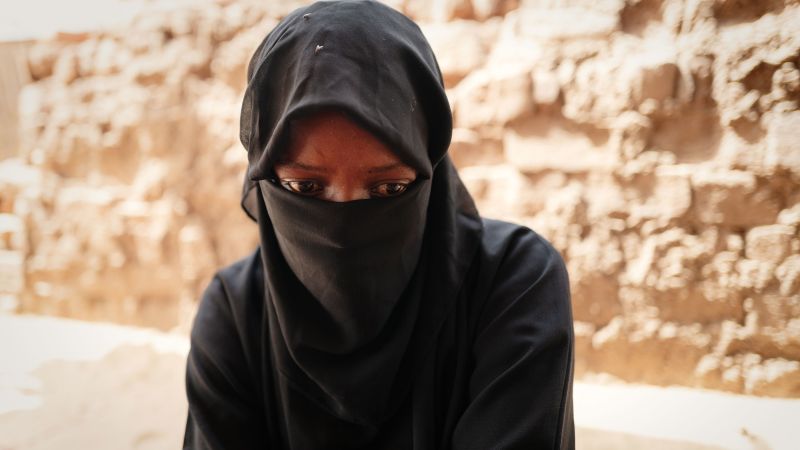
A refugee from El Geneina in Sudan describes alleged ethnic cleansing and violence perpetrated by the paramilitary Rapid Support Forces, prompting thousands of people to flee to neighboring country Chad. The refugee claims that the perpetrators have vowed to eliminate all black individuals from the area.
The Rapid Support Forces militia, dressed in their distinctive sand-colored uniforms, killed hundreds of men and teenage boys over three days in a Darfur refugee camp in Sudan. The militia systematically targeted male residents in the camp, which housed around 30,000 non-Arab Sudanese people who had previously fled the country's civil war.
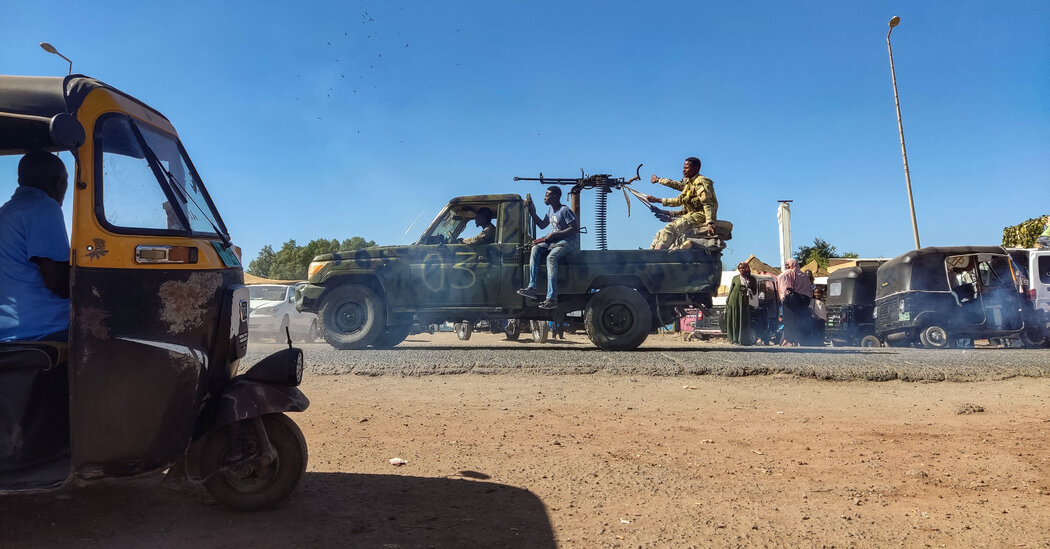
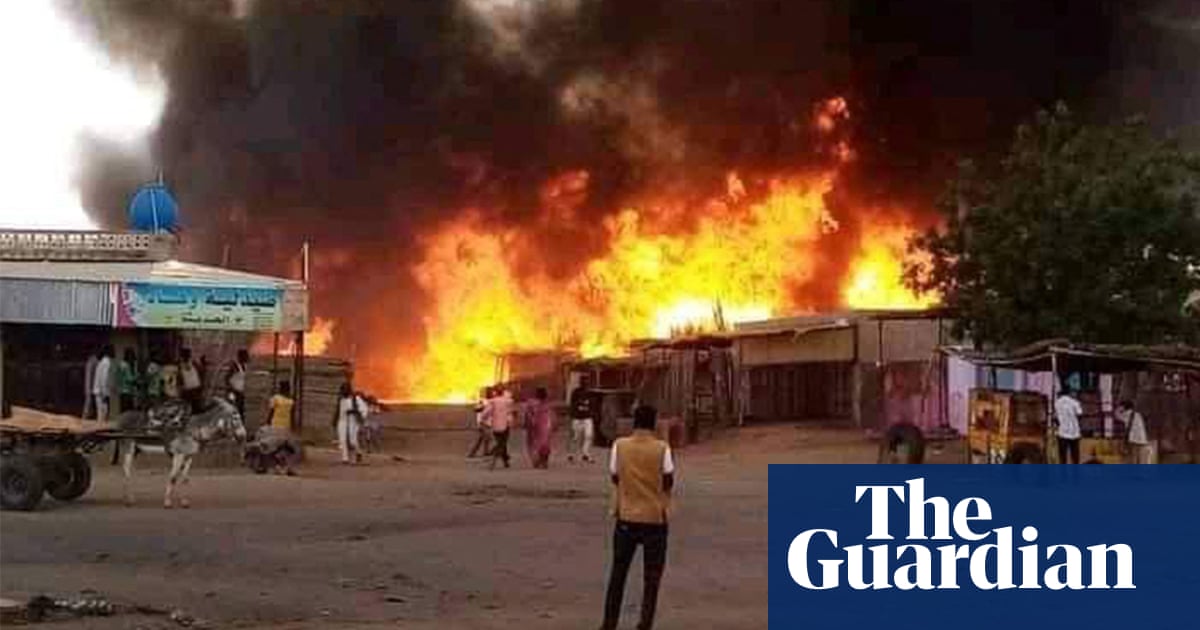
The Rapid Support Forces (RSF), a paramilitary group in Sudan, have unleashed a wave of violence and terror in the country, resulting in the displacement of millions of people. The RSF, led by Mohamed Hamdan Dagalo, has been accused of looting, assault, and killing civilians. In the city of Omdurman, residents have formed a community "workforce" to protect themselves and their properties from RSF raids. However, the RSF's presence has made life unbearable, with constant interrogations, beatings, and shootings. Many have been forced to flee, leaving behind their homes and belongings. The conflict in Sudan shows no signs of abating, and the humanitarian situation continues to deteriorate.
Sudan's Rapid Support Forces (RSF) have reportedly killed around 1,300 people, injured 2,000, and left 310 missing in a mass killing in Darfur. The RSF, along with allied militias, are accused of carrying out a campaign to eradicate the non-Arab Masalit tribe from the region. This is part of a history of ethnic cleansing in Darfur, where the central government has neglected non-Arab farmers and armed Arab tribal militias to crush rebellions. The RSF has been sanctioned by the US for its role in atrocities, but the killings and displacement continue.