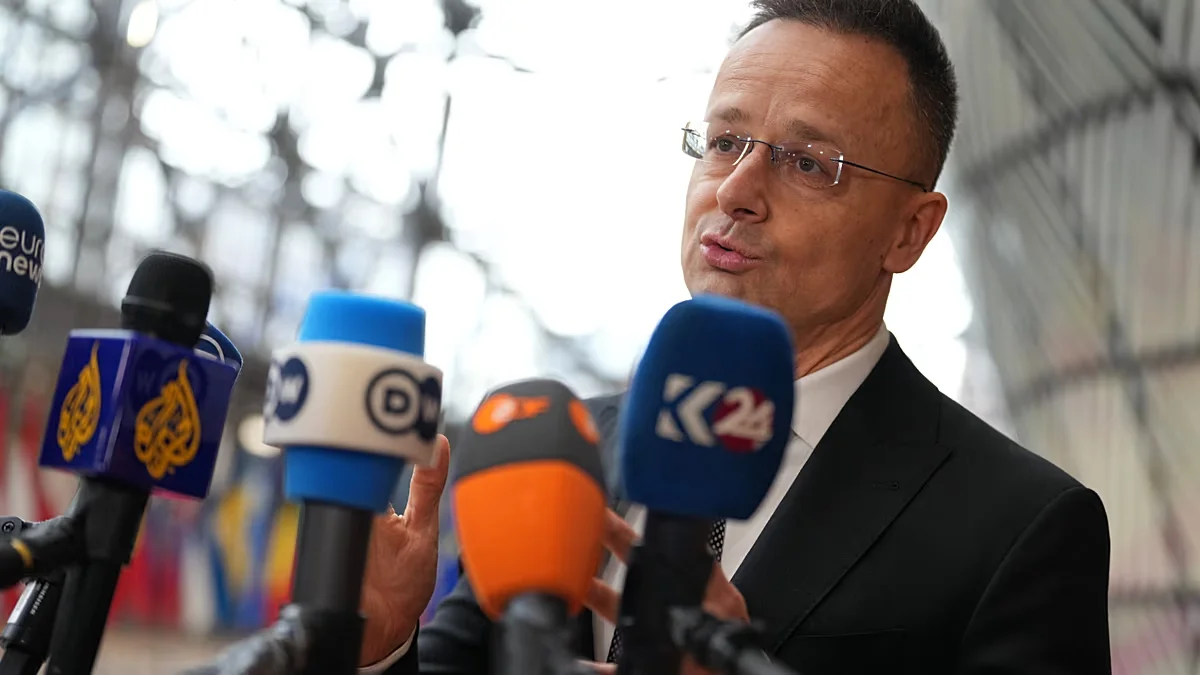
Hungary blocked an EU emergency loan to Ukraine and a new Russia sanctions package after foreign minister Péter Szijjártó accused Kyiv of sabotaging the Druzhba oil pipeline dispute, threatening EU unity and risking Kyiv’s financial support as Hungary’s election campaign colors policy.
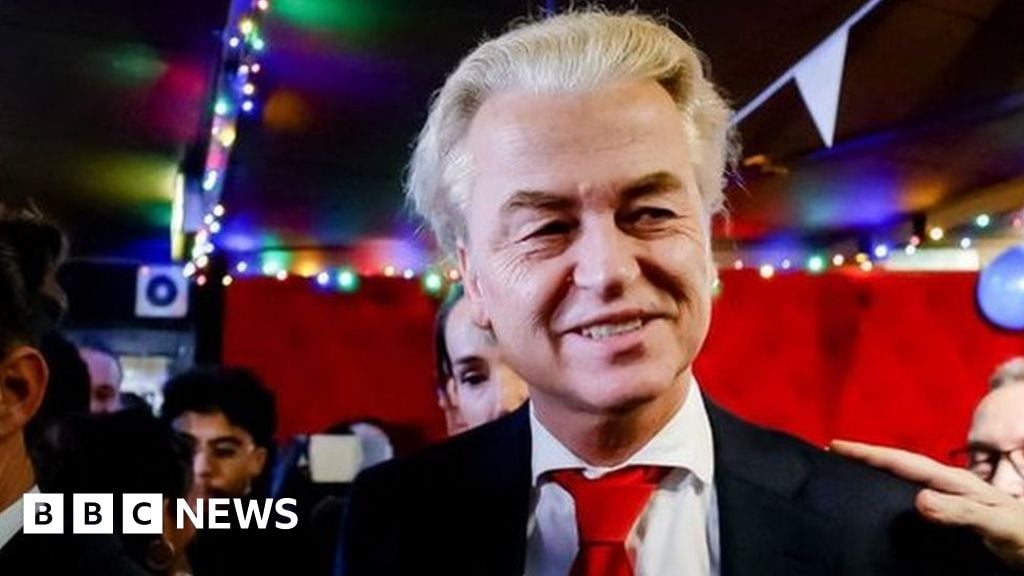
Geert Wilders' far-right party has emerged as the largest in the Dutch parliament after the general election, sparking concerns across Europe. Wilders, known for his controversial views on immigration and Islam, has garnered support from right-wing nationalists in Europe. While he may not have enough seats to form a government alone, his success could impact EU unity and lead to tensions in EU leaders' summits. Wilders has campaigned for the Netherlands' exit from the EU and opposes sending military aid to Ukraine. Although far-right parties are not taking over Europe, their anti-immigration stance is influencing mainstream parties and pushing them further to the right on immigration and security issues.
Slovakia and Hungary are threatening to break European Union (EU) unity by blocking a joint statement that supports Ukraine's request for military aid. The two countries are reportedly concerned about the wording of the statement, which they believe could be seen as endorsing Ukraine's offensive actions against pro-Russian separatists. This disagreement highlights divisions within the EU over how to respond to the ongoing conflict in Ukraine.
Preliminary results show that a pro-Kremlin party, led by Robert Fico, has emerged as the top winner in Slovakia's parliamentary election, posing a challenge to NATO and EU unity on Ukraine. Fico's party, SMER, won 23.3% of the vote, while the liberal and pro-Ukrainian Progressive Slovakia party won 17%. Fico now needs to seek coalition partners to regain the prime minister position. His party's better-than-expected result could potentially disrupt Slovakia's staunch support for Ukraine, as Fico has pledged to end military support for Ukraine and block its NATO ambitions. Coalition negotiations are expected to be complex, with multiple parties reaching the 5% threshold needed to enter parliament.