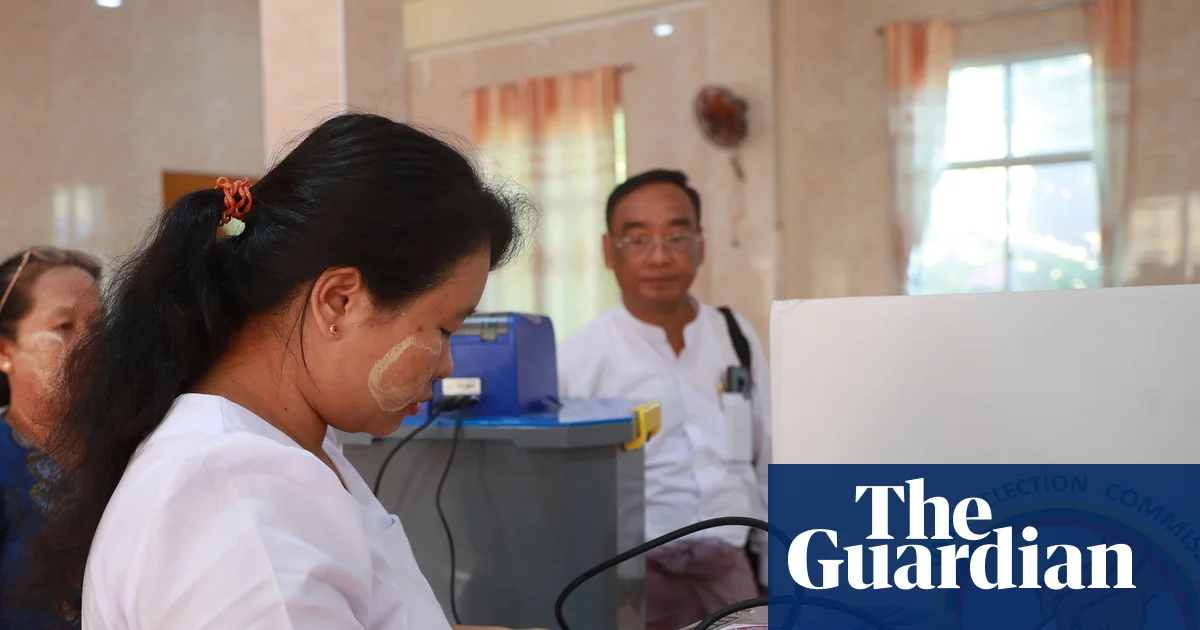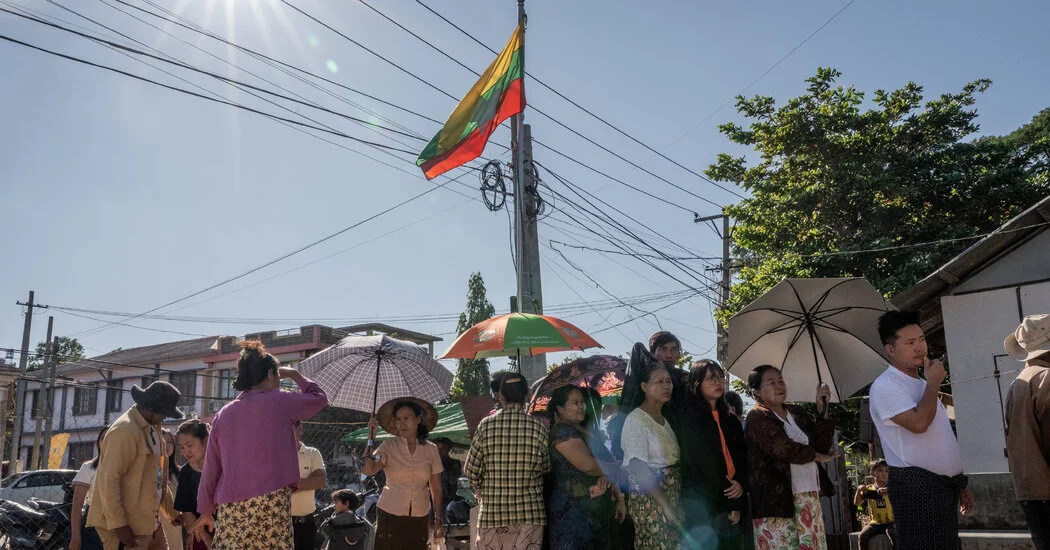
Myanmar's military-led election, criticized as a sham and lacking credible opposition, is underway amid ongoing conflict and low voter turnout, with the military-backed USDP leading and concerns about legitimacy and future stability.
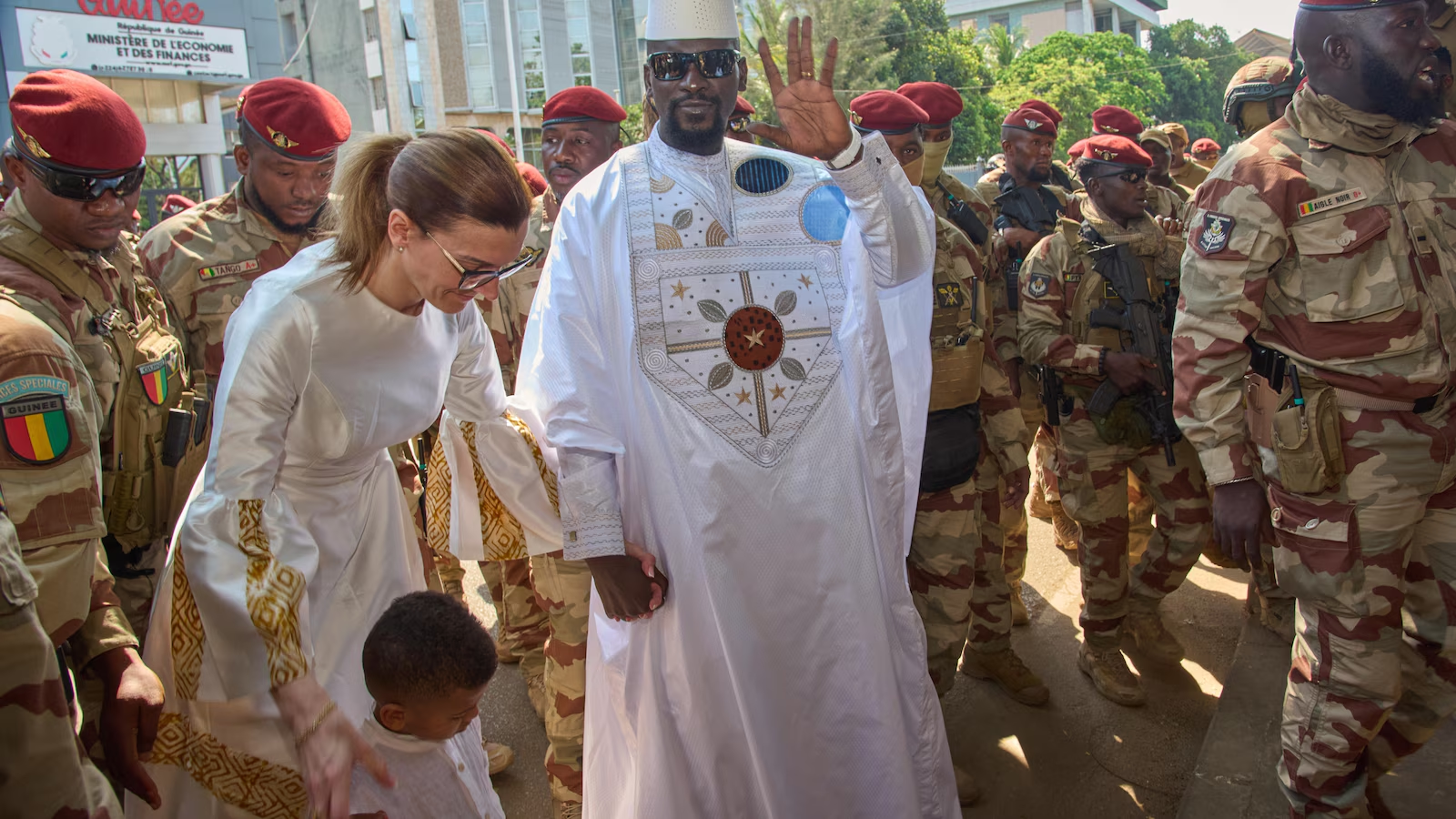
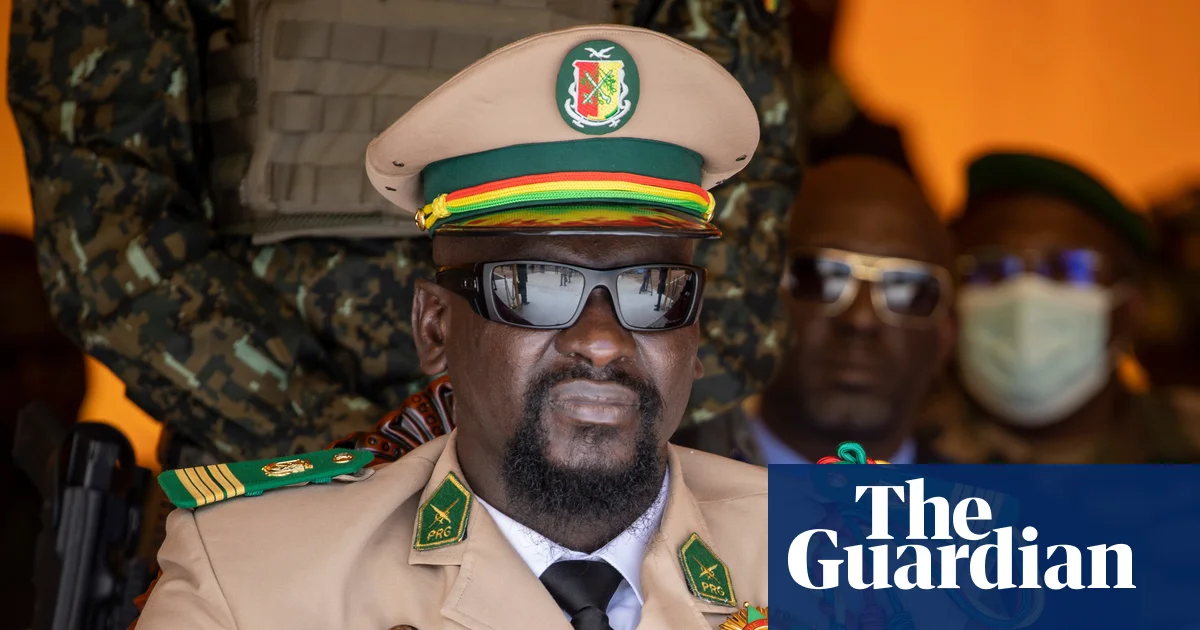
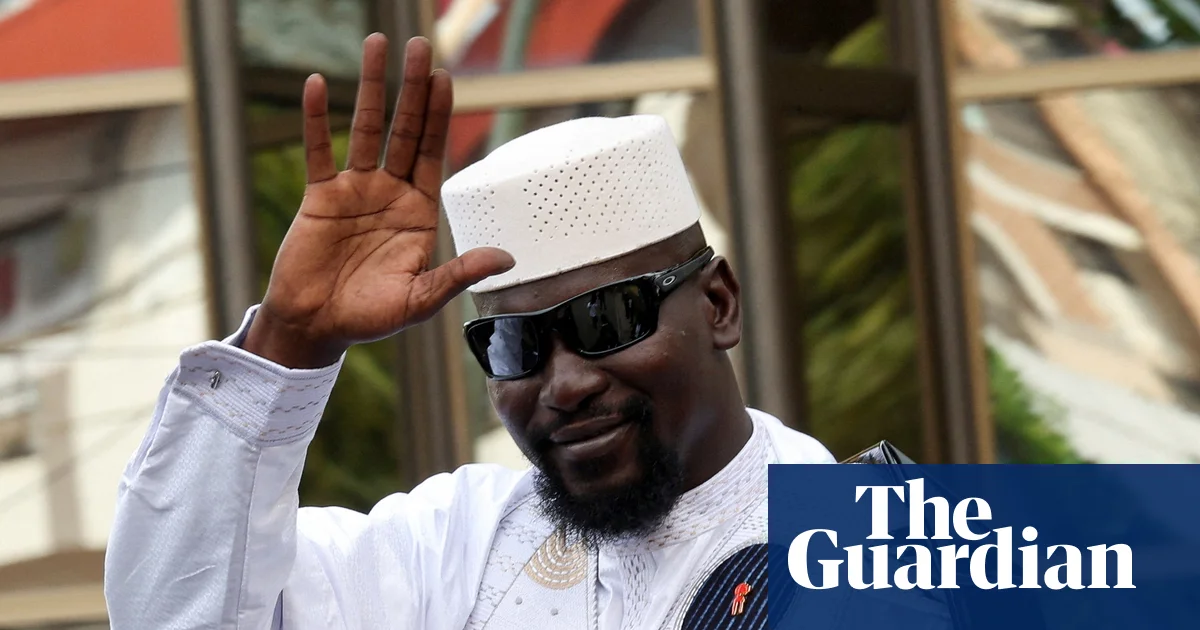
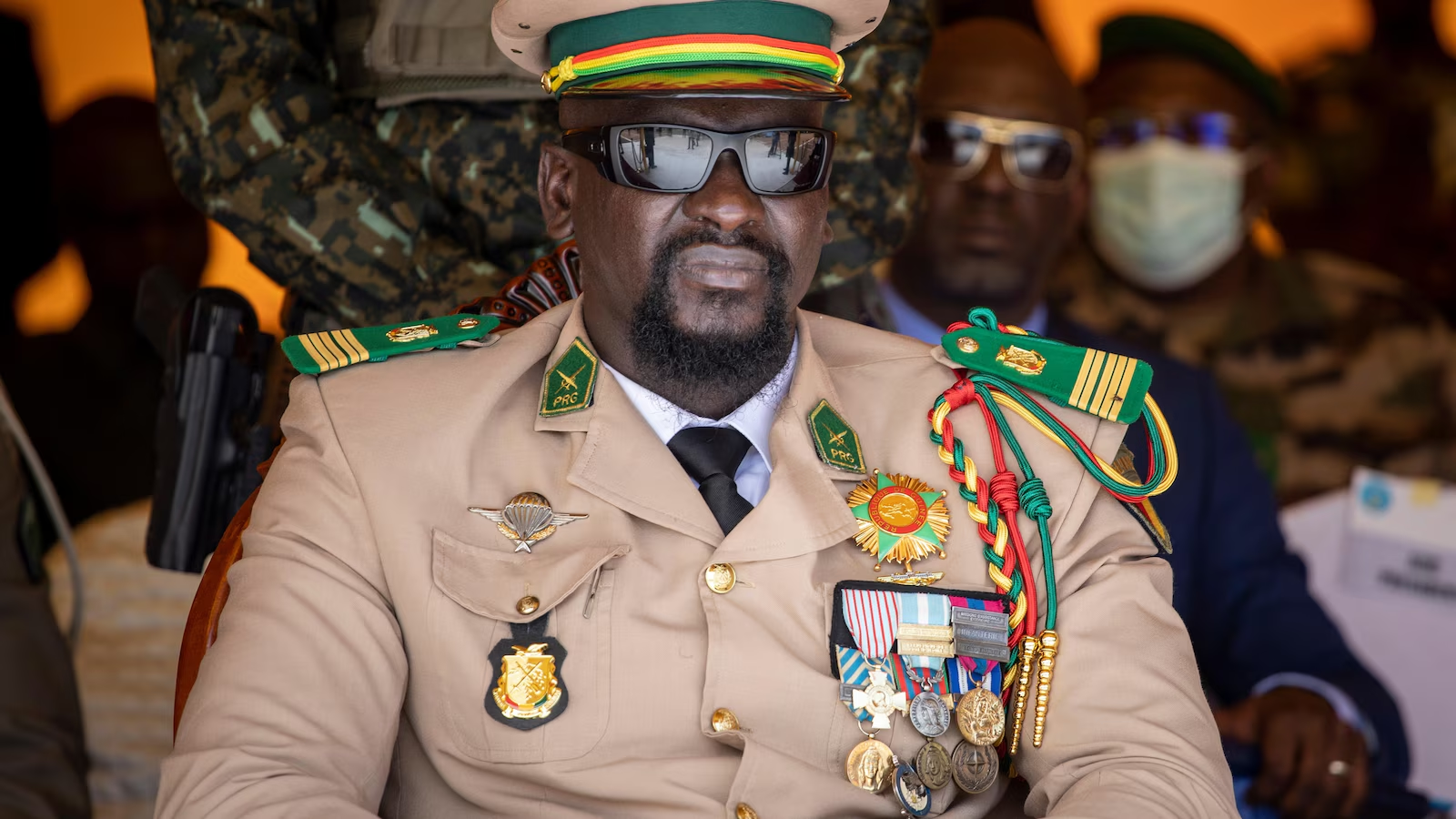
Guinea's Supreme Court confirmed the election victory of junta leader Mamadi Doumbouya, marking his transition to a democratically elected president after a 2021 coup, amidst concerns over political repression and ongoing economic challenges despite rich mineral resources.
Mamady Doumbouya, Guinea's junta leader who had pledged not to run for office, was elected president with 86.72% of the vote amid an opposition boycott and allegations of irregularities, after leading a coup in 2021 and changing the constitution to allow his candidacy.
Guinea's current military leader Mamady Doumbouya is the frontrunner in the upcoming presidential election, following a controversial referendum that allowed him to run and extended presidential terms, amid opposition criticism and concerns over democratic backsliding. The election marks a significant moment in Guinea's ongoing political upheaval in West Africa, with many fearing the consolidation of military power and suppression of opposition.
Guinea is holding its first presidential election since a 2021 military coup, with junta leader Mamadi Doumbouya expected to win amid concerns over the lack of genuine opposition and democratic legitimacy, as the election is seen by critics as a move to legitimize his continued rule.
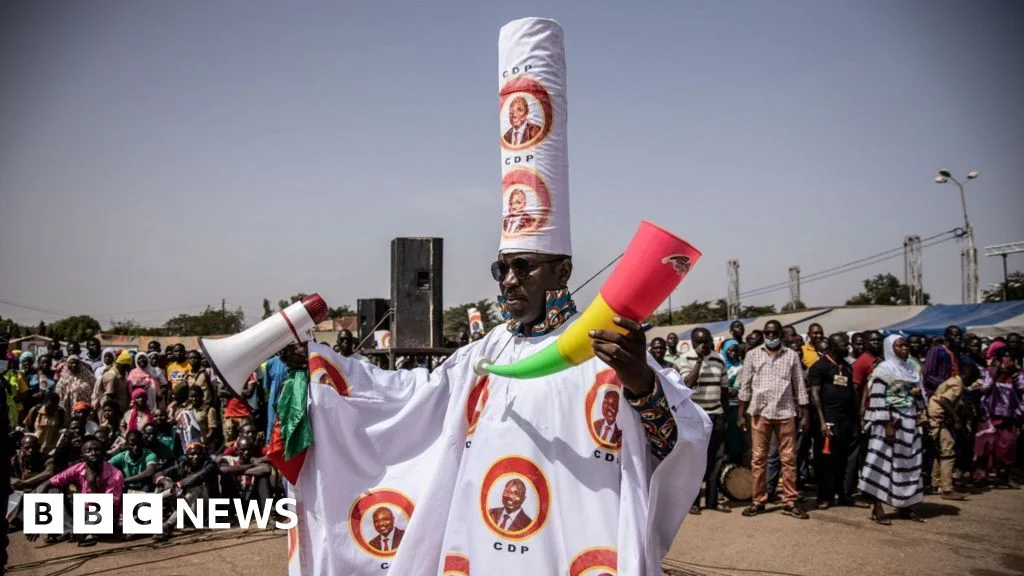
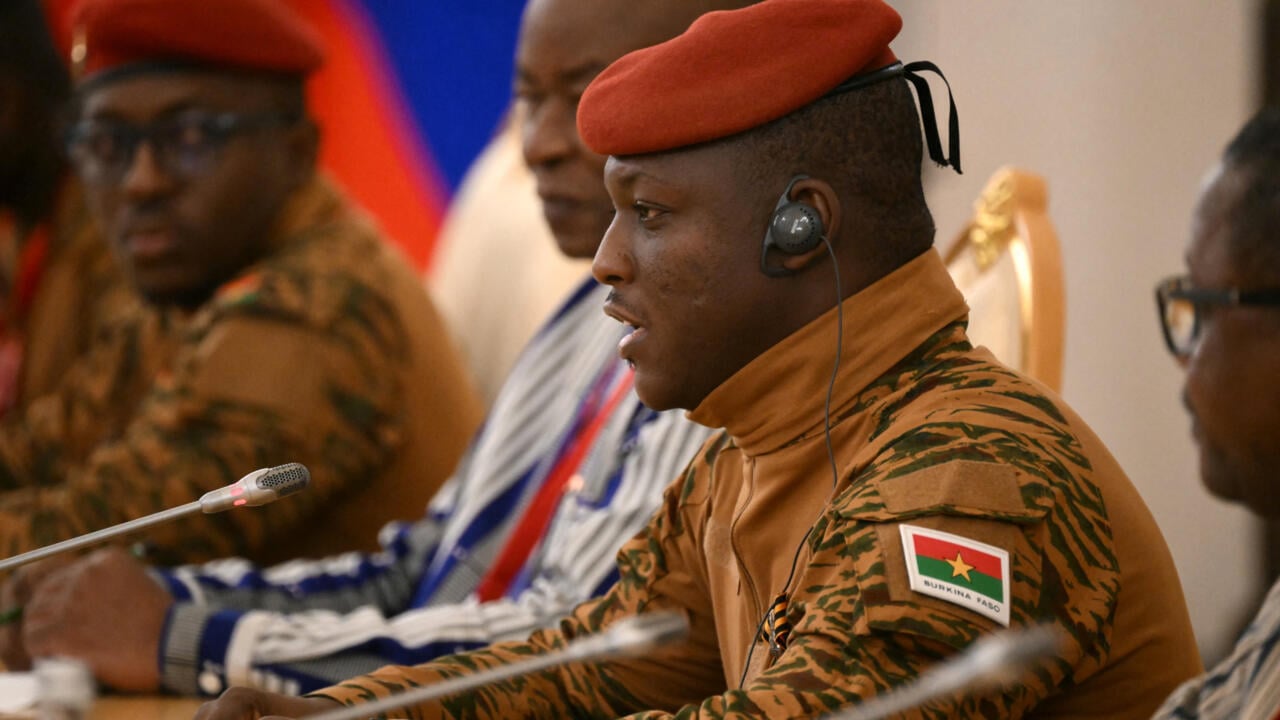
Burkina Faso's military-led government has passed a law criminalizing homosexuality, with penalties of up to five years in prison, making it one of the latest African countries to implement such legislation amid regional trends and ongoing political instability.
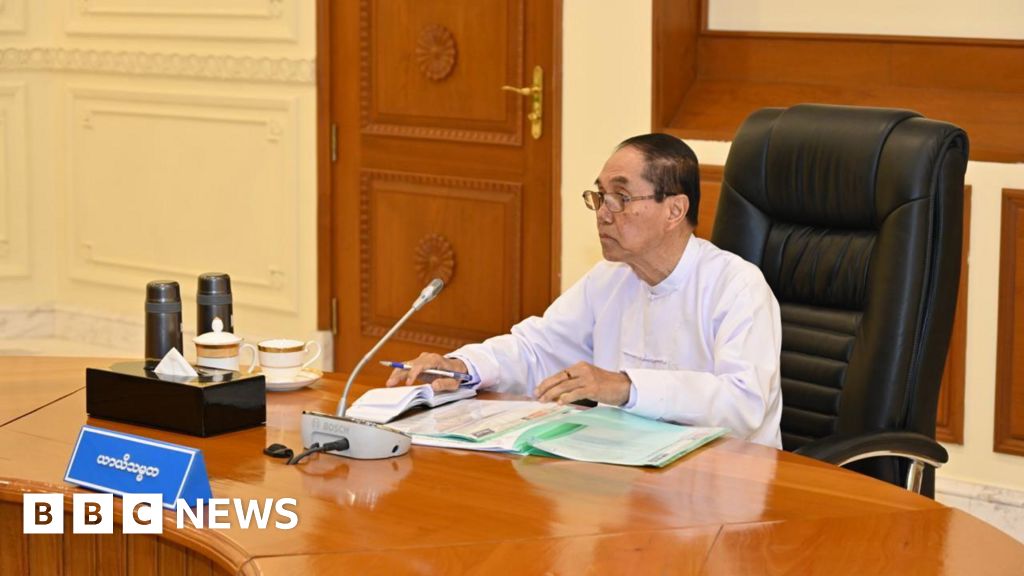
Myanmar's figurehead president Myint Swe, who had been in declining health and serving in a largely ceremonial role since the 2021 coup, died at 74 due to neurodegenerative diseases. The military junta, led by Min Aung Hlaing, has been in control since the coup, with Hlaing acting as the de facto leader. Myint Swe's death comes amid ongoing turmoil and preparations for upcoming elections, which critics view as a sham to legitimize military rule.
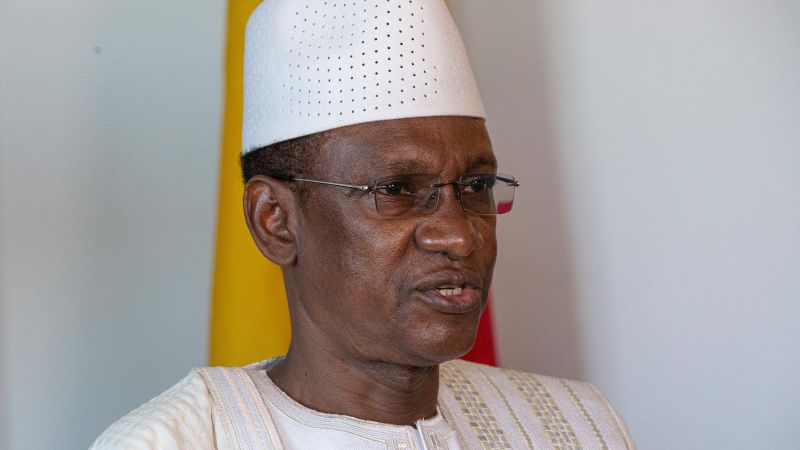
Mali's Prime Minister Choguel Maiga has been dismissed after criticizing the ruling junta for failing to organize elections within the promised 24-month transition period. The military rulers, who took power in coups in 2020 and 2021, postponed the elections indefinitely, citing technical reasons. Maiga, who was unaware of the decision until it was reported in the media, expressed his discontent, leading to tensions with the junta. His successor will need to form a new government in consultation with interim President Assimi Goïta.
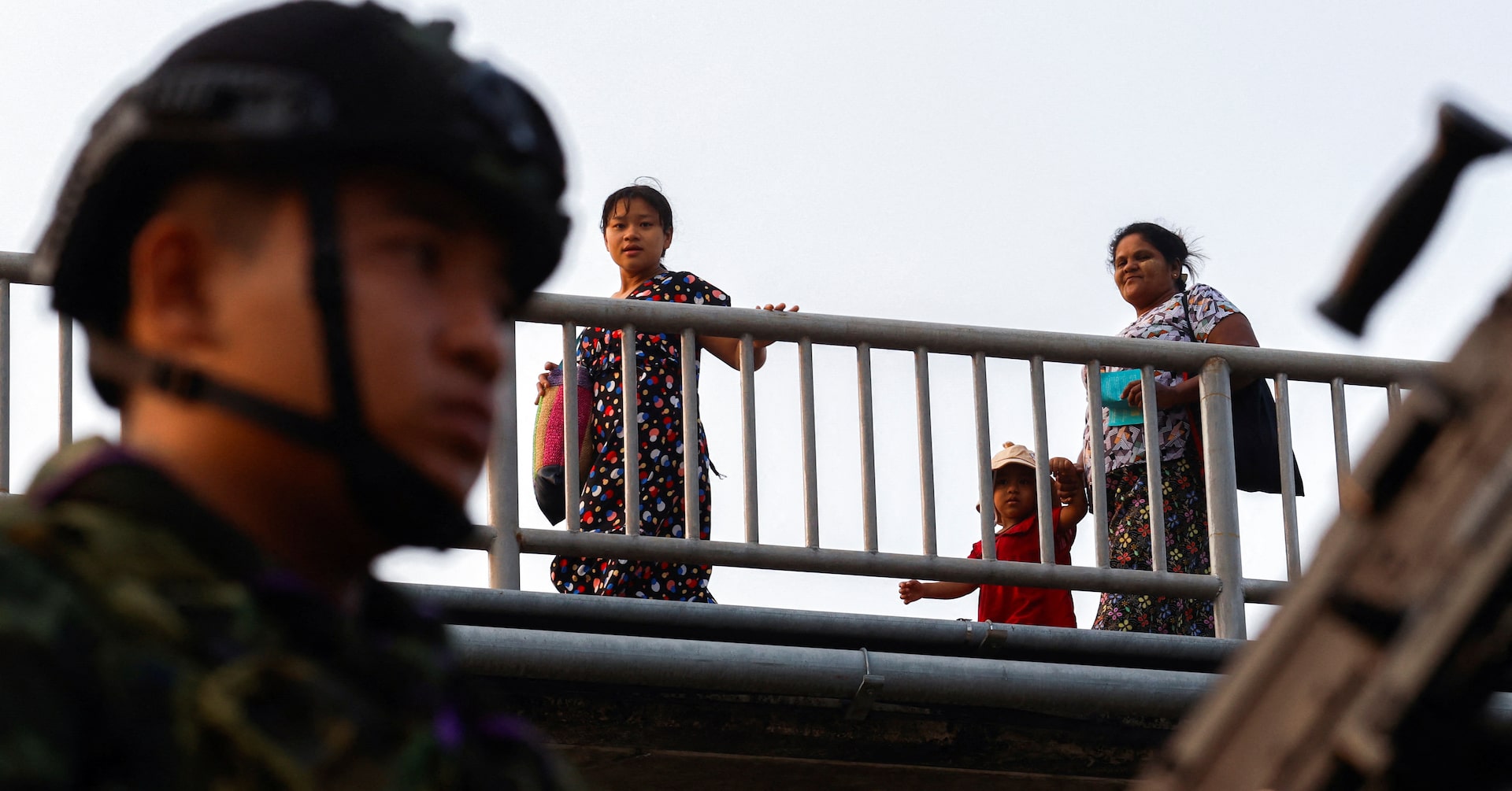
Thailand has urged Myanmar's junta to reduce violence following the fall of a critical border town to anti-junta rebels, with preparations underway for an influx of people crossing into Thailand. The foreign minister stated that Thailand is working with ASEAN members to follow a stalled peace plan for Myanmar and is considering alternative trade routes due to potential road closures caused by the fighting. A steady stream of people, fearing air strikes, queued at a border crossing to flee Myanmar, highlighting the impact of the conflict on civilians.
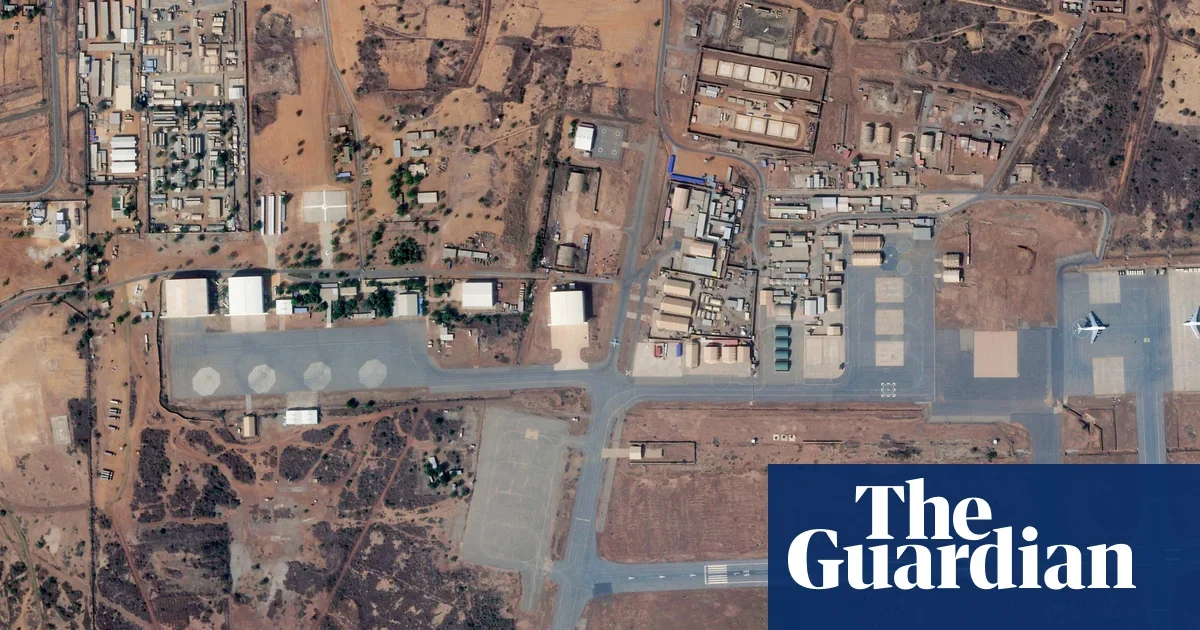
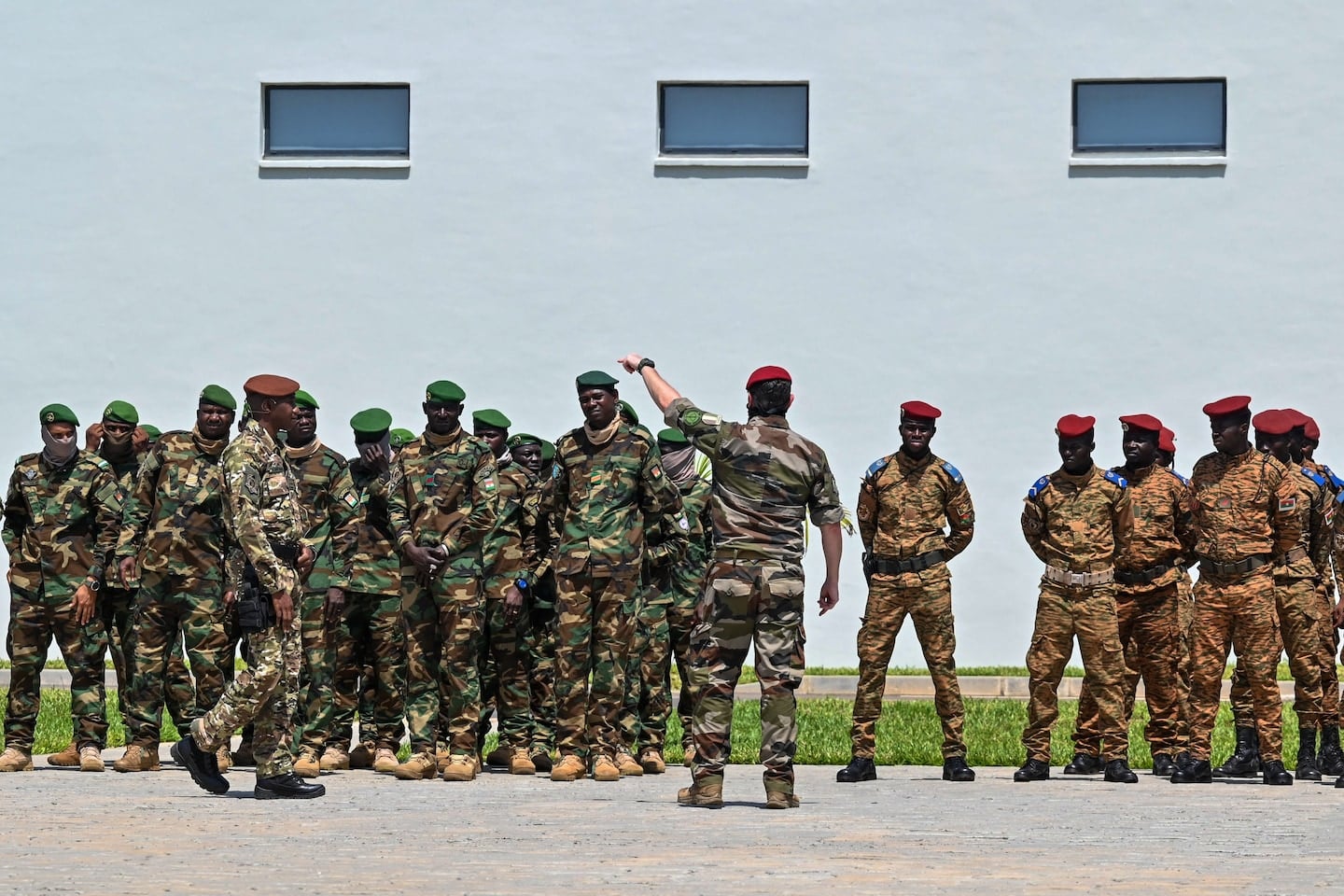
The U.S. is in talks with Niger's military junta to determine if they can maintain a security presence in the country after the junta declared the presence of U.S. troops "illegal." The junta's decision followed concerns raised by the Biden administration about Niger's relationships with Iran and Russia. The U.S. military presence in Niger, which includes about 1,000 troops and a large drone base, has been part of efforts to counter Islamist militancy in the region. The junta's strong stance has sparked calls within Nigerien society for American troops to depart, leaving the situation in limbo for U.S. service members at the drone base.
The Nigerien junta has rejected military cooperation agreements with the U.S., indicating that American civilian and military personnel are no longer welcome in Niger. Diplomatic missteps and a lack of clarity in U.S. policy have contributed to strained relations, with the junta emphasizing sovereignty and rebuking perceived American arrogance. The episode highlights the incoherence of current policymaking and questions the effectiveness of longstanding security cooperation. The U.S. may need to pivot out of Niger, and the impact of American military expenditures on the Sahelian insurgency is being called into question.
The United States is evaluating its counterterrorism operations in the Sahel region after Niger's junta announced the termination of its military cooperation with the U.S. The decision comes after a visit by top U.S. officials and raises concerns about the future of U.S. military presence in the region, where jihadi groups linked to al-Qaida and the Islamic State operate. The junta's move follows a series of events, including the ousting of Niger's democratically elected president and the country's engagement with other international partners like Russia. The U.S. delegation's recent visit to Niger failed to yield positive results, highlighting the challenges in U.S. diplomacy in the region.
Niger's government has abruptly terminated its military cooperation agreement with the United States, following a visit by a senior US delegation to renew contact with the military junta that ousted the president and moved closer to Russia. The decision comes after the US expressed concerns about the junta's "trajectory," and the Pentagon has confirmed that movements at the US drone base in Niger have been limited since the July 2023 coup. The junta has also taken a hard line against former colonial power France and sought cooperation with Russia, while maintaining a distance from the full-fledged embrace of Moscow by military-run neighbors Mali and Burkina Faso.
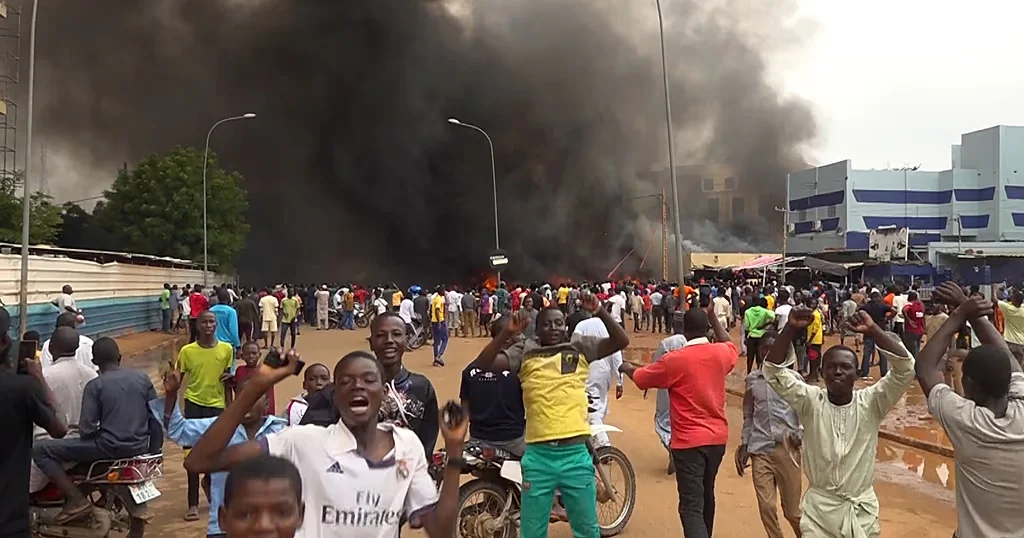
Niger's ruling military junta has revoked a military accord allowing US military personnel and civilian staff on its soil, following a visit by US officials that the junta claims did not follow diplomatic protocol. The junta alleges that the US delegation attempted to deny Niger the right to choose its partners in the fight against terrorism and denounced the condescending attitude and threat of retaliation from the head of the American delegation. The US has invested heavily in training Niger's military and operates out of two bases in the country, but the junta claims the US presence is illegal and unilaterally imposed.