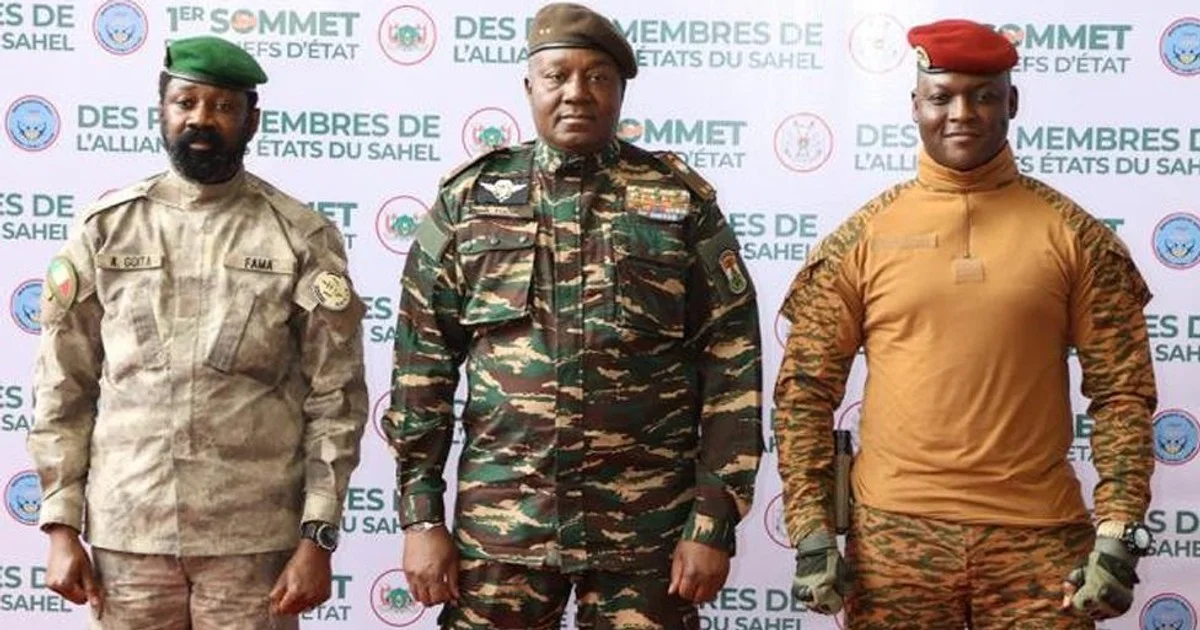
Leaders of Mali, Burkina Faso, and Niger have announced the formation of a joint military battalion to escalate their fight against extremist groups in the Sahel, signaling a shift towards active military operations and a strategic move to deter external intervention amid regional tensions and their recent withdrawal from ECOWAS.
NATO Secretary-General Mark Rutte dismissed concerns about the US's commitment to NATO amid ongoing tensions over Ukraine and Russia, emphasizing the importance of European allies' security and the US's ongoing support, despite some disagreements and troop reductions.
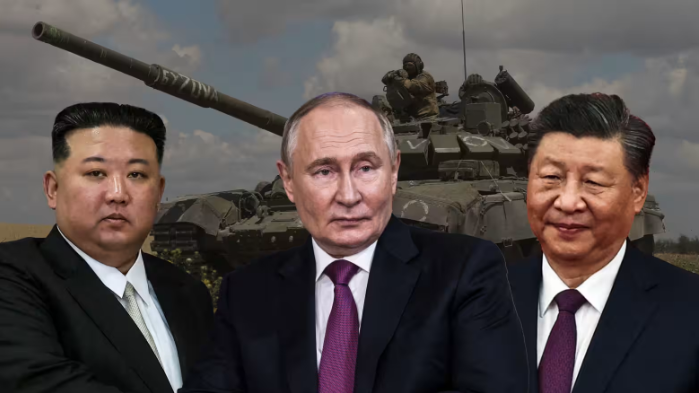
The article discusses the potential formation of a powerful military alliance between China, Russia, and North Korea, dubbed the 'Axis of Upheaval,' which could pose a significant threat to NATO due to their combined military strength, nuclear arsenals, and historical cooperation, raising concerns about a possible new global conflict.
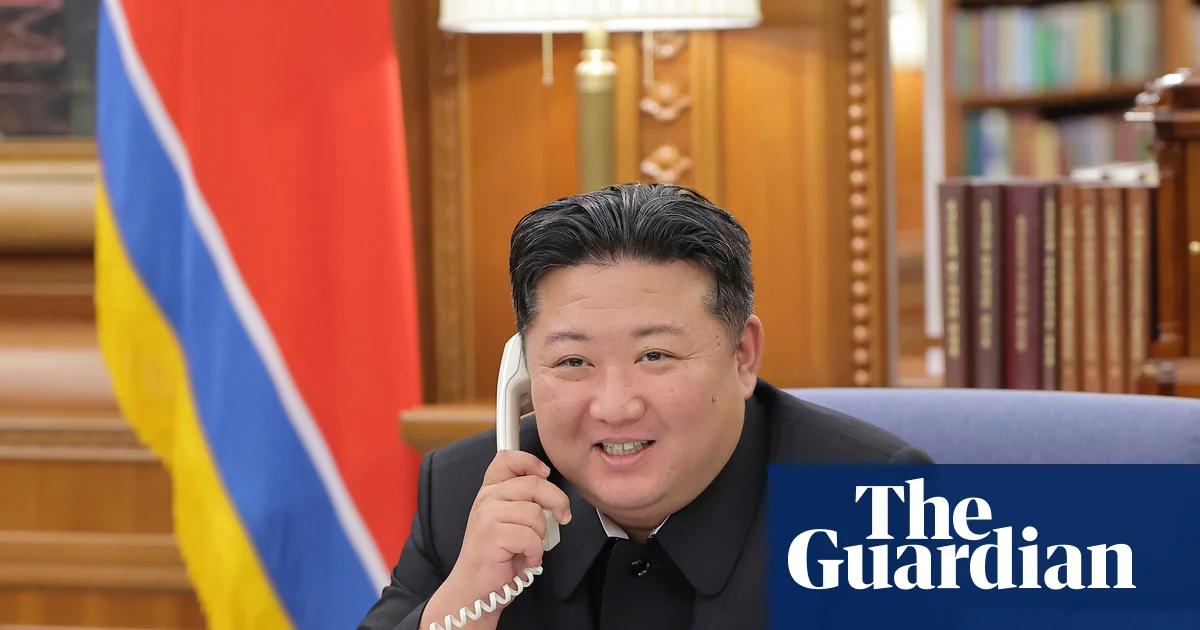
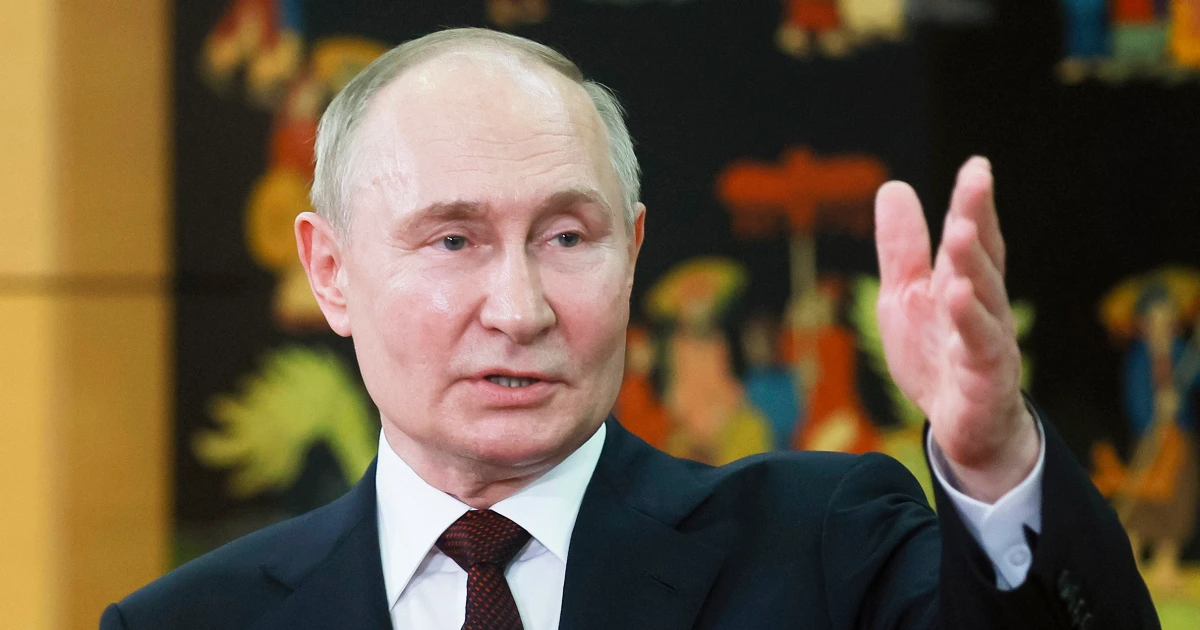
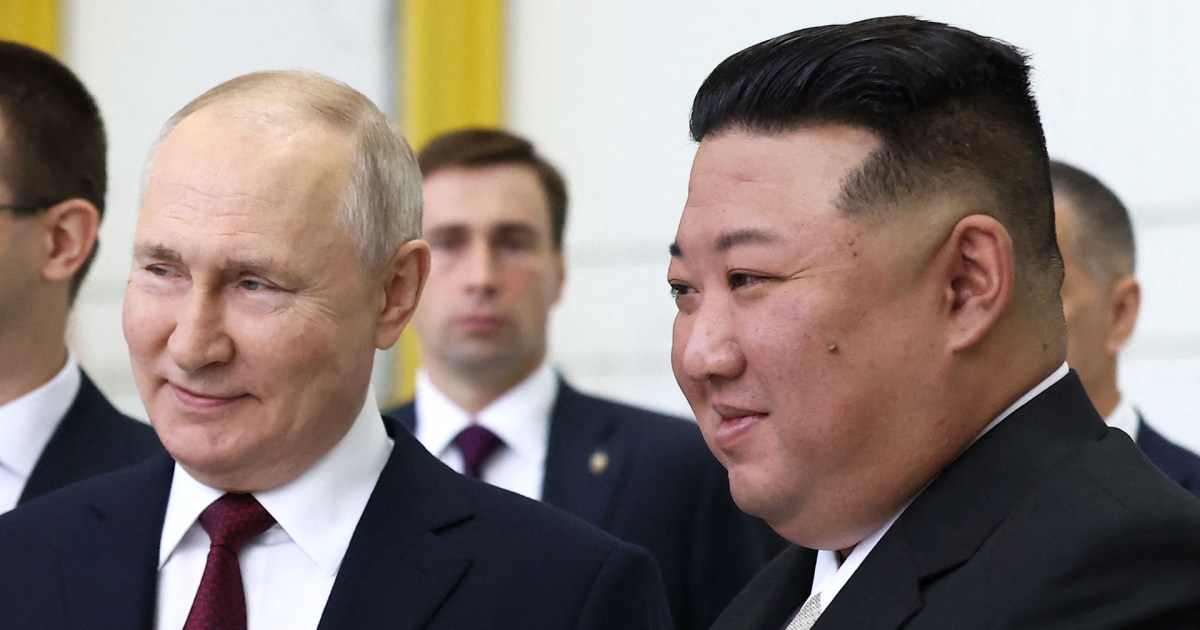
Russian President Vladimir Putin praised North Korean troops as 'heroic' in a letter to Kim Jong-un, highlighting their participation in Ukraine and reaffirming Russia's close ties with North Korea amid ongoing military cooperation and recent deployments to the Ukraine conflict.
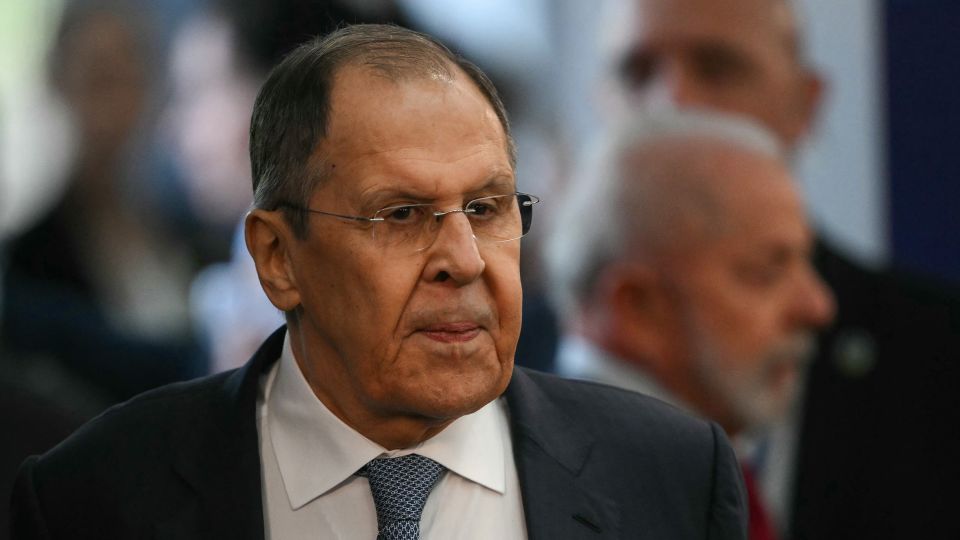
Russian Foreign Minister Sergey Lavrov is visiting North Korea to strengthen strategic ties amid North Korea's increased military support for Russia in Ukraine, including deploying additional soldiers and supplying weaponry, which could impact the broader security dynamics in the region.
Russian Foreign Minister Sergey Lavrov is visiting North Korea to strengthen strategic ties amid North Korea's increasing military support for Russia's war in Ukraine, including deploying additional soldiers and supplying weaponry, which could reshape regional security dynamics.
During the NATO summit in The Hague, Donald Trump praised member countries for increasing defense spending to 5% of GDP by 2035, emphasizing US support and highlighting the importance of European and Canadian contributions, while also discussing US military actions against Iran and receiving praise from NATO officials.
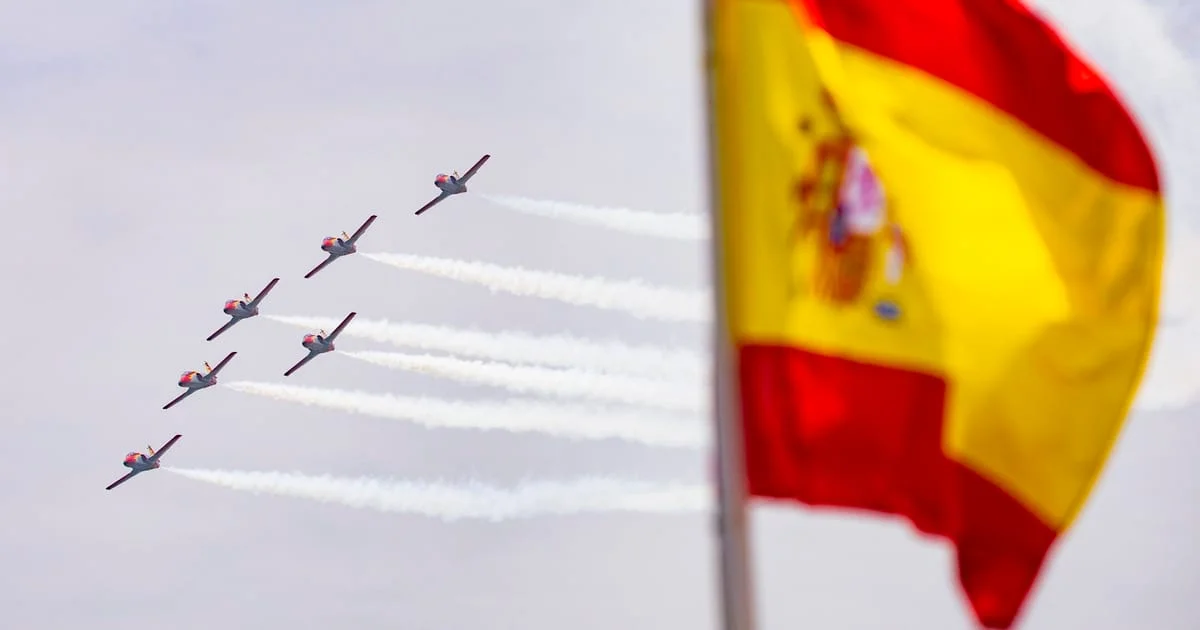
Spain is seeking an exemption from NATO's 5 percent defense spending target, amidst broader discussions among NATO allies about increasing military budgets, with upcoming meetings in The Hague to potentially set new spending goals. The article also touches on recent military and geopolitical issues involving Israel, France, and other NATO members.
NATO leaders are expected to agree on a new defense spending goal of 5% of GDP at their upcoming summit, amid ongoing discussions about military readiness and international security, including recent incidents like Israel intercepting a Gaza aid ship. US defense officials emphasize the need for allies to rely less on America for defense, highlighting a shift towards increased military preparedness.
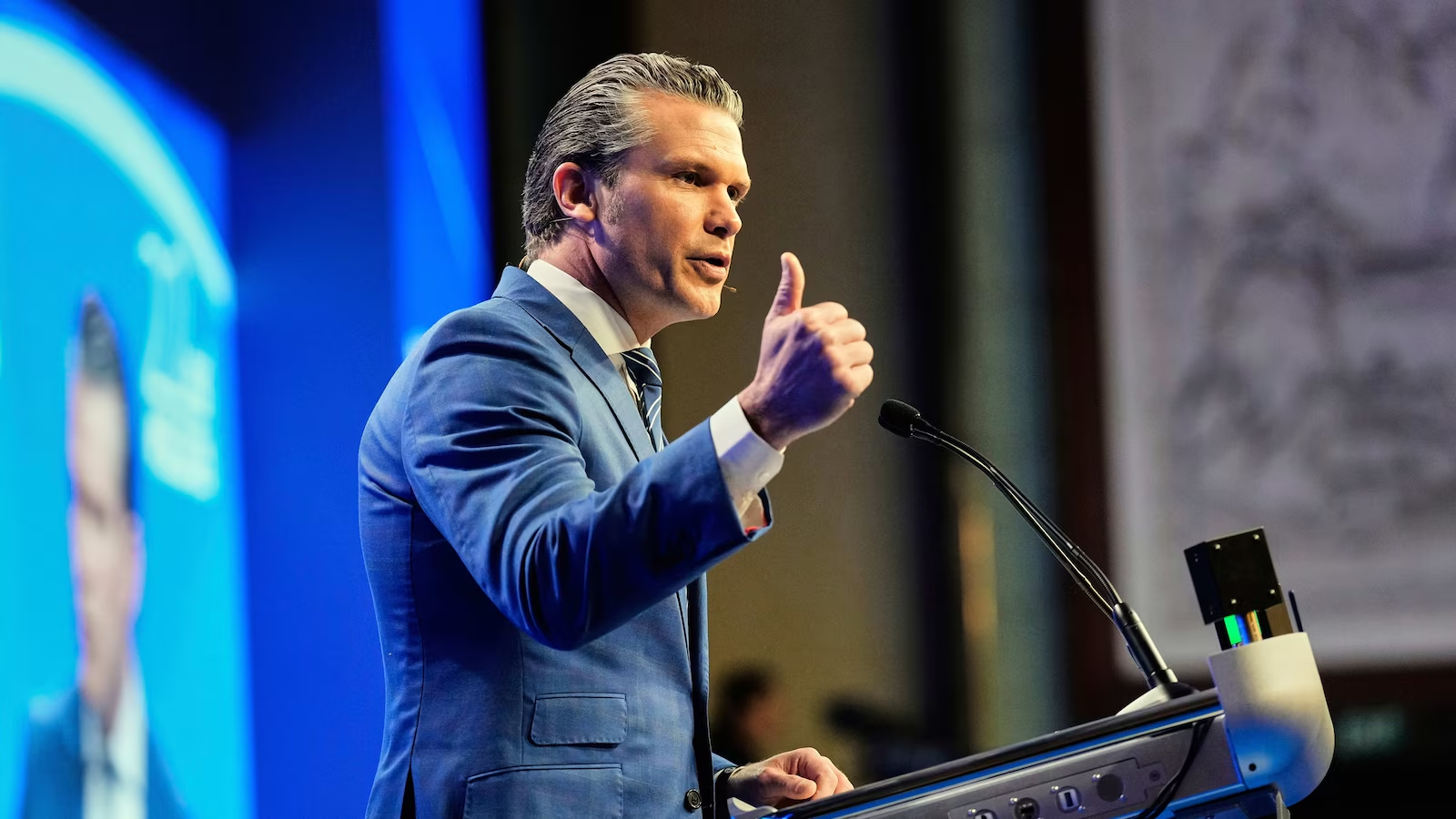
Defense Secretary Pete Hegseth assured allies at the Shangri-La Dialogue that the US will support them against Chinese aggression, warning of an imminent threat to Taiwan and emphasizing the need for increased military readiness and alliances in the Indo-Pacific region.
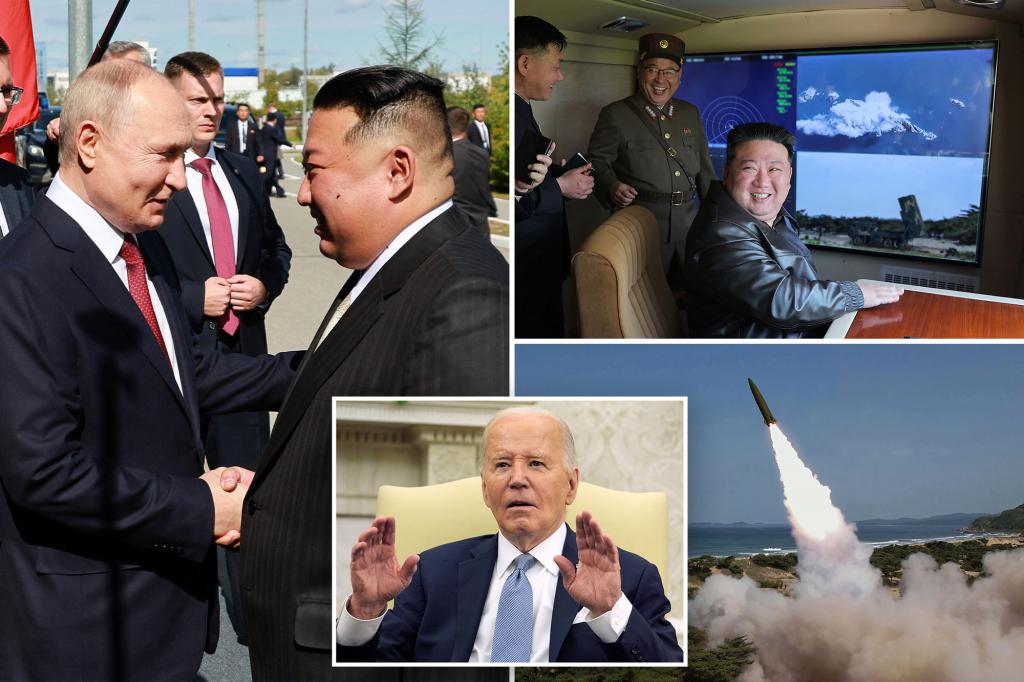
North Korea and Russia have signed a major treaty, marking a significant shift in international alliances and military strategy. The treaty, which mandates mutual military support if either nation is invaded, has already seen North Korean troops aiding Russia against Ukrainian forces in the Kursk region. This development signals a deepening of the Russo-Ukrainian conflict and a potential new Cold War dynamic, with North Korea aligning more closely with Russia and China. The move also reflects North Korea's pivot away from the U.S. following failed negotiations with former President Trump.
Russian President Vladimir Putin has threatened to arm North Korea if South Korea decides to provide weapons to Ukraine, escalating tensions in the region. This follows a new mutual defense pact between Russia and North Korea, which has alarmed Western officials. South Korea, which has so far only provided non-lethal aid to Ukraine, is reconsidering its stance. The U.S. and South Korea have accused North Korea of already supplying Russia with ammunition and missiles for use in Ukraine, which both Moscow and Pyongyang deny. The situation has further strained relations on the Korean Peninsula, with recent border incidents and military posturing.
The Biden administration is concerned that Russia and North Korea may plan an "October surprise" ahead of the 2024 US presidential election, potentially escalating military tensions and expanding North Korea's nuclear capabilities. US officials believe Russia is providing North Korea with advanced military technology in exchange for munitions for the Ukraine war, raising fears of significant provocations and nuclear tests. The growing alliance between Putin and Kim Jong Un is seen as a major threat, with potential impacts on US defense systems and regional stability.
The Biden administration is increasingly worried about the growing military alliance between Russia and North Korea, which could enhance Pyongyang's nuclear capabilities and escalate tensions in the Asia-Pacific region. U.S. officials fear North Korea might take provocative military actions near the U.S. presidential election, potentially at Russia's behest, to create global turmoil. This alliance marks a significant shift from Russia's previous cooperation with the U.S. to control North Korea's nuclear ambitions.
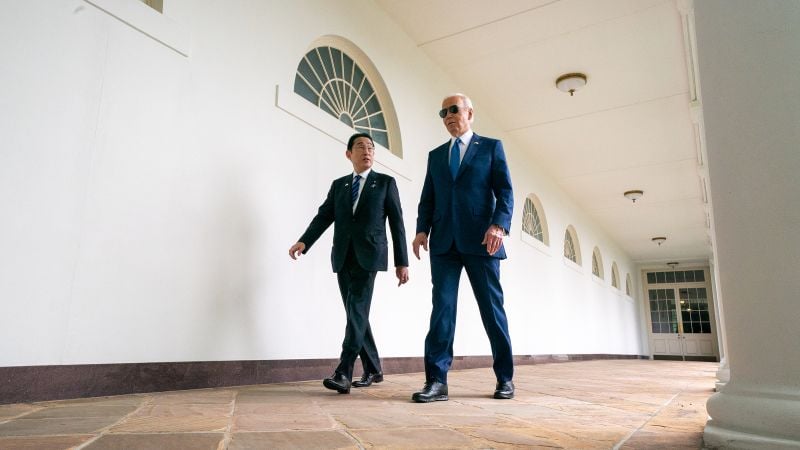
President Biden hosts Japanese Prime Minister Kishida Fumio for a state visit, emphasizing the strengthening of partnerships in the Indo-Pacific to counter China's influence. The visit includes announcements of over 70 items, such as changes to the US force structure in Japan, a military industrial council, and anti-missile defense integration. The leaders also discuss space collaboration and increasing people-to-people ties. However, there are differences on the economic front, with Biden opposing Japan's acquisition of US Steel. The visit aims to bolster the US-Japan alliance and draw Pacific allies closer amid regional challenges.