The article offers three practical tips to combat the winter blues: focus on enjoyable activities, accept the need for more rest, and make plans to stay socially engaged, all of which can help improve mood during darker, colder months.
Many people experience seasonal affective disorder (SAD), a depression linked to shorter, darker days in winter, affecting about 5% of Americans, with women being four times more susceptible, and some experiencing milder winter blues.
Seasonal depression, or SAD, peaks in mid-November in the US, with symptoms worsening during fall and winter due to temperature drops and shorter days. Awareness is increasing, and strategies like light therapy, outdoor activity, consistent routines, social contact, and professional help can mitigate symptoms. The top affected cities experience significant temperature drops, correlating with higher search interest and symptom severity.
Seasonal affective disorder (SAD) is a serious form of depression triggered by reduced sunlight in winter, causing symptoms like fatigue, hopelessness, and sleep changes. Treatments such as light therapy, medication, and therapy can help, especially if started early in the season.
Scientists are uncovering the biological basis of seasonal affective disorder (SAD), highlighting the role of light and circadian rhythms in mood changes during winter. Advances in research, including large-scale data from UK Biobank, show that reduced daylight exposure affects hormone regulation and gene expression, contributing to SAD symptoms. Light therapy and cognitive behavioral approaches are effective treatments, and lifestyle adjustments like increased natural sunlight exposure can help mitigate winter blues.
Many people in higher latitudes experience seasonal affective disorder (SAD) during winter, potentially due to hormonal and circadian disruptions, and bright light therapy is being explored as a possible treatment.
Psychotherapist Susi Lodola advises those with Seasonal Affective Disorder (SAD) to avoid staying in bed with curtains closed in the morning, as exposure to daylight is crucial for managing symptoms. SAD, often confused with winter blues, is linked to serotonin dysregulation and circadian rhythm disruption. Treatment includes light therapy, regular sleep patterns, exercise, a balanced diet, and staying socially connected. Professional help and possibly anti-depressants or vitamin D supplements may also be necessary.
A new study has identified Alaska, New York, and Washington as the states where residents are most likely to suffer from Seasonal Affective Disorder (SAD) due to factors such as reduced sunlight, low temperatures, and high rainfall. SAD, a type of depression related to decreased sunlight, affects nearly 13 million adults, with symptoms typically starting in the fall and continuing into winter. Conversely, states like Arizona, Nevada, and New Mexico are less likely to experience SAD due to milder temperatures and lower rainfall. Symptoms of SAD include low mood, anxiety, and changes in appetite, and those with a family history of SAD or mental health disorders are more susceptible.
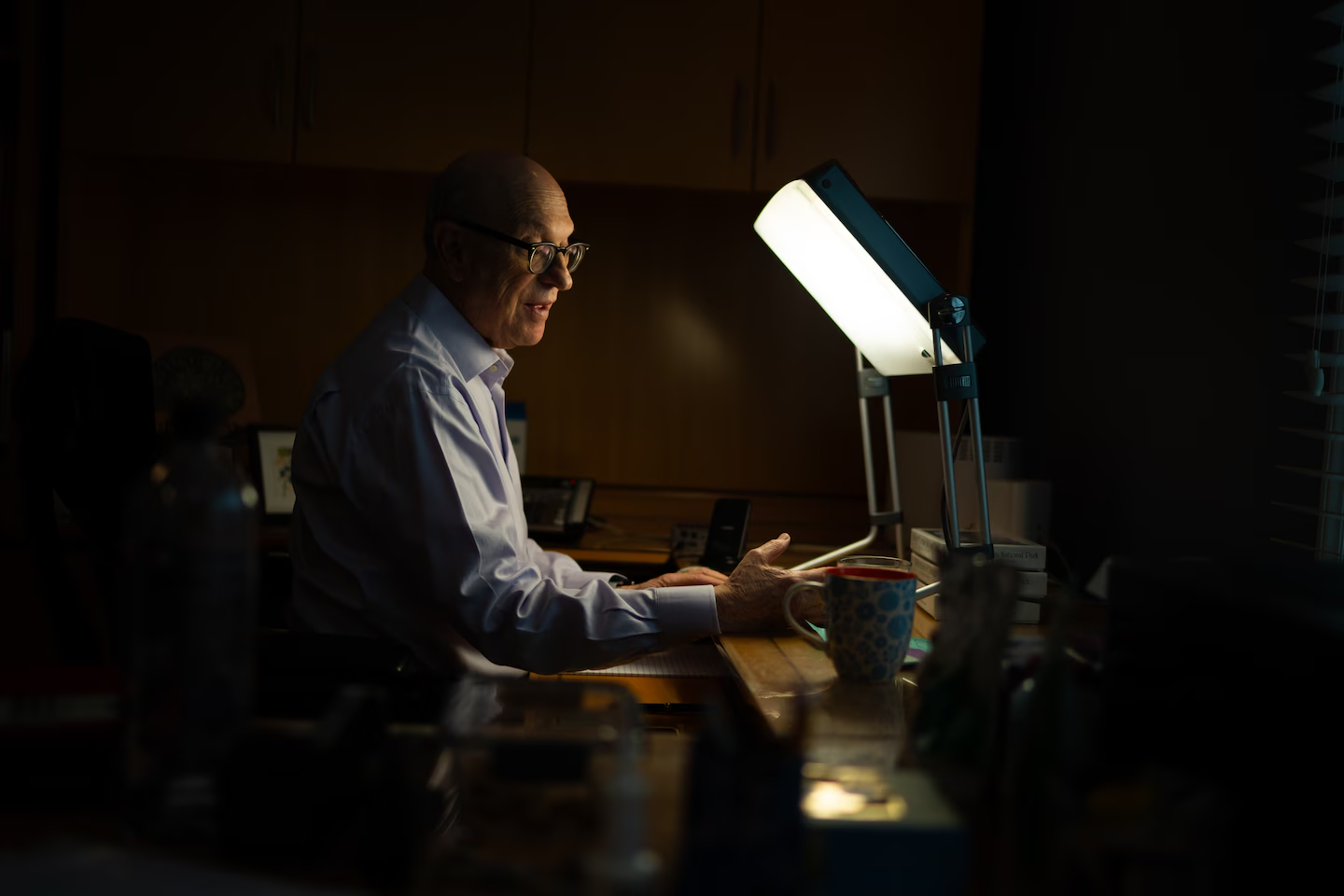
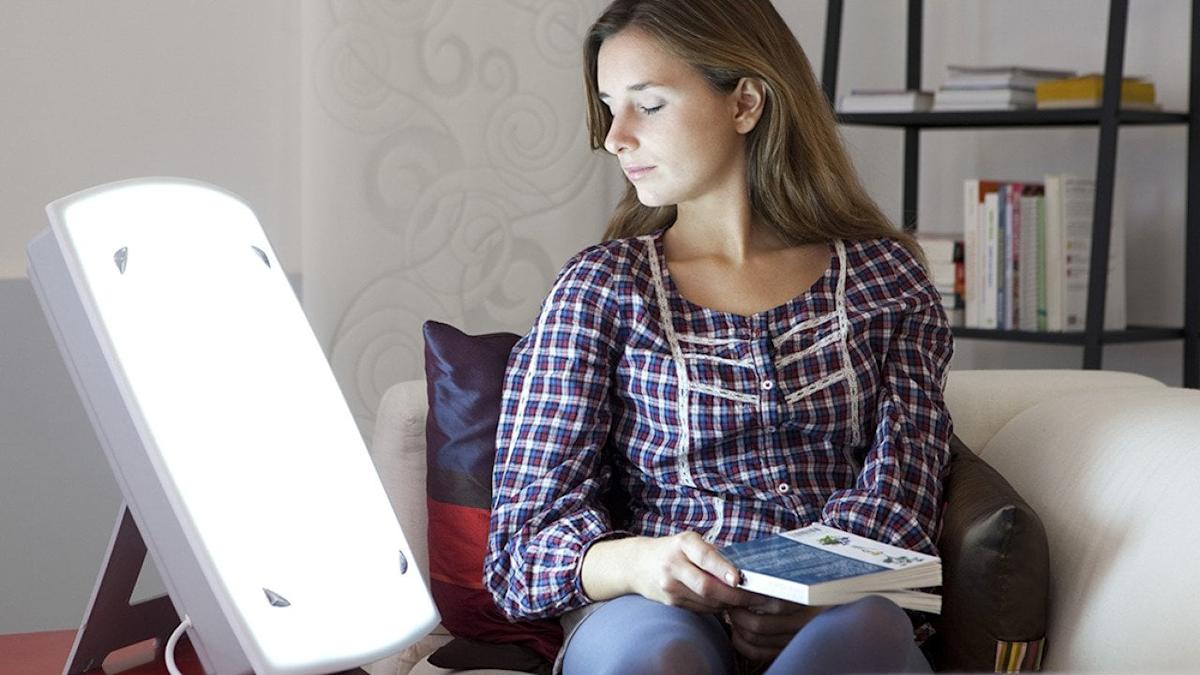
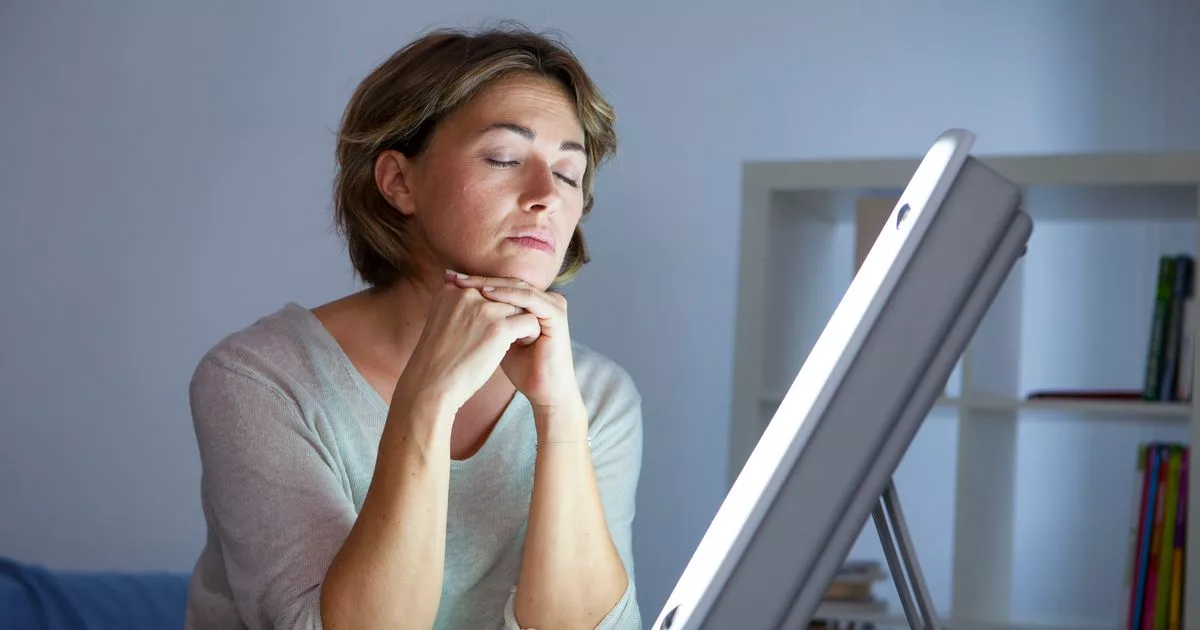
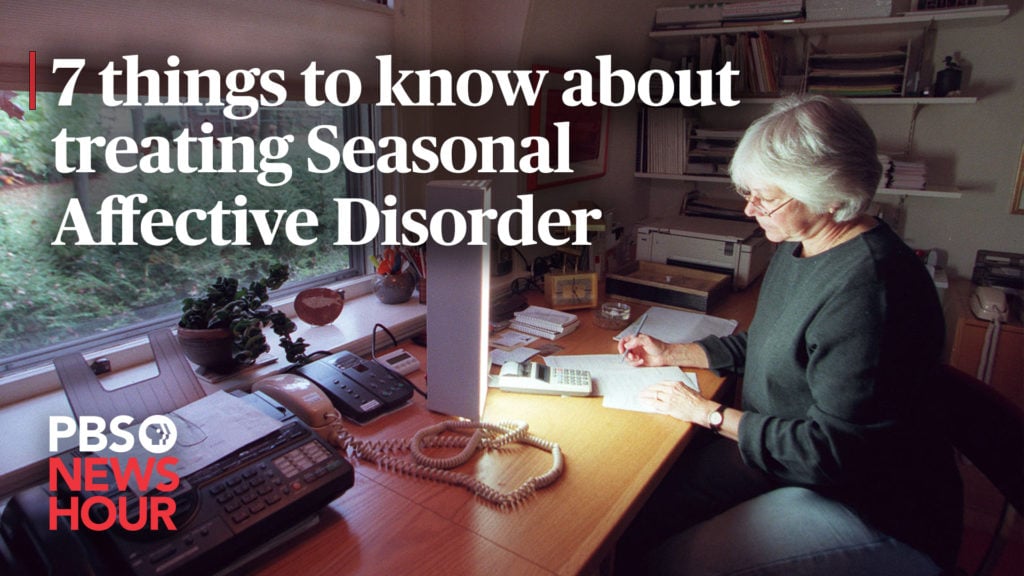
Seasonal Affective Disorder (SAD), a form of depression that occurs in the winter due to reduced sunlight, affects around 5% of U.S. adults. Light therapy, using a lightbox for 30 minutes a day before 8 a.m., is the standard treatment. Medication, such as Wellbutrin, can also be effective. Vitamin D supplements have not shown significant therapeutic effects. Behavior changes, including exercise, maintaining regular activities, and cognitive behavioral therapy, can help alleviate symptoms. Treatment should be supervised by a medical professional.
Seasonal Affective Disorder (SAD) is a type of depression with a seasonal pattern, most commonly associated with winter and fall. It affects about 5% of the US population and is characterized by symptoms such as mood changes, fatigue, increased sleep, social withdrawal, and decreased interest in activities. SAD is believed to be caused by chemical changes in the brain due to reduced sunlight, including increased production of melatonin. Treatment options include psychotherapy, medication, and light therapy. It is important to seek professional help if experiencing symptoms of SAD, as it can have significant impacts on daily functioning and relationships.
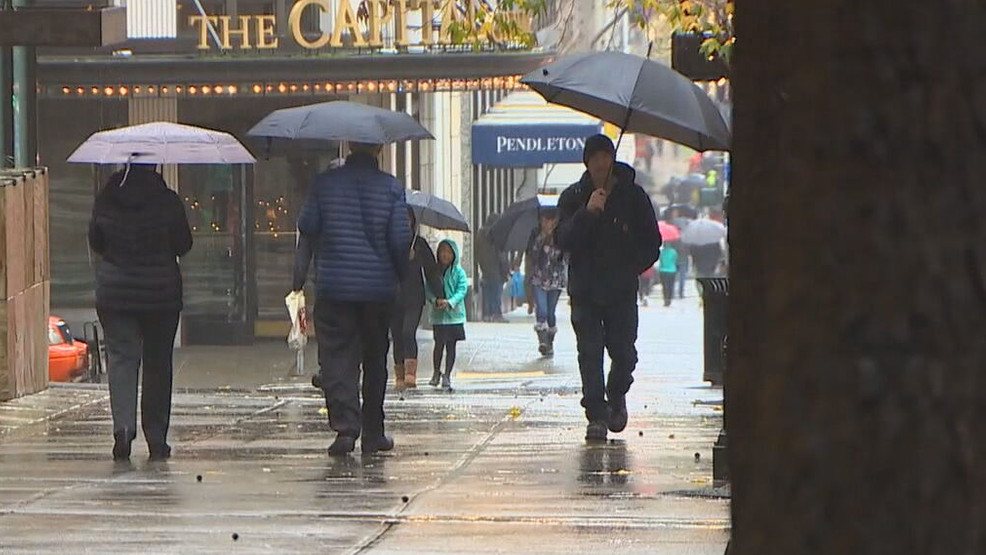
Seasonal affective disorder (SAD), a type of seasonal depression, is common in the Pacific Northwest due to its cloudy weather. Symptoms can range from mild fatigue and loss of interest to severe depression and thoughts of suicide. To cope with SAD, experts recommend getting as much natural or artificial light as possible, staying active through exercise, and maintaining a healthy diet. It is important to seek an assessment and talk to a primary care doctor if concerned about SAD, and to seek immediate medical help if experiencing severe depression or suicidal thoughts.
Seasonal affective disorder (SAD) is a form of depression that affects about 5% of adults in the U.S. during the fall and winter months. Symptoms include sadness, fatigue, cravings for carbs, and weight gain. Factors such as reduced sunlight exposure and circadian rhythm disruption contribute to SAD. Treatment options include bright light therapy, antidepressants, and lifestyle changes like sleep hygiene, stress management, physical activity, and spending time outside. Seeking professional help is important for proper diagnosis and treatment.
Seasonal Affective Disorder (SAD), also known as the "winter blues," is a type of depression that occurs during fall and winter when daylight hours are shorter. People living in regions with less sunlight, young adults, women, those with a family history of depression or SAD, and individuals with pre-existing mental health conditions are at higher risk. Coping strategies include light therapy, sunlight exposure, regular exercise, healthy eating, and mindfulness techniques.
Seasonal Affective Disorder (SAD), a type of depression that typically occurs in winter, can also affect some individuals during the summer months. At least 10% of people experience SAD in the summer, with an increase in searches for "reverse seasonal affective disorder" and "summer depression." Reduced exposure to sunlight may play a role in triggering SAD, affecting the production of melatonin and serotonin. Other factors such as financial stress and social pressure can contribute to low mood in the summer. Symptoms of SAD include low mood, tearfulness, social withdrawal, and loss of interest in daily activities. Coping strategies for summer SAD include managing light exposure, improving sleep, reducing stress, maintaining a healthy diet, and planning social activities with time for oneself.
Ariana Grande's ex-husband, Dalton Gomez, was spotted in public for the first time since their split, looking visibly sad and without his wedding ring. The celebrity realtor was seen at a bar in West Hollywood, keeping to himself and appearing downcast. Meanwhile, Ariana has moved on and is reportedly dating her "Wicked" co-star, Ethan Slater. There are also rumors of Ariana trying to part ways with her manager, Scooter Braun.